
Simple Summer Cider: Recipe, Ingredients, and Tips
This Simple Summer Cider is an easy way to make hard cider at home. It uses grocery store apple juice, a few lemons, tannin, and a simple brewing yeast. You do not need to press fresh apples or own a cider press.
The recipe makes a crisp and refreshing cider with a light body. It is designed to be easy to drink and easy to make. This makes it a good first cider for a new homebrewer.
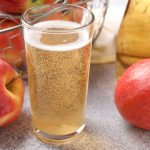
Simple Summer Cider
Equipment
- 2 carboys or buckets
- 1 airlock
- 1 siphon system
- 1 bottling wand if bottling rather than kegging
- 1 capper if bottling rather than kegging
Ingredients
- 5 gallons apple juice in primary
- 3 small lemon's juice in primary
- 5 grams wine tannin in primary
- 1 packet US-05 ale yeast in primary
- 1 tbsp pectic enzyme in primary, optional
- 6 grams Fermaid-O use meadtools.com to calculate alternative nutrients
- 1 cup erythritol in secondary
- 5 oz priming sugar if bottling
Instructions
- Blend primary ingredients in carboy.
- Pitch yeast.
- After 24 hours, add nutrients.
- Allow to ferment for two weeks.
- Confirm fermentation has finished using hydrometer readings.
- Transfer to secondary, sweeten with erythritol.
- If bottling, mix in priming sugar by making it into a simple syrup and blending gently in bottling bucket.
- Bottle in beer bottles with crown caps or transfer to keg and carbonate.
- Bottle conditioning may take up to six weeks.
- Serve chilled.
Video
Why this recipe works
Apple juice already contains most of what you need to make cider. The natural sugars provide food for the yeast. The yeast converts those sugars into alcohol and carbon dioxide.
The recipe adds lemon juice for acidity. Fermentation can produce a cider that tastes flat or dull when the acid level is low. The lemon gives the finished cider a brighter flavor.
The recipe also uses wine tannin. Tannin adds structure and a slight drying sensation. This can make a simple grocery store cider taste more balanced.
You can use either apple juice or apple juice concentrate. If you use concentrate, add water until you reach five gallons.
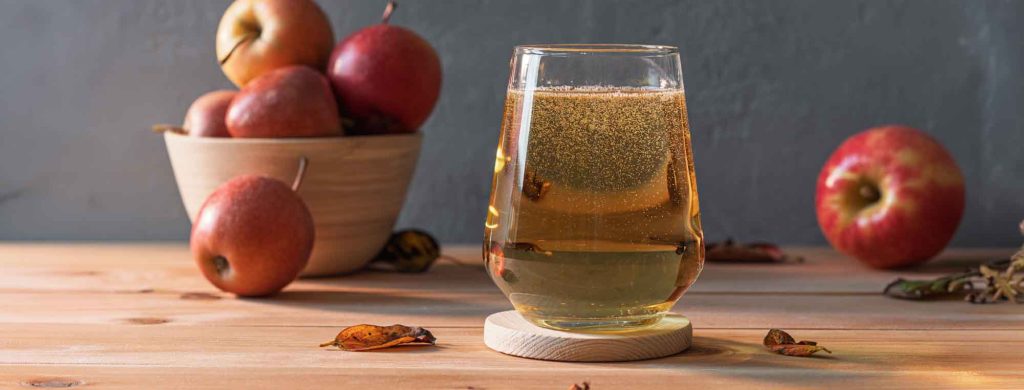
Choose your apple juice
The best juice is simple.
Look for apple juice without preservatives that can prevent yeast from working. Potassium sorbate is one preservative to avoid. Some juices also contain other preservatives that can interfere with fermentation.
Cloudy or clear juice can work. The choice mostly affects the appearance and some of the texture of the finished cider.
You do not need expensive juice. A good grocery store apple juice can make excellent cider.
Choose your yeast
The recipe allows either an ale yeast or D47 wine yeast.
Ale yeast can produce a softer and sometimes more beer-like cider. Wine yeast can produce a cleaner and drier cider.
Yeast choice can change the final flavor. This makes cider a good recipe for small experiments. Try the same juice with two different yeasts and compare the results.
Ferment the cider
Clean and sanitize all equipment before you begin.
Add the apple juice to your fermenter. Add the lemon juice and wine tannin. Add your yeast and ferment according to the yeast manufacturer’s recommended temperature.
Use an airlock during fermentation. There are many different styles of airlock.
A hydrometer is useful for this recipe. It lets you measure the starting gravity and track fermentation. Do not bottle cider while fermentation is still active.
Wait until the gravity is stable before packaging.
Sweeten and carbonate
This cider is fermented dry before finishing.
The recipe uses erythritol in secondary to add sweetness without giving normal brewing yeast another source of fermentable sugar. This can help keep the cider crisp while reducing the dry taste of a fully fermented cider.
You can also leave the cider dry if you prefer a sharper finish.
If you bottle condition the cider, add the correct amount of priming sugar. The yeast will ferment that small amount of sugar inside the sealed bottle and produce carbonation.
Do not add extra fermentable sugar for sweetness and then bottle condition without a plan. The yeast can ferment that sugar too. This can create excessive pressure.
Things to keep in mind
Cider can ferment very dry. This can make a simple apple juice cider taste thinner than expected.
Do not judge the finished cider only by its alcohol level. Acidity, tannin, sweetness, and carbonation all affect the final result.
You can also experiment with the recipe. Try different apple juices. Change the yeast. Adjust the final sweetness. You can even compare different tannin sources.
The goal is a simple, crisp cider that you can make without specialized equipment. Start with good juice, use healthy yeast, control fermentation, and give the cider enough time to finish.
The result is an inexpensive and beginner-friendly hard cider that is easy to repeat and easy to modify.