
Crispy Hydromel: Recipe, Honey Choices, and Tips
This recipe makes a light, crisp mead with a little more than 5% ABV. It is a hydromel, which means it uses less honey than a traditional mead. The result is not a heavy or sweet honey wine. It is light, dry, refreshing, easy to drink, and sparkling.
The recipe uses 6 pounds of honey in a 5-gallon batch. Ferment the mead completely dry. Then add honey or a non-fermentable sweetener to reach the desired final sweetness. The finished mead is carbonated to about 2.6 volumes of CO2. This carbonation adds another layer of freshness and helps give the mead its crisp character.
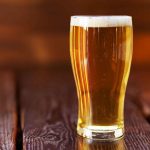
Crispy Hydromel Session Mead
Equipment
- 1 5-gallon Fermenter ensure proper headspace
- 1 airlock
- 1 long-handled spoon
- 1 siphon
- 1 bottling wand if bottling
- 1 kegging system if kegging
Ingredients
- 6 lbs Good quality honey in primary
- 3 grams malic acid in primary
- 1 gram citric acid in primary
- 3 grams wine tannin in primary
- 4.75 gallons water in primary
- 1 packet wine or ale yeast in primary
- 1 lb honey if kegging
- 1 lb erythritol if bottle conditioning
- 6 grams Fermaid-O Use meadtools.com to calculate other nutrient options if not using Fermaid-O
- 5 oz Priming sugar if bottle conditioning
Instructions
- Blend all primary ingredients.
- Pitch yeast.
- Affix airlock on fermenter.
- After 24 hours, add nutrients.
- After 2 weeks, check the hydrometer reading to ensure mead has completed fermentation.
- Transfer to secondary and allow to clear.
- Once clear, add sweetener. Note: stabilize if sweetening with honey and kegging. DO NOT stabilize if sweetening with erythritol and bottle conditioning.
- Keg and carbonate OR add priming sugar and bottle.
- Serve chilled. Bottle conditioning may take 4-6 weeks.
Video
Why this recipe works
Honey provides most of the fermentable sugar and the main flavor. The recipe also uses small amounts of malic acid, citric acid, and wine tannin. The acids add brightness. This is important in a low-ABV mead because a small amount of acidity can make the drink taste more refreshing.
The tannin adds structure. It can make a light mead taste less flat and watery.
The fermentation is also important. Ferment the mead all the way dry. This gives the finished drink a clean base before you add sweetness at the end.
Front-loaded nutrition helps the yeast ferment the honey cleanly. Honey contains a lot of sugar, but it does not provide everything yeast needs for healthy growth.
Choose a good honey
Honey choice matters more in this recipe than it does in many strong meads.
There is less alcohol and less residual sweetness to hide the honey character. This means the flavor of the honey can remain very noticeable.
Orange blossom honey is the recommended choice. It has a mild floral and zesty character that works well in a light mead.
You can also experiment with other floral honeys. Clover honey can make a clean and simple version. Wildflower honey can add more complexity. Fruitier or more strongly flavored honeys can create a very different result. See our article on how to choose honey for mead.
Avoid choosing a honey only because it is inexpensive. A strong or unpleasant honey flavor can remain noticeable in the finished mead.
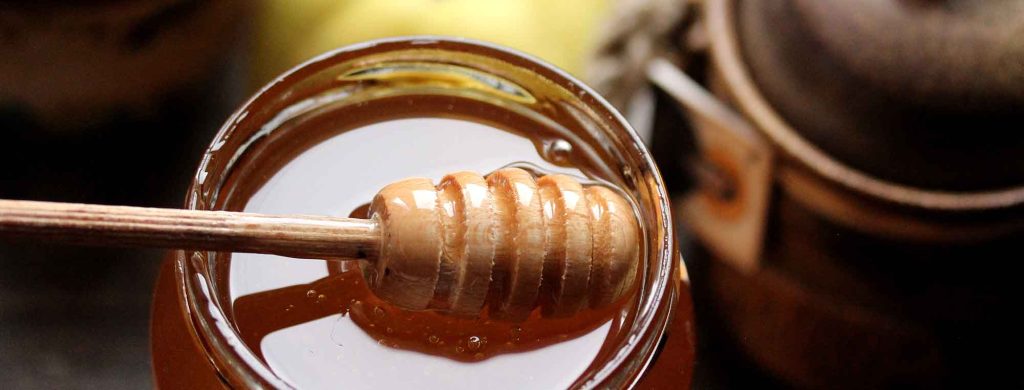
Sweetening the finished mead
Dry hydromel can taste very crisp. Some people will prefer a little sweetness.
The original recipe uses about 1 pound of orange blossom honey for back-sweetening. This brings the finished mead to about 1.010–1.015 specific gravity.
Honey added after fermentation can start fermenting again. Stabilize the mead before adding fermentable honey if you plan to keep it sweet and still.
Do not assume that a stable gravity means the yeast cannot restart. Fermentable sugar and viable yeast can produce more CO2.
A non-fermentable sweetener is another option. The original recipe uses erythritol for a version that can be kegged or bottle conditioned.
Things to keep in mind
This is a light mead. Do not expect the body of a traditional 12–14% mead.
Use a hydrometer to track fermentation. Do not bottle until fermentation is complete and the gravity is stable.
Keep sanitation a priority. A low-alcohol drink can still spoil.
Give the yeast the nutrients it needs. Honey alone is not a complete yeast food.
Carbonation is also part of the recipe. The target is about 2.6 volumes of CO2. Use a priming calculator if you are bottle conditioning.
The main goal is balance. Good honey provides flavor. Acidity provides brightness. Tannin provides structure. Carbonation provides a crisp finish. Together, these parts make a light mead that is refreshing rather than heavy.