
Lemon Drop Mead: Recipe, Honey Choices, and Tips
Lemon Drop is a fermented honey lemonade. It is a light, citrus-forward hydromel with a smooth finish and bright lemon flavor.
The recipe uses 6 pounds of orange blossom honey, the zest and juice of two lemons, wine tannin, water, and D47 wine yeast in primary fermentation. After primary fermentation, 32 ounces of lemon juice and 2 pounds of honey are added. The finished mead is then kegged and carbonated. All of these ingredients could be divided by five to make a one-gallon batch.
This recipe is similar to a fermented lemonade such as Skeeter Pee. The main difference is the use of honey instead of plain sugar.

Lemon Drop Mead
Equipment
- 2 5-gallon carboys
- 1 airlock
- 1 long-handled spoon like a mash-paddle, for stirring honey
- 1 fine zester
- 1 siphon system
- 1 kegging system
Ingredients
- 6 lbs orange blossom honey in primary
- 2 lemon's zest in primary
- 5 grams wine tannin in primary
- 4.25 gallons water in primary
- 1 packet wine yeast in primary
- 10 grams Fermaid-O yeast nutrient in primary, use meadtools.com to calculate alternative nutrients
- Stabilizers, by packet instructions in secondary
- 32 oz lemon juice in secondary, post stabilizing
- 2 lbs honey in secondary, post stabilizing
Instructions
- Blend all primary ingredients in carboy.
- Pitch yeast.
- Affix airlock and allow to ferment.
- After 24 hours, add nutrients.
- Allow to ferment for two weeks.
- Use hydrometer to check for complete fermentation.
- Siphon to secondary.
- Stabilize.
- 24 hours later, add lemon juice and backsweetening honey.
- Allow to clear.
- Transfer to keg and carbonate.
- Serve chilled.
Video
Why this recipe works
Honey provides the fermentable sugar and the base flavor.
Lemon provides acidity and a strong citrus flavor. This is important because a dry honey fermentation can taste thin or sharp. Lemon gives the mead a clear and refreshing character.
The recipe uses lemon in two stages. The small amount of lemon in primary adds acidity and flavor during fermentation. The larger addition in secondary provides the main lemon character.
This approach gives you more control over the final flavor. You can ferment the honey first and then add a large amount of lemon juice after primary fermentation.
Wine tannin adds structure. It can give a light mead more body and a slightly drying finish. This helps balance the acidity and sweetness.
D47 is a wine yeast that works well in mead. It can produce a clean fermentation while allowing some of the honey and citrus character to remain.
Choose your honey
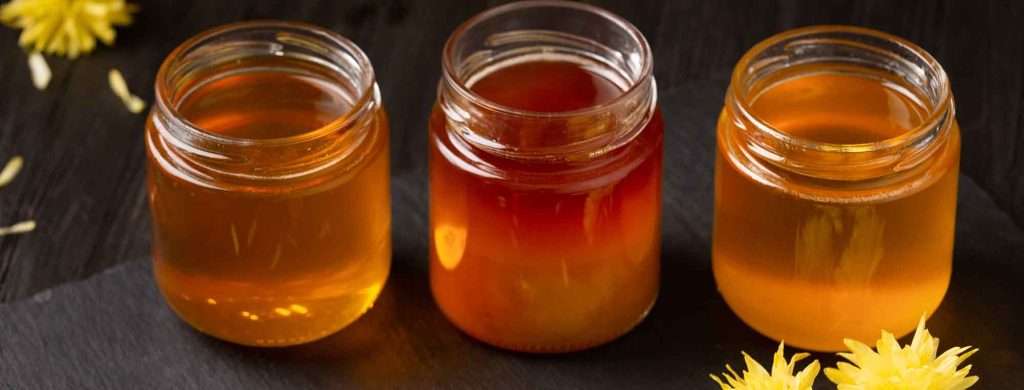
Orange blossom honey is the best fit for this recipe. It has a mild floral character that works naturally with lemon.
You can use other mild honeys if orange blossom is not available. Clover honey can produce a clean and simple version. A light wildflower honey can add more complexity.
Avoid very strong or unusual honeys if you want the lemon to remain the main flavor. Buckwheat and other strongly flavored honeys can compete with the citrus.
Honey quality also matters. There is enough honey in this recipe for its flavor to remain noticeable in the finished mead.

Work with the lemons
Fresh lemons can provide both juice and zest. Wash the fruit before zesting it.
Avoid adding too much of the white pith. The pith contains more bitter compounds than the outer zest.
The recipe adds the main lemon juice in secondary. This means the final acidity can be adjusted after primary fermentation.
Taste the mead before making large adjustments. Lemon juice varies in acidity and flavor. Lemon zest can be overpowering when it goes too far Your final balance may not be identical to another batch.
Sweetening and carbonation
The recipe uses 2 pounds of honey to sweeten the finished mead. This honey is fermentable. Adding it does not automatically make a stable sweet mead.
If viable yeast remains, the yeast can ferment the added honey.
Kegging makes this easier to control. You can sweeten the mead and force carbonate it in a keg then keep it cold.
You can also make a bottle-conditioned version. The original recipe suggests using erythritol for sweetness and priming sugar for carbonation.
Do not use additional fermentable honey for sweetness in a sealed bottle unless you have a controlled method to prevent renewed fermentation.
Things to keep in mind
Lemon is powerful. The final mead can become very tart if you add more acid than needed.
Taste the mead before making changes. Sweetness can reduce the perception of acidity, while a dry mead can taste much sharper.
Use a hydrometer to track fermentation. Do not package the mead until fermentation is complete and the gravity is stable.
Give the mead time to settle after adding the lemon juice. Some haze and sediment are normal.
The goal is balance. Honey provides sweetness and floral character. Lemon provides acidity and citrus flavor. Tannin adds structure. Carbonation adds a crisp finish.
The result is a refreshing summer mead that tastes more like a sparkling alcoholic lemonade than a traditional heavy mead!