
Wampus Cat Braggot: Recipe, Honey Choices, and Tips
The Wampus Cat is a simple braggot that combines the ingredients and techniques of beer and mead. A braggot uses both malted grain and honey as fermentable sugars.
This recipe is designed as an easy introduction to the style. It uses 4.5 pounds of wildflower honey, 1.5 pounds of buckwheat honey, 1 pound of honey malt, Centennial hops, water, and Kveik ale yeast. The finished braggot is about 5.5% ABV.
The result is a dark amber drink with a strong malt and honey character. The hops add enough bitterness and flavor to keep it from tasting like a sweet mead.
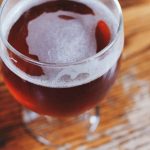
Wampus Cat Braggot
Equipment
- 1 stock pot or dutch oven
- 1 large stainless steel spoon
- 1 airlock
- 50 beer bottles if bottling
- 1 kegging system if kegging
Ingredients
- 4.5 lbs wildflower honey in primary
- 1.5 lbs buckwheat honey in primary
- 1 lb honey malt (specialty grains) in primary
- 1.5 oz Centennial hops in primary
- 4.75 gallons spring water in primary
- 1 packet Kveik ale yeast in primary
- 5 oz priming sugar if bottling
Instructions
- Put one gallon of water into stock pot and bring to 166 degrees F.
- Place crushed grains in bag and put bag into stock pot. Remove from heat.
- Put pot lid on and steep for one hour.
- Remove grains and drain the liquid from the bag.
- Bring wort to a boil. It will boil for one hour.
- Add 0.5 oz of hops at the beginning of the boil.
- Add 1 oz of hops with 15 minutes left in the boil.
- After one hour, remove from heat and place the stock pot in an ice bath to cool.
- Pour honey into the carboy.
- Pour wort into the carboy.
- Fill carboy to 5 gallons with spring water.
- Pitch yeast.
- Affix airlock and allow to ferment for two weeks.
- Confirm fermentation is complete by using a hydrometer.
- If bottling, make a syrup from the priming sugar and add to the bottling bucket. Transfer to the bottling bucket and bottle using beer bottles and crown caps. Bottle conditioning may take up to 6 weeks for carbonation.
- If kegging, transfer to the keg and carbonate.
- Serve chilled.
Video
Why this recipe works
The most important part of a braggot is the balance between malt, honey, and hops.
Honey provides a large portion of the fermentable sugar. It also gives the finished drink its floral and honey character.
Honey malt adds a strong malt and honey-like flavor. It helps connect the beer and mead sides of the recipe.
The buckwheat honey is especially important. Buckwheat honey has a strong, earthy flavor. That flavor can stand up to the malt and hops.
Centennial hops provide bitterness and citrus-like hop character. Without hops, the combination of honey and honey malt could taste heavy or sweet.
Kveik ale yeast is another important part of the recipe. Kveik is well suited to farmhouse-style fermentation and can produce a clean, distinctive result. It also makes this recipe practical for brewers who do not want to manage a complicated fermentation.

Choose your honey
The recipe uses two different honeys for a reason.
Wildflower honey provides the bulk of the honey while keeping the cost reasonable. It also gives the braggot some natural complexity.
Buckwheat honey provides a much stronger flavor. It can taste earthy, dark, and almost molasses-like.
You can replace the wildflower honey with another mild honey. Clover honey is an easy choice.
Be careful when replacing the buckwheat honey. A mild honey will make a softer and less distinctive braggot. A very strong honey can become dominant.
If you are new to braggot, make the recipe as written before changing the honey. This gives you a useful reference for future batches.
The role of the malt
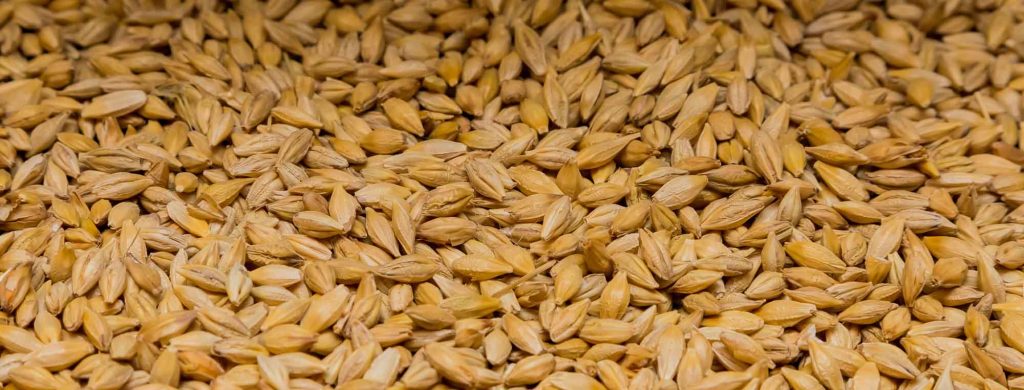
Honey malt is unusual because it can provide a strong honey-like and sweet malt character.
The recipe uses only 1 pound in a five-gallon batch. That is enough to contribute flavor without making the braggot taste like a standard malt-heavy beer.
You can brew this as a beer-style batch with your normal brewing equipment. You do not need a separate mead setup.
The important point is that the grain must be mashed according to the brewing method you use. The mash extracts the sugars and flavors from the malt.
Fermentation and hops
Centennial hops provide the beer character in this recipe. The recipe uses 1.5 ounces in the five-gallon batch.
Keep the hop additions consistent when you first make the recipe. Small changes in hop timing can change the bitterness and aroma.
Add the honey according to the recipe method. Honey does not need to be boiled for a long period. Excessive heat can drive off some of its aroma.
Use a hydrometer to track fermentation. Do not package the braggot until fermentation is complete and the gravity is stable.
Things to keep in mind
A braggot does not have to taste like half beer and half mead. The balance can move toward either side.
This recipe leans toward a malty, honey-forward drink. The buckwheat honey gives it a distinctive character, while the hops keep it from becoming too sweet or heavy.
Do not expect the finished drink to taste exactly like beer. Honey ferments differently from malt, and the final body and flavor will reflect that.
Give the braggot time to condition after fermentation. Young braggots can taste rough because the malt, honey, hops, and alcohol have not fully integrated.
The Wampus Cat is a good starting point because it does not require complicated ingredients or techniques. Once you understand the basic balance, you can experiment with different honeys, grains, hops, and yeast.
The goal is simple: make a drink where the malt, honey, and hops all have a clear role. That balance is what makes a braggot more than just a beer with honey added to it.