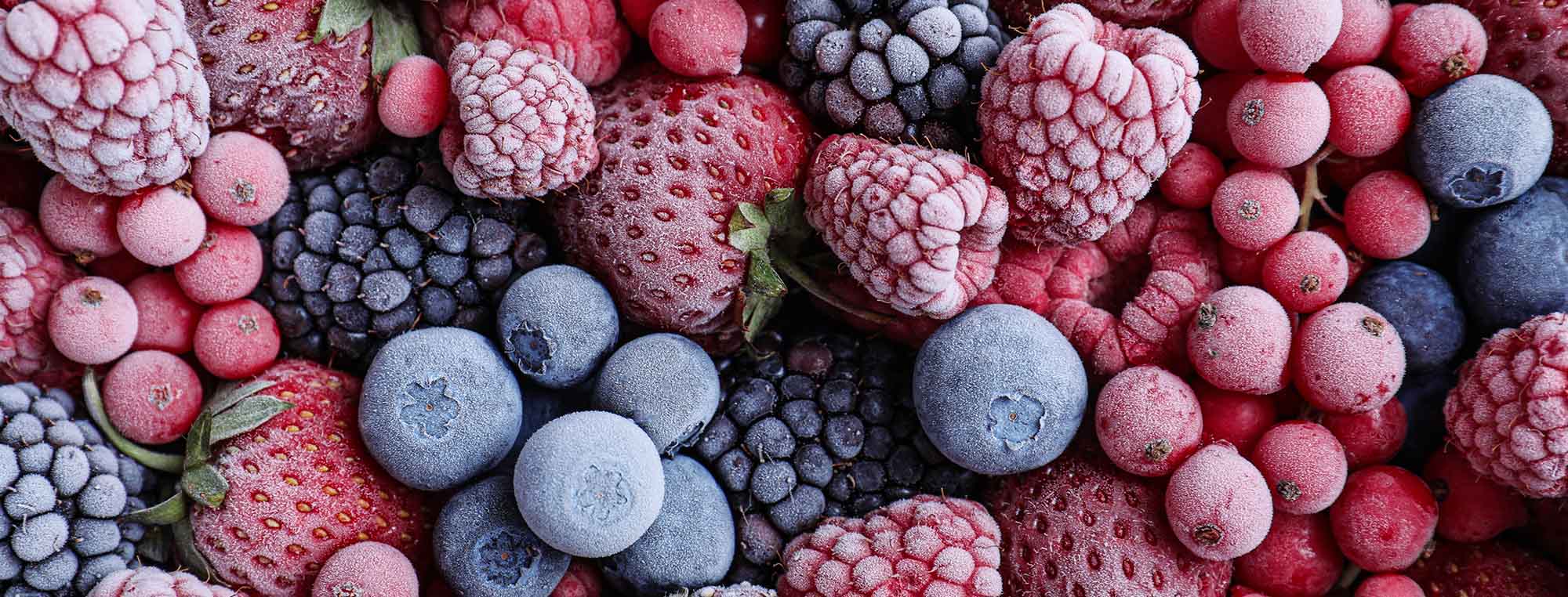
Fruit can add flavor, aroma, color, acidity, and sugar to a fermented beverage.
Fruit works well in mead, wine, cider, beer, and other homebrewed beverages.
You can use fruit in several forms. The most common choices are:
- Whole fruit
- Fruit puree
- Dried fruit
Each form has different advantages and different handling requirements.
The goal is to add the fruit without adding unwanted microorganisms, excessive oxygen, or unwanted flavors.
Why Add Fruit?
Fruit can contribute several things to a fermented beverage.
Flavor and Aroma
Fruit can provide a wide range of flavors.
Examples include:
- Berry
- Citrus
- Stone fruit
- Tropical fruit
- Apple
- Pear
- Cherry
- Grape
The amount of fruit does not always determine the strength of the final fruit character. Fruit variety, ripeness, processing, fermentation, and contact time also affect the result.
Color
Fruit can add color to the beverage.
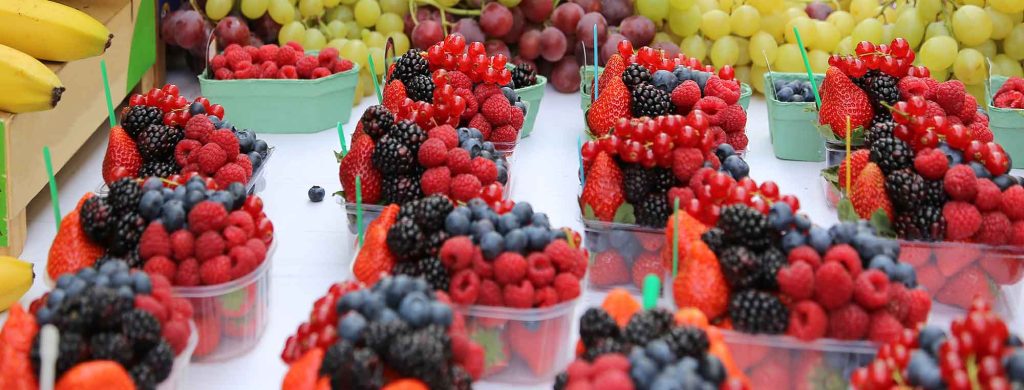
Dark berries can produce red, purple, or blue colors. Peaches, apricots, and other light fruit can produce yellow or orange colors. Some fruit color can change during fermentation. For example, a deep red blueberry cider might be amber-pink once it clears up.
Acidity
Many fruits contain organic acids. These acids can lower the pH and increase the perception of tartness.
This can make a sweet or high-alcohol beverage taste more balanced.
Monitor pH when you add a large amount of acidic fruit. A major change in pH can affect yeast performance and the final flavor.
Sugar
Fruit contains sugar. And yeast can ferment this sugar.
This can increase alcohol content if the fermentation continues, depending on the ratio of water-to-sugars in the fruit.
Do not calculate the final alcohol content from the original honey, malt, juice, or sugar alone when you add a large amount of fruit. Calculators like MeadTools can help estimate your alcohol content.
When Should You Add Fruit?
You can add fruit before fermentation, during active fermentation, or after primary fermentation.
Each method has different effects.
Fruit in Primary Fermentation
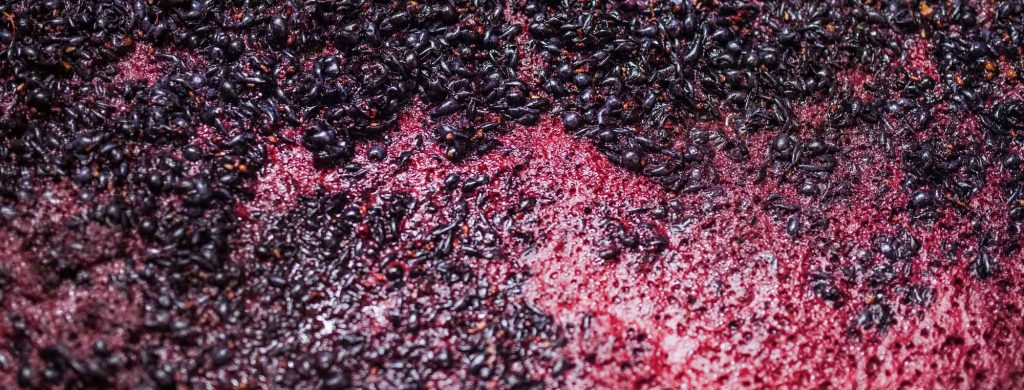
Fruit can be added before or at the start of fermentation. Yeast then ferments the fruit sugars along with the other fermentable sugars.
This method can produce strong integration between the fruit and the base beverage, creating a wine-like character.
Active fermentation can also produce carbon dioxide. This gas can help reduce oxygen exposure.
The main disadvantage is that fermentation can reduce some delicate fruit aromas.
Fruit During Active Fermentation
You can add fruit after fermentation has started. This can provide some of the benefits of primary fermentation while allowing you to observe the base fermentation first.
The fruit will still undergo fermentation.
Adding fruit can also reignite fermentation because the fruit contains new fermentable sugar and some nutrient.
Fruit After Primary Fermentation
You can add fruit after the main fermentation is complete.
This method can preserve more fresh fruit aroma. It also gives you more control over the amount of fruit character.
The main risk is oxygen exposure. Avoid splashing when you add or remove fruit.
Remember that the addition of fruit can restart fermentation. Do not assume that a beverage is stable only because the first fermentation has finished. If you want a more pure fruit flavor, consider stabilizing before adding fruit.
Whole Fruit
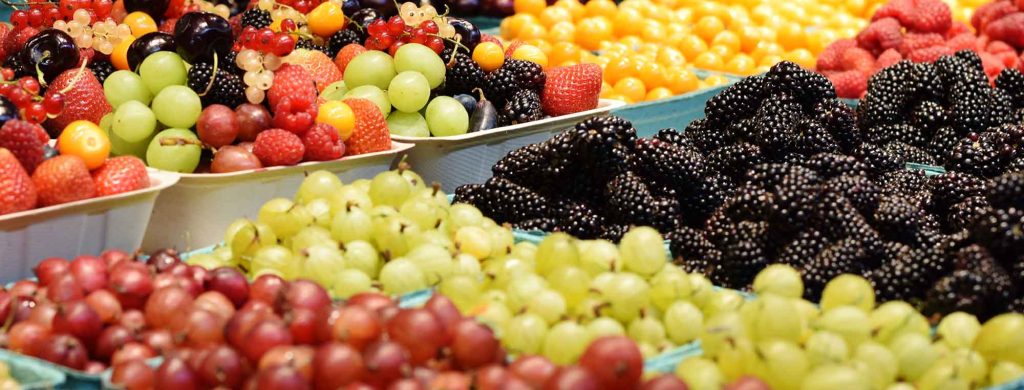
Whole fruit means fresh or frozen fruit that has not been processed into a puree.
Whole fruit can produce excellent results. It also requires the most physical handling if not directly from a freezer bag.
Select Good Fruit
Use fruit that is ripe and free from visible mold or decay.
Do not use fruit with significant mold growth.
Remove:
- Stems
- Leaves
- Stones
- Pits
- Damaged material
Some fruit parts can contribute unwanted flavors or compounds.
For example, remove pits from stone fruit unless you have a specific reason to retain them.
Wash the Fruit
Wash fresh fruit before use. The goal is to remove dirt and foreign material.
Do not use harsh household cleaners on fruit. A food-safe fruit washing process is sufficient for normal home use. Generally a simple rinse is plenty. Washing does not make fruit sterile. The fruit can still contain microorganisms.
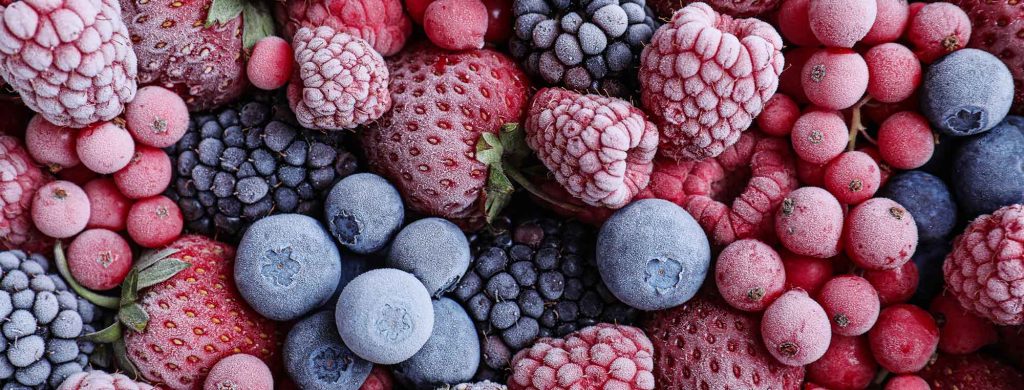
Freeze the Fruit
Freezing is a useful way to prepare whole fruit. Freezing breaks many fruit cells. This can make the fruit easier for the beverage to extract.
Freezing also makes it easier to store seasonal fruit until you are ready to use it.
Freezing does not make fruit sterile.
Treat frozen fruit as a raw ingredient, and don’t worry about thawing before use – it’s simpler and less messy. Frozen fruit from the grocery store is frozen at the peak of freshness and perfect for homebrewing.
Fruit Bags
A sanitized fruit bag can hold whole fruit during fermentation. This works best when using a bucket.
The bag can make removal easier. It can also reduce the amount of fruit material that enters the beverage.
Use a bag that is large enough to allow the fruit to expand and allow liquid to move through the fruit. Do not pack the bag too tightly.
Pectic Enzyme
Fruit contains pectin. Pectin can cause haze and can reduce juice extraction.
Pectic enzyme, also called pectinase, can break down pectin. This can improve extraction and help reduce pectin haze.
Follow the manufacturer’s dosage instructions. Do not assume that more enzyme will always produce a better result.
Whole Fruit Equipment
Useful equipment includes:
- Food-safe cutting board
- Food-safe knife
- Colander
- Fruit bag
- Sanitized container
- Sanitized fermentation vessel
- Pectic enzyme
- Hydrometer
- pH meter or test strips
- Siphon
- Sanitizer
A fruit press can be useful for large quantities of soft fruit.
Fruit Puree
Puree is fruit that has been mechanically processed into a thick liquid or semi-solid material.
Puree is convenient because the fruit is already prepared.
It can also provide good extraction.
Aseptic Puree
Aseptic fruit puree is a useful choice for fermentation. The manufacturer processes and packages the puree to reduce microbial contamination. Some aseptic purees are sold specifically for brewing.
These products can be added directly to the fermentation vessel according to the manufacturer’s instructions. Aseptic puree is often the easiest option when you want consistent fruit handling.
Frozen Puree
Frozen puree is another common option. Keep frozen puree frozen until you are ready to use it and follow the manufacturer’s storage and handling instructions.
This is best used in a bucket, as you don’t even need to fully thaw the puree. Simply loosen it from its container using warm water and carefully add it to the bucket.
Fresh Homemade Puree
You can make your own puree from fresh fruit.
Use clean, ripe fruit, remove unwanted parts, and process the fruit with clean and sanitized equipment.
The main disadvantage is that homemade puree has a higher and less predictable microbial load than commercial aseptic puree. For this reason, commercial aseptic puree can be a better choice when consistency and microbial control are important.
Puree and Oxygen
Puree has a large surface area. This can increase contact between the fruit and air.
Add puree carefully. Do not splash the beverage.
If you add puree after primary fermentation, minimize the time that the beverage remains exposed to air.
Puree Equipment
Useful equipment includes:
- Food processor or blender
- Sanitized container
- Sanitized funnel
- Fermentation vessel
- Pectic enzyme
- Hydrometer
- pH meter or test strips
- Sanitizer
Use a food processor or blender that is suitable for food use.
Do not use equipment that has been used for non-food chemicals.
Dried Fruit
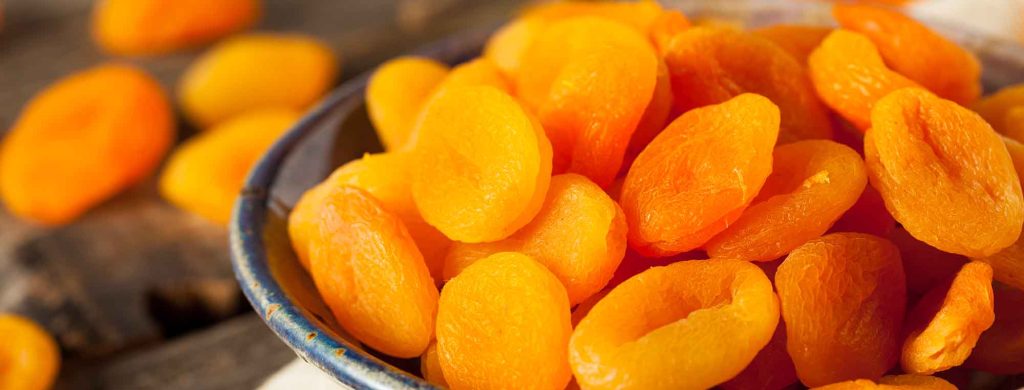
Dried fruit has less water than fresh fruit.
This concentrates the fruit’s sugars, flavors, and other compounds.
Common examples include:
- Raisins
- Cherries
- Apricots
- Cranberries
- Dates
- Figs
- Prunes
Dried fruit can add rich fruit character, but also a more oxidized or sherried character. It will almost always add a different flavor than fresh fruit.
Read the Label
Dried fruit is not always just fruit.
Some products contain:
- Sugar
- Vegetable oil
- Sulfites
- Preservatives
- Other additives
These ingredients can affect fermentation and flavor.
Sulfites in Dried Fruit
Some dried fruit contains sulfur dioxide or other sulfites. Sulfites can inhibit microorganisms. The amount in commercial dried fruit varies.
Do not assume that sulfite-treated dried fruit will stop an active fermentation. The effect depends on the amount of sulfite, the pH, the beverage, and the yeast population.
If you want predictable fermentation, use dried fruit that is intended for brewing or a product with a clearly documented ingredient list.
Oil-Coated Fruit
Some dried fruit is coated with vegetable oil and the oil can affect the surface of the fruit and can contribute unwanted effects in a fermented beverage.
If possible, choose dried fruit without added oil.
Chop Large Dried Fruit
Large pieces of dried fruit can be difficult to extract.
Cutting the fruit into smaller pieces can increase contact with the beverage.
Use clean equipment and avoid creating a puree unless you want the additional solids.
Dried Fruit Equipment
Useful equipment includes:
- Food-safe knife
- Cutting board
- Sanitized container
- Fruit bag
- Fermentation vessel
- Hydrometer
- Sanitizer
A fruit bag can make dried fruit easier to remove.
Preserving Fruit Before Fermentation
There are several ways to reduce the risk of unwanted microorganisms.
No method should be treated as a guarantee of sterility.
Commercial Aseptic Products
Commercial aseptic puree is often the simplest option.
The product has already received controlled processing. Follow the manufacturer’s storage and handling instructions.
Freezing
Freezing can damage fruit cells and can improve extraction.
It does not reliably sterilize fruit. Frozen fruit can still contain microorganisms.
Heat Treatment
Heat can reduce microorganisms in fruit.
The exact temperature and time depend on the fruit and the process, but excessive heat can damage fresh fruit aroma and flavor. For this reason, heat treatment is not always the best choice for a fruit-forward beverage.
Use a validated food-processing method when safety is the primary goal.
Sulfites and Sorbate
Sulfites or sorbate should not be added to fruit prior to use in fermentation. This is an outdated practice and offers very little benefit.
Fruit and Fermentation Restart
Fruit contains fermentable sugar. When you add fruit to a finished beverage, fermentation can start again. This is especially important with sweet mead, wine, and cider.
A beverage that was stable before the fruit addition may no longer be stable after the addition.
Monitor gravity after adding fruit. Do not bottle a beverage until you know that fermentation is complete and stable. This is especially important when using bottles that cannot safely contain high pressure.

Measuring Gravity
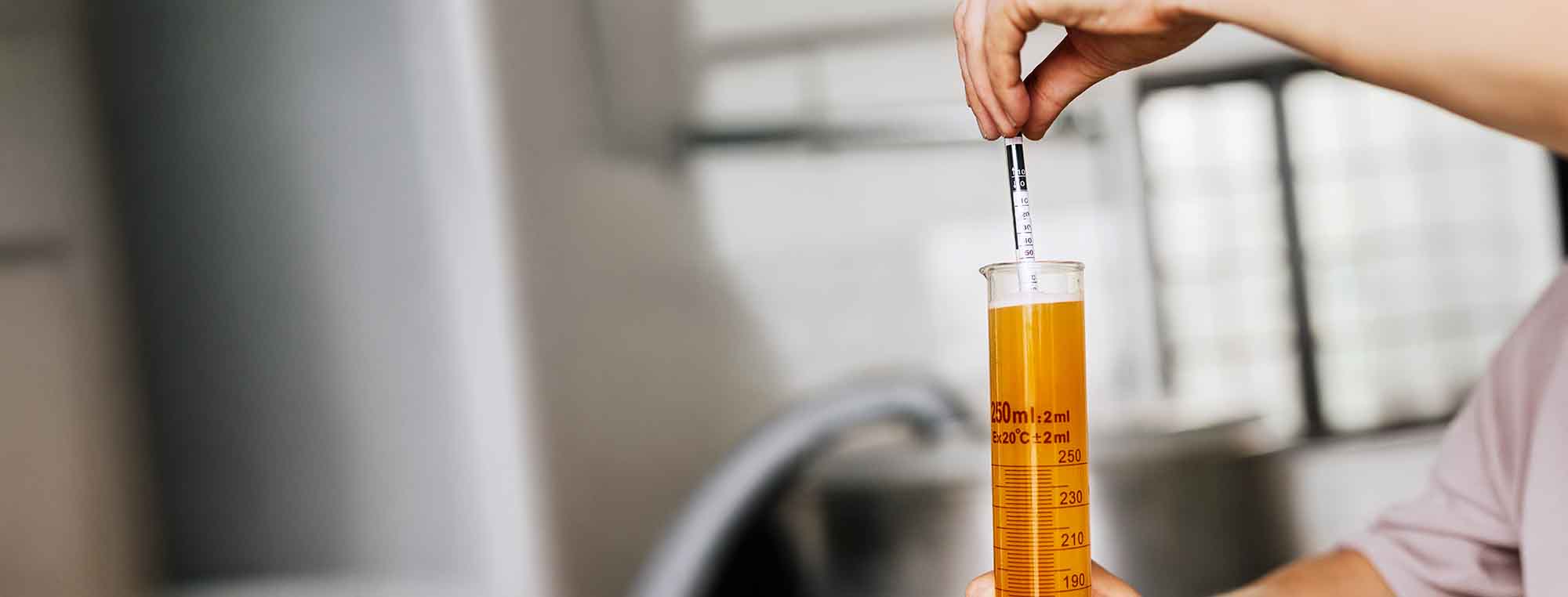
Use a hydrometer to monitor fermentation.
Take a reading before the fruit addition when possible. Take another reading after fermentation begins. Continue to monitor the gravity until it is stable.
A falling gravity indicates that yeast is still consuming sugar. Fruit can make gravity measurements more difficult because pulp and suspended solids can affect the sample.
Note: Allow the sample to settle when practical.
Fruit Contact Time
More contact time does not always mean more fruit flavor.
Long contact can extract additional compounds from the fruit, like tannins and other components from skins and seeds.
Taste the beverage during the process and remove the fruit when the flavor reaches the level you want. Of course, use sanitized equipment when you remove the fruit.
Seeds, Skins, and Pits
Different parts of the fruit can produce different effects.
Fruit skins can provide:
- Color
- Aroma
- Tannin
- Flavor
Seeds can provide tannin and other compounds. Pits can provide unwanted flavors and compounds. Remove pits from stone fruit unless you have a specific process that requires them.
Do not crush pits when processing fruit.
Managing Fruit Solids
Fruit can create a large amount of solid material.
This material can:
- Reduce the volume of finished beverage
- Block siphons
- Clog valves
- Make filtration difficult
- Increase sediment
A fruit bag can reduce these problems. A wide-mouth fermentation vessel can also make fruit management easier.
Do not use a narrow vessel if the amount of fruit will make removal difficult.
Siphoning Fruit-Heavy Beverages
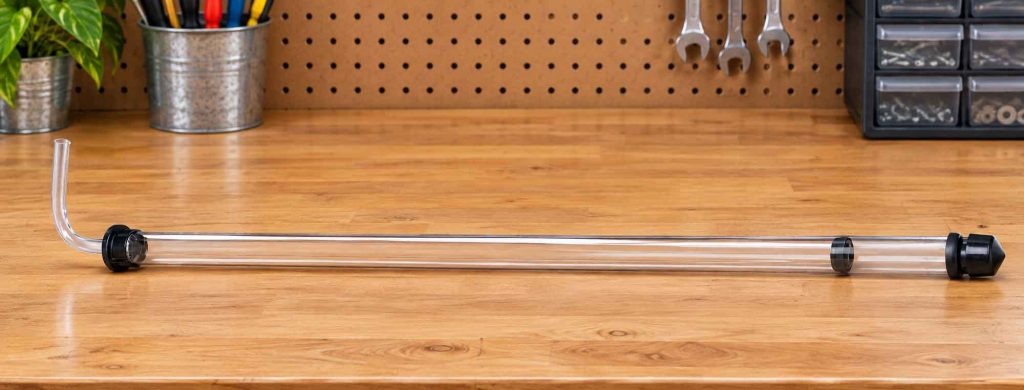
Fruit can block a siphon.
Keep the siphon intake above or below the thick layer of fruit solids.
A stainless steel or plastic mesh screen can help in some systems – for example, siphoning with the racking cane inside a hops spider. Do not force the siphon into a large mass of fruit. This can pull solids into the tubing.
If the beverage contains a large amount of fruit, it is preferable to allow the solids to settle before transfer.
Fruit and Oxygen
Oxygen is useful at specific stages of fermentation. It can also cause problems after fermentation is established.
Avoid unnecessary splashing after fermentation begins and use closed transfers when practical.
Keep the fermentation vessel full enough to minimize unnecessary headspace after the fruit is removed. A smaller receiving vessel can be useful when a fruit addition causes the volume to decrease.
Fruit-Specific Examples
Different fruit types require different handling.
Berries
Berries are easy to freeze. Freezing can break the fruit cells and improve extraction.
A fruit bag can make removal easier.
Berries can also provide significant color.
Stone Fruit
Examples include:
- Peaches
- Plums
- Apricots
- Cherries
If desired, remove pits before fermentation. Cut large fruit into smaller pieces.
Frozen or aseptic fruit can make preparation easier.
Apples and Pears
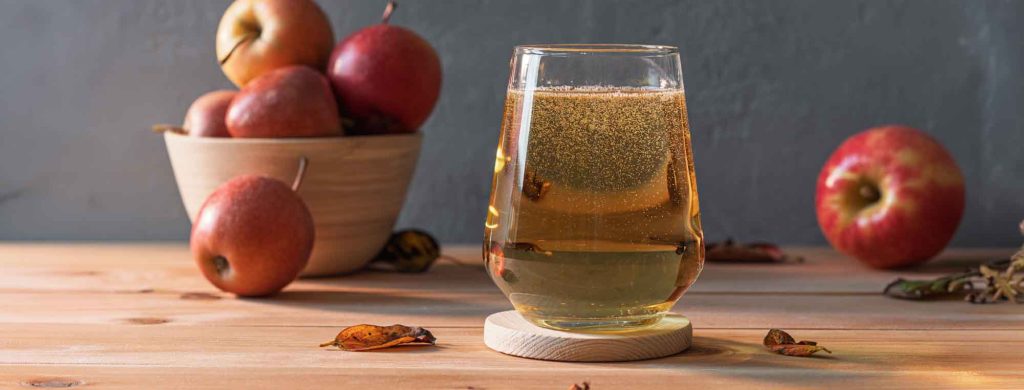
Apples and pears contain significant pectin. Pectic enzyme can be useful when processing these fruits.
Whole apples require crushing or pressing before they provide significant juice.
Prepared juice or puree can simplify the process.
Citrus
Citrus can provide strong aroma and acidity.
The peel can provide additional flavor. The white part of the peel, called the pith, can produce strong bitterness.
Use citrus peel carefully and remove excess pith when you want a cleaner citrus character.
Bananas
Bananas contain a large amount of pulp.
They can produce a thick fermentation and can create significant sediment. Pectic enzyme can be useful, but the result can still contain substantial solids.
Use a wide fermentation vessel and plan for significant sediment.
Dried Grapes
Raisins can add dried-fruit (oxidized) character and sugar.
They can also contain sulfites or other additives.
Check the label before you use them.
A Practical Fruit Fermentation Setup
For a simple fruit mead or wine, a useful setup can include:
- Fermentation vessel
- Airlock
- Sanitizer
- Hydrometer
- pH meter or test strips
- Fruit
- Fruit bag
- Pectic enzyme
- Siphon
- Clean receiving vessel
- Bottling equipment
For whole fruit, also have:
- Knife
- Cutting board
- Colander
- Freezer space
For puree, also have:
- Food-safe puree container
- Sanitized funnel
For dried fruit, also have:
- Food-safe knife
- Cutting board
- Sanitized soaking container, if rehydration is used
A Simple Process
A general fruit fermentation process can follow these steps:
- Select clean, ripe fruit.
- Remove damaged fruit and unwanted plant material.
- Prepare the fruit for the type of fruit you use.
- Freeze, heat-treat, or use a commercial aseptic product when appropriate.
- Clean and sanitize the fermentation equipment.
- Add the fruit to the fermentation vessel.
- Add pectic enzyme when appropriate.
- Add the yeast and other fermentation ingredients.
- Monitor gravity and pH.
- Taste the beverage during fermentation.
- Remove the fruit when the flavor reaches the desired level.
- Transfer the beverage carefully.
- Allow fermentation to finish.
- Confirm that gravity is stable before packaging.
- Package the finished beverage.
The Main Rule
Fruit is a raw agricultural product. It can carry microorganisms, dirt, and other unwanted material.
Treat fruit as an ingredient that requires careful handling.
- Whole fruit gives you control over preparation.
- Puree gives you convenience and consistent extraction.
- Aseptic puree gives you additional process control.
- Dried fruit provides concentrated flavor and sugar, but the product can contain preservatives or other ingredients.
No fruit preparation method eliminates every risk. Good sanitation, appropriate processing, careful fermentation, and stable gravity are the most important parts of the process.
Choose the form of fruit that gives you the flavor you want and the level of process control you need.