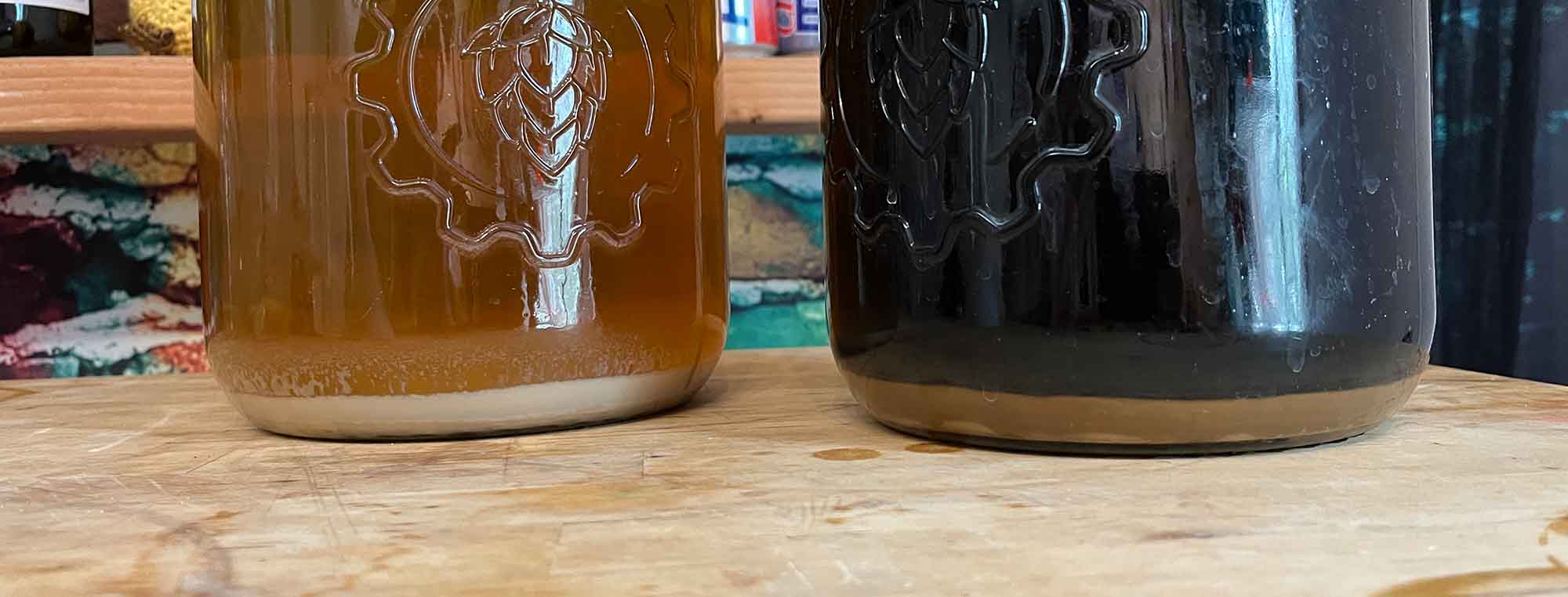
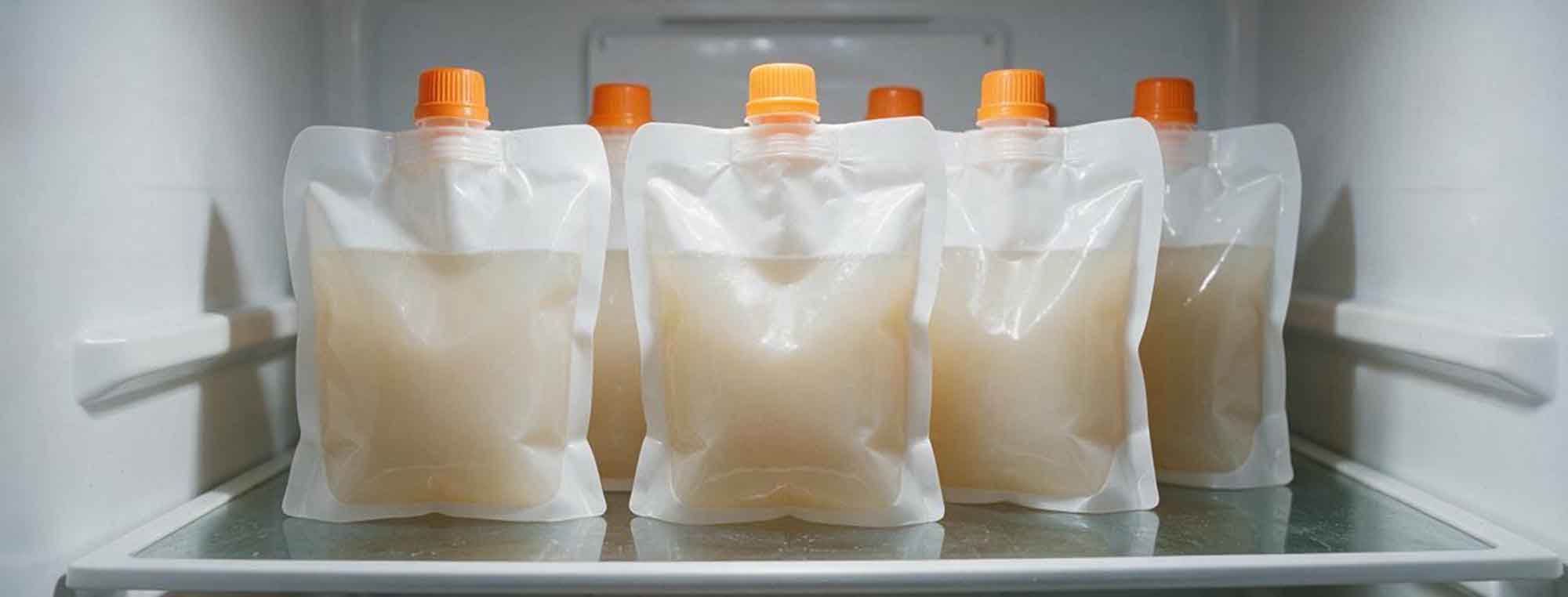
Brewing yeast can last anywhere from a few months to several years, depending on the type of yeast, how you store it, and whether you have opened the package.
Dry yeast generally lasts much longer than liquid yeast. An unopened packet of dry beer yeast may last two to three years or more when stored correctly. Some dry wine yeasts have a shelf life of four years. Liquid beer yeast usually has a much shorter recommended shelf life.
But there is an important distinction: yeast expiration dates do not mean every yeast cell suddenly dies on that date. Yeast loses viability over time. A packet past its best-by date may still ferment, but it may not perform as reliably as a fresh packet.
This guide covers dry and liquid yeast for beer, wine, cider, and mead. You will learn how to store yeast, when to use expired yeast, and when it is better to buy a fresh packet.

How Long Does Dry Yeast Last?
Dry yeast is the easiest brewing yeast to store. Manufacturers remove most of the water from the yeast cells, which makes them more stable during storage.
An unopened, properly sealed packet of dry yeast can last several years. The exact shelf life depends on the manufacturer and strain.
| Yeast type | Typical unopened shelf life | Best storage practice |
| Dry ale yeast | About 2–3 years; some products differ | Cool, dry, sealed |
| Dry lager yeast | About 2–3 years or longer, depending on product | Follow the manufacturer’s temperature guidance |
| Dry wine yeast | Often 2–4 years, depending on product | Cool, dry, sealed |
| Dry cider yeast | Often similar to dry wine yeast | Follow the package instructions |
| Dry mead yeast | Often similar to other dry wine yeasts | Follow the package instructions |
These are general ranges, not guarantees. Always check the expiration date and storage instructions on your specific product.
Some manufacturers recommend refrigeration for the entire storage period. Others allow dry yeast to remain at moderate room temperatures for part of its shelf life. Do not assume every brand has the same requirements.
Does dry yeast need to be refrigerated?
Not always, but refrigeration can help preserve it. The most important factors are moisture, oxygen exposure, and temperature. Keep unopened packets sealed and away from heat and humidity.
If the manufacturer recommends refrigeration, follow that recommendation. If the package permits storage at room temperature, a cool, dry cupboard may be suitable.
Avoid storing yeast:
- In direct sunlight.
- Near an oven or other heat source.
- In a damp cupboard.
- In a place where temperatures fluctuate significantly.
- In a package that has been punctured or lost its vacuum seal.
Dry yeast is sturdy, but it is not immortal. Treat it like a living ingredient, not a can of beans.
How Long Does Liquid Yeast Last?
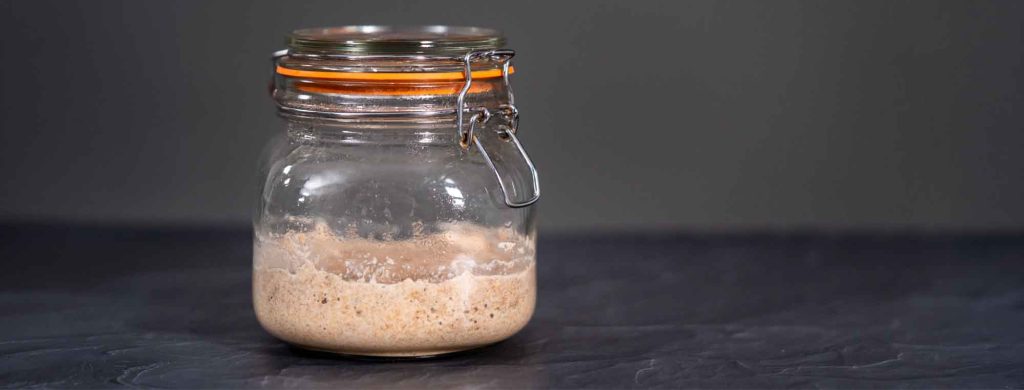
Liquid yeast contains much more water than dry yeast. Its cells are active biological material, and viability generally declines more quickly during storage.
Many liquid beer yeast products have recommended shelf lives measured in months rather than years. Some products have best-by dates roughly five to seven months after quality-control release, but this varies by manufacturer and product.
| Liquid yeast situation | What to do |
| Fresh, unopened, within date | Store as directed and use normally |
| Near its best-by date | Consider a starter, especially for a demanding batch |
| Past its best-by date | Check the manufacturer’s guidance; assess viability before relying on it |
| Stored warm for an extended period | Treat performance as uncertain |
| Frozen accidentally | Do not assume it remains fully viable |
| Package leaking or visibly damaged | Discard it |
Does liquid yeast need to be refrigerated?
Usually, yes. Follow the manufacturer’s storage instructions, which commonly call for refrigeration. Keep liquid yeast cold until you need it. Do not leave it sitting on a warm counter for days while you finish preparing your ingredients.
Also, do not freeze liquid yeast unless the manufacturer specifically supports that storage method. Freezing can damage cells, and a normal yeast pouch is not the same thing as a properly prepared frozen yeast bank.
What about liquid wine yeast?
Most home winemakers use dry wine yeast because it is convenient and has a long shelf life. Liquid wine cultures are also available, but their storage requirements and expiration dates depend on the product.
Do not apply the shelf life of a dry wine yeast packet to a liquid culture. Check the specific product label.
What Happens When Yeast Gets Old?
Yeast does not usually go from completely healthy to completely dead overnight. As yeast ages, the percentage of living cells can decrease. The surviving cells may also be less capable of starting fermentation quickly or handling stressful conditions.
Two terms help explain this.
- Viability: The proportion of cells that are alive.
- Vitality: How well those cells can perform their biological functions.
A yeast packet can contain living cells but still perform poorly if the cells are stressed.
As yeast ages, you may see:
- A longer lag time before fermentation begins.
- Slower fermentation.
- Less predictable fermentation performance.
- An increased risk of a sluggish or stuck fermentation if the effective pitch is too small.
- Different fermentation results from what you expected.
This does not mean old yeast always produces bad beer or wine. It means you have less certainty about its performance.
Can You Use Expired Brewing Yeast?
Yes, sometimes. An unopened packet that is slightly past its best-by date may still work, especially if it has been stored correctly. The date marks the manufacturer’s recommended period for product performance, not a magical moment when every cell dies.
However, the older the yeast gets, the less confidence you should place in it.
Consider the batch before deciding whether to use it.
| Your situation | Practical choice |
| Small experimental batch | Trying the old yeast may be reasonable |
| Ordinary beer or cider | Use a starter for liquid yeast when appropriate, or choose fresh yeast |
| High-gravity beer, wine, or mead | Fresh yeast is usually the safer choice |
| Expensive ingredients or a special occasion | Use fresh yeast |
| Unknown storage history | Replace it if reliability matters |
| Damaged, leaking, or suspicious package | Discard it |
If you have a packet of dry yeast that expired last month but remained sealed in a cool cupboard, it may be worth trying in a small experiment. If you have an old liquid yeast pouch that spent a summer in a hot garage, buying fresh yeast is probably the more sensible choice. The yeast is inexpensive compared with the ingredients, time, and effort that go into a batch.

How Long Does Opened Dry Yeast Last?
Once you open a dry yeast packet, moisture and oxygen can reach the yeast. This can shorten its useful life. The best approach is to use the entire packet when practical.
If you need to save some yeast:
- Use clean, dry equipment to remove the amount you need.
- Seal the remaining yeast in an airtight, moisture-resistant package.
- Store it under the manufacturer’s recommended conditions.
- Use it as soon as possible.
Some manufacturers specify that an opened packet must be refrigerated and used within seven days. Others have different instructions. Follow the directions for your particular yeast and do not assume that sealing an opened packet gives it the same shelf life as an unopened one. Avoid introducing moisture into the remaining yeast. A damp spoon or a humid storage container can cause problems.
For a small homebrew batch, it is often easier to use the full packet than to save a small amount and wonder about it six months later.
Can You Make a Yeast Starter From Old Yeast?
A starter can help you assess and build up liquid yeast before brewing. It can also increase the number of viable cells available for pitching.
However, a starter is not a magic resurrection machine.
If only a small fraction of the yeast remains viable, the starter may take longer to begin. If the culture is contaminated or the cells are badly damaged, a starter may not solve the problem.
When should you make a starter?
A starter can be useful when:
- Your liquid yeast is older but still within a reasonable storage window.
- You need more yeast than the package provides.
- You are brewing a high-gravity beer or another demanding fermentation.
- You want to confirm that the culture can grow before committing your full batch.
For a very old or uncertain culture, consider whether the time and materials needed for a starter are worth the risk. Fresh yeast may be simpler.
Related: All the ways to make a yeast starter!
How do you make a starter?
The exact procedure depends on the yeast, batch size, and desired cell count. In general:
- Prepare a small amount of suitable wort using a starter recipe.
- Boil it to sanitize it, then cool it to the appropriate temperature.
- Transfer it to a sanitized flask or container.
- Add the yeast.
- Keep it at a suitable temperature for the strain.
- Observe whether fermentation begins and the culture grows.
Use proper sanitation throughout the process.
A starter that becomes active provides evidence that the yeast can grow. It does not prove that the culture is pure or that it will perform perfectly in your full batch. For dry yeast, follow the manufacturer’s pitching recommendations. A starter is not automatically necessary, and making one incorrectly can create more risk than simply using a fresh packet.
How Can You Tell if Yeast Is Still Good?
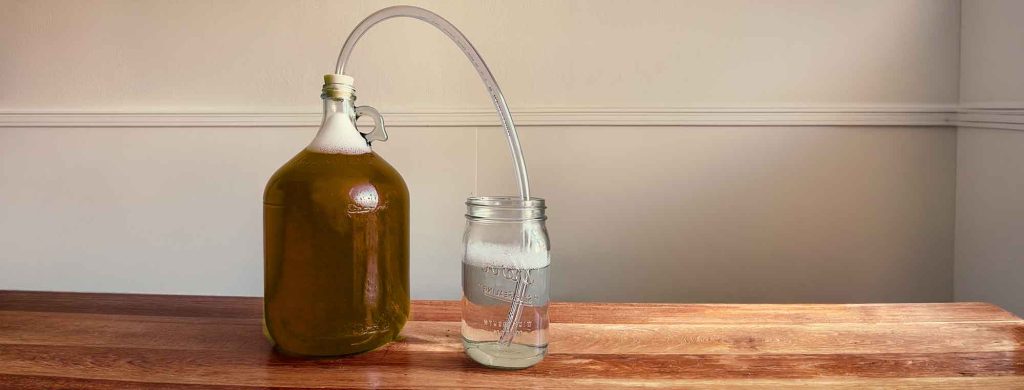
There is no perfect visual test for yeast viability at home. A sealed package within its shelf life, stored correctly, is usually the simplest indicator that the yeast is suitable for use. You can also check for obvious package problems.
Check the package
For dry yeast, look for:
- A sealed package.
- An intact vacuum seal, if the product is vacuum-packed.
- No evidence of moisture entering the package.
- No unusual swelling or damage.
For liquid yeast, check for:
- Leaks.
- Damaged packaging.
- An expiration date that has passed.
- Evidence that the package was stored incorrectly.
A soft or damaged vacuum-packed dry yeast sachet should not be used if the manufacturer says to discard it.
Does bubbling prove the yeast is healthy?
No. Visible activity can show that fermentation is occurring, but it does not measure the number of viable cells or guarantee a successful fermentation.
Similarly, a lack of immediate bubbling does not prove the yeast is dead. Fermentation can take time to become visible. A starter can provide useful information, but the most reliable approach is to use properly stored yeast within its recommended shelf life.
Does Old Yeast Affect Beer and Wine Differently?
The basic biology is the same, but the consequences of poor yeast performance can differ depending on the beverage.
Beer
Beer yeast must ferment malt sugars and produce the flavor profile expected for the style. Old or stressed yeast may start slowly or ferment less predictably. This matters especially for lagers, high-gravity beers, and styles where yeast character is important. For example, a weak pitch of lager yeast can create a long fermentation and may increase the risk of unwanted flavors.
Use a strain suited to your beer style, and pay attention to its pitching rate and temperature requirements.
Wine
Wine yeast often needs to handle high sugar concentrations, low pH, and rising alcohol levels. These conditions can be demanding. A weak pitch may struggle, especially in a high-gravity must.
Fresh yeast is particularly useful when making a high-alcohol wine or fermenting a large batch of juice. Follow the yeast manufacturer’s rehydration instructions, if provided.
Cider
Cider often has fewer nutrients than beer wort. Old yeast may struggle more if it is already low in vitality and the juice provides limited nutrients. Use a suitable cider or wine yeast, manage nutrients when needed, and monitor gravity.
Mead
Honey must is naturally low in yeast-assimilable nitrogen. A weak or aging yeast culture may have a harder time establishing a healthy fermentation. For mead, fresh yeast, an appropriate nutrient plan, and good fermentation conditions are useful safeguards.

How Should You Store Brewing Yeast?
Use these general practices:
- Check the storage instructions on the package.
- Keep yeast away from heat and direct sunlight.
- Protect dry yeast from moisture and oxygen.
- Refrigerate products that require refrigeration.
- Keep liquid yeast refrigerated as directed.
- Do not freeze yeast unless the manufacturer supports that method.
- Label opened packages with the date.
- Use opened yeast promptly.
- Rotate your stock so older packets do not sit forgotten behind newer ones.
If you buy yeast in bulk, store it according to the manufacturer’s guidance and keep a record of purchase dates and expiration dates. A small amount of organization can prevent a brew-day surprise.
Common Mistakes to Avoid
| Mistake | Why it matters |
| Assuming expired yeast is always dead | Some expired yeast remains viable |
| Assuming expired yeast is always fine | Viability and vitality decline with time |
| Storing liquid yeast at room temperature for long periods | Warm storage can shorten useful life |
| Leaving opened dry yeast exposed to air and moisture | This can reduce performance |
| Freezing a yeast pouch without checking instructions | Freezing may damage the culture |
| Using old yeast for a demanding batch without checking it | Poor performance can put the batch at risk |
| Assuming a starter fixes every problem | A starter cannot guarantee a healthy, uncontaminated culture |
| Pitching more yeast to solve every stalled fermentation | Nutrient deficiency, pH, temperature, or alcohol stress may be the real problem |
Bottom Line
Dry brewing yeast can last several years when stored correctly. Liquid beer yeast generally has a much shorter recommended shelf life, often measured in months. Dry wine yeast can also last several years, depending on the product. The printed expiration date matters, but it is not a switch that turns every yeast cell off. Storage conditions, package integrity, and the demands of your recipe all affect performance.
Use fresh yeast when reliability matters. Consider a starter for older liquid yeast when appropriate. Store opened dry yeast carefully and use it promptly.
Most importantly, remember that yeast is a living ingredient. Give it suitable storage, a healthy environment, and a reasonable job to do. Your yeast does not need a retirement party when the best-by date arrives. But if it has been sitting in a hot garage since the last presidential administration, it may be time to let it go.