

Advanced brewing
-

What Is Mash Temperature and Why Does It Matter?
Mash temperature is the temperature of the mixture of crushed grain and brewing water during the mash. It…
-

How Do I Pasteurize Homebrew Safely?
Pasteurization can stop yeast from fermenting the sugar in a sealed bottle. This makes it possible to have…
-

How Do I Clean a Keg?
A keg is easy to clean if you clean it after every batch. The basic process is: The…
-

What Is SRM and How Does It Measure Beer Color?
SRM stands for Standard Reference Method. It is a measurement used to describe the color of beer. The…
-

How Do I Improve My Mash Efficiency?
If your recipe says you should get an original gravity of 1.050, but your wort comes out at…
-

How to Add Oak to Your Mead or Beer
Oak is one of the easiest ways to change the character of a beer or mead. A small…
-

How Do I Force Carbonate Homebrew?
Force carbonation is the fastest way to carbonate beer, cider, mead, or wine. Instead of adding sugar and…
-

TOSNA: How to Use the Staggered Nutrient Method for Mead
TOSNA stands for Tailored Organic Staggered Nutrient Addition. It is a nutrient management method for mead. Instead of…
-

How to Ferment Beer, Wine, Mead, and Cider in a Barrel
Barrel fermentation can produce flavors that are difficult to create in a glass carboy, bucket, or stainless-steel fermenter.…
-
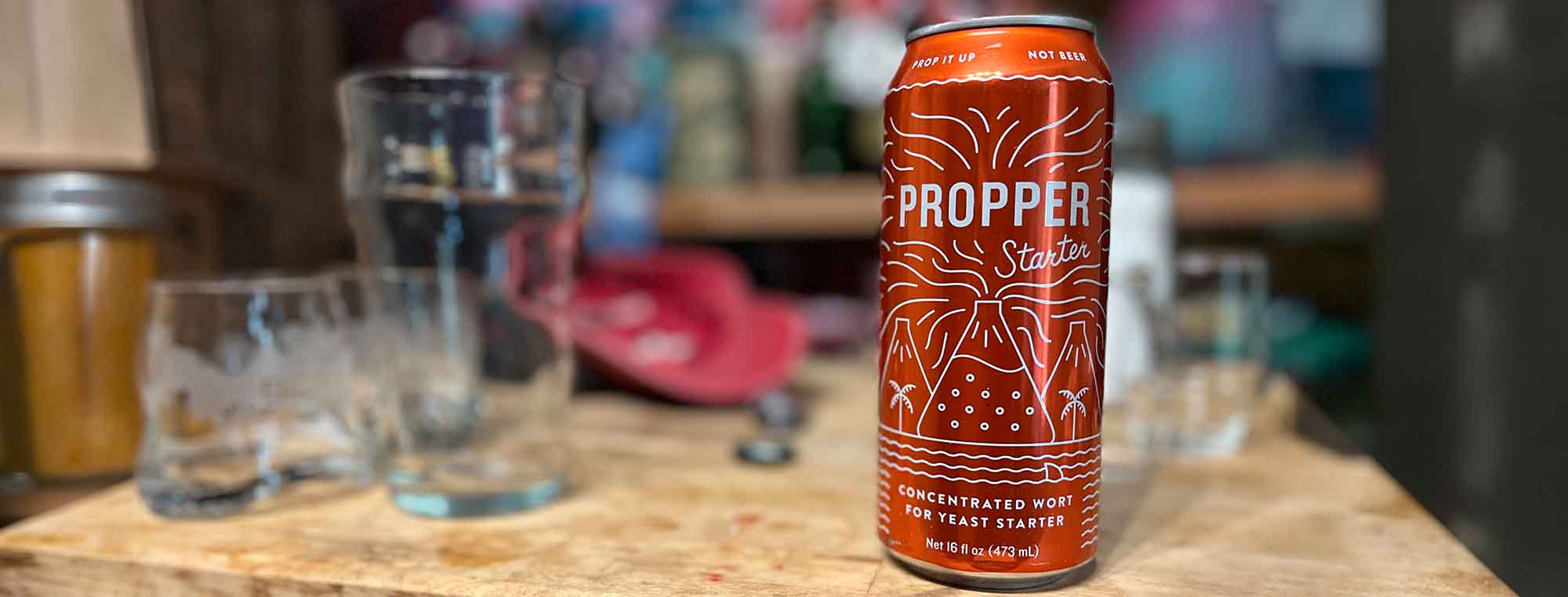
Homebrewing Yeast Starters: Every Method Explained
A yeast starter is a small amount of prepared wort or must that you use to grow or…

BC Phillips
I’m BC, a longtime homebrewer and YouTube content creator who teaches all things beer, mead, wine, and cider. Hopefully you find the info on this site useful!
Must Read

Check out my free mead-making ebook!