
Oak is one of the easiest ways to change the character of a beer or mead.
A small amount of oak can add vanilla, spice, toast, coconut, caramel, smoke, or other wood-derived flavors. It can also add tannin and change the mouthfeel. You do not need a 30+ gallon oak barrel to get these effects.
Homebrewers can use:
- Smaller 1 to 5 gallon barrels
- Staves
- Spirals
- Cubes
- Spheres
- Chips
- Oak powder
Each format works a little differently.
The main difference is how much oak surface touches the beer or mead and how quickly the wood compounds move into the drink.
What Does Oak Do?
Oak contributes several groups of compounds to beer and mead. The exact result depends on the species of oak, how the oak was prepared, how much you use, and how long the beer or mead stays in contact with it.
Oak can add:
- Vanilla
- Toast
- Caramel
- Coconut
- Spice
- Smoke
- Char
- Wood
- Tannin
- Astringency
- Mouthfeel
Oak can also change the way existing flavors are perceived.
For example, a dry traditional mead can taste more structured after oak aging. A strong stout can develop additional vanilla and toast character. A bourbon-barrel-style beer can take on both oak character and the flavors left in the barrel.
Oak is therefore more than a flavoring ingredient. It is also a way to change the structure and character of the finished drink.
What Is Tannin Doing?
Oak contains tannins. Tannin can contribute structure and a drying sensation to beer and mead. A small amount can make a drink feel more substantial. But too much can make it feel harsh, bitter, or excessively drying.
This is especially important with mead. Honey contains very little tannin compared with grape skins and seeds. A traditional mead can therefore have plenty of alcohol and acidity but still lack some of the structure that you might expect from a red wine.
Oak can help fill that gap.
Beer already has several sources of structure, including malt, hops, alcohol, and bitterness. Oak can add another layer of structure, but too much can fight with the existing bitterness.
Related: What is Tannin and how do I use it?
Oak Flavor Comes From More Than Tannin
Tannin gets a lot of attention, but it is only part of the story. Oak contains many compounds that affect flavor and aroma. Vanillin can contribute vanilla character. Oak lactones can contribute woody, coconut-like, or sweet aromas.
Toasting changes the chemical composition of the wood and changes the flavors that it can contribute. This is why two pieces of oak can produce very different results.
A lightly toasted oak product can taste different from a heavily toasted product. American oak can also produce a different character from French or Hungarian oak.
American Oak vs. French Oak
The two most common oak types used by homebrewers are American oak and French oak. American oak is often associated with stronger vanilla and coconut-like character. French oak is often associated with more subtle spice, toast, and tannin.
These are useful generalizations, not rules.
The actual result depends on the specific oak, the toast level, the source of the wood, and the contact time. You can also find oak from other species and regions.
If you are buying oak for a recipe, pay attention to both the oak type and the toast level.
What Does Toast Level Mean?
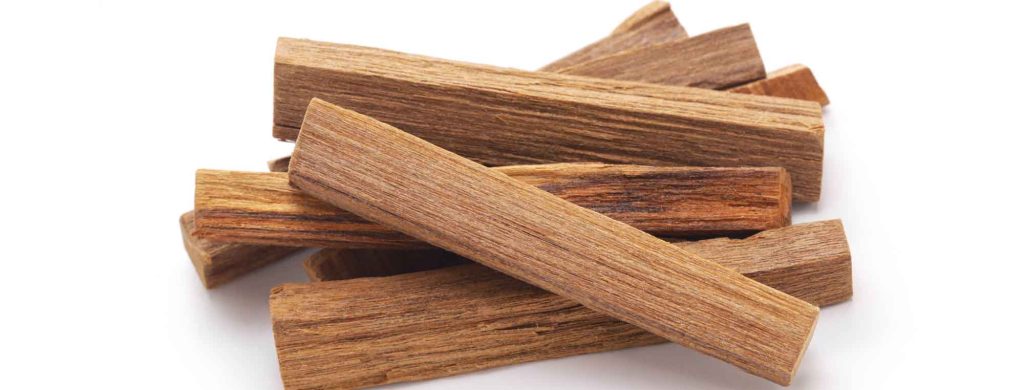
Oak is normally heated before it is used for wine and beer aging. This is called toasting.
Common toast levels include:
- Light toast
- Medium toast
- Medium-plus toast
- Heavy toast
Toasting changes the compounds in the wood.
As a general guide:
- Light toast can provide more fresh wood and tannin character.
- Medium toast can provide vanilla, toast, caramel, and spice character.
- Heavy toast can provide deeper toast, smoke, roast, and char-like character.
The exact result depends on the oak product. Treat toast level as a starting point, not a guarantee.
Oak Barrels
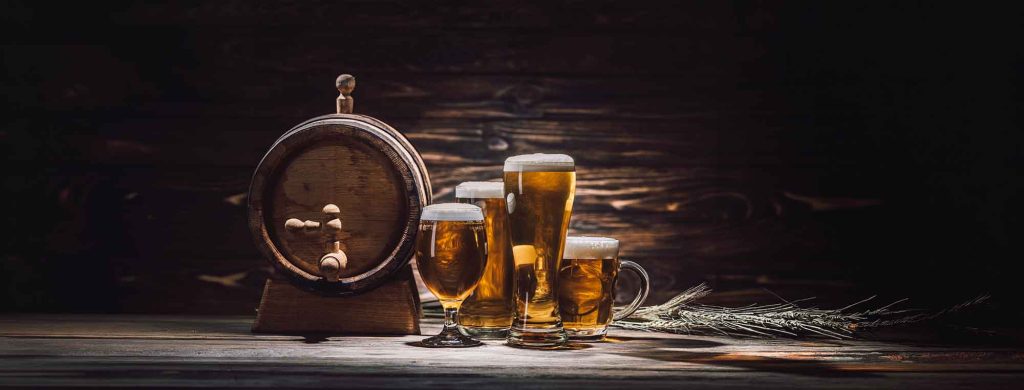
A barrel is the traditional way to age beer, wine, and spirits with oak. The beer or mead sits inside an oak vessel and remains in contact with a large amount of wood.
A barrel can provide oak flavor while also allowing slow oxygen transfer through the wood. A used spirit barrel can provide another layer of flavor. For example, a bourbon barrel can contribute bourbon character in addition to the oak character.
The advantages of barrels
Barrels provide:
- Traditional oak aging
- Complex oak extraction
- Slow oxygen exposure
- Large amounts of wood contact
- Possible spirit character from used barrels
The disadvantages
Barrels are expensive and require more work. They can also be difficult to manage.
A small homebrew barrel has a high wood-to-beer ratio compared with a commercial barrel. This means a small barrel can extract oak flavor very quickly. A barrel also needs to stay full enough to limit excessive oxygen exposure.
Cleaning and storage are important. A neglected barrel can develop microbial contamination. For most homebrewers, a barrel is not the easiest or most practical way to start using oak.
Oak Staves
Oak staves are pieces of oak designed to provide a large amount of wood contact without requiring a barrel. They are often placed directly into a fermenter, keg, or aging vessel.
Staves can provide relatively fast extraction because they have a large surface area. They are useful when you want strong oak character without buying a barrel. Some staves are also designed to simulate specific barrel-aging conditions.
Follow the manufacturer’s recommended dosage and contact time.
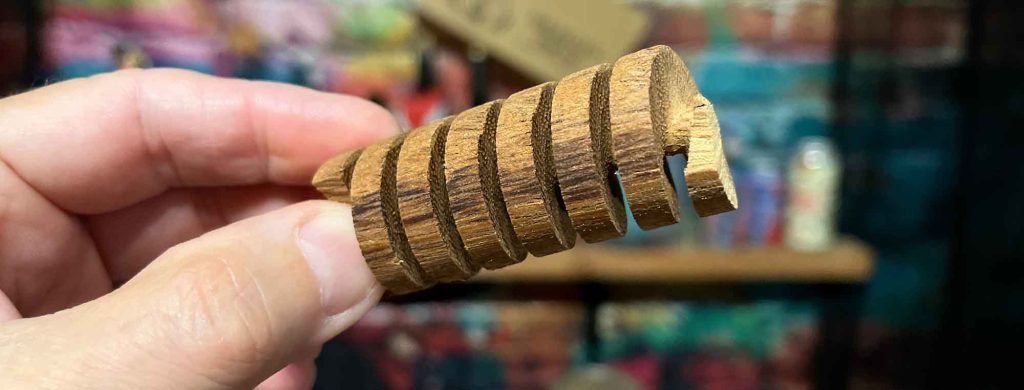
Oak Spirals
Oak spirals are long pieces of oak that have been cut into a spiral shape. The spiral exposes a large amount of oak surface to the beer or mead. This gives you relatively fast extraction while using a simple piece of wood.
Spirals are popular because they are easy to use in a carboy or keg. They also take up less space than many larger oak products.
If you want to experiment with oak without committing to a barrel, spirals are a practical option.
Oak Cubes
Oak cubes are small pieces of oak. They have less surface area than chips of the same weight.
This means extraction is generally slower. But that can be useful. Slower extraction gives you more time to taste the beer or mead and remove the oak when the flavor reaches the level you want.
Cubes are especially useful for longer aging. They are also easy to add to a carboy, keg, or other aging vessel.
If you want gradual oak extraction, cubes are one of the easiest formats to work with.
Oak Spheres
Oak spheres are pieces of oak shaped into balls. They are similar to cubes in that they provide a relatively slow extraction compared with thin chips.
Their shape gives them a lower surface-area-to-volume ratio than many thin oak products. Oak spheres can be useful when you want a slow, controlled extraction and do not want to use a barrel.
They are also easy to remove from a vessel when the beer or mead reaches the desired level of oak character.
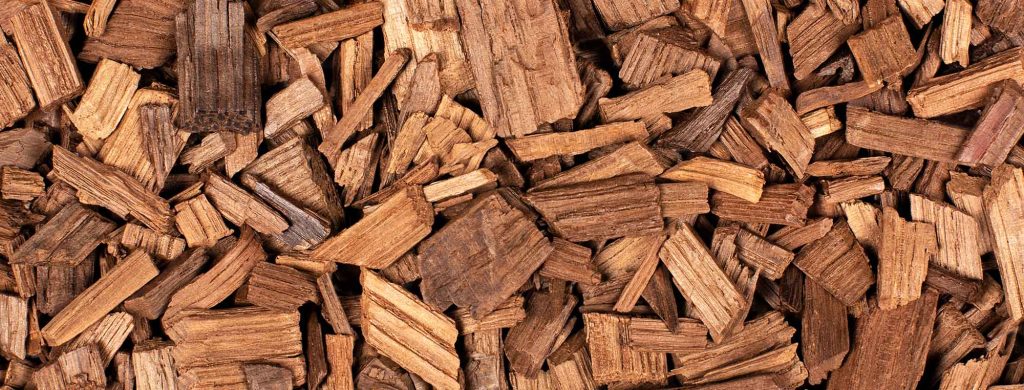
Oak Chips
Oak chips are thin pieces of oak. They have a large surface area relative to their weight. This means they extract quickly.
That can be useful when you want noticeable oak character without waiting months. It also makes chips easy to overdo. A beer or mead can move from “pleasantly oaky” to “this tastes like a lumber yard” faster than you might expect.
If you use chips, start with a conservative amount and taste frequently. Chips are often a good choice when you want a shorter contact time.
Oak Powder
Oak powder is finely ground oak. It has a very large surface area. This means it can extract very quickly.
Oak powder is useful when you want to add oak-derived compounds without putting large pieces of wood into the fermenter. It can also be useful when making a very small adjustment.
The problem is that powder gives you less control over extraction time. There is a lot of surface area available immediately. For this reason, oak powder is better suited to controlled additions than long-term aging.
It can also be difficult to separate from the finished beer or mead. Follow the product instructions closely.
Which Oak Format Should I Use?
There is no single best oak format.
Choose the format based on how quickly you want extraction to occur and how much control you want over the process.
| Oak format | General extraction speed | Good use |
| Barrel | Slow to moderate | Long-term aging and complex barrel character |
| Staves | Moderate to fast | Strong oak character without a barrel |
| Spirals | Moderate | Easy homebrew oak aging |
| Cubes | Slow | Longer aging and gradual extraction |
| Spheres | Slow | Gradual extraction |
| Chips | Fast | Shorter aging periods |
| Powder | Very fast | Small, controlled additions |
These are general comparisons. The actual extraction rate depends on the oak, toast level, amount used, beer or mead composition, temperature, and contact time.
How Much Oak Should I Use?
This is where you should resist the temptation to copy a random number from the internet.
Oak products vary.
A manufacturer may recommend a dose in grams per gallon, grams per liter, or another measurement. Start at the low end of the recommended range. You can always add more oak.
Removing oak flavor from a finished beer or mead is much more difficult if not impossible without dilution. The safest approach is to treat oak as an ingredient that you can adjust.
Start With a Small Batch
If you have never used a particular oak product, try it in a small test batch. This lets you learn how that particular oak tastes.
You can also make a bench trial.
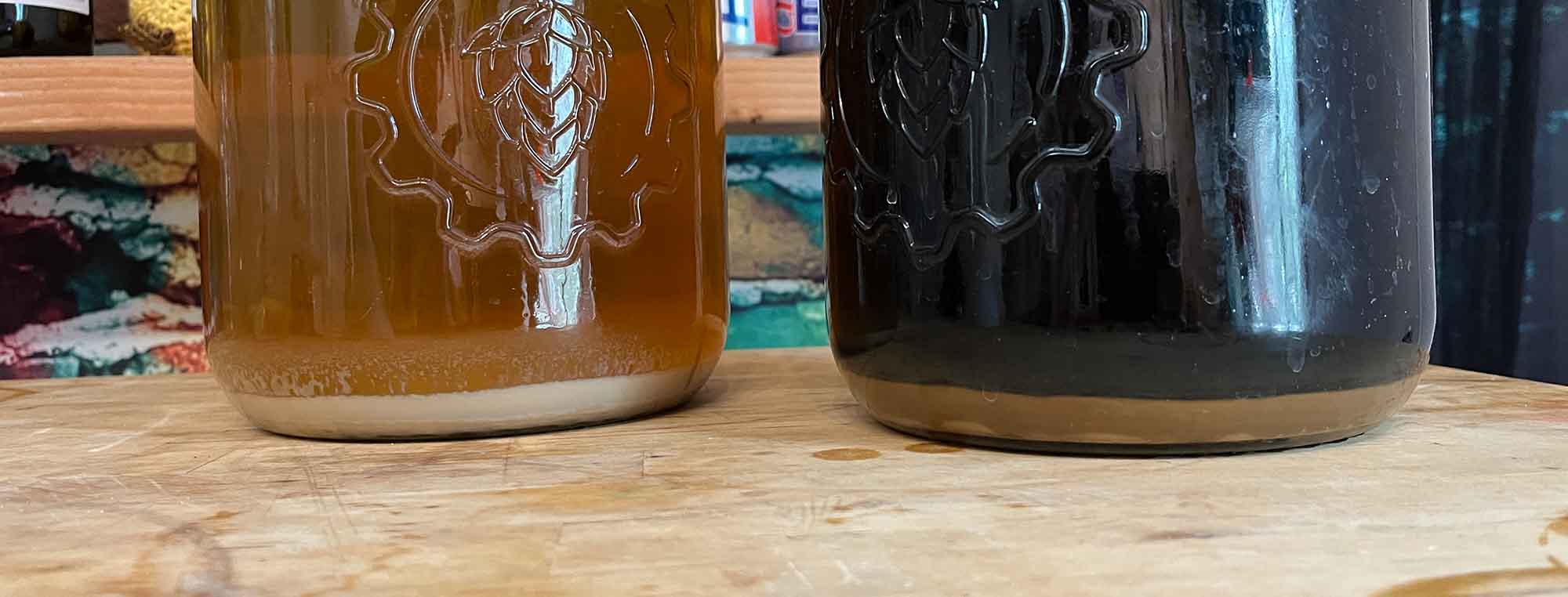
Take several samples of the finished beer or mead. Add different amounts of an oak extract or oak-treated sample to each mason jar. Compare the results over several days or weeks.
This can help you determine how much oak character you actually want before you treat the entire batch.
How Long Should I Leave Oak In?
There is no universal answer.
Chips may extract useful amounts of flavor in days or weeks. Cubes can work over weeks or months. A barrel can be used for much longer periods.
But you should not use time alone to decide when to remove oak.
Taste the beer or mead.
When the oak character reaches the level you want, remove the oak. This is especially important with high-surface-area products such as chips and powder.
Temperature also matters. A warm fermenter can extract compounds faster than a cold aging vessel.
Should I Add Oak During Fermentation?
You can. You can also add oak after fermentation.
The best choice depends on the result you want. Adding oak during fermentation can integrate the oak with the developing beer or mead. Adding oak after fermentation gives you more control over the finished flavor.
Post-fermentation additions are especially useful when you want to make small adjustments. You can taste the finished drink, decide that it needs more structure or oak character, and then make a controlled addition.
Should I Sanitize Oak?
Oak intended for brewing should be purchased from a reputable brewing or winemaking supplier. Do not assume that soaking oak in sanitizer is always the correct preparation. And definitely don’t just grab some random wood from the hardware store – even if it says something like “From authentic Jack Daniels barrels.” Those chips are for smoking meats and you have no idea what’s been on the outside of that barrel.
Some brewers boil oak. Others steam it. Some soak it in spirits. Some just throw it right in without any treatment.
Some of these methods can change the flavor of the oak. They can also remove some compounds that you wanted from the oak in the first place.
If the manufacturer provides preparation instructions, follow them. Used barrels require a different cleaning and sanitation process from a new bag of oak cubes.
Can I Soak Oak in Bourbon?
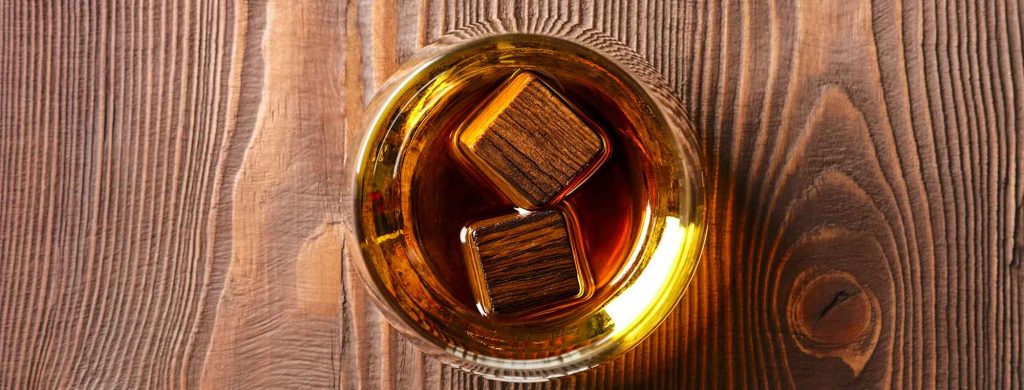
Yes. This is a common technique for beer and mead.
You can soak oak in bourbon or another spirit before adding the oak to the fermenter. This can give you both oak and spirit character.
It is particularly useful for styles such as:
- Imperial stout
- Barrel-aged porter
- Bourbon mead
- Dessert mead
- Strong dark ale
Remember that the spirit becomes part of the flavor. You are not simply sanitizing the oak. You are creating a flavor addition.
Can I Use Oak in Mead?
Absolutely.
Oak can work particularly well in mead because honey provides a relatively delicate base for oak flavors. Oak can add structure to a traditional mead. It can also complement fruit, caramel, vanilla, spice, and dark honey flavors.
For example:
- Oak + traditional mead can add structure and complexity.
- Oak + vanilla can reinforce dessert-like character.
- Oak + dark honey can complement caramel and molasses notes.
- Oak + bourbon can create a spirit-style mead.
- Oak + fruit can add structure to a fruit mead.
Use restraint. Mead does not need to taste like a piece of furniture to benefit from oak.
New to mead? Check out our free 120-page book on all things mead-making!
Can I Use Oak in Beer?
Yes. Oak can work with many beer styles.
Common examples include:
- Stout
- Porter
- Barleywine
- Old ale
- Belgian strong ale
- Saison
- Sour beer
- Imperial stout
- Strong brown ale
Oak can also be used with lighter beers. However, the oak character should match the beer.
A delicate lager will be overwhelmed by the same oak addition that works well in an imperial stout.
Do I Need a Barrel?
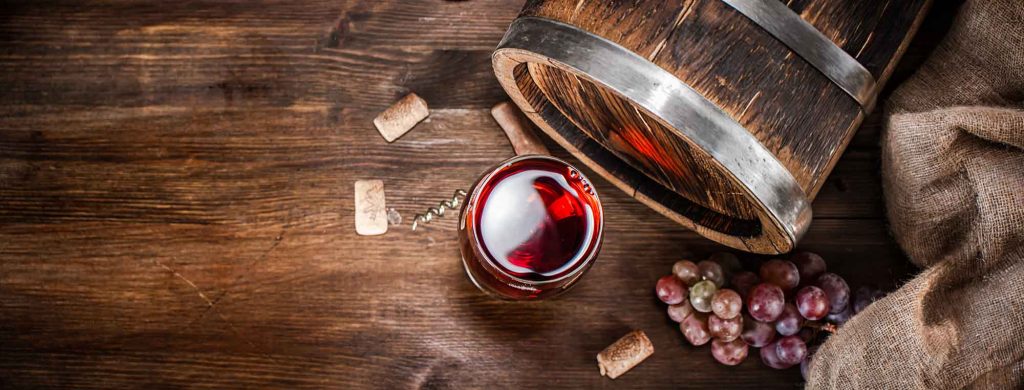
No. This is one of the most important things to understand about oak aging.
A barrel is only one way to use oak. For most homebrewers, cubes, spirals, staves, chips, or spheres are much easier.
- They are less expensive.
- They require less equipment.
- They are easier to remove.
You can also control the amount of oak much more easily. A barrel is useful when you specifically want the experience and characteristics of barrel aging. You do not need one simply because you want oak flavor.
A Simple Oak-Aging Process
For a first experiment, keep it simple.
- Choose an oak product.
- Choose the oak type.
- Choose the toast level.
- Follow the manufacturer’s dosage recommendation.
- Start at the low end of the recommended range.
- Add the oak to your beer or mead.
- Keep the vessel sealed.
- Taste the beer or mead regularly.
- Remove the oak when the flavor reaches the level you want.
- Allow the beer or mead to finish aging before packaging.
Do not wait for the beer or mead to become aggressively oaky. Oak character can integrate and soften after the oak is removed.
A batch that tastes heavily oaked immediately after removal may taste more balanced after additional aging.
The Bottom Line
Oak can add much more than tannin. It can add vanilla, toast, spice, coconut, caramel, smoke, and other flavors. It can also change mouthfeel and add structure.
You do not need a barrel to get these effects.
- Chips and powder extract quickly.
- Cubes and spheres extract more slowly.
- Spirals and staves provide larger amounts of surface area without requiring a barrel.
- Barrels provide oak contact plus the unique effects of aging inside a wooden vessel.
For a first batch, start small. Use the manufacturer’s recommended dosage. Taste the beer or mead regularly.
And remove the oak when the flavor is where you want it. And remember the most important rule of oak aging: you can always add more oak. Getting oak back out is basically impossible.