
Tannin is one of the main things that gives some wines their structure.
If you have ever tasted a big red wine and felt a dry, slightly rough sensation on your tongue and gums, you have experienced tannin.
Tannin is not the same as acidity. It is not the same as bitterness. It is not the same as alcohol. It is its own part of the wine.
For home winemakers, powdered tannin gives you a simple way to add some of this structure to wines that do not get enough tannin from their ingredients. This can be especially useful for fruit wines, country wines, mead, cider, and other wines made without a large amount of grape skin and seed contact.
What Is Tannin?
Tannins are a group of naturally occurring polyphenolic compounds.
They are found in many plants. Grapes contain tannins. Oak contains tannins. Tea contains tannins. Many fruits, nuts, seeds, bark, and other plant materials also contain tannins.
In wine, tannin can affect:
- Mouthfeel
- Structure
- Perceived dryness
- Bitterness
- Astringency
- Color stability
- Aroma
- Aging
- Oxidation
The exact effect depends on the type of tannin and what else is present in the wine. Tannins can react with other compounds in wine, so the same amount of tannin does not always produce the same result.
This is one reason winemakers use different types of tannin for different jobs.
Where Does Tannin Come From in Wine?
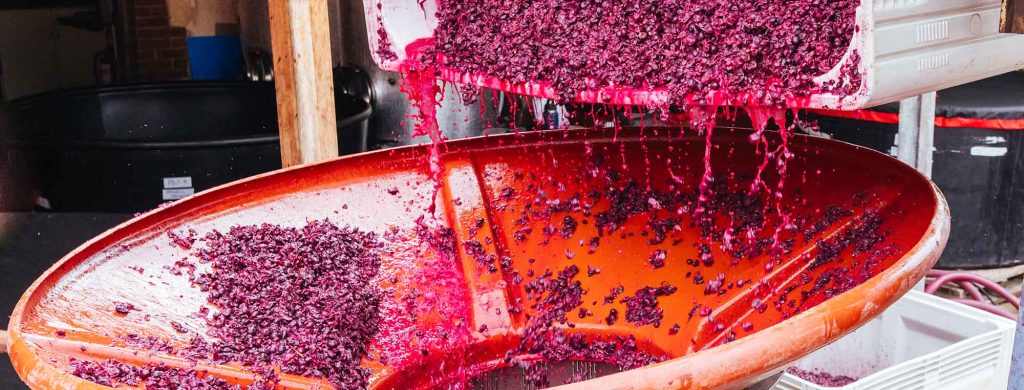
Traditional grape wine gets tannin from the grapes themselves. The largest sources are the grape skins, seeds, and stems. Red wine usually contains more tannin because red wine is fermented with the grape skins for a period of time. This allows compounds from the skins and seeds to move into the wine. The amount of tannin depends on the grape variety and the winemaking process. Skin and seed contact can produce a very different wine from a wine made from juice alone.
Oak is another important source. When wine ages in oak, tannins from the wood can move into the wine. Oak also contributes other compounds that can add flavors and aromas such as vanilla, spice, toast, coconut, caramel, and other wood-derived notes. This is why oak aging and tannin additions are related, but they are not exactly the same thing.
Modern winemaking also uses purified tannin products. These can come from grapes, oak, chestnuts, gallnuts, Tara, and other plant sources. Different products are selected for different effects.
What Does Tannin Do to Wine?
Tannin Adds Structure
Think of structure as the framework of the wine.
A wine with very little tannin can taste thin or flat even when the alcohol and acidity are correct. Tannin can give the wine more presence on the palate. This does not mean that more tannin is always better.
Too little tannin can make a wine seem weak. Too much tannin can make a wine seem harsh, bitter, or excessively dry.
The goal is balance.
Tannin Creates Astringency
Astringency is the drying or puckering sensation that tannin can produce.
This is very different from sweetness. A wine can contain a lot of residual sugar and still have a strong tannin sensation.
The classic example is a young, tannic red wine. The wine may taste fruity, but your mouth can still feel dry after you swallow it.
Tannin Can Affect Bitterness
Tannin can contribute some bitterness. However, the terms bitter and astringent should not be treated as synonyms.
Bitterness is a taste. Astringency is mainly a tactile sensation.
Tannin can contribute to both.
Tannin Can Help With Aging
Tannin is also important during wine aging.
Tannins can react with pigments and other compounds in wine. These reactions can change the way the tannin feels over time and can contribute to the evolution of color and structure.
This is one reason tannin is an important part of traditional red winemaking. Commercial winemakers can use tannin additions for antioxidant protection, color stability, structure, mouthfeel, and aroma.
Why Do Home Winemakers Use Powdered Tannin?
Here is where things get more useful for the home winemaker.
Many home wines do not have enough natural tannin. Consider a simple wine made from grocery store apple juice. The juice may contain some tannin, but you are not fermenting it with grape skins and seeds. You are also likely not aging it in an oak barrel.
The finished wine can therefore lack some of the structure found in traditional grape wines.
The same problem can occur with:
- Apple cider
- Pear wine/perry
- Peach wine
- Strawberry wine
- Blueberry wine
- Many other fruit wines
- Some meads
- Wines made from juice or concentrate
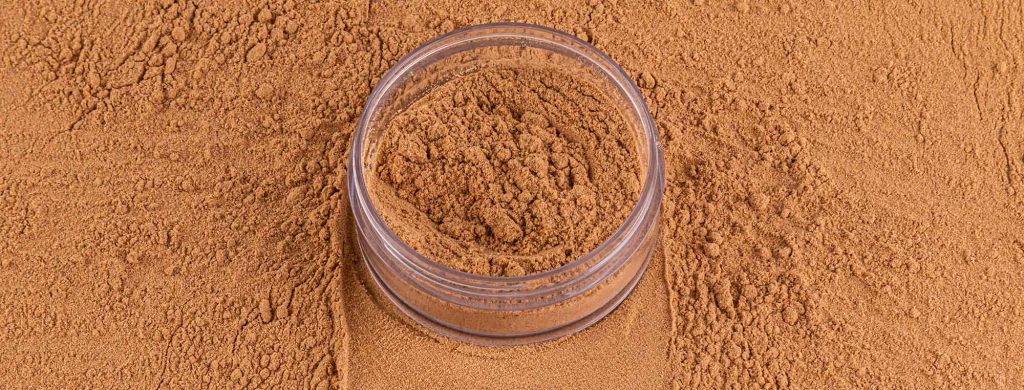
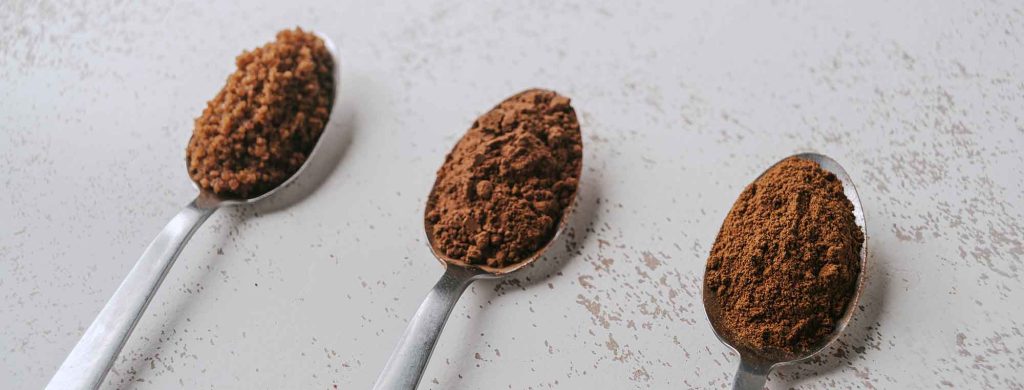
Powdered wine tannin gives you a controlled way to add tannin without adding a large amount of another ingredient.
- You do not need to add grape skins.
- You do not need an oak barrel.
- You do not need to make a gallon of tea.
You can add a measured amount of tannin directly to the wine. That makes powdered tannin a useful tool for home winemaking.
How Much Tannin Should I Add?
There is no single correct amount.
Different tannin products have different compositions and different recommended doses.
Commercial wine tannins are often used at rates measured in grams per hectoliter or parts per million. For example, one commercial tannin product lists 5–20 g/hL for fruit wine, cider, and mead. Other products have different recommended ranges.
For home winemaking, this means you should follow the instructions for your specific tannin product. Do not assume that every bag of tannin has the same strength.
For a new wine, start low. You can always add more tannin. You cannot easily remove an excessive tannin addition, though gelatin finings can remove some.
Use a Bench Trial
A bench trial is the best way to determine how much tannin your wine needs.
Take several small samples of the finished wine. For example, you could prepare several 100 mL samples. Add different amounts of a properly diluted tannin solution to each sample. Keep one sample untreated. Then compare them.
You may find that:
- The untreated sample tastes thin.
- A small tannin addition adds structure.
- A larger addition tastes more balanced.
- An even larger addition tastes harsh and drying.
This gives you a much better idea of what the full batch needs.
Commercial winemakers use bench trials for the same reason. Commercial tannin products commonly recommend bench trials before making the full addition.
How Do I Add Powdered Tannin?
Do not dump a spoonful of dry tannin into a carboy and hope it dissolves – unless you’re adding it to primary.
Instead, dissolve the tannin first.
A common method is to mix the tannin with approximately 10 times its weight in warm water. Commercial tannin instructions commonly use water around 95–104°F (35–40°C) for this purpose.
For example:
- Measure the required tannin.
- Measure approximately 10 times that weight in warm water.
- Mix until the tannin is dissolved.
- Add the solution to the wine.
- Mix the wine thoroughly.
- Allow the wine time to integrate before deciding if more tannin is needed.
Do not use boiling water. You do not need to heat the wine. The warm water is only for preparing the tannin solution.
If you choose not to dissolve the tannin, it will eventually infuse over time. But if you’re looking for quick results, dissolving it is the way to go.

When Should I Add Tannin?
This depends on the tannin product and the result you want.
Some tannins are intended for fermentation. Others are intended for aging. Some are designed as finishing tannins that can be added shortly before packaging.
This is important because tannin does not always behave the same way at every stage of winemaking.
Some commercial tannins are recommended several weeks before bottling. Others are designed for final adjustments only a few days before packaging.
For a home winemaker, the simplest rule is: read the instructions for the tannin you have.
If you are using tannin to correct the structure of a finished wine, make a small bench trial first. If the product is intended for fermentation or aging, follow its recommended addition stage.
Can I Use Tea Instead?
Yes. Tea contains tannins and other compounds that can affect the flavor and mouthfeel of wine. Black tea is a common home winemaking ingredient because it provides tannin without requiring a specialized wine additive.
The problem is control.
Tea does not contain only tannin. It also contains compounds that affect flavor, aroma, color, and bitterness. This can be useful if you want those characteristics, but it can also be a problem if you only want to increase tannin.
For example, adding black tea to a delicate peach wine can add tannin, but it can also add a noticeable tea character. Powdered wine tannin is usually a better choice when you want to change tannin without adding a new flavor. Tea can still be a good option for rustic fruit wines and experimental batches.
What About Oak?
Oak is another excellent source of tannin.
You can use:
- Oak cubes
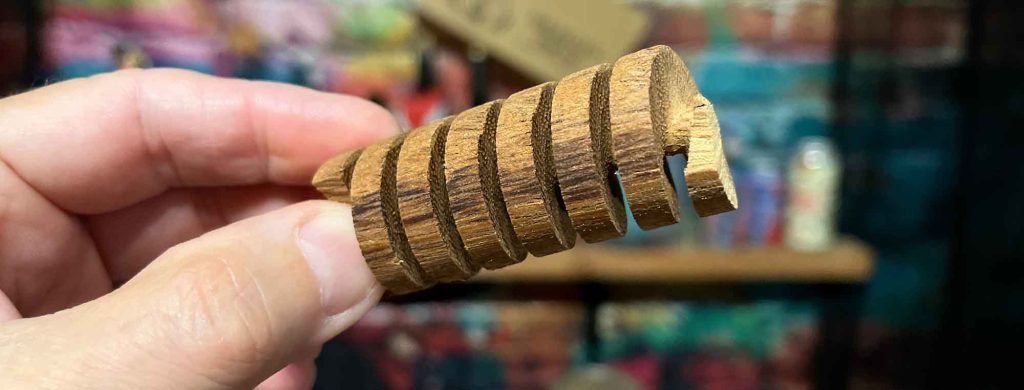
- Oak spirals
- Oak chips
- Oak staves
- Oak barrels
Oak provides more than tannin. It can also contribute wood-derived flavors and aromas.
Depending on the oak and treatment, this can include vanilla, toast, spice, coconut, caramel, smoke, and other characteristics. Oak is therefore useful when you want both tannin and oak character. It is not always the best choice when you only want more tannin.
Oak also takes time. A piece of oak sitting in a gallon of wine is not the same process as adding a small amount of powdered tannin. The extraction continues over time, and the flavor can change as the wine ages.
What About Grape Skins and Seeds?
If you are making wine from actual grapes, grape skins and seeds are natural sources of tannin. This is one reason traditional red winemaking can produce tannic wines without adding powdered tannin.
You can also find commercial tannin products made from grape skins and seeds.
These products allow a winemaker to add grape-derived tannin without having to manage grape solids in the fermenter. Some commercial products combine grape tannins with oak or other tannin sources to produce a specific effect. For most small home batches, however, powdered tannin is much easier to control.
Can I Use Fruit to Add Tannin?
Yes, but this is usually less precise.
Some fruits contain useful amounts of tannin. Blackberries, cranberries, grapes, and some other fruits can contribute tannin. This is one reason a fruit wine can have a very different mouthfeel from another wine made with a similar amount of sugar and acid. Fruit selection, fruit variety, ripeness, and processing all affect the result.
If you are designing a recipe, you can use a tannin-containing fruit as part of the recipe. If you are correcting an existing wine, a measured tannin addition is usually easier.
Powdered Tannin vs. Other Sources
| Source | Main advantage | Main disadvantage |
| Powdered wine tannin | Precise and easy to measure | Can be easy to overdo |
| Tea | Cheap and easy to find | Adds tea flavor and other compounds |
| Oak | Adds tannin plus oak character | Requires time and adds flavor |
| Grape skins | Natural grape tannin | Requires grape material |
| Grape seeds | Strong tannin source | Can add harsh bitterness |
| Tannin-rich fruit | Adds tannin as part of the recipe | Difficult to control tannin level |
The best option depends on what you are trying to accomplish.
When Should I Add Tannin to My Wine?
You should not automatically add tannin to every wine. Instead, taste the wine.
Ask:
- Does it taste thin?
- Does it lack structure?
- Does it feel flat despite having enough acidity and alcohol?
- Would a little more dryness or grip improve the wine?
If the answer is yes, tannin may help. If the wine already tastes harsh, bitter, or aggressively drying, adding more tannin is probably not the solution.
Tannin is a balancing tool. It is not a required ingredient.
A Simple Starting Point
For a typical one-gallon fruit wine, cider, or mead, the safest approach is to start with the manufacturer’s low recommended dose. Do not blindly copy a teaspoon measurement from another recipe.
Different tannin products can have very different strengths.
Instead:
- Check the product label.
- Convert the recommended dose to your batch size.
- Make a small bench trial.
- Start with the low end of the range.
- Taste the treated sample.
- Increase the dose only if necessary.
- Add the selected amount to the full batch.
- Mix well.
- Allow the wine to integrate before making another adjustment.
This approach gives you control without guessing.
The Bottom Line
Tannin is much more than the thing that makes red wine dry. It is a major part of wine structure and can affect mouthfeel, astringency, bitterness, aroma, color stability, oxidation, and aging.
Traditional wine gets tannin from grape skins, seeds, stems, and oak. Modern winemakers can also use purified tannin products from sources such as grapes, oak, chestnuts, gallnuts, and other plants.
Home winemakers often use powdered tannin because it is simple and controllable. Tea, oak, grape material, and tannin-rich fruit can all provide tannin too. They also bring other compounds into the wine. If you only want to increase structure, powdered wine tannin is usually the simplest tool.
Start with a small amount. Make a bench trial. Taste the result.
Then add only as much as the wine needs.