Yes. You can reuse beer bottles for homebrew. But the rest of the answer is more nuanced.
Commercial beer bottles can be an excellent choice for homebrewing and reusing bottles can save money. It also keeps bottles out of the trash or recycling system. However, not every bottle is suitable for homebrew.
The bottle must be:
- Designed to hold carbonated beer
- In good condition
- Clean
- Able to accept a suitable closure
- Free from cracks and chips
The easiest bottles to reuse are standard non-screw-top glass beer bottles.
What Beer Bottles Can I Reuse?
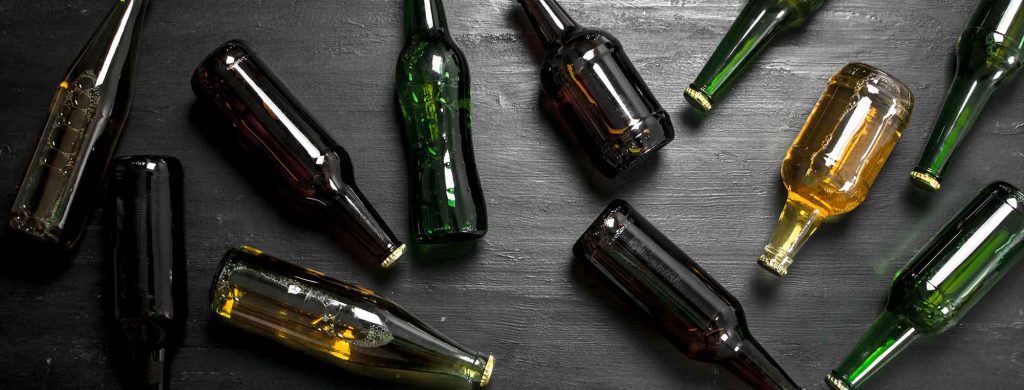
Many standard glass beer bottles work well.
Good choices include bottles with:
- Pry-off caps
- Thick glass
- Standard beer bottle openings
- No cracks or chips
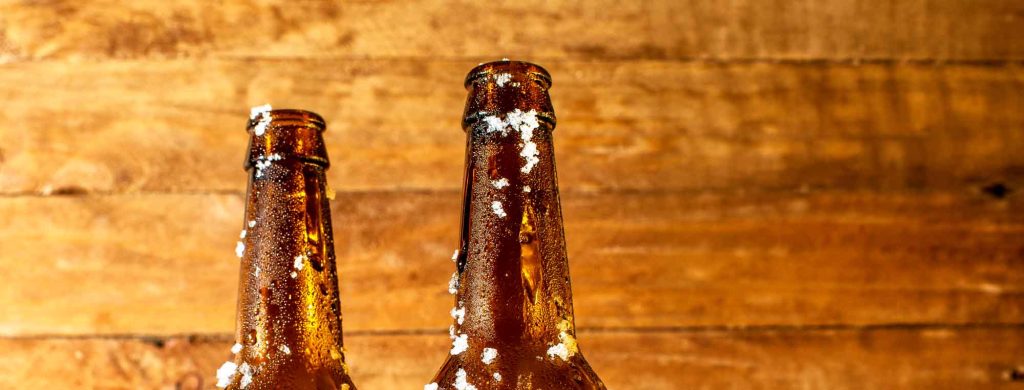
Brown glass bottles are often preferred because they help protect beer from light.
Green and clear bottles can also hold beer, but they provide less protection from light.
Can I Reuse Brown Beer Bottles?
Yes. Brown bottles are an excellent choice for homebrew. Brown glass blocks much of the ultraviolet and visible light that can cause beer to develop a skunky flavor. For most homebrew, brown bottles are the simplest choice.
Can I Reuse Green Beer Bottles?
Yes. Green glass can hold carbonated beer. However, green glass provides less protection from light than brown glass.
Keep green bottles away from sunlight and strong indoor light.
Can I Reuse Clear Beer Bottles?
Yes, but they have the same light problem. Clear glass provides very little protection from light.
This does not make the bottle unsafe but it can affect the beer. Keep clear bottles in a dark place.
What Is a Skunky Beer?
Light can react with certain hop compounds. This reaction can create compounds that produce a skunky aroma. This is called lightstruck flavor.
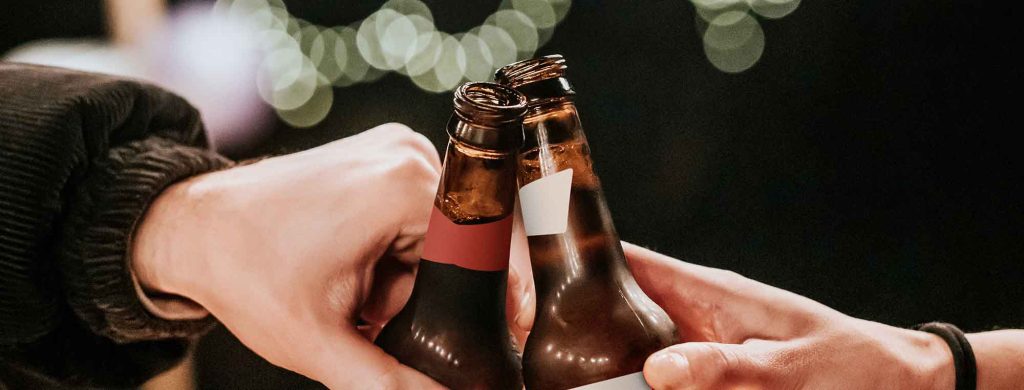
The problem is not the color of the bottle alone. Exposure to light is the problem – especially in the presence of Vitamin B, which is prominent in beer. Brown bottles reduce this risk significantly.
Can I Reuse Screw-Top Beer Bottles?
Usually, no.
Some screw-top bottles are designed for reuse. Many are not designed for repeated bottle conditioning. The neck and closure system may not provide the same seal as a standard reusable beer bottle. For a beginner, use pry-off beer bottles designed for crown caps.
What About Twist-Off Bottles?
Twist-off bottles are different from standard pry-off bottles. They use a bottle designed for a specific cap and sealing system.
Some homebrewers reuse them successfully. However, they are generally not the best choice for a beginner. Choose bottles designed for crown caps and bottle conditioning.
Can I Reuse Champagne Bottles?
Some champagne-style bottles are suitable for carbonated beverages.
However, not every champagne bottle is appropriate for homebrew. Bottle shape and closure type matter. If you use champagne-style bottles, verify that they are designed for pressure and use the correct closure.
Do not assume that any glass bottle that once contained a carbonated beverage is suitable.
Can I Reuse Wine Bottles?
For still products, yes.
But standard wine bottles are not designed for the same internal pressure as carbonated beer bottles. Do not use ordinary wine bottles for bottle-conditioned beer. This includes bottles that appear thick or heavy. Use bottles specifically designed to hold carbonated beverages.
Can I Reuse Liquor Bottles?
If it’s all you’ve got, yes – if you’re making an uncarbonated drink.
Most liquor bottles are designed for still beverages. They are not designed to contain the pressure produced during bottle conditioning, so do not use them for carbonated beer.
Can I Reuse Plastic Soda Bottles?
Some plastic bottles designed for carbonated beverages can be used for certain homebrewing applications.
They can be useful for:
- Small experimental batches
- Checking carbonation
- Temporary storage
However, standard beer bottles are a better long-term option for most homebrew. Plastic also allows more oxygen transfer than glass.
How Do I Know If a Bottle Is Safe?
Start with the bottle’s original purpose.
A bottle that previously held:
- Beer
- Carbonated cider
- Carbonated soft drinks
is more likely to be designed for pressure.
A bottle that held:
- Wine
- Liquor
- Juice
- Still water
should not automatically be considered suitable for bottle conditioning.
When in doubt, do not use it.
Why Are Some Beer Bottles Better Than Others?
Beer bottles are designed to withstand internal pressure. Bottle-conditioned beer creates pressure inside the bottle and so the bottle must be able to contain that pressure safely.
Some commercial beer bottles are thicker than others. Belgian-style bottles and some specialty beer bottles can be particularly robust. However, bottle thickness alone is not enough. Use bottles intended for carbonated beverages.
Can I Reuse a Bottle That Has Been Dropped?
No.
If a glass bottle has been dropped or suffered a significant impact, discard it.
Glass can develop damage that is difficult to see. The bottle may look normal but have been weakened.
Do not take the risk.
What About a Bottle With a Small Chip?
Do not use it.
Inspect the:
- Bottle opening
- Neck
- Base
- Body
Discard bottles with cracks, chips, deep scratches, or other significant damage. The bottle opening is especially important. A damaged bottle can fail under pressure.
Can I Reuse Bottles That Are Very Old?
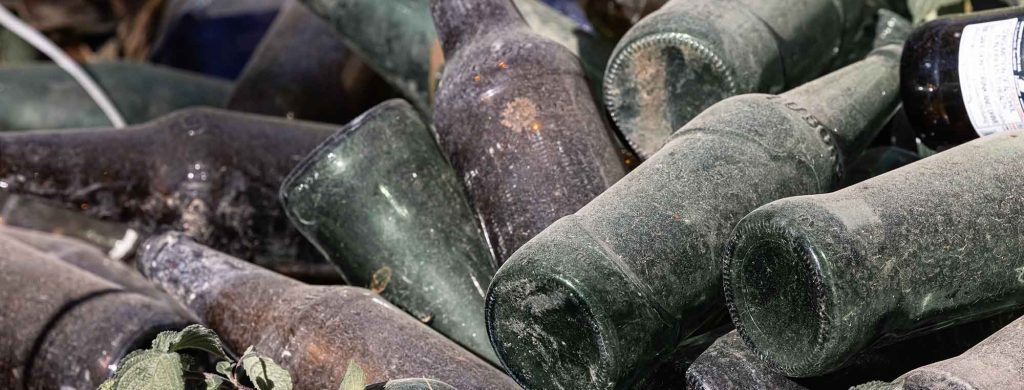
Age alone does not make a bottle unsafe. Condition matters more than age.
An old bottle that is in good condition may be suitable. A newer bottle with a crack or chip is not. Inspect every bottle before use.
How Do I Remove the Labels?
There are several methods.
A simple method is:
- Soak the bottles in warm water.
- Add a suitable cleaner if needed.
- Allow the labels to soften.
- Peel the labels away.
- Scrub remaining adhesive.
- Rinse the bottles.
Some labels remove easily. Others require more work.
Can I Leave the Labels On?
Yes.
You can bottle homebrew in bottles with the original labels. However, removing the labels makes it easier to inspect and clean the bottle. It also makes your bottles easier to identify as your brews.
How Do I Clean Reused Beer Bottles?
Clean bottles as soon as possible after drinking the beer. Rinse them several times. The goal is to prevent beer residue from drying inside the bottle. A bottle that has been rinsed immediately can be much easier to clean later. We’ve got a full guide on how to clean beer bottles for homebrew.
Why Should I Rinse Bottles Immediately?
Beer residue can dry inside the bottle and can become difficult to remove. It can also provide a place for microorganisms to grow. A simple rinse immediately after use can save significant cleaning time.
Do I Need to Wash the Bottles?
Yes.
Cleaning and sanitizing are different.
- Cleaning removes dirt and organic material.
- Sanitizing reduces microorganisms to an appropriate level.
You need to do both. A sanitizer does not replace cleaning.
How Do I Clean Bottles With Dried Beer?
Soak the bottles in warm water with an appropriate brewing cleaner, like PBW or OxiClean Free. Allow the cleaner time to loosen the residue. Then rinse the bottles.
A bottle brush can help remove stubborn material. Do not use excessive force, as you do not want to damage the glass.
Do I Need a Bottle Brush?
A bottle brush can be useful.
It is especially helpful for:
- Dried beer
- Yeast residue
- Sticky deposits
- Bottles that were not rinsed immediately
However, a clean bottle that was rinsed after every use may require very little scrubbing.
How Do I Sanitize Reused Bottles?
First clean the bottles.
Then use a brewing sanitizer according to the product instructions. Make sure the sanitizer contacts the inside of the bottle. A bottle sanitizer or bottle-washing rack can make this easier.
Can I Use Star San?
Yes.
Star San is a commonly used no-rinse brewing sanitizer. Follow the product instructions for concentration and contact time.
Do not confuse sanitizing with cleaning. A dirty bottle must be cleaned before it is sanitized.
Do I Need to Rinse Star San From the Bottle?
If you are using a no-rinse sanitizer according to its instructions, do not rinse it with untreated water. Allow the excess sanitizer to drain. Follow the sanitizer manufacturer’s instructions.
Can I Bake Bottles to Sanitize Them?
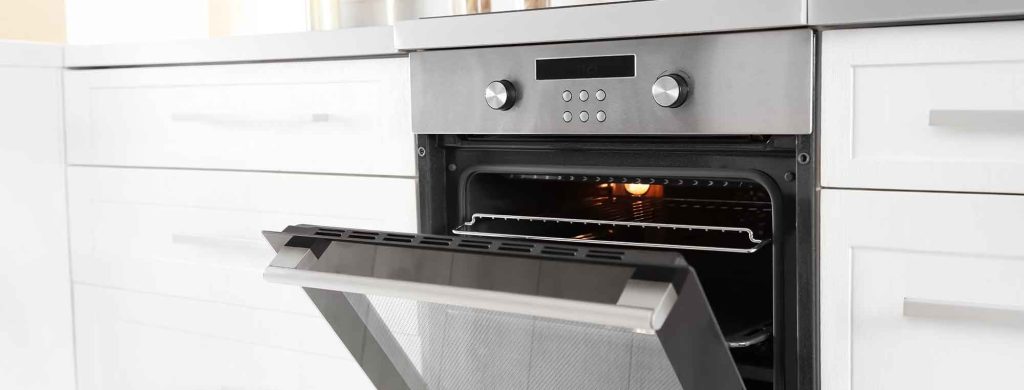
Heat can sanitize glass bottles, but it is not usually the simplest method. Rapid temperature changes can cause glass to break.
A brewing sanitizer is easier and avoids unnecessary heat exposure. If you use heat, follow a validated process appropriate for the bottle.
Can I Boil Beer Bottles?
Do not casually boil bottles. Glass can break from thermal shock.
A bottle that is hot in one area and cold in another can crack or shatter. Chemical sanitization is usually easier and safer.
Can I Put Bottles in the Dishwasher?
Sometimes.
A dishwasher can clean and heat-sanitize bottles if the bottles and dishwasher cycle are suitable – mine even has a specific “sanitize” cycle. However, the dishwasher does not necessarily clean the inside of every bottle effectively.
Remove labels before they damage the dishwasher. Do not use detergent residue as a substitute for brewing sanitizer.
Do Bottles Need to Be Completely Dry?
No.
If you use a suitable no-rinse sanitizer, a small amount of sanitizer remaining in the bottle is acceptable when used according to the product instructions. Do not dry sanitized bottles with a towel.
A towel can reintroduce contaminants.
How Do I Store Clean Bottles?
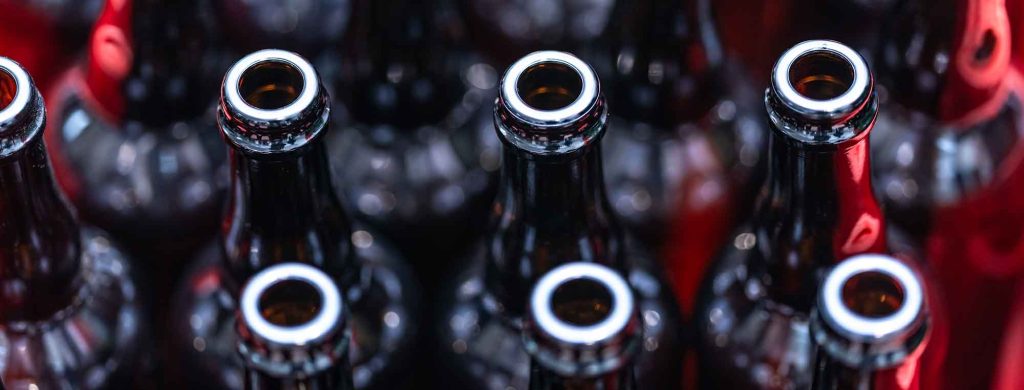
Store bottles somewhere clean and dry.
Keep them:
- Upright
- Covered when practical
- Away from dust
- Away from chemicals
- Away from areas where they can be damaged
If a bottle becomes dirty again, clean and sanitize it before use.
Can I Clean Bottles and Store Them?
Yes.
Many homebrewers clean bottles immediately after use and store them for the next batch.
On bottling day, inspect and sanitize them again. This creates a simple routine.
Do I Need to Sanitize Bottles Before Every Batch?
Yes.
Even a bottle that was cleaned after the previous batch can collect dust or contaminants during storage. Clean bottles should be sanitized immediately before use.
Can I Reuse Bottle Caps?
No. Use a new bottle cap for each bottle. Bottle caps are inexpensive.
A used cap may not seal correctly.
A poor seal can cause:
- Flat beer
- Leaks
- Contamination
New caps provide a more reliable seal.
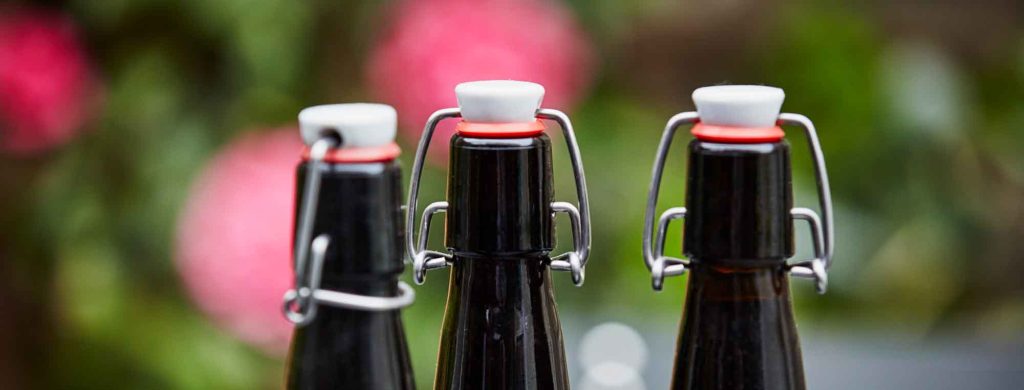
Can I Reuse Swing-Top Bottles?
Yes.
Swing-top bottles are designed for repeated use. They can be convenient because they do not require a capper. However, inspect the rubber gasket. Replace a damaged or worn gasket. Clean and sanitize the gasket and closure.
Do Swing-Top Bottles Need New Gaskets?
Not every time.
A good gasket can be reused.
Replace it if it becomes:
- Cracked
- Hard
- Brittle
- Damaged
- Deformed
A good seal is essential for carbonation.
Can I Reuse Bottles From Homebrew?
Yes.
Homebrew bottles can be reused many times.
The same rules apply:
- Clean them promptly.
- Inspect them.
- Clean them thoroughly.
- Sanitize them before use.
- Discard damaged bottles.
How Many Times Can I Reuse a Beer Bottle?
There is no fixed number.
A bottle does not have a specific homebrewing expiration date.
Inspect the condition of the bottle. A bottle that remains in good condition can be reused many times. Discard bottles that become damaged. I will usually discard bottles after 5-6 uses.
What About Scratched Bottles?
Be cautious.
Deep scratches can weaken glass. Do not use bottles with significant damage.
A bottle that has many deep scratches is not worth the risk.
What About Bottles With Lots of Yeast?
Yeast sediment is normal.
It does not mean the bottle is ruined.
Soak and clean the bottle.A bottle brush can remove stubborn residue. Then sanitize it before the next use.
What About Mold?
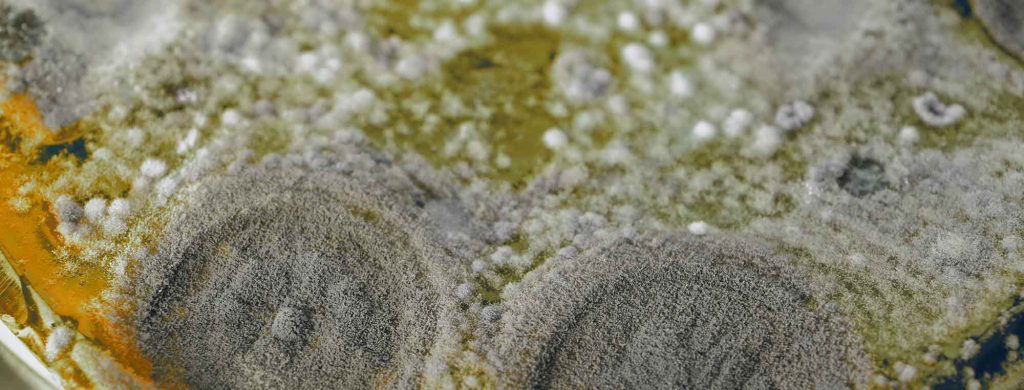
If a bottle has mold, clean it thoroughly.
Use an appropriate brewing cleaner. Rinse the bottle. Inspect the inside.
If you cannot clean the bottle completely, discard it. There is little reason to keep a questionable bottle when commercial beer bottles are easy to obtain.
What About Bottles That Smell?
Clean them thoroughly.
Persistent odors can indicate that organic material remains inside the bottle. If the odor remains after proper cleaning, discard the bottle. Do not try to cover the smell with sanitizer.
Can I Reuse Bottles That Held Sour Beer?
Yes.
The bottle itself can be reused.
However, clean and sanitize it carefully. Microorganisms associated with sour beer can remain in equipment. If you brew both clean and sour beers, you may want to keep separate bottling equipment for each process.
This can reduce cross-contamination risk.
Can I Reuse Bottles That Held Fruit Beer?
Yes.
Clean them carefully. Fruit residue can stick to the bottle.
Inspect the inside before sanitizing. Cleaning is particularly important with bottles that held fruit-containing beer.
What About Bottles From Commercial Bottle-Conditioned Beer?
These can be excellent bottles for homebrewing. They are designed to contain carbonated beer. They may also have thick glass.
Remove the original sediment with normal cleaning. The yeast from the commercial beer should not remain in the bottle.
Can I Use Bottles With a Yeast Sediment?
Yes.
The sediment does not make the bottle unusable. Clean it out. Do not intentionally leave old beer sediment in the bottle.
What Size Bottles Should I Use for Carbonated Drinks?
Common sizes include:
- 12-ounce bottles
- 16-ounce bottles
- 22-ounce bottles
- 500 mL bottles
- 750 mL bottles
The important factor is not the exact size. The bottle must be designed for carbonated beverages.
How Many Bottles Do I Need?
A 5-gallon batch contains approximately: 640 ounces of beer before accounting for losses.
That means approximately:
53 × 12-ounce bottles
or:
40 × 16-ounce bottles
In practice, you may need fewer because some beer remains in the fermenter and bottling equipment. A practical target for a 5-gallon batch is approximately 48–54 12-ounce bottles.
Should I Save Every Beer Bottle?
No.
Be selective.
Save bottles that are:
- Standard beer bottles
- In good condition
- Easy to clean
- Easy to cap
Discard bottles that are:
- Cracked
- Chipped
- Heavily scratched
- Damaged
- Difficult to clean
You do not need a collection of questionable bottles.
What Is the Easiest Bottle to Reuse?
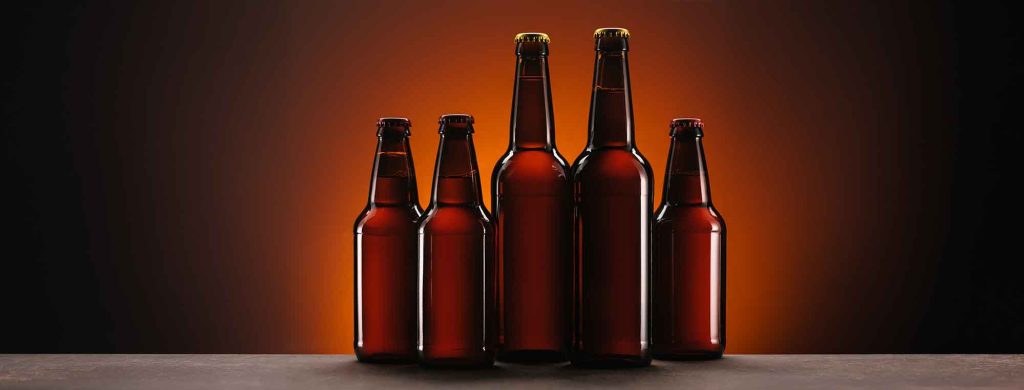
A standard brown pry-off beer bottle is one of the easiest options.
The process is simple:
Drink beer → rinse bottle → save bottle → clean → sanitize → fill → cap.
This is why many homebrewers never need to buy new bottles.
Bottle Reuse Checklist
Before bottling:
- Bottle is designed for carbonated beverages.
- Bottle has no cracks.
- Bottle has no chips.
- Bottle has no significant scratches.
- Bottle is clean.
- Bottle has no odor.
- Bottle is sanitized.
- Bottle cap is new.
- Bottle is ready for filling.
A Simple Bottle-Reuse Routine
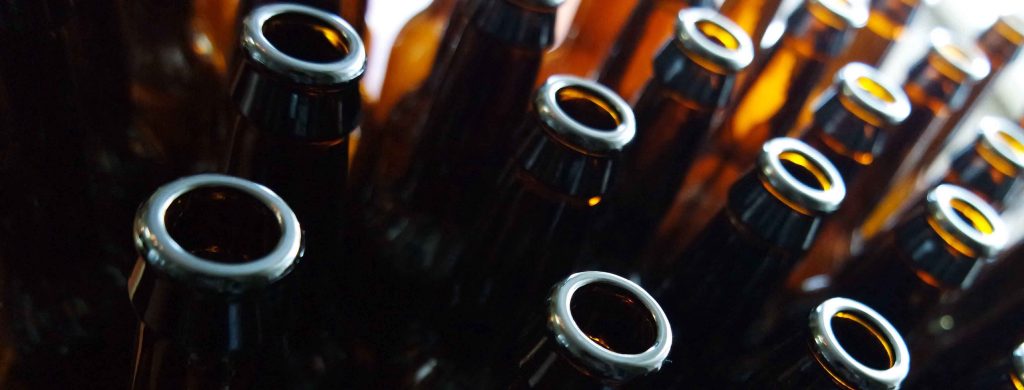
The easiest system is to clean bottles immediately after drinking the beer.
Step 1: Empty the Bottle
Drink the beer.
Step 2: Rinse It
Rinse the bottle several times.
Make sure no beer remains.
Step 3: Inspect It
Look for cracks, chips, and damage.
Step 4: Store It
Keep the bottle somewhere clean.
Step 5: Clean It Again Before Bottling
Use brewing cleaner if necessary.
Step 6: Sanitize It
Sanitize immediately before filling.
Step 7: Fill It
Use your bottling wand.
Step 8: Cap It
Use a new bottle cap.
Step 9: Condition the Beer
Store the bottle at an appropriate temperature.
The Bottom Line
Yes. Reusing beer bottles is one of the easiest ways to save money when you bottle homebrew.
The best bottles are usually:
- Brown
- Glass
- Pry-off
- Designed for carbonated beer
- Free from cracks and chips
Clean bottles immediately after use. Clean them thoroughly before bottling. Sanitize bottles before filling. Use a new cap for every bottle. Avoid ordinary wine and liquor bottles for carbonated drinks. Avoid damaged bottles.
If you follow these simple rules, a commercial beer bottle can be used for many batches of homebrew.
The best bottle for your next batch may be the one you are holding after you finish your last beer.