If you are new to homebrewing, you will quickly discover that sanitation is one of the most important parts of the process.
A small amount of contamination can turn an otherwise good batch of beer into a sour, funky, or unpleasant beer.
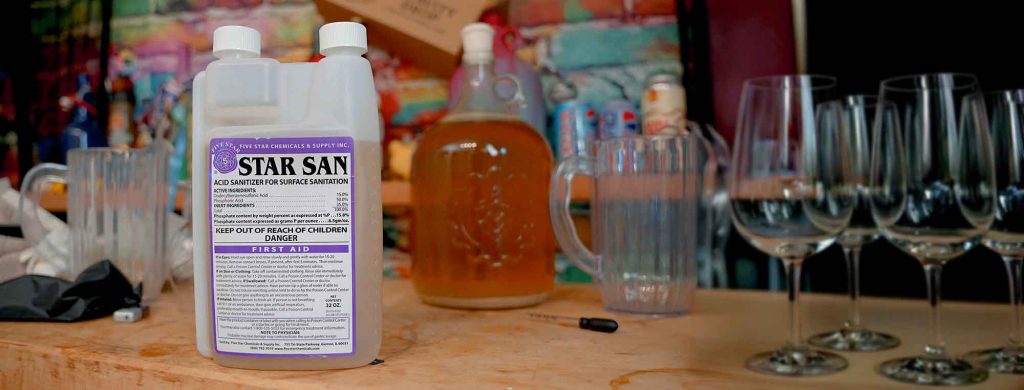
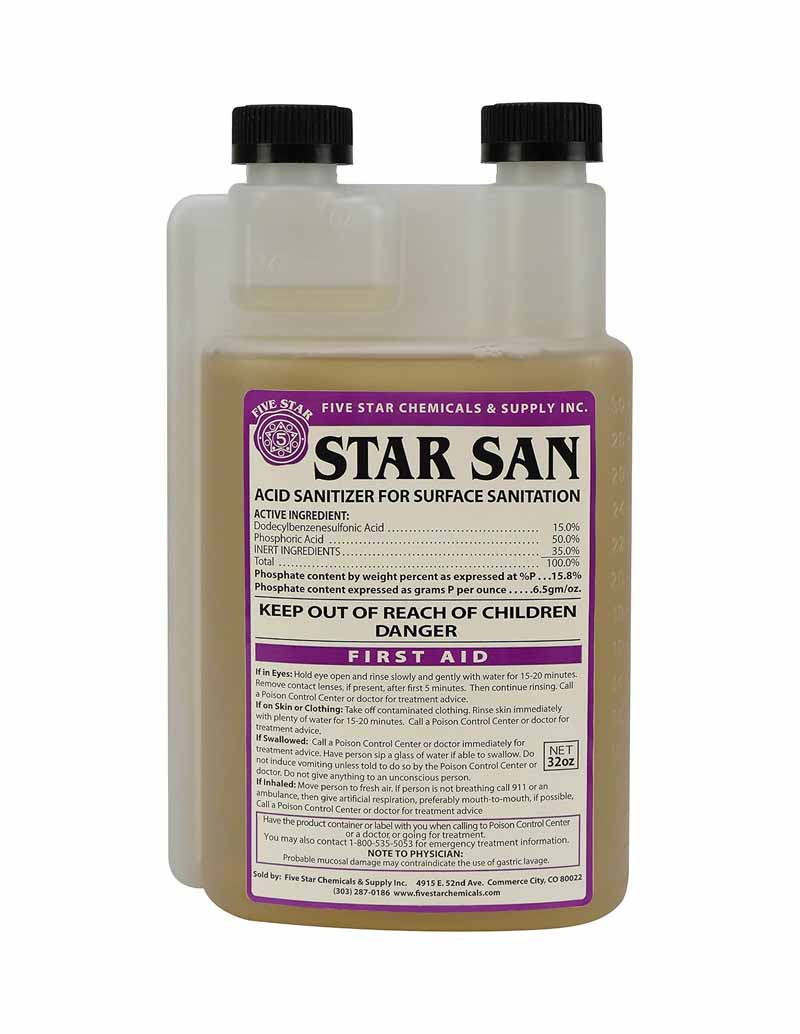
The good news is that you do not need complicated equipment or harsh chemicals. For most homebrewers, Star San is the best all-around homebrew sanitizer.
It is fast, easy to use, requires no rinsing when used according to its instructions, and works on most of the equipment used by homebrewers. Five Star Chemicals describes Star San as an acid-based, high-foaming, no-rinse sanitizer.
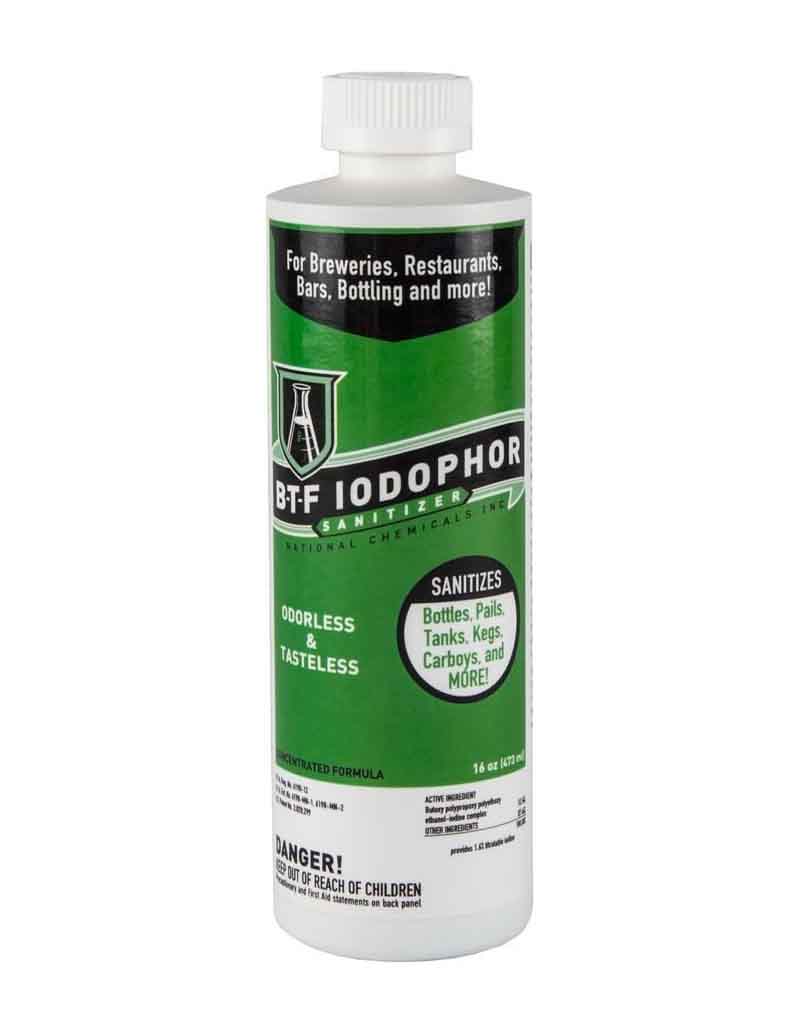
BTF Iodophor is the best alternative if you prefer an iodine-based sanitizer.
The important point is that both can work well.
The best sanitizer is the one you use correctly and consistently.
Best Homebrew Sanitizers at a Glance
| Sanitizer | Best For | No-Rinse | Main Advantage |
| Star San | Most homebrewers | Yes | Easy, fast, foaming |
| BTF Iodophor | Alternative to Star San | Yes, when used according to label | Effective iodine sanitizer |
| Other brewing sanitizers | Specific applications | Depends on product | May have different properties |
| Bleach | Specialized cleaning and sanitation | No | Cheap and widely available |
For a typical beginner, Star San is the easiest choice.
Why Star San Is the Best Choice for Most Homebrewers
Star San solves several common homebrewing problems.
It is:
- Fast
- Easy to measure
- No-rinse when used according to instructions
- Suitable for common brewing equipment
- Foaming
- Easy to use in spray bottles
- Useful for bottles, fermenters, tubing, and other equipment
Five Star’s current instructions specify 1 ounce of Star San per 5 gallons of water and a contact time of at least 1–2 minutes. The manufacturer instructs users to drain the solution but not rinse it.
That makes it particularly convenient on bottling day. And one bottle of Star San can last you years versus other sanitizer options.
What Is a Homebrew Sanitizer?
A sanitizer is a product that reduces microorganisms on a surface to an acceptable level. In homebrewing, sanitizers are used on equipment that contacts beer after the wort has been boiled or other brews like wine, mead, and cider at any time.
This can include:
- Fermenters
- Airlocks
- Tubing
- Bottling buckets
- Bottling wands
- Beer and wine bottles
- Bottle caps
- Hydrometers
- Kegs
- Keg parts
- Siphons
The goal is to prevent unwanted microorganisms from entering your beer.
Sanitizer Is Not the Same as Cleaner
This is one of the most important things for a new brewer to understand.
Cleaner removes dirt and organic material. Sanitizer reduces microorganisms. They perform different jobs.
For example, suppose your fermenter contains dried krausen. Spraying Star San on the krausen does not replace cleaning. The fermenter should first be cleaned. Then it should be sanitized.
Five Star specifically instructs users to thoroughly clean surfaces before applying Star San.

What Is the Best Cleaner to Use With Homebrew Sanitizer?
A popular combination is:
PBW + Star San
PBW is a brewery cleaner. Star San is a sanitizer. And the two products perform different jobs.
A typical cleaning process is:
Clean → rinse → sanitize → drain → use
Do not treat PBW as a sanitizer. Do not treat Star San as a cleaner.
Why Star San Foams
Star San is a high-foaming sanitizer.
This can surprise new brewers. When you put Star San into a fermenter, you may see a large amount of foam.
Do not panic.
The foam is part of the sanitizing process. Five Star specifically describes Star San as a high-foaming product designed to help contact seams and crevices.
Do I Need to Remove Star San Foam?
No.cWhen Star San is used according to its instructions, it is a no-rinse sanitizer.
Drain the excess solution.cDo not rinse it away with untreated water. A small amount of foam left in your fermenter, bottle, or keg is not a problem – at all.
How Do I Use Star San?
The basic process is simple.
Step 1: Clean the Equipment
Remove all visible dirt and beer residue.
Step 2: Rinse
Remove the cleaning solution.
Step 3: Mix Star San
Follow the manufacturer’s current dilution instructions.
Five Star currently specifies: 1 ounce Star San per 5 gallons of water.
Step 4: Apply the Sanitizer
Use immersion, spraying, or another method that provides complete surface contact.
Step 5: Wait
Allow at least the required contact time.
Five Star currently specifies 1–2 minutes.
Step 6: Drain
Drain the equipment.
Do not rinse.
Step 7: Use the Equipment
Use the equipment promptly.
Can I Put Star San in a Spray Bottle?
Yes. A spray bottle can be extremely useful.
You can use it to sanitize:
- Fermenter openings
- Airlocks
- Siphon parts
- Bottling equipment
- Work surfaces
- Small pieces of equipment
Use a coarse spray that thoroughly wets the surface. Five Star specifically lists spraying as an application method.
Can I Use Star San to Sanitize Beer Bottles?
Yes. Star San works very well for bottles.
A simple process is:
- Clean the bottle.
- Rinse the bottle.
- Fill or spray the bottle with sanitizer.
- Make sure the sanitizer contacts the inside.
- Allow the required contact time.
- Drain.
- Fill with beer.
Do not rinse the bottle with tap water after using a no-rinse sanitizer according to its instructions.
Can I Sanitize a Fermenter With Star San?
Yes.
Clean the fermenter first. Then prepare the sanitizer. Put enough sanitizer into the fermenter to contact the surfaces that will touch the beer. Swirl or rotate the fermenter as needed. Allow the required contact time. Drain the sanitizer.
Then add your wort or must.
Can I Sanitize a Carboy With Star San?
Yes. Star San is useful for both glass and plastic brewing vessels when used according to the manufacturer’s instructions.
Add enough solution to contact the interior surfaces. Rotate the carboy carefully. Allow the required contact time. Drain it.
Do not towel-dry the inside.
Can I Sanitize Tubing With Star San?
Yes.
Fill or circulate sanitizer through the tubing. Make sure the sanitizer contacts the entire inside surface.
This is important because tubing can harbor microorganisms. Drain the tubing before use.
Can I Sanitize My Bottling Bucket With Star San?
Yes.
Sanitize:
- Bucket
- Spigot
- Spigot seals
- Lid
- Tubing
- Bottling wand
The spigot deserves special attention, as beer can remain inside the valve. Drain some Star San through the valve.
What Is the Best Sanitizer for Bottling Beer?
Star San is an excellent choice.
It makes bottling simple because it does not require a rinse when used according to its instructions.
A typical bottling setup can be:
Clean bottles → Star San → drain → fill → cap
This removes an unnecessary rinsing step.
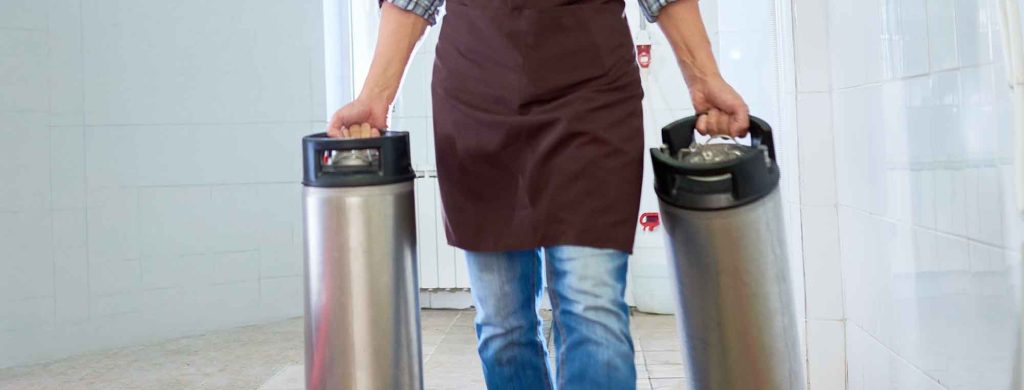
What Is the Best Sanitizer for Kegs?
Star San is also a popular choice for kegging.
You can sanitize:
- Keg interior
- Lid
- Dip tubes
- Posts
- O-rings
- Beer lines
Make sure the sanitizer contacts all surfaces that will contact the beer.
What Is BTF Iodophor?
BTF Iodophor is an iodine-based sanitizer.
It is another established choice for breweries and homebrewers.
The EPA label for BTF Iodophor specifies different concentrations depending on the intended use. The label also specifies a two-minute immersion for its listed washing and sanitizing procedure.
Star San vs. Iodophor
Both products can be effective.
The biggest difference for a beginner is how they are used.
Star San
Advantages:
- No-rinse
- Fast
- Foaming
- Easy to see where it has been applied
- Very convenient for homebrewing
Iodophor
Advantages:
- Effective iodine sanitizer
- Low-foam
- Can be useful when foam is undesirable
- Long history of use in food and beverage sanitation
BTF Iodophor is also designed to be used at controlled iodine concentrations. The EPA label recommends making fresh solution daily or when the color fades.

Which Is Better: Star San or Iodophor?
For most beginners:
Star San.
Iodophor is a perfectly reasonable alternative.
However, Star San is particularly easy for a new homebrewer because the process is simple:
Mix → apply → wait → drain → use
There is no need to rinse when using it according to the product instructions.
Is Star San Better Than Bleach?
Always.
Bleach is inexpensive and can be effective. However, bleach requires more attention to concentration, rinsing, and chemical compatibility.
Chlorine residue is also undesirable in brewing equipment.
A purpose-made brewing sanitizer is much easier for routine brewing.
Is Star San Better Than Alcohol?
Yes. Do not use vodka or other drinking alcohol as your primary brewing sanitizer. A brewing sanitizer is specifically formulated for this purpose.
Use the sanitizer according to its label.
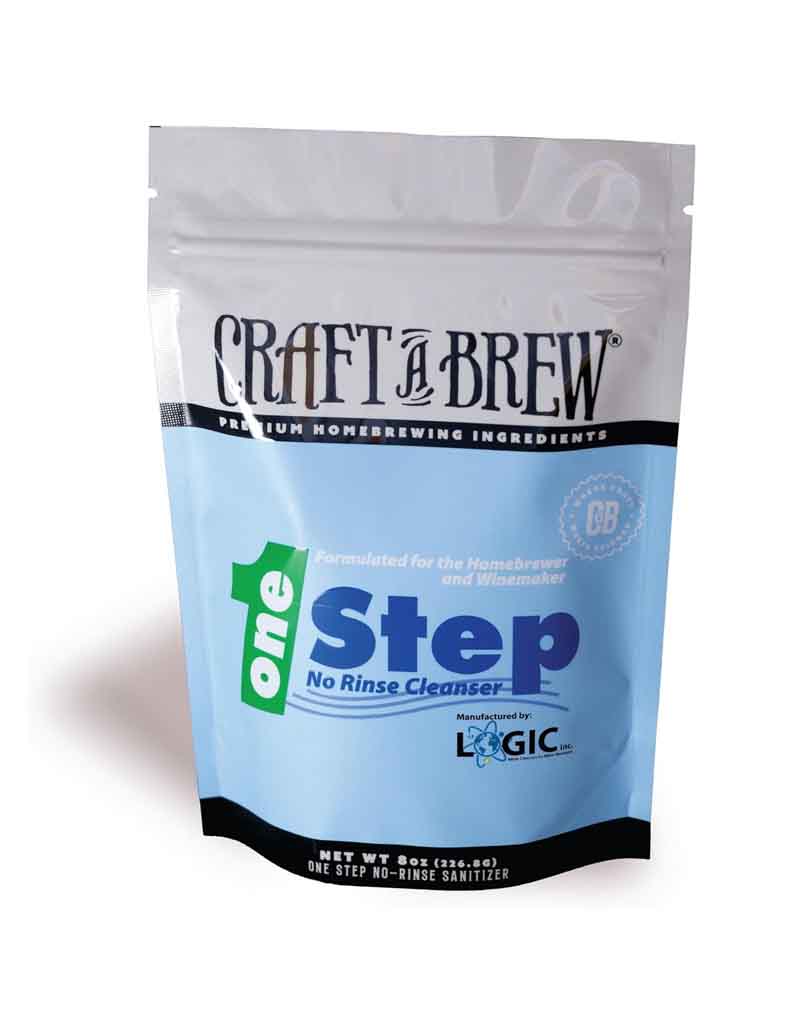
Is One-Step the Same as Star San?
No.
Some products sold for homebrewing are marketed as cleaners, sanitizers, or both.
Check the product label. Do not assume that every product called a “sanitizer” works in exactly the same way.
Star San is specifically an acid-based sanitizer.
What About SaniClean?
SaniClean is another Five Star product.
It is an acid sanitizer designed for low-foaming applications. This can be useful when you do not want large amounts of foam.
However, for a beginner who wants one sanitizer for general homebrewing, Star San is usually the simpler choice.
What About Saniclean vs. Star San?
The basic difference is foam.
Star San = high foam
Saniclean = low foam
Both are useful. Choose Star San if you do not mind foam. Choose a low-foam sanitizer if foam creates a problem for your particular equipment or process.
Does Foam Hurt Beer?
No.
The foam from Star San is not something you need to remove before adding beer. Do not waste time trying to eliminate every bubble.
Sanitize the equipment properly. Drain the excess. Then use it.
How Long Does Mixed Star San Last?
This is an area where you should follow the current manufacturer’s instructions rather than old homebrewing advice.
Five Star’s current product page states that Star San is an EPA-registered sanitizer and recommends using mixed solution immediately. It specifically says the company does not recommend using mixed solution if it has been in solution longer than one hour. Some advice says to dump Star San when cloudy.
For acid-based sanitizers like Star San, pH is a more useful measurement. Remember, there is incentive for sanitizer manufacturers to encourage you to dump out your sanitizer. If your Star San is clean and at a pH of 3.0 or lower, it is likely fine to use.
Why Does Star San Become Cloudy?
Cloudiness can occur because of:
- Hard water minerals
- Age
- Other changes in the solution
Five Star states that cloudiness may result from hard-water minerals reacting with the sanitizer or from the product being more than a year old.
If you are unsure whether a sanitizer solution is still effective, make a fresh solution.
Should I Use Distilled Water for Star San?
It can be useful, especially if you want to reduce mineral interactions.
Hard water can cause Star San to become cloudy. However, the important point is to follow the manufacturer’s instructions to ensure it is at the correct pH.
Does Cloudy Star San Mean It Is Bad?
Not necessarily. Cloudiness can have several causes.
However, if you are unsure about the condition or effectiveness of the solution, replace it. Sanitizer is cheap compared with a batch of beer, wine, or mead.
Can Star San Hurt Stainless Steel?
Star San is commonly used on stainless-steel brewing equipment.
However, it is an acidic product.
Follow the manufacturer’s instructions and avoid unnecessary prolonged exposure, particularly with materials that may be less compatible with acidic solutions.
Can Star San Hurt Plastic?
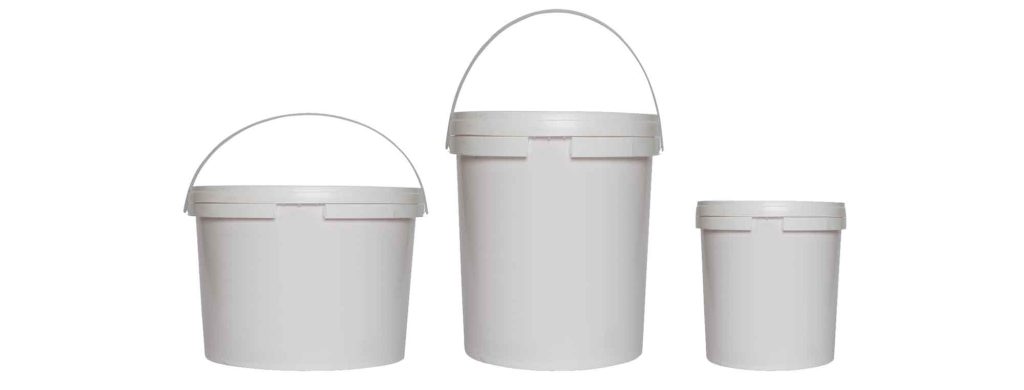
It is commonly used with plastic brewing equipment.
Use the product according to its instructions.
Inspect plastic equipment periodically for scratches and damage. Deep scratches can provide places for microorganisms to remain.
Can Star San Hurt Rubber?
It can be used with many brewing components that contain rubber or elastomers.
However, avoid unnecessary long-term exposure.
Clean and sanitize gaskets and seals according to the manufacturer’s recommendations for the equipment.
Is Star San Safe to Touch?
The concentrated product is a chemical and should be handled carefully.
Follow the label and safety information.
Avoid unnecessary skin and eye contact. Wear appropriate protection when handling the concentrate. Do not treat brewing sanitizer as harmless simply because it is used on food-contact equipment.
If Star San gets on your hands, rinse them quickly with tap water to remove the mild acid.
Can I Pour Star San Down the Drain?
Follow the manufacturer’s disposal instructions. Five Star states that Star San is septic-safe and recommends heavily diluting it with running water during disposal.
Always follow the current product label.
How Much Sanitizer Do I Need?
You usually need much less concentrate than you might expect.
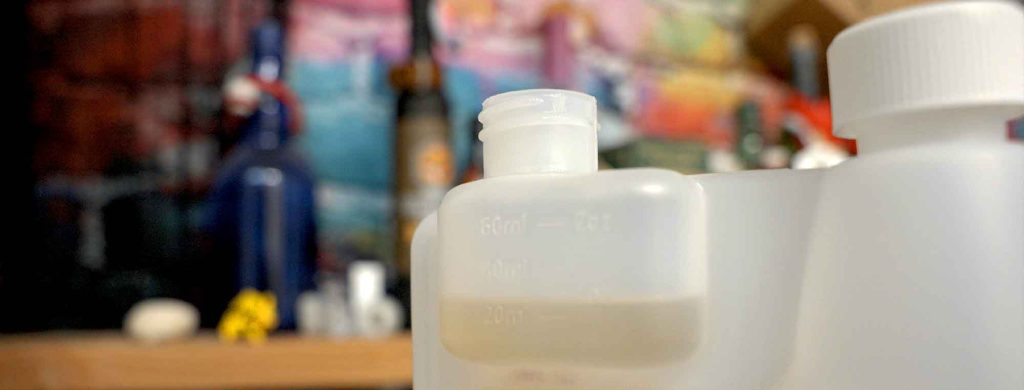
For example, Five Star’s current Star San instructions call for: 1 ounce per 5 gallons of water.
For small batches, you can scale the measurement proportionally. Use an accurate measuring device. Do not guess.
Do I Need a Full 5-Gallon Bucket of Sanitizer?
No. You only need enough sanitizer to cover the equipment you are sanitizing.
For small equipment, a smaller batch is more convenient. A spray bottle can also reduce the amount of sanitizer required for quick jobs.
Should I Keep a Spray Bottle of Sanitizer?
A spray bottle can be very useful and, when made with distilled water, tends to last a very long time.
You can use it for quick sanitation of:
- Scissors
- Thermometers
- Hydrometer jars
- Fermenter openings
- Airlocks
- Small equipment
Label the bottle clearly. Do not use an unlabeled chemical spray bottle.
What Equipment Should I Buy With My Sanitizer?
For a beginner, a useful sanitation kit is:
- Star San
- PBW or another brewing cleaner
- Measuring cup or graduated container
- Spray bottle
- Bottle rinser
- Bottle brush
- Clean bucket
- Clean towels for exterior surfaces
The most important items are the cleaner and sanitizer.
Can I Use the Same Sanitizer for Mead, Cider, Wine, and Beer?
Yes. Brewing sanitizers are useful for many fermented beverages.
You can use an appropriate sanitizer for:
- Beer
- Mead
- Cider
- Fruit wine
- Kombucha equipment
Always follow the product label for the specific application.
What Is the Best Homebrew Sanitizer for a Beginner?
Star San.
It is difficult to beat for convenience. You do not need to understand complicated sanitation chemistry.
You need to:
- Clean the equipment.
- Mix the sanitizer correctly.
- Wet the surfaces.
- Wait the required contact time.
- Drain.
- Use the equipment.
That is why it is such a popular choice.

Best Homebrew Sanitizer for Different Situations
Best Overall
Star San
Best combination of convenience and versatility.
Best Low-Foam Option
Saniclean
Useful when you do not want large amounts of foam.
Best Alternative to Star San
BTF Iodophor
A well-established iodine-based option.
Best Budget Approach
Whichever suitable brewing sanitizer you will use correctly
Saving a few dollars is not worth risking an entire batch.
Best for a Beginner
Star San
The no-rinse process makes it especially easy to learn.
A Simple Homebrew Sanitation Routine
Use this process for almost every batch.
Before Brewing
Clean your equipment.
Before Fermentation
Sanitize everything that will contact cooled wort.
During Fermentation
Keep the fermenter closed.
Sanitize anything that must enter the fermenter.
Before Bottling
Clean and sanitize:
- Bottling bucket
- Tubing
- Bottling wand
- Bottles
- Bottle caps
During Bottling
Keep sanitized equipment away from dirty surfaces.
Avoid touching sanitized surfaces.
After Bottling
Clean the equipment immediately.
This makes the next brewing day easier.

Common Homebrew Sanitizer Mistakes
Sanitizing Dirty Equipment
Problem: Dirt and beer residue remain.
Solution: Clean first.
Using the Wrong Concentration
Problem: The sanitizer may not work as intended.
Solution: Measure the concentrate.
Rinsing No-Rinse Sanitizer
Problem: You can reintroduce contamination.
Solution: Drain and follow the manufacturer’s no-rinse instructions.
Using Old Sanitizer Solution
Problem: You may not know if the solution remains effective.
Solution: Follow the manufacturer’s storage and use instructions. When in doubt, mix a fresh batch.
Fear of Foam
Problem: You waste time trying to remove every bubble.
Solution: Do not fear the foam.
Touching Sanitized Equipment
Problem: Your hands can contaminate the surface.
Solution: Handle equipment by areas that do not contact the beer.
Homebrew Sanitizer Checklist
Before beer contacts your equipment:
- Equipment is clean.
- Equipment has been rinsed.
- Sanitizer is correctly mixed.
- Correct contact time has been used.
- All beer-contact surfaces are wet.
- Equipment has drained.
- No unnecessary rinsing has occurred.
- Sanitized surfaces have not been touched.
- Equipment is ready for use.
The Bottom Line
Star San is the best all-around homebrew sanitizer for most beginners.
- It is fast.
- It is easy to measure.
- It is no-rinse when used according to its instructions.
- It can be used on bottles, fermenters, tubing, bottling equipment, kegs, and many other brewing surfaces.
Five Star’s current instructions call for 1 ounce of Star San per 5 gallons of water, with at least 1–2 minutes of contact time, followed by draining without rinsing.
BTF Iodophor is an excellent alternative if you prefer an iodine-based sanitizer. But the most important lesson is not which brand you buy.
It is this: Clean first. Sanitize second.
A dirty piece of equipment cannot be made reliably sanitary by simply spraying it with sanitizer.
For a new homebrewer, a bottle of Star San plus a good brewing cleaner such as PBW is one of the simplest and most useful purchases you can make.
Spend a few dollars on sanitation. It is much cheaper than throwing away five gallons of beer.