Homebrewing requires some basic equipment. The exact equipment depends on what you make.
Wine, mead, and cider use many of the same tools. Beer uses some of the same tools, but the brewing process requires additional equipment.
This guide covers common homebrewing equipment. It separates the equipment into two groups:
- Wine, mead, and cider
- Beer
You do not need every item in this guide. Start with the equipment that matches your process.
1. Wine, Mead, and Cider Equipment
Wine, mead, and cider do not require a mash. The fermentable sugars are already present in the fruit, juice, or honey.
This makes the equipment list fairly simple.
Fermentation Vessels
A fermentation vessel holds the liquid during fermentation.
Common choices include:
- Plastic fermentation buckets
- Glass carboys
- Plastic carboys
- Stainless steel fermenters
- Conical fermenters
For more info on fermentation vessels, check out our comprehensive guide. A fermentation vessel should be made from a food-safe material. It should also be easy to clean and sanitize.
A bucket is useful for primary fermentation. A carboy is useful when you want a narrow vessel with less air space.
Airlocks
An airlock lets carbon dioxide leave the fermentation vessel. It also helps prevent outside air and contaminants from entering the vessel.
There are several common types of airlocks. The most common design is the three-piece airlock. Another common design is the S-shaped airlock.
Fill the airlock with the liquid recommended by the manufacturer – usually water or Star San. Check the airlock during fermentation. A dry airlock does not provide the same protection as a filled airlock.
Stoppers and Lids
A stopper connects an airlock to a carboy.
A fermentation bucket normally uses a lid. The lid should have a grommeted hole for an airlock. Stoppers and lids must fit the fermentation vessel correctly. A poor fit can allow air to enter the vessel.
Siphons
A siphon moves liquid from one vessel to another.
Common types include:
- Auto-siphons
- Racking canes
- Rigid stainless steel siphons
- Tubing siphons
A siphon is useful when you need to move mead, wine, cider, or beer without pouring it.
Avoid unnecessary transfers. Each transfer can expose the liquid to oxygen and can increase the risk of contamination.
Tubing
Food-safe tubing connects many pieces of brewing equipment. It can transfer liquid from one vessel to another. It can also connect a siphon to a receiving vessel. Silicone and flexible plastic tubing are common choices.
Keep tubing clean and replace it when it becomes scratched, cloudy, or difficult to clean.
Hydrometer
A hydrometer measures the density of a liquid. Brewers use the hydrometer to measure specific gravity.
Specific gravity can help you estimate:
- The amount of sugar in the liquid
- The progress of fermentation
- The alcohol content
Take a reading before fermentation begins. Take another reading after fermentation is complete.
A stable final gravity is one indication that fermentation has stopped.

Refractometer
A refractometer measures how light moves through a liquid. It requires only a small sample. This makes it useful during brewing and fermentation. Refractometers work especially well before fermentation begins. Alcohol changes the reading after fermentation. Once fermentation starts, some math is required to calculate gravity using a refractometer.
Test Jars and Samples
A hydrometer needs a sample of liquid. A test jar, hydrometer jar, or graduated cylinder can hold the sample.
Use a container that is large enough for the hydrometer to float without touching the bottom or sides.
Wine Thief
A wine thief removes a small sample from a carboy or other vessel. It can also be used to fill a hydrometer jar.
A wine thief makes sampling easier and reduces the need to move the fermentation vessel.
Funnels
A funnel helps you add liquids or dry ingredients to a narrow vessel. Funnels are especially useful when you fill carboys.
Use a food-safe funnel. Clean and sanitize it before use. I have multiple funnels in sizes from tiny to enormous and use them all!
Measuring Equipment
Accurate measurements make recipes easier to repeat.
Common equipment includes:
- Kitchen scales
- Measuring cups
- Measuring spoons
- Graduated cylinders
- Measuring pitchers
A digital scale is especially useful for honey, sugar, fruit, nutrients, and other ingredients.
Crushers and Mills
A fruit crusher breaks fruit into smaller pieces. A grape crusher can prepare grapes for pressing and fermentation.
Some cider makers use an apple crusher or scratter. This breaks apples into small pieces before pressing.
Wine and Fruit Presses
A fruit press removes juice from crushed fruit.
Wine makers often use presses for grapes and other fruit. A press is not required when you use prepared juice. It becomes more useful when you process whole fruit. Consider a fruit press when your fermentation journey really starts to escalate.
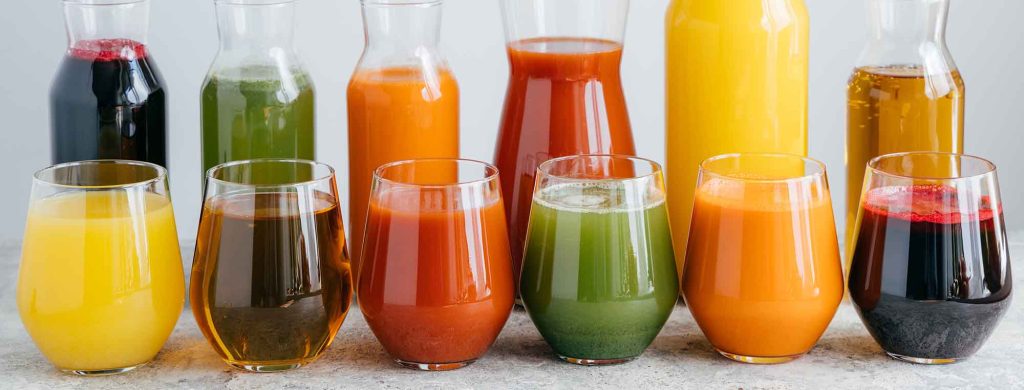
Juice Extractors
A juice extractor separates juice from fruit or vegetables.
It can be useful for small batches. For larger batches, a fruit press is often more practical.
Degassing Equipment
Fermented wine, mead, and cider can contain dissolved carbon dioxide. A degassing wand can help remove this gas prior to adding nutrients or adjuncts.
Do not use aggressive mixing as a routine process. Mixing can introduce oxygen into the finished product.
Bottling Equipment
Bottling equipment depends on the type of container.
Common equipment includes:
- Bottle filler
- Bottling wand
- Bottling bucket
- Bottles
- Caps
- Corks
- Corker
- Capper
A bottling wand uses a spring-loaded valve to fill bottles from the bottom.
A bottling bucket has a valve near the bottom. It can make bottling easier and can reduce sediment transfer.
Corkers
A corker inserts corks into bottles.
Common designs include:
- Hand corkers
- Floor corkers
A floor corker is larger and easier to use for many bottles, though comes at greater expense. Buy now, cry now – but most people find it worth it over the long term.
Bottle Cappers
A capper attaches crown caps to bottles.
There are two common types:
- Hand cappers
- Bench cappers
A bench capper is usually easier to use for large numbers of bottles.
Kegs
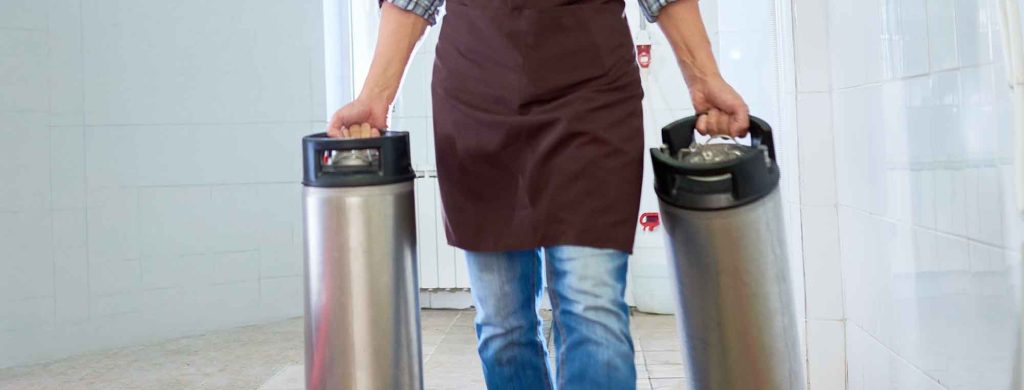
Kegs can store and dispense wine, mead, cider, and beer. Cornelius kegs are common among homebrewers – particularly ball-lock kegs. There’s so much equipment out there for ball-lock kegs.
Kegging can reduce the amount of time needed to package a beverage. It also makes it easier to serve from a tap.
A keg system requires additional equipment, including a carbon dioxide tank, regulator, gas line, and beverage line.
Kegging Equipment
A basic keg system can include:
- Keg
- Carbon dioxide tank
- Regulator
- Gas disconnect
- Beverage disconnect
- Gas tubing
- Beverage tubing
- Faucet
- Kegerator or other chilled storage
Carbonation can be natural or forced. Forced carbonation uses carbon dioxide from a tank, as does pouring from the keg.
2. Beer Equipment
Beer requires a different process. The brewer extracts fermentable sugars from malt. This process is called mashing. There is also, of course, extract brewing. But the bulk of the equipment remains the same.
After extracting the sugars, the wort is then boiled. Hops are added during the boil.
Because of this process, beer requires several pieces of equipment that are not normally needed for wine, mead, or cider.
Brewing Kettle
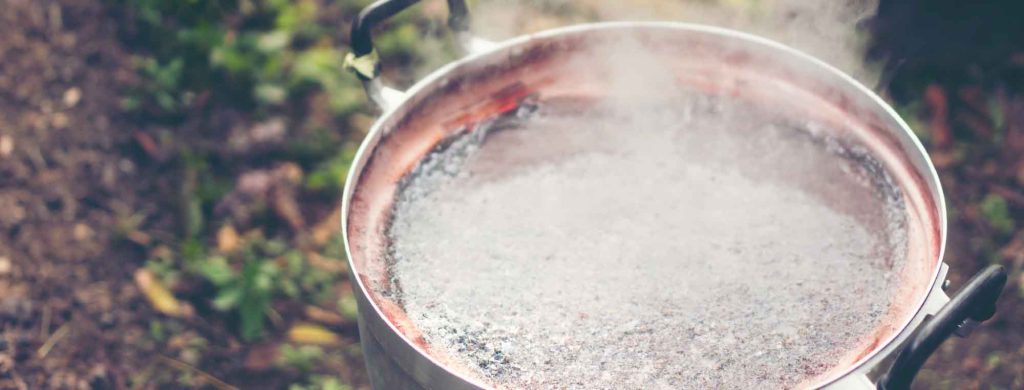
The brewing kettle holds the wort during the boil.
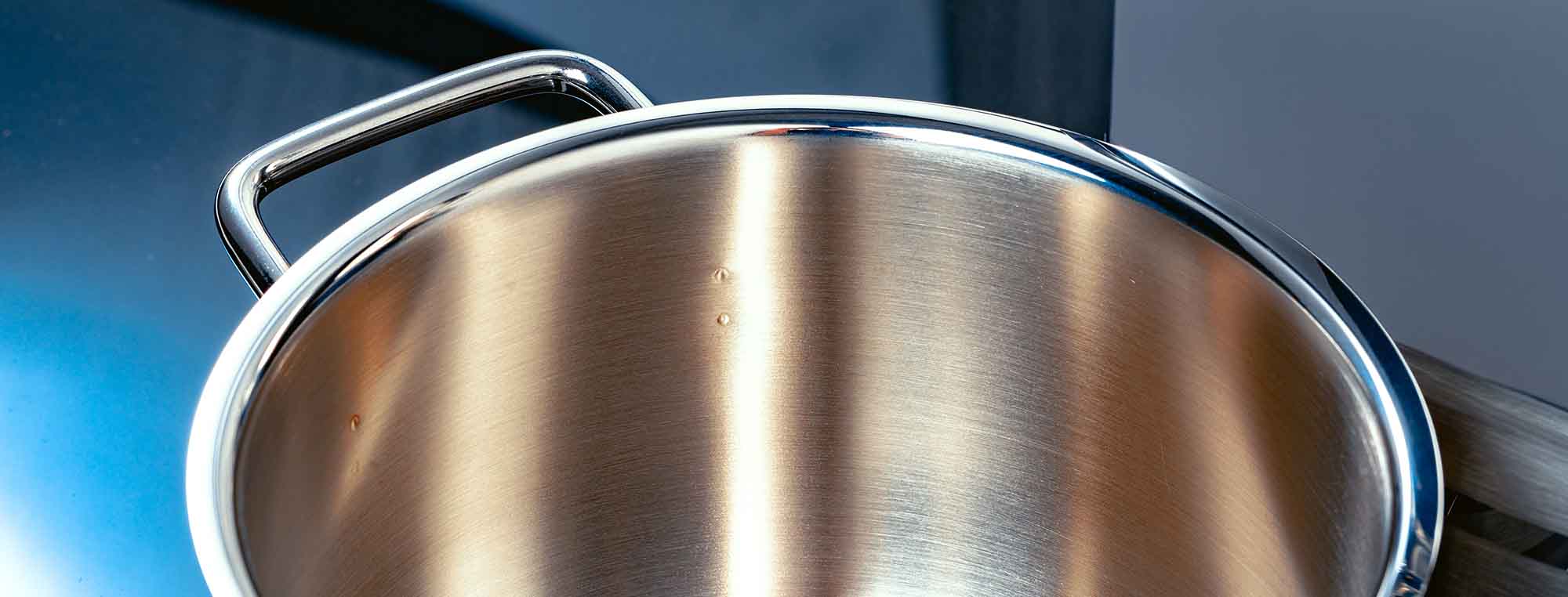
The kettle should be large enough to hold the full volume of the batch plus space for foam and boiling. Stainless steel and aluminum are common kettle materials.
A kettle can be simple, or it can include:
- Ball valve
- Thermometer
- Sight glass
- Dip tube
- Whirlpool port
A basic kettle can make excellent beer. Extra fittings can make the process easier but are not required.
Mash Tun
A mash tun holds the malt and water during the mash. The mash tun must allow liquid wort to drain while keeping the grain in the vessel.
Common mash tun designs include:
- Insulated coolers
- Stainless steel vessels
- Plastic vessels
- Electric all-in-one systems
A mash tun normally contains a false bottom, manifold, or other filter system.
Alternatively, you may consider brew-in-a-bag.
False Bottom
A false bottom separates the grain from the wort. It allows wort to flow out of the mash tun while keeping most of the grain inside.
False bottoms can be made from stainless steel or other food-safe materials.
Lauter Tun
A lauter tun separates wort from the grain after mashing. Many homebrewers use the same vessel for mashing and lautering.
The lauter process allows the brewer to collect the wort before the boil.
Sparge Equipment
Sparging rinses the grain with additional water.
The goal is to collect more of the available sugar from the grain.
Common sparge equipment includes:
- Hot liquor tank
- Sparge arm
- Sparge manifold
- Large measuring pitcher
Some brewing systems do not use traditional sparging. For these setups, people often use batch sparging. Check out our full article explaining various ways to sparge.
Hot Liquor Tank
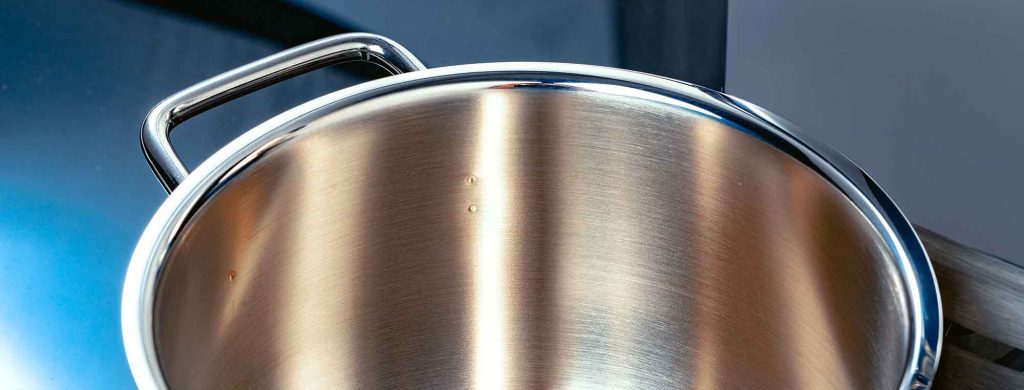
A hot liquor tank holds hot brewing water. It can supply water for mashing and sparging. A simple pot can perform this job on a small system.
A dedicated hot liquor tank becomes more useful on larger systems.
Brewing Spoon or Paddle
A long spoon or paddle mixes the mash and wort. The tool should be long enough to reach the bottom of the vessel.
Stainless steel and food-safe plastic are common materials. Wood is not recommended.
Grain Mill
A grain mill crushes malted grain. The goal is to break the grain kernel while leaving much of the husk intact.
A good crush can improve extraction and make lautering easier. Homebrewers commonly use two-roller mills.
Buying whole grain and milling it at home gives the brewer more control over the crush, as well as avoiding any staling of the grain if brew day gets rain-checked for a later date.
Grain Bag
A grain bag holds crushed grain during the mash. This method is common with brew-in-a-bag systems. The bag keeps the grain contained and can eliminate the need for a separate mash tun. The bag must be large enough to hold the grain and allow water to move through it.
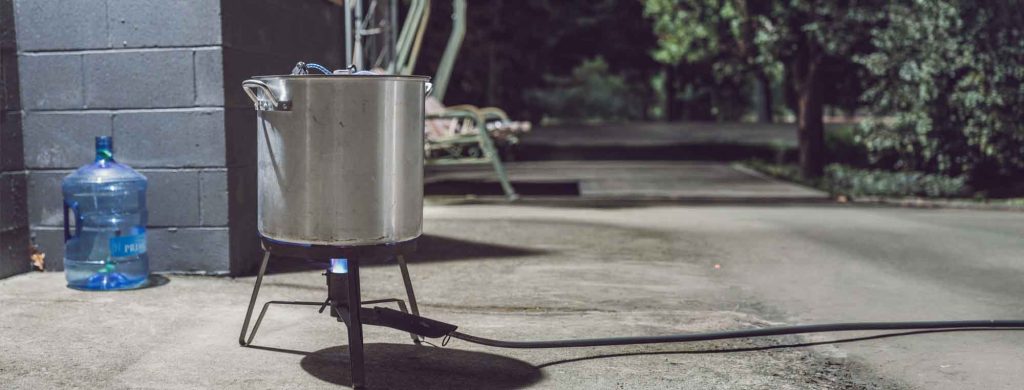
Brewing Burner
A burner supplies heat to the brewing kettle. Propane burners are common for outdoor brewing, and that’s the system I use most.
The burner must be rated for the size and weight of the kettle. Never use a propane burner in an enclosed area without proper ventilation.
Electric Brewing Systems
Electric brewing systems use electric heating elements instead of a propane burner. They can provide accurate temperature control.
Some systems combine several pieces of equipment into one unit. These systems are often called all-in-one brewing systems.
They can include:
- Mash vessel
- Grain basket
- Heating element
- Pump
- Temperature controller
- Brewing kettle
Wort Chiller
A wort chiller cools hot wort after the boil.
Common types include:
- Immersion chillers
- Counterflow chillers
- Plate chillers
An immersion chiller sits directly in the wort. A counterflow chiller moves hot wort through a tube while cold water flows around it. A plate chiller passes wort and cooling water through separate channels.
Cooling the wort quickly can reduce the time that the wort is exposed to contamination and prevent over-extraction of hops.
Whirlpool Equipment
A whirlpool moves wort in a circular motion. This can help separate hop material and other solids from the wort.
A brewer can create a whirlpool with a spoon, paddle, pump, or dedicated whirlpool port. Some brewing kettles have a built-in whirlpool fitting.
Pumps
A brewing pump moves liquid between vessels. Pumps are useful in larger systems.
They can move:
- Mash water
- Wort
- Cooling water
- Cleaning solution
A pump is not required for a basic homebrew system.
Wort Aeration Equipment
Yeast needs oxygen at the start of fermentation. Homebrewers can add oxygen by shaking or stirring the wort.
Other methods use:
- Aeration stones
- Oxygen cylinders
- Aquarium air pumps
- Inline oxygen systems
Do not add oxygen after active fermentation has started. Oxygen at this stage can damage beer flavor and stability.
Hop Bags and Baskets
Hop bags contain hops during the boil or fermentation. A hop basket is a larger reusable container. One of the most common choices is the “hops spider,” which hangs on the side of the kettle to keep hops solids separate from the boiling wort.
These tools can make it easier to remove hops after use.
Some brewers prefer to add hops directly to the kettle. Both methods can work.
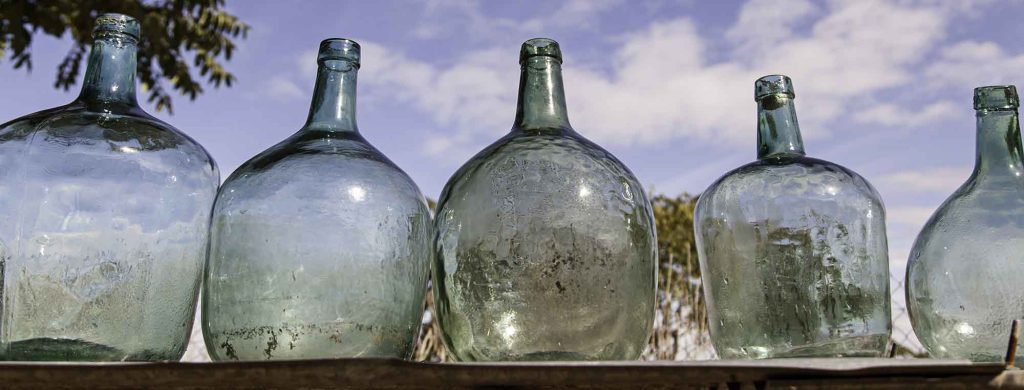
Fermentation Vessels
Beer uses many of the same fermentation vessels as wine, mead, and cider.
Common choices include:
- Plastic buckets
- Glass carboys
- Plastic carboys
- Stainless steel fermenters
- Conical fermenters
The choice depends on batch size, budget, cleaning requirements, and fermentation process.
Temperature Control
Fermentation temperature can strongly affect beer.
Common temperature-control equipment includes:
- Refrigerator
- Freezer
- Temperature controller
- Heating belt
- Heating pad
- Cooling system
A temperature controller can turn cooling or heating equipment on and off based on the temperature of the fermentation vessel.
Bottling Equipment
Beer can be bottled with many of the same tools used for wine, mead, and cider.
Common equipment includes:
- Bottling bucket
- Bottle filler
- Bottles
- Bottle caps
- Bottle capper
- Tubing
Beer bottles normally use crown caps.
Some beers can also be packaged in larger bottles with corks and cages, depending on style.
Kegging Equipment
Kegging is common among homebrewers.
A keg can store beer and dispense it under carbon dioxide pressure.
A basic system includes:
- Keg
- Carbon dioxide tank
- Regulator
- Gas line
- Beverage line
- Faucet
A refrigerator or kegerator can keep the keg cold.
Cleaning and Sanitation Equipment
Cleaning and sanitation are important for every type of homebrew.
Useful equipment includes:
- Bottle brush
- Carboy brush
- Cleaning bucket
- Spray bottle
- Soft cloths
- Sanitizer container
- Rinse container
Clean equipment removes dirt and organic material.
Sanitizing reduces the number of microorganisms on the clean equipment.
These are different processes. Sanitizing does not replace cleaning.

The Equipment You Actually Need
You do not need a large collection of equipment to start homebrewing.
For wine, mead, or cider, a simple system can include:
- Fermentation vessel
- Airlock
- Siphon
- Tubing
- Hydrometer
- Bottling equipment
- Cleaning and sanitation equipment
For beer, a basic all-grain system can include:
- Brewing kettle
- Mash tun or grain bag
- Grain mill
- Brewing spoon
- Wort chiller
- Fermentation vessel
- Airlock
- Hydrometer
- Siphon
- Bottling or kegging equipment
- Cleaning and sanitation equipment
Start with the equipment that solves a real problem in your process.
You can add equipment as your batch size increases or your process becomes more complex.
The best homebrew system is not the system with the most equipment. It is the system that lets you make good beer, wine, mead, or cider with a process that you can repeat.