Back-sweetening means adding a sweetener to a fermented beverage after fermentation is complete.
Brewers and winemakers use back-sweetening to add sweetness to:
- Mead
- Wine
- Cider
- Fruit wine
- Some other fermented beverages
The yeast has already fermented the original sugars. The brewer then adds a new sweetener. This lets you control the final sweetness.
Why Back-Sweeten?
Fermentation can make a beverage very dry, as the yeast can consume most or all of the fermentable sugar. The finished beverage may have little sweetness.
This can be desirable for some styles.
Other beverages taste better with some sweetness. Back-sweetening lets you adjust the finished beverage to your preference.
It can also balance:
- Acidity
- Tannins
- Alcohol
- Bitterness
- Strong fruit flavors
A small amount of sweetness can make a sharp beverage taste smoother. Want more info on balancing? We’ve released a FREE 120-page ebook on all things mead-making!
When Should I Back-Sweeten?
Back-sweeten after fermentation is complete.
Use a hydrometer to confirm that the specific gravity is stable. Do not back-sweeten an actively fermenting beverage unless you have a specific fermentation plan. Adding sugar to an active fermentation gives the yeast more food.
The yeast may simply ferment the new sugar and the beverage may become dry again.
What Can I Use to Back-Sweeten?
You have many choices.
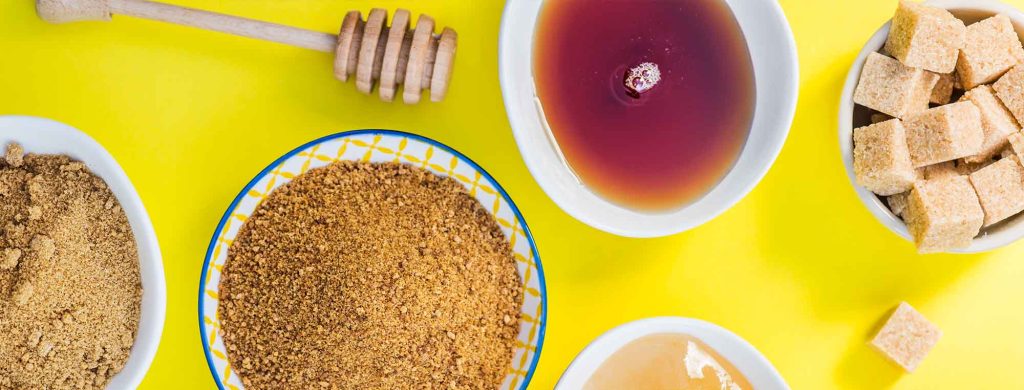
Common sweeteners include:
- Sugar
- Honey
- Fruit juice
- Concentrated fruit juice
- Grape juice
- Apple juice
- Maple syrup
- Non-fermentable sweeteners
Each sweetener affects the beverage in a different way.
Sugar
Plain table sugar is easy to measure. It adds sweetness without adding much flavor.
It is useful when you want to change sweetness without changing the character of the beverage.
Honey
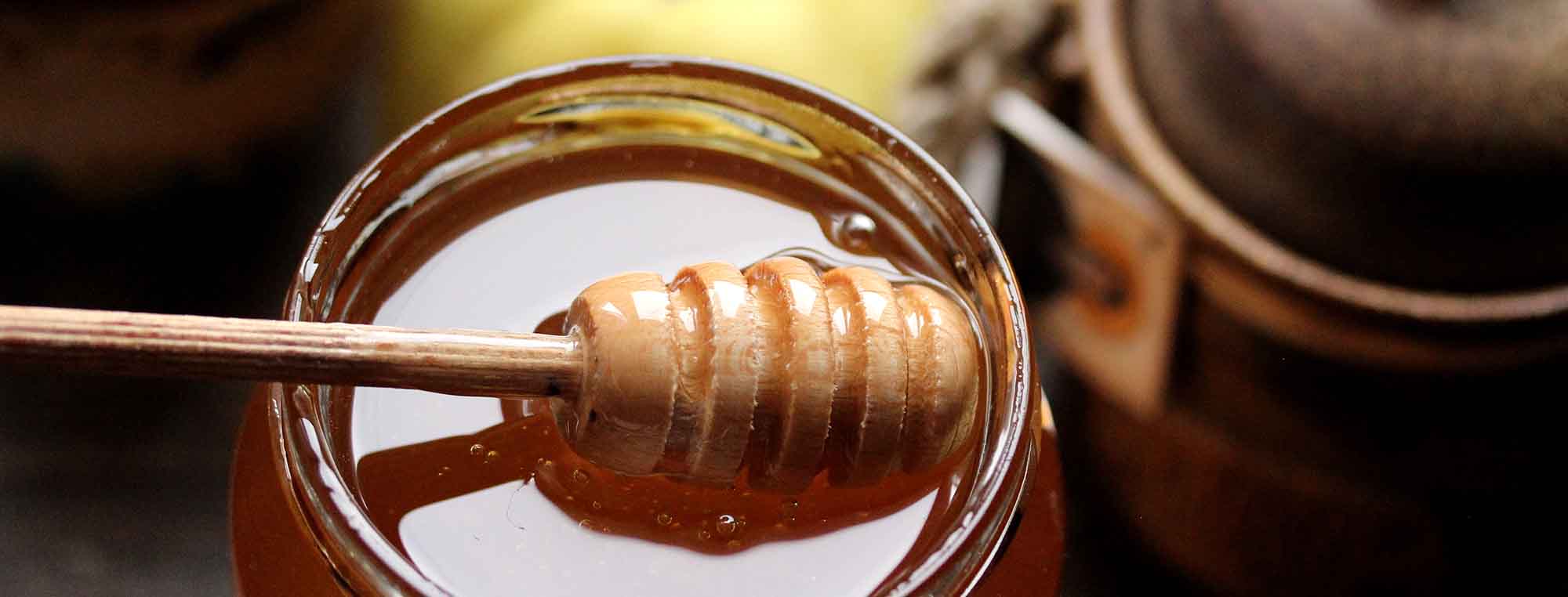
Honey is a natural choice for mead. It can add sweetness and honey character. And different honeys can produce different flavors.
Honey is fermentable. You must prevent renewed fermentation if you want the honey to remain in the finished beverage.
Be sure to know what your honey choice will mean for the flavor and aroma of your beverage.
Fruit Juice
Fruit juice can add sweetness and fruit flavor. It also adds water and other compounds.
Many fruit juices contain fermentable sugar and yeast can ferment these sugars.
Maple Syrup
Maple syrup can add sweetness and maple flavor.
It also contains fermentable sugar. Yeast can ferment it.
Non-Fermentable Sweeteners
Non-fermentable sweeteners provide sweetness without providing a significant amount of fermentable sugar. They can be useful when you do not want to rely on chemical stabilization.
Different products have different flavors. Some can have a noticeable aftertaste. Others may create stomach discomfort in high doses.
Test a small sample before adding a sweetener to the entire batch to see how you like the flavor.

What Is the Difference Between Sweetening and Back-Sweetening?
Sweetening can happen at any stage, though the yeast will likely eat the sugars if you’re using a fermentable sweetener.
Back-sweetening specifically means adding sweetness after fermentation. The term usually refers to adjusting a finished or nearly finished fermented beverage. The main purpose is to control the final taste.
Why Can Back-Sweetening Be Dangerous?
The main risk is renewed fermentation.
Many common sweeteners contain fermentable sugar. Yeast can consume that sugar. The yeast produces alcohol and carbon dioxide. If the beverage is sealed in a bottle, the carbon dioxide can build pressure.
This can cause:
- Over-carbonation
- Leaking bottles
- Pushed corks
- Broken bottles
A bottle that breaks can cause serious cuts. Do not assume that a beverage is safe to bottle simply because fermentation appeared to stop.
How Do I Prevent Renewed Fermentation?
There are several approaches.
Chemical Stabilization
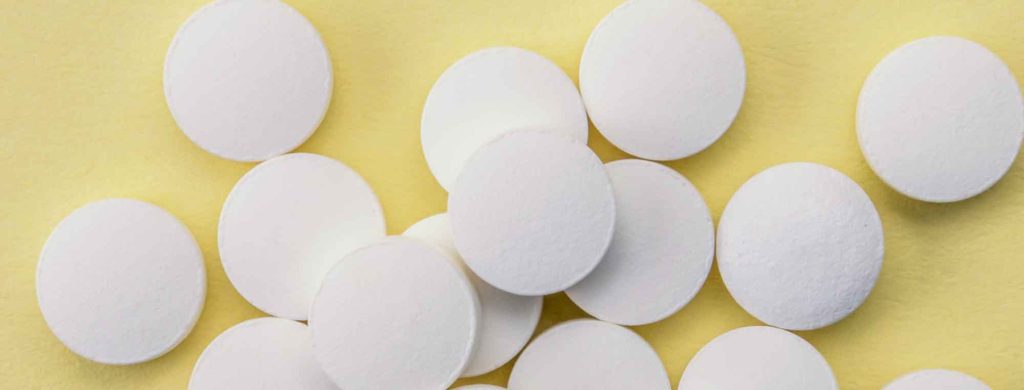
The common homebrewing method uses:
These additives work together to make renewed fermentation less likely.
They do not instantly kill all yeast. They also do not reliably stop an active fermentation. Always confirm that fermentation is complete before using them.
Follow the dosage instructions for your specific products. Check out our full article on how to stabilize your homebrew.
Sterile Filtration
Sterile filtration can physically remove yeast from the beverage. This requires suitable filtration equipment and careful sanitation.
It is more common in commercial production.
Keep the Beverage Dry
You can avoid fermentable back-sweeteners.
You can leave the beverage dry. You can also use a suitable non-fermentable sweetener. This can provide sweetness without giving yeast a new source of fermentable sugar.
Can I Back-Sweeten Without Stabilizing?
Yes, but you need to understand the risk.
If you add fermentable sugar and viable yeast remains, fermentation can restart. This can be useful in some controlled processes.
It is not safe for a still, sweet bottled beverage unless you have a method to prevent or control fermentation. Do not assume that a small amount of sugar is safe, as even a small amount of fermentable sugar can produce significant pressure in a sealed bottle.
How Do I Know How Sweet My Mead or Wine Is?
Specific gravity gives you useful information.
A higher final gravity usually means more dissolved sugar remains. However, specific gravity does not tell you exactly how sweet a beverage will taste. Acidity, alcohol, tannins, and other compounds affect perceived sweetness. Taste is therefore important.
What Is a Bench Trial?
A bench trial is a small-scale test.
You use a small sample of the finished beverage. You add different amounts of sweetener to separate samples. You then taste the samples.
This lets you find the sweetness you like before treating the entire batch.
Example
Suppose you have a gallon of dry mead.
- Take several small samples.
- Add different amounts of honey to each sample.
- Record the amount added.
- Taste each sample.
- Choose the version you like best.
- You can then calculate how much honey to add to the full batch.
This is much safer than guessing with the entire batch.
How Do I Calculate the Amount for the Full Batch?
Use the same ratio that you used in your bench trial.
For example, suppose you test:
- 100 mL of mead
- 2 grams of honey
You like the result. Your full batch contains about 3,800 mL.
The same ratio would require about 76 grams of honey. This gives you a starting point. Taste the full batch after mixing.
Make small adjustments if needed.
Why Should I Add Sweetener Slowly?
Sweetness is easy to increase. It is difficult to remove.
Add a small amount. Mix thoroughly. Taste the beverage.
Repeat until you reach the desired sweetness. Do not add a large amount all at once.
This is especially important with strong sweeteners such as concentrated honey or syrup.
Can I Back-Sweeten With Honey?
Yes. Honey is one of the most common choices for mead.
The honey adds both sugar and flavor. The flavor depends on the honey variety. However, honey is fermentable, so the yeast can consume the added honey.
You must therefore prevent renewed fermentation if you want the honey to remain in the finished mead.
Can I Back-Sweeten Wine With Grape Juice?
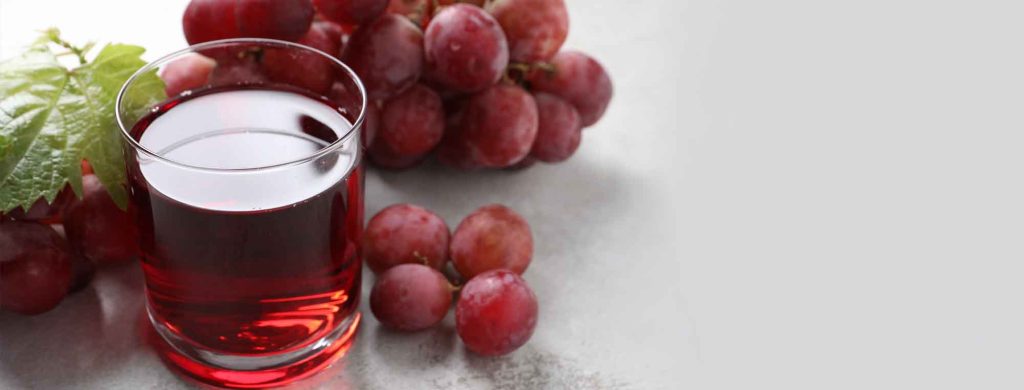
Yes. Grape juice can add both sweetness and fresh grape character. It is fully fermentable, so yeast can consume the sugar in the juice. You therefore need to account for renewed fermentation.
Using a measured amount of grape juice also changes the volume and dilution of the wine.
Can I Back-Sweeten Mead With More Honey?
Yes. This is a common method.
- Add honey slowly.
- Mix it completely.
- Taste the mead.
- Continue until you reach the desired sweetness.
Remember that the added honey can ferment. Stabilize the mead appropriately before bottling if you want it to remain sweet.
Does Back-Sweetening Increase Alcohol?
It can. If the added sugar ferments, the yeast converts it into alcohol and carbon dioxide. If the sugar remains in the beverage, it does not significantly increase the alcohol content.
The final alcohol level therefore depends on whether the added sugar ferments.
Does Back-Sweetening Make a Beverage Cloudy?
It can. Honey, juice, and some other sweeteners contain particles or compounds that can affect clarity. Adding sugar can also cause some previously suspended material to remain in the beverage.
Allow the beverage to settle after sweetening. You can also use appropriate clarification or filtration methods if needed.
Should I Back-Sweeten Before or After Aging?
Either approach can work.
Many brewers prefer to age the beverage first. The flavor can change during aging. The final sweetness can then be adjusted after the beverage reaches the desired level of maturity.
This also reduces the chance that you will need to change the sweetness later.
What Is the Best Sweetness Level?
There is no single correct sweetness level.
Different styles have different traditional ranges. Personal preference also matters.
A highly acidic wine may need more sweetness than a low-acid wine. A high-alcohol mead may taste smoother with some residual sweetness. Taste the beverage and adjust it to your goal.
Common Back-Sweetening Mistakes
Adding Sugar Before Fermentation Is Complete
The yeast can ferment the new sugar.
Wait until fermentation is complete if your goal is to create a sweet finished beverage.
Not Stabilizing a Sweet Beverage
Fermentable sugar can cause renewed fermentation.
This can create dangerous pressure in bottles.
Adding Too Much Sweetener
Sweetness can quickly become excessive.
Use bench trials.
Not Mixing Thoroughly
Sweetener can settle or remain concentrated in one area.
Mix carefully.
Avoid unnecessary oxygen exposure.
Not Recording the Amount
Write down what you add.
This makes future batches easier to reproduce.
Bottling Immediately
Give the beverage time to stabilize after sweetening.
Check for signs of renewed fermentation.
Do not bottle until you are confident that the beverage is stable.
The Simple Answer
Back-sweetening means adding a sweetener to a fermented beverage after fermentation.
It lets you control the final sweetness of mead, wine, cider, and other fermented beverages. You can use honey, sugar, juice, syrup, or non-fermentable sweeteners.
The main risk is renewed fermentation. Fermentable sweeteners can provide food for yeast. The yeast can then produce carbon dioxide inside sealed bottles.
For a sweet, still beverage, confirm that fermentation is complete and use an appropriate stabilization method before bottling.
The best way to find the right sweetness is to perform a small bench trial first.
- Add a little.
- Taste it.
- Record the result.
- Then adjust the full batch.
Backsweetening is an important process to learn if you want to level-up the balance of your homebrew!