
Stabilizing mead or wine helps prevent unwanted fermentation after fermentation is complete.
This is important when you want to:
- Add sugar after fermentation
- Prevent renewed fermentation
- Prepare a sweet mead or wine for bottling
- Store a finished beverage safely
There are several ways to stabilize a fermented beverage. The most common method for homebrewers uses potassium sorbate and potassium metabisulfite.
You can also use sterile filtration. Heat pasteurization is another, riskier option. Heat pasteurization requires extra care because it can create dangerous pressure inside bottles.
What Does Stabilization Mean?
Stabilization means making conditions unfavorable for yeast growth and fermentation.
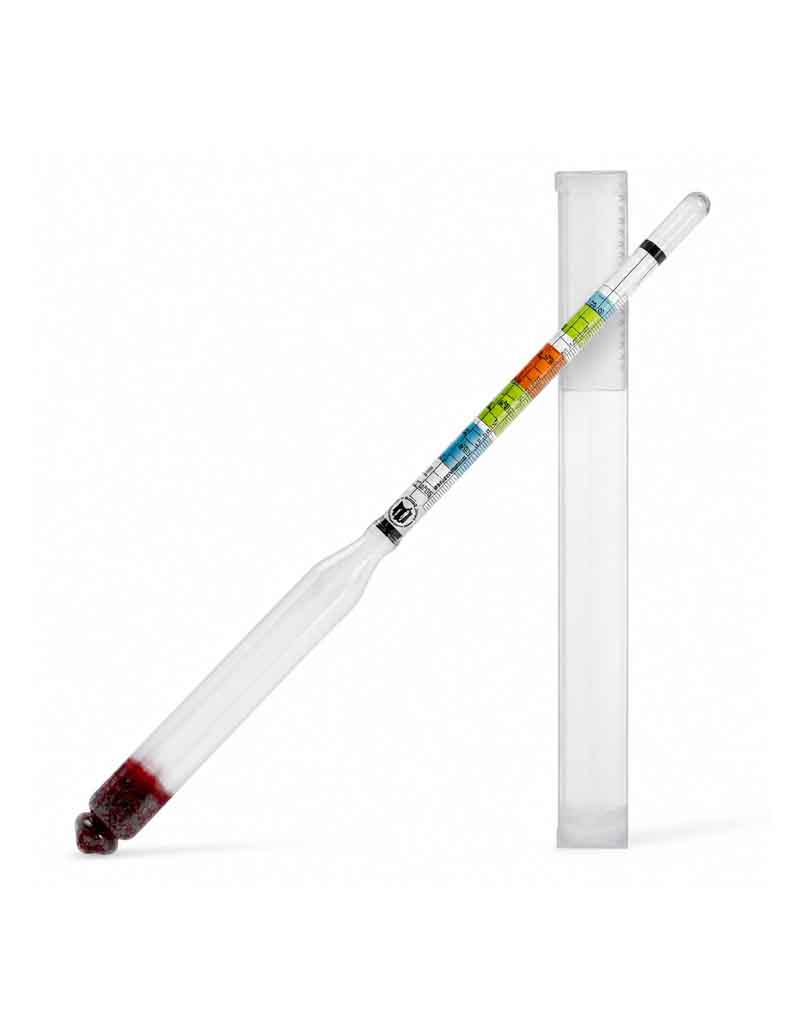
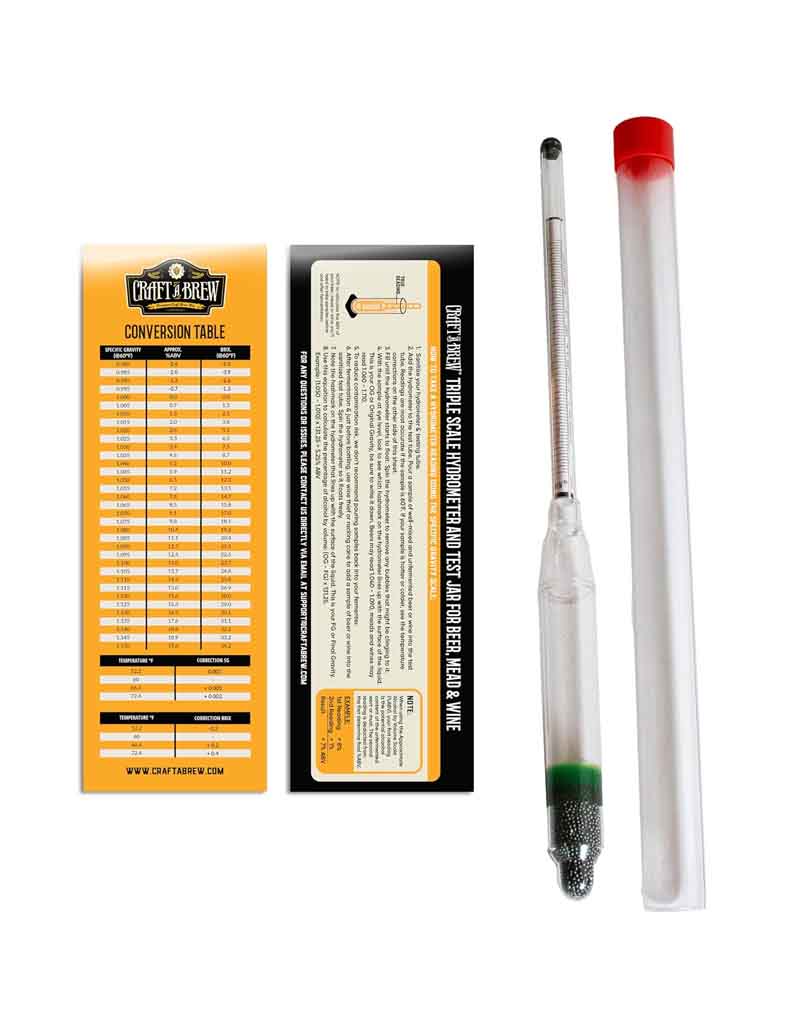
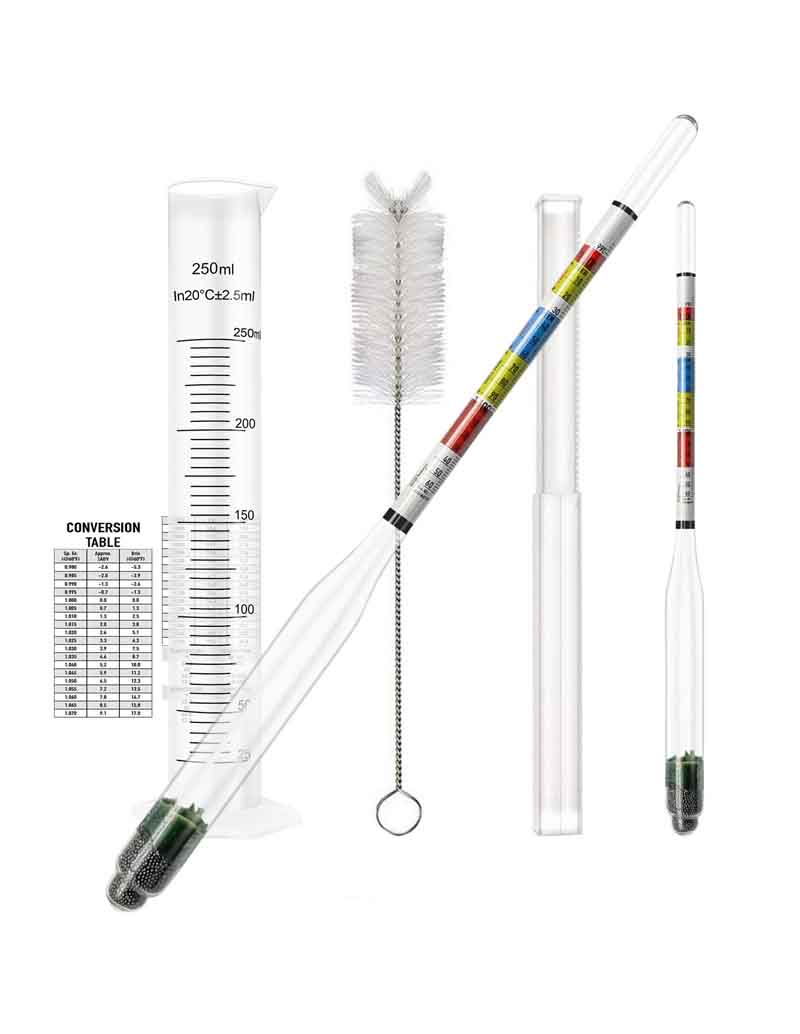
Stabilization does not mean that you can safely bottle a beverage that is still actively fermenting. Always make sure fermentation is complete first. A stable hydrometer reading is one of the best ways to confirm this.

Step 1: Make Sure Fermentation Is Complete
Do not stabilize an actively fermenting mead or wine.
- Measure the specific gravity with a hydrometer.
- Record the reading.
- Wait several days.
- Measure the specific gravity again.
- The reading should remain unchanged.
- For extra confidence, take another reading after several more days.
A stable gravity shows that fermentation has stopped. Do not rely only on bubbles in the airlock. An airlock can stop bubbling for many reasons. A lack of bubbles does not prove that fermentation is complete.
Can I Stabilize Mead or Wine While It Is Still Fermenting?
No. Potassium sorbate and sulfite are not a reliable way to stop an active fermentation. They are normally used after fermentation is complete.
A strong fermentation can continue despite these additives. Residual sugar can then ferment inside the bottle, and this can create excessive pressure.
The bottle can break or the cork can be forced out.
How Do I Chemically Stabilize Mead or Wine?
The common homebrewing method uses two additives:
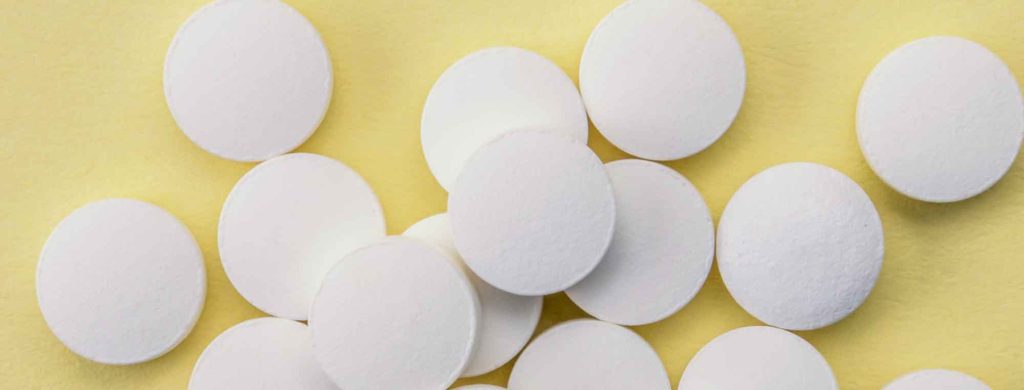
- Potassium metabisulfite
- Potassium sorbate
These additives have different functions.
What Does Potassium Metabisulfite Do?
Potassium metabisulfite provides sulfite, which helps protect the beverage from oxidation. It also helps control many microorganisms.
Sulfite does not reliably stop an active fermentation.
What Does Potassium Sorbate Do?
Potassium sorbate prevents yeast from reproducing effectively. It does not kill all yeast cells. Existing yeast can remain in the beverage.
The combination of sorbate and sulfite provides better protection than either additive alone.
When Should I Add Sorbate and Sulfite?
Wait until fermentation is complete.
- Confirm that the gravity is stable.
- Rack the mead or wine off the heavy sediment if needed.
- Then add the required amount of potassium metabisulfite and potassium sorbate.
- Mix the additives into the beverage.
Avoid introducing unnecessary oxygen during mixing.
Follow the dosage instructions for your specific products. Different products can have different concentrations.
Can I Add Sugar After Stabilization?
Yes. This is one of the main reasons to stabilize mead or wine.
You can add fermentable sugar after fermentation is complete. The sugar can increase sweetness. The yeast should not be able to restart fermentation when the beverage has been properly stabilized and handled.
Always mix the stabilizers in at least 24 hours before adding the final sweetener. Give the stabilizers time to work according to the product instructions.
Then add the desired amount of sugar or other sweetener. Taste the beverage after each addition.
Does Stabilization Make Mead or Wine Shelf Stable?
Not by itself. Stabilization helps prevent renewed fermentation. It does not protect against every possible spoilage organism.
Good sanitation remains important. Proper storage also remains important, as a finished beverage can still spoil if it becomes contaminated.
What About Sterile Filtration?
Sterile filtration is another way to remove yeast and microorganisms from a beverage. The beverage passes through a very fine filter. The filter physically removes yeast cells.
A sufficiently fine and properly used filtration system can produce a beverage that contains very little viable yeast. Filtration can allow a sweet beverage to be bottled without relying on chemical stabilization. However, sterile filtration requires specialized equipment generally not affordable on the home scale.
The process must also be performed carefully. A filter can become clogged. A poorly handled system can also introduce contamination after filtration.
Sterile filtration is more common in commercial production than in small home batches.
What About Pasteurization?
Pasteurization uses heat to reduce or eliminate microorganisms. Heat can also deactivate yeast. This can make pasteurization useful for some fermented beverages.
However, heat pasteurization has important risks. You should not treat it as a simple substitute for chemical stabilization.
Why Is Heat Pasteurization Risky?
The biggest risk is pressure.
If yeast and fermentable sugar are present in a sealed bottle, fermentation can produce carbon dioxide. Heating a sealed bottle also increases pressure. The combination can cause a bottle to break.
A broken bottle containing hot liquid can cause serious cuts and burns. Glass can fail without much warning.
This is especially dangerous when bottles contain carbonated beverages.
Never Pasteurize an Unknown Fermentation
Do not assume that heating a bottle will make an unstable beverage safe.
You must understand how much fermentable sugar is present. You must know whether viable yeast remains. You must also control the temperature and heating process.
A hydrometer reading is still important. Pasteurization should not be used to hide an incomplete fermentation.
What About Bottle Pasteurization?
Some homebrewers pasteurize bottles after adding sugar.
The goal is to allow some fermentation to create carbonation. The brewer then heats the bottles to stop the fermentation. This method can work when performed correctly.
It also creates a significant safety risk.
The brewer must control:
- Fermentation progress
- Sugar level
- Bottle strength
- Bottle temperature
- Water temperature
- Heating time
- Cooling process
- Internal pressure
A small mistake can result in excessive pressure. For this reason, bottle pasteurization is not a good beginner method.
Can I Pasteurize Before Bottling?
Heating the beverage before bottling can reduce microorganisms. It also creates other problems.
Heat can drive off volatile aroma compounds. Despite what pasteurizing enthusiasts will tell you, heat can change the flavor of delicate meads and wines.
Heat can also increase oxidation if the beverage is exposed to air. You must then cool the beverage before packaging. This creates another opportunity for contamination.
For many homebrewers, chemical stabilization is simpler and safer.
It is generally recommended that if you choose to pasteurize, it should be the final step after sealing the bottle to avoid contamination risk.

What Happens If I Heat a Sealed Bottle?
The liquid and gas inside the bottle expand as the temperature increases.
The pressure inside the bottle can rise. Carbonated beverages already contain significant pressure. Heating them can increase that pressure further. The bottle must withstand the combined pressure.
A normal wine bottle is not designed to safely contain high levels of carbonation. Do not use ordinary wine bottles for carbonated products. Use pressure-rated bottles and equipment designed for carbonation.
Can I Stabilize a Carbonated Mead or Wine With Sorbate and Sulfite?
Chemical stabilization does not remove carbon dioxide. It also does not make a bottle suitable for carbonation.
If you want a carbonated mead or wine, use equipment designed for carbonated beverages. Do not carbonate a beverage in a bottle that is not rated for pressure.
What Is the Safest Method for Most Homebrewers?
For a still mead or wine, the simplest approach is usually:
- Complete fermentation.
- Confirm stable gravity.
- Rack the beverage if needed.
- Add potassium metabisulfite.
- Add potassium sorbate.
- Allow the additives to work according to the product instructions.
- Add sugar if you want a sweeter beverage.
- Mix carefully.
- Confirm the beverage is clear and stable.
- Bottle or keg the finished beverage.
Use the dosage recommended by your specific products. Do not guess the dosage.
Can I Use Sorbate Without Sulfite?
You can add potassium sorbate by itself.
This is not usually the preferred stabilization method. Sulfite provides additional protection against oxidation and microorganisms. Sorbate also has an important limitation.
It prevents yeast from reproducing well. It does not reliably kill existing yeast.
Using sorbate with sulfite provides a more complete stabilization strategy.
Can I Use Sulfite Without Sorbate?
Yes. Sulfite is useful for protecting mead and wine.
It is commonly used throughout the winemaking process. However, sulfite alone should not be considered a reliable way to prevent fermentation from restarting in a sweet beverage. If you want to add fermentable sugar to a still mead or wine, use an appropriate stabilization method.

What If I Want a Dry Mead or Wine?
You may not need chemical stabilization for a completely dry beverage. If fermentation is complete and no fermentable sugar is added, there is less risk of renewed fermentation. You should still use good sanitation and appropriate sulfite practices.
A dry beverage can still contain viable yeast.
The important question is whether enough fermentable sugar remains to support renewed fermentation.
What If I Want a Sweet Mead or Wine?
Sweet mead and wine require more care. Residual sugar provides food for yeast. If viable yeast remains, fermentation can restart.
This can happen after bottling.
The result can be:
- Over-carbonation
- Leaking bottles
- Pushed corks
- Broken bottles
Make sure fermentation is complete before stabilization. Use an appropriate stabilization method before adding fermentable sugar.
What About Non-Fermentable Sweeteners?
Non-fermentable sweeteners can provide sweetness without providing food for yeast. Examples include some sugar alcohols and other specialty sweeteners.
These products can have different flavors and effects. They do not remove the need for good fermentation practices. They can be useful when you want sweetness without adding fermentable sugar.
Common Stabilization Mistakes
Stabilizing Too Early
Do not stabilize based only on the calendar.
Fermentation time can vary.
Use gravity measurements.
Trusting the Airlock
An airlock is not a fermentation meter.
Use a hydrometer.
Adding Sorbate to Active Fermentation
Sorbate does not reliably stop active fermentation.
Wait until fermentation is complete.
Adding Sugar Before Stabilization
Fermentable sugar can restart fermentation.
Stabilize first.
Using Too Much Heat
High temperatures can damage flavor and aroma.
They can also increase safety risks.
Pasteurizing Sealed Bottles Without Understanding Pressure
This can cause bottles to break.
Do not use ordinary bottles for high-pressure applications.
Ignoring Sanitation
Stabilization does not replace sanitation.
Clean and sanitize your equipment.
Which Stabilization Method Should I Use?
For most homebrewers, the choice is simple.
Still, sweet mead or wine:
Complete fermentation and use potassium sorbate with potassium metabisulfite.
Still, dry mead or wine:
Complete fermentation and use appropriate sulfite practices. Additional stabilization may not be necessary if no fermentable sugar remains.
Sterile filtration:
Use when you have suitable filtration equipment and understand the process.
Heat pasteurization:
Use only when you understand where external microbes can come from, the thermal process, and the pressure risks.
Chemical stabilization is usually the simplest option for a homebrewer who wants a sweet, still mead or wine.
The Most Important Rule
Do not use stabilization to stop a fermentation that is still active.
First, make sure fermentation is complete. Confirm this with stable hydrometer readings. Then choose the stabilization method that fits your beverage.
For most homebrewers, potassium metabisulfite and potassium sorbate are the simplest option.
Heat pasteurization can work. It can also create serious burn and bottle-breakage hazards. Treat heat pasteurization as a specialized process.