
Honey is more than the sugar in mead.
The honey provides most of the flavor and aroma that remain after fermentation. The type of honey can change the color, aroma, flavor, mouthfeel, and overall character of the finished mead.
There are more than 300 types of honey produced in the United States. Honey can come from one main flower source or from many flower sources. The flower sources, location, weather, and season can all change the final honey.
This means that two meads made with the same recipe can taste very different when you use different honey!

Floral Varietals
A varietal honey comes mainly from one type of plant. Examples include clover, orange blossom, tupelo, sourwood, basswood, blueberry, and buckwheat.
The nectar from each plant has its own chemical composition. Bees collect this nectar and convert it into honey. The result is honey with its own aroma and flavor unique to the flower.
For mead, this difference is important. The yeast consumes much of the honey’s sugar, but it does not remove all of the honey’s character. A good varietal honey can therefore act like a major flavor ingredient – yes, even in a session-style hydromel mead!
Is Clover Honey good for mead?
Clover is a common honey for mead. It usually has a mild and familiar honey flavor. This makes it useful when you want the fruit, spices, herbs, or other ingredients to have a major role.
Clover honey can also provide a good base for a traditional mead.
Orange Blossom Honey
Orange blossom honey is usually light in color. It has a mild floral character with citrus-like notes.
This can work well in a traditional mead, but can also complement citrus fruit and other bright flavors.
Tupelo Honey
Tupelo honey has a mild but distinctive flavor. It is usually light in color.
Tupelo honey is also known for its slow crystallization. In mead, tupelo can provide a delicate honey character, almost candy-like, without the strong flavor found in some darker honeys.
Sourwood Honey
Sourwood honey has a distinctive sweet and spicy character. Some descriptions also note anise-like flavors and aromas. I often feel like it has just the slightest raw wood flavor as well.
Sourwood honey can make a mead with more character than a mild clover honey. It’s really fun in a sparkling session mead!
Basswood Honey
Basswood honey can have a strong flavor. Some descriptions compare its character to fresh or green fruit. It can be a useful choice when you want the honey itself to be easy to identify in the finished mead.
Blueberry Honey
Blueberry honey comes from the flowers of blueberry plants. It is usually light amber and can have fruity notes. Do not expect blueberry honey to taste like blueberry juice, though. The honey comes from the flowers, not the berries. Berry blossom honeys can be really fun in a mead with a light “bochet,” or caramelization of the honey before fermentation. Consider blueberry blossom honey for a mead made with berries!
Buckwheat Honey
Buckwheat honey is one of the most dramatic choices for mead. It can be… controversial.
It is usually dark and has a strong, full-bodied flavor. Descriptions often include malt, molasses, and earthy notes. Some even say “horse blanket.”
Buckwheat can dominate a delicate recipe. This can be a benefit when you want a strong and rich mead. It can also work well as a small part of a honey blend, especially in a red wine pyment style mead.
Light Honey and Dark Honey
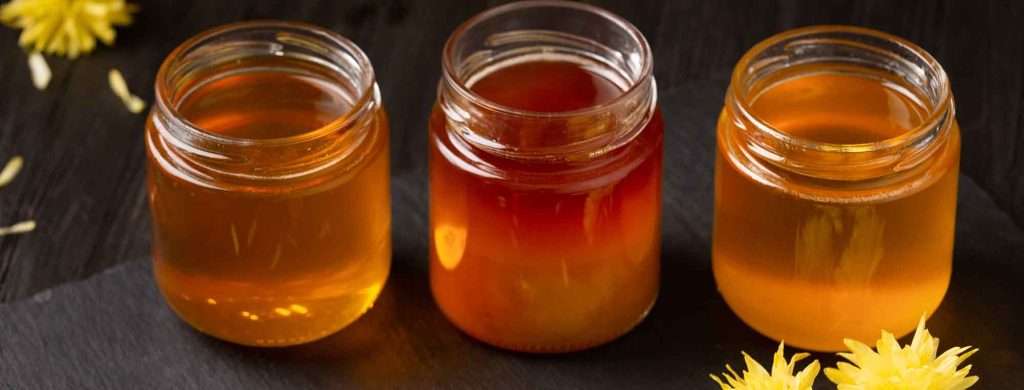
Honey color is a useful guide to flavor.
In general, light-colored honey has a milder flavor. Dark-colored honey has a stronger flavor. This is a general rule, not a strict rule.
Light Honey
Light honeys can have delicate floral, fruit, tea, or fresh flavors. They are useful when you want a clean honey base.
Light honey can also work well in meads with delicate ingredients. Examples include:
- Traditional mead
- Citrus mead
- Floral mead
- Light fruit mead
- Low-alcohol mead
- Sparkling session meads, aka “hydromels”
A light honey does not mean that the mead will have no flavor. A good light honey can provide a subtle character that supports other ingredients.
Dark Honey
Dark honeys usually have stronger flavors.
These flavors can include:
- Molasses
- Caramel
- Malt
- Hay
- Toast
- Earth
- Spice
- Dark fruit
Dark honey can create a rich mead even when the recipe contains few other ingredients. Buckwheat is an obvious example. It can provide a strong flavor that remains noticeable after fermentation.
Dark honey can also be useful as a blend component. You can combine a mild honey with a small amount of a strong honey. This can add complexity without allowing the stronger honey to dominate.
Wildflower Honey
Wildflower honey is not one specific honey. It usually means that the bees collected nectar from many different plants. This makes wildflower honey very different from batch to batch, season to season. The flavor depends on which plants were available to the bees.
A wildflower honey from one region can therefore taste very different from a wildflower honey from another region.
Wildflower honey can be an excellent choice for mead because it can provide a broad and complex honey character. It can also make recipe development more difficult. A recipe that works well with one wildflower honey may taste different when you make it again with another batch.
Wildflower honey is a great choice for making your first mead.
Honey Blends
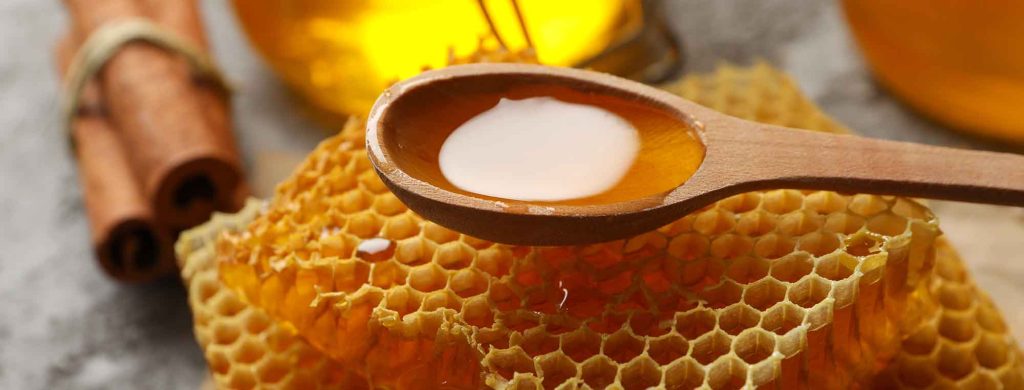
You do not have to use only one honey.
Blending can give you more control over the final mead. For example, you can use a mild honey as the main base and add a smaller amount of a stronger varietal.
A blend can provide:
- A familiar base flavor
- More floral character
- More color
- More aroma
- More complexity
Blending is common in the honey industry. Commercial honey is often blended to produce a consistent color and flavor. So why not in mead?
Mead makers can use the same idea for a different purpose. Instead of trying to make every batch taste the same, you can blend honeys to create a specific flavor profile.
Seasonality
Honey is also affected by the time of year.
Bees collect nectar when different plants are in bloom. The plants that are available in spring may not be available in summer or fall. This changes the honey!
For example, early-season honey can contain nectar from fruit trees, dandelions, or other spring flowers. Later in the year, bees may collect nectar from different plants. The exact pattern depends on location and weather. A beekeeper in Oklahoma does not have the same honey season as a beekeeper in Florida or Maine.
Weather also changes the result. Temperature, rainfall, and the timing of rain can affect which plants produce nectar and when the plants bloom. Even honey from the same beekeeper can change from year to year. This is one reason local honey can be especially interesting for mead.
Harvest Timing Can Change the Mead
A beekeeper may harvest honey after a particular nectar flow.
A spring harvest can have a different character from a summer or fall harvest. Some regions also have distinctive late-season honey sources.
For example, USDA information notes that some goldenrod honey is produced in the fall. It also describes differences between regional honey sources that appear at different times of the year. (source: AMS)
If you make mead with local honey, ask the beekeeper:
- What plants were blooming?
- When was the honey harvested?
- Was the honey blended?
- Was the honey produced from one main floral source?
- What did the beekeeper notice about the flavor?
These questions can tell you more about the honey than the word “wildflower” on the label.
Honey and Fermentation
The yeast does more than produce alcohol. Fermentation changes the aroma and flavor of the honey. Some honey aromas can become less noticeable. Other flavors can become easier to detect after fermentation.
The result is not simply “honey plus alcohol.” This is why you should taste the honey before you make the mead. Take a small sample of the honey. Smell it. Taste it. Look for flavors that you may want in the finished mead.
If the honey has a strong flavor, the finished mead may also have a strong honey character. If the honey has a delicate flavor, other ingredients may become more prominent.
Choosing Honey for a Recipe
Start with the flavor you want.
- If you want a clean and simple traditional mead, choose a mild honey.
- If you want the honey to be the main feature, choose a distinctive varietal.
- If you want a rich and dark mead, consider a dark honey.
- If you want a complex but balanced honey character, consider a blend.
- If you want to make a fruit mead, choose a honey that supports the fruit instead of competing with it.
For example, a delicate orange blossom honey may work well with citrus flavors. A strong buckwheat honey may work better when you want the honey to remain prominent.
There is no universal “best” honey for mead. The best honey is the honey that gives you the flavor you want!

Think of Honey as an Ingredient
Many new mead makers think of honey only as a source of fermentable sugar.
This misses one of the most important parts of mead making.
Honey is a major flavor ingredient. The floral source, color, season, location, weather, and harvest can all affect the honey. The same recipe can produce a different mead when you change the honey. This is also what makes mead interesting!
You can make the same recipe several times with different honeys and get several different meads.
While honey is food for yeast, it is also part of what the mead becomes.