
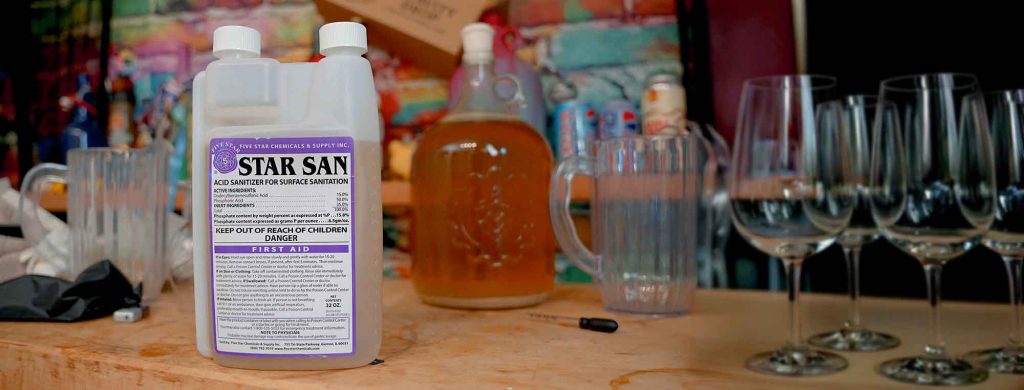
Star San is one of the most popular sanitizers in homebrewing. It is also one of the most misunderstood.
You may hear that mixed Star San must be thrown away after an hour. You may hear that cloudy Star San is no longer effective. You may hear that you should make a fresh batch for every brew day.
These claims are not all supported by the chemistry.
The most useful way to think about Star San is this:
Star San is an acid sanitizer. Its effectiveness depends primarily on maintaining a sufficiently low pH.
When properly diluted, the solution can remain useful for much longer than one brew day, especially when made with low-alkalinity water and stored properly.
This does not mean that every old batch of Star San is safe to use. It means that age alone is a poor way to decide if a Star San solution is still effective.
How Does Star San Work?
Star San is an acid-based sanitizer.
The concentrate contains phosphoric acid and other ingredients that create an acidic environment. When you dilute Star San with water, the resulting solution has a very low pH. This acidic environment damages microorganisms and makes the sanitizer effective. The chemistry is important because it gives you a practical way to evaluate an old solution.
Instead of asking:
“How old is this Star San?”
Ask:
“What is the pH of this Star San?”
Five Star’s technical information has historically identified a pH of approximately 3 or lower as the important threshold for maintaining the desired sanitizing activity.
How Long Does Mixed Star San Last?
There is no single number. A properly prepared solution can last weeks or much longer when stored correctly. Some brewers report keeping Star San made with distilled or RO water for months while the pH remains below 3.
This makes more sense when you understand what causes Star San to become less effective. The acid does not simply stop working because a certain number of hours have passed. The solution becomes less acidic when its acid is consumed or neutralized.
Water chemistry is therefore very important.
Why Does pH Matter?
pH measures acidity.
The pH scale is logarithmic. A lower pH means a more acidic solution. For Star San, the useful question is whether the solution remains sufficiently acidic. A fresh properly diluted solution may have a pH well below 3.
As the acid is neutralized, the pH rises. Once the pH rises above the effective range, you should make a fresh solution. This is why pH is more useful than a calendar when evaluating stored Star San.
What Makes Star San’s pH Rise?
Several things can affect the solution.
The most important is often water alkalinity. Water with significant alkalinity contains compounds that can neutralize acid. This is particularly important with hard or alkaline tap water.
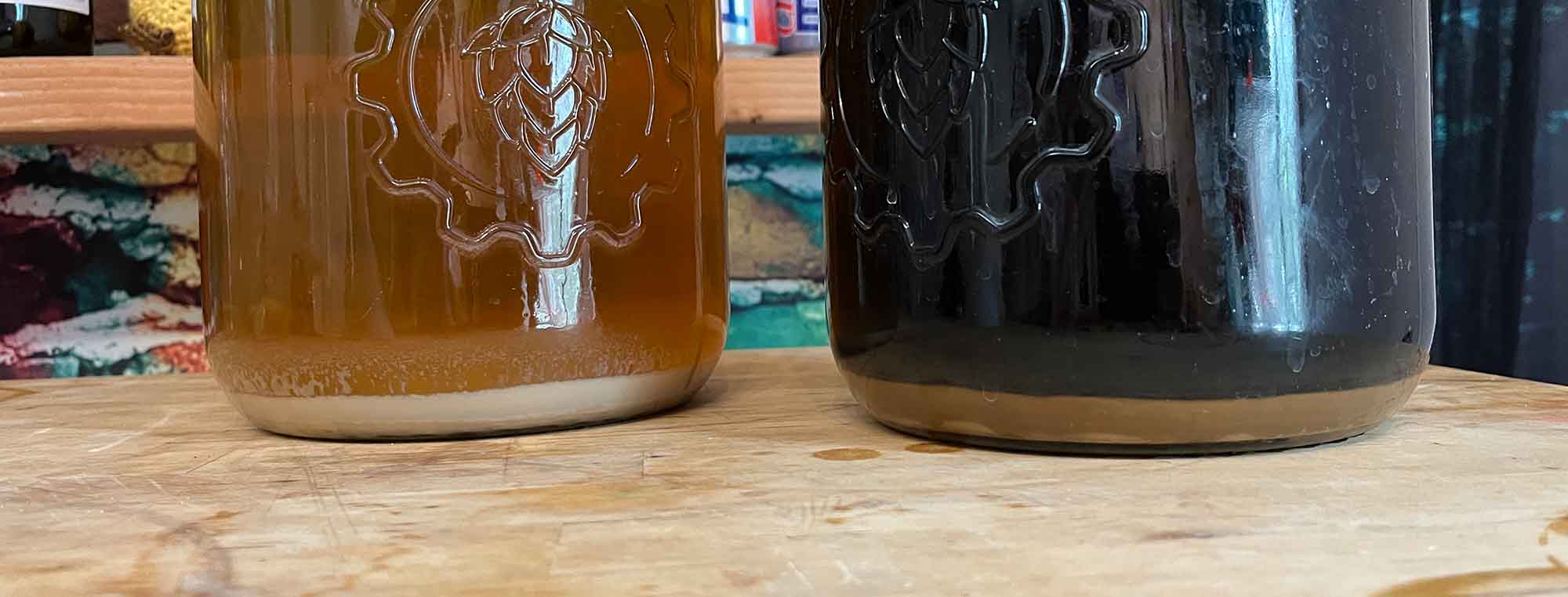
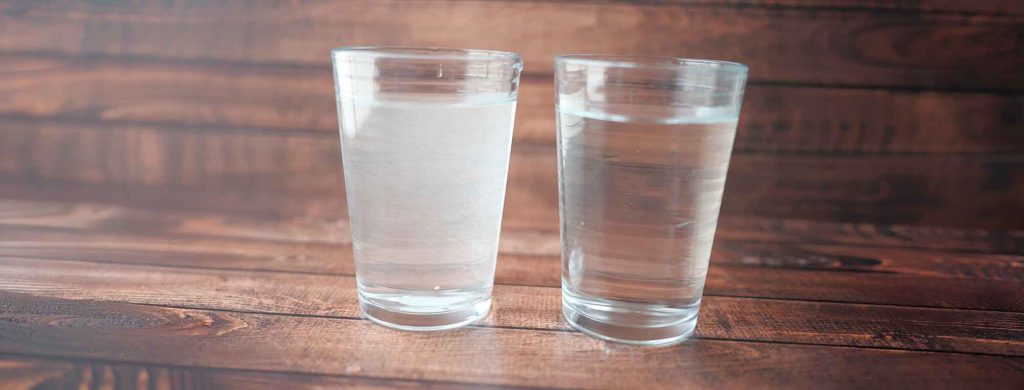
The Star San can become cloudy when minerals react with the acid. However, cloudiness and sanitizer effectiveness are not the same measurement.
Does Cloudy Star San Mean It Is Bad?
Not necessarily. This is an important point. Five Star says that Star San can become cloudy because it is old or because hard-water minerals react with the product.
Cloudiness therefore does not automatically mean that the sanitizer has stopped working. A cloudy solution can still have a sufficiently low pH. Conversely, a clear solution can have a pH that is too high.
If you want to know whether the solution remains acidic enough, measure the pH. Do not use appearance as your primary test.
What Water Should I Use?
The best choice for long-term storage is distilled water or RO water. These waters contain very little mineral content.
They therefore have much less ability to neutralize the acid in Star San. You can use tap water for a batch that you plan to use immediately. However, water chemistry can make stored Star San much less predictable.
If your goal is to make a reusable batch, low-mineral water is inexpensive insurance.
Why Does Hard Water Make Star San Cloudy?
Hard water contains dissolved minerals. When you add an acid sanitizer, some of those minerals can react with the acid. The result can be a cloudy or hazy solution.
This does not necessarily mean that the sanitizer has failed. It means that the water chemistry has affected the solution. Hard water can also contain alkalinity that consumes some of the acid. This can cause the pH to rise.
Is Cloudy Star San Still Safe to Use?
It depends on the pH and condition of the solution. If the solution is cloudy but still has the appropriate pH, the cloudiness alone does not prove that it has stopped sanitizing. However, a heavily contaminated or dirty sanitizer solution should be replaced.
Star San is intended for use on clean equipment. It is not a substitute for cleaning.
How Can I Tell If My Star San Is Still Good?
The simplest method is to check the pH. Use an appropriate low-range pH strip or a calibrated pH meter.
A useful target is: pH 3.0 or lower.
If the solution remains at or below that level and is otherwise clean, it can remain useful. If the pH has risen significantly above that level, make a fresh solution. Do not try to guess based only on the age of the solution.
Are pH Strips Worth Buying?
Yes – good ones. They are inexpensive and can remove much of the guesswork. Choose strips that cover the acidic range.
Very broad strips such as 0–14 can be difficult to read accurately around pH 3. A narrow-range strip is more useful. A properly calibrated pH meter can provide an even more precise measurement.
However, a simple test strip is enough for most homebrewers.
How Should I Store Star San?
Store mixed Star San in a clean, covered container.
Good options include:
- A clean plastic bucket with a lid.
- A clean plastic jug.
- A dedicated spray bottle.
- Another suitable food-contact container.
Keep the container closed when you are not using it. This limits contamination and reduces exposure to dust and other material.
Should I Store Star San in the Dark?
Yes. Keep it away from direct sunlight. The concentrate should also be stored according to the manufacturer’s instructions.
Five Star’s published shelf-life information recommends storing its products away from direct sunlight and gives a typical storage temperature range of about 60–100°F.
For a homebrew storage area, a cool, dark cabinet is a good choice.
Does Temperature Matter?
Yes. Extreme temperatures are not good for chemical products. Avoid storing Star San concentrate in a location that becomes extremely hot. Do not leave it in direct sunlight.
For mixed solution, normal indoor storage is generally practical. The important goal is to avoid unnecessary heat, sunlight, and contamination.
Does the Star San Concentrate Expire?
The concentrate has a shelf life. Five Star’s published shelf-life information has listed Star San at approximately 18–24 months, while also noting that storage conditions can affect chemical stability.
That is different from the life of a properly diluted solution. A bottle of concentrate can last a long time. A mixed solution can also remain useful for a long time. Do not confuse the two.
Does Star San Go Bad After One Hour?
This is where things become confusing.
Five Star’s current product page says that, because Star San is an EPA-registered sanitizer, it should be used immediately and that the company does not recommend using a mixed solution after more than one hour.
That is the manufacturer’s current recommendation. It is also much more conservative than the chemistry-based approach that many homebrewers use. A one-hour cutoff should therefore be understood as a manufacturer and regulatory-use recommendation, not as evidence that the acid suddenly stops sanitizing at 61 minutes.
The chemistry does not work on an hour-long timer.

Why Is There a One-Hour Recommendation?
This is an important distinction.
A manufacturer selling an EPA-registered sanitizer has regulatory requirements that are different from a homebrewer deciding whether a stored solution remains acidic. The manufacturer must make claims and instructions that fit the registered product and its approved use.
That does not mean that the solution undergoes a sudden chemical transformation after one hour. It means that the manufacturer is telling you how it wants the registered sanitizer used. For ordinary homebrewing, you can separately understand the chemistry and decide how much risk you are willing to accept.
Should You Throw Away Star San After Every Brew Day?
You can. It is simple and conservative. But you do not necessarily need to.
If you make a large batch with distilled or RO water, keep it covered, use it only on properly cleaned equipment, and check the pH before use, there is a reasonable basis for reusing it. Again, homebrewers have reported stored solutions remaining below pH 3 for months.
That does not mean every batch will last months.
It means that there is no chemical reason to assume that every mixed batch becomes useless after one day.
Does Star San Need to Be Clear?
No. Clear Star San is convenient. It is not a requirement. Minerals in your water can cause cloudiness, and a cloudy solution can still have a low pH.
Likewise, a clear solution can have a pH that is too high. The pH is the useful measurement.
What If There Is Sediment in the Bottom?
Sediment is different from simple cloudiness. If you have been repeatedly dipping dirty equipment into the solution, organic material and debris can accumulate.
That is a good reason to replace the solution.
Remember: Star San is a sanitizer, not a cleaning bath. Only put properly cleaned equipment into it.
Can I Put Dirty Equipment Into Star San?
No. Clean the equipment first. Star San works best when it can contact the surface directly.
Yeast, hop material, fruit pulp, and other organic residue can interfere with sanitation. Use a brewing cleaner like PBW or OxiClean Free to remove the residue.
Then rinse as appropriate. Then sanitize.
Can I Reuse Star San After Sanitizing Equipment?
Yes, if the solution remains in suitable condition. This is one of the practical advantages of an acid sanitizer.
You can use a batch to sanitize:
- Fermenters.
- Siphons.
- Tubing.
- Bottles.
- Hydrometers.
- Airlocks.
- Bottle fillers.
- Kegs.
- Small brewing tools.
You do not need to make a new batch for every individual piece of equipment.
What About a Spray Bottle?
A spray bottle is one of the easiest ways to use Star San. Make a properly diluted solution.
Put it into a clean, labeled spray bottle. Keep the bottle closed when not in use. Use it on clean equipment. Check the pH periodically.
This can greatly reduce the amount of sanitizer that you use.
Can I Keep Star San in a Spray Bottle for Months?
Potentially, yes. The same basic chemistry applies. The solution does not automatically become ineffective because it is in a spray bottle.
However, the bottle should be clean and closed. Do not use a contaminated spray bottle. Do not fill it with dirty Star San. Check the pH before relying on an older solution.
What About Foam?
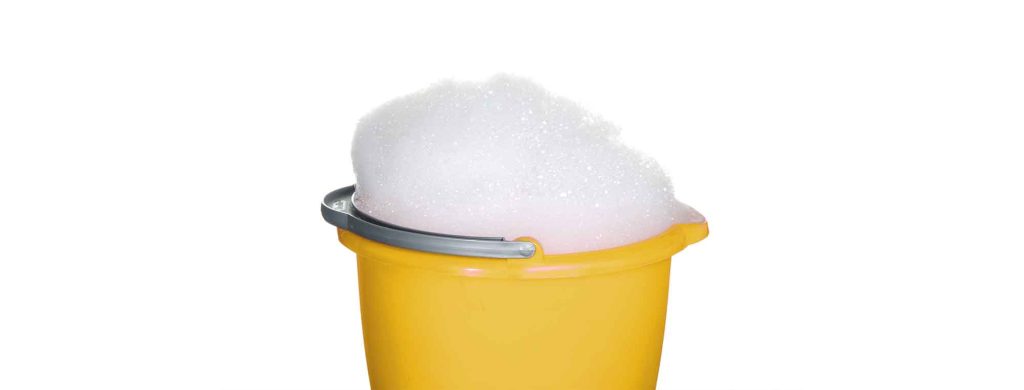
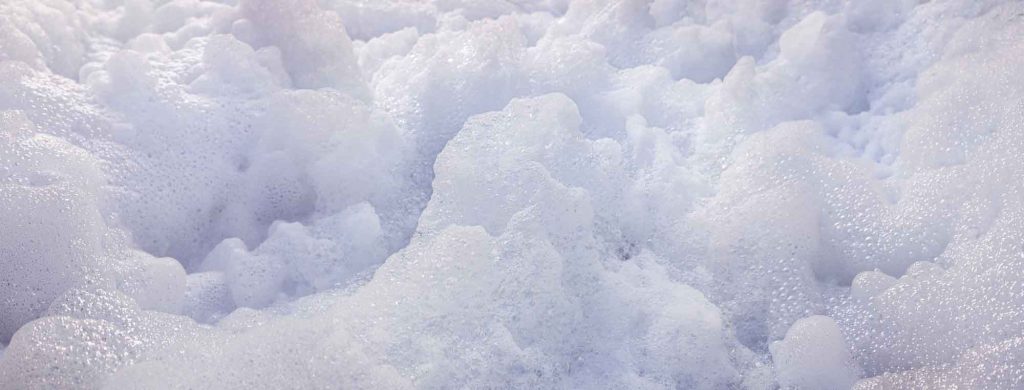
Do not fear the foam. Star San is a high-foaming sanitizer. The foam is not a sign that the sanitizer has failed.
Five Star specifically describes Star San as a high-foaming sanitizer and states that it can be used without rinsing at the recommended dilution. If some foam remains in your fermenter, you normally do not need to rinse it away when the product has been used according to its instructions.
Does Foam Mean Star San Is Still Working?
Not necessarily.
Foam is not a reliable measurement of sanitizer strength. A solution can produce foam without being at the correct pH. Likewise, changes in foam do not give you a precise indication of effectiveness.
If you want to know whether the solution remains effective, check the pH.
Does Star San Lose Strength When It Dries?
The sanitizer needs to contact the surface while it is active. For normal use, follow the manufacturer’s required contact time. Five Star currently recommends at least 1–2 minutes of contact time.
You do not need to keep the equipment submerged indefinitely. After the required contact time, drain it.
Do not rinse when using Star San according to its no-rinse instructions.
What About Bottles?
Star San works well for bottle sanitation.
Clean the bottles first. Then fill or thoroughly wet them with Star San. Allow the required contact time. Drain them.
You can then fill them without rinsing when using Star San according to its instructions.
Does Star San Kill Everything?
No sanitizer should be treated as magic.
Star San is designed to reduce microorganisms to an appropriate level when used correctly. It does not replace cleaning. It also does not make dirty equipment safe simply because you sprayed it.
Good brewing sanitation is a complete process. Clean equipment first. Sanitize it second.
What About the Claims That Star San “Goes Bad” Quickly?
Be skeptical of absolute claims.
There is an important difference between:
“The manufacturer recommends replacing the solution after one hour.”
and:
“Star San chemically becomes ineffective after one hour.”
The first statement is supported by the manufacturer’s current instructions. The second statement is not a good description of how an acid sanitizer works. Acid does not have a one-hour expiration timer.
Its effectiveness depends on the chemical environment. Water alkalinity, contamination, storage, and other factors can affect the solution. This is why pH is such a useful practical indicator.

Should I Trust the pH Test Completely?
No test should be treated as magic. A pH reading tells you about acidity. It does not tell you whether the solution contains a large amount of dirt or organic material.
A solution can have a low pH and still be a poor choice if it has become visibly dirty. Use both measurements and common sense.
If the solution is:
- Very dirty.
- Full of debris.
- Contaminated with organic material.
- Extremely old and poorly stored.
- Outside the appropriate pH range.
Make a fresh batch. Star San is inexpensive, so there is no reason to use obviously contaminated sanitizer.
A Practical Star San Storage Routine
For a homebrewer, a simple routine works well.
Step 1: Use Low-Mineral Water
Use distilled or RO water when you plan to store the solution.
Step 2: Mix Correctly
Follow the manufacturer’s dilution instructions.
The current Star San instructions specify 1 ounce per 5 gallons of water.
Step 3: Use a Clean Container
Use a clean container that can be closed.
Step 4: Keep It Covered
Put a lid or cap on the container when it is not in use.
Step 5: Keep It Out of Direct Sunlight
Store it in a cool, dark area.
Step 6: Use It Only on Clean Equipment
Do not turn the sanitizer into a dirty soaking bucket.
Step 7: Check the pH
Check the pH before using an older solution.
Step 8: Replace It When Necessary
If the pH is too high or the solution has become dirty, make a new batch.
How Much Star San Do I Really Need?
Probably less than you think. You do not need to fill a five-gallon bucket for every brew day. You can make a small batch. You can also use a spray bottle.
For many homebrewers, this makes Star San extremely economical. A properly managed reusable solution can reduce that cost even further.
Is Reusing Star San Safe?
It can be, when you understand the limitations.
The important factors are:
- Correct dilution.
- Appropriate pH.
- Clean equipment.
- Clean storage container.
- Covered storage.
- Low-mineral water.
- No obvious contamination.
If those conditions are met, there is little reason to assume that a solution automatically becomes ineffective because it has been sitting for a particular number of days.
The Bottom Line
So, how long does Star San last?
There is no universal expiration time for a properly diluted solution. The manufacturer’s current instructions are conservative and say to use mixed Star San immediately rather than keep it longer than one hour. However, that should not be confused with a chemical rule that Star San suddenly stops working after one hour.
Star San is an acid sanitizer.
The pH is the important part of the chemistry.
For a reusable homebrew solution:
- Use distilled or RO water when possible.
- Store the solution in a clean, covered container.
- Keep it away from direct sunlight and excessive heat.
- Only put clean equipment into it.
- Check the pH before use.
- A pH of 3.0 or lower is the commonly cited target for maintaining Star San’s sanitizing activity.
- Replace the solution if the pH rises out of range or the solution becomes heavily contaminated.
Cloudiness alone is not a reliable indication that Star San has stopped working. Age alone is not a reliable indication either.
Measure the pH. Keep the solution clean. Store it properly.
That is a much more useful approach than automatically throwing perfectly good sanitizer down the drain after every brew day.