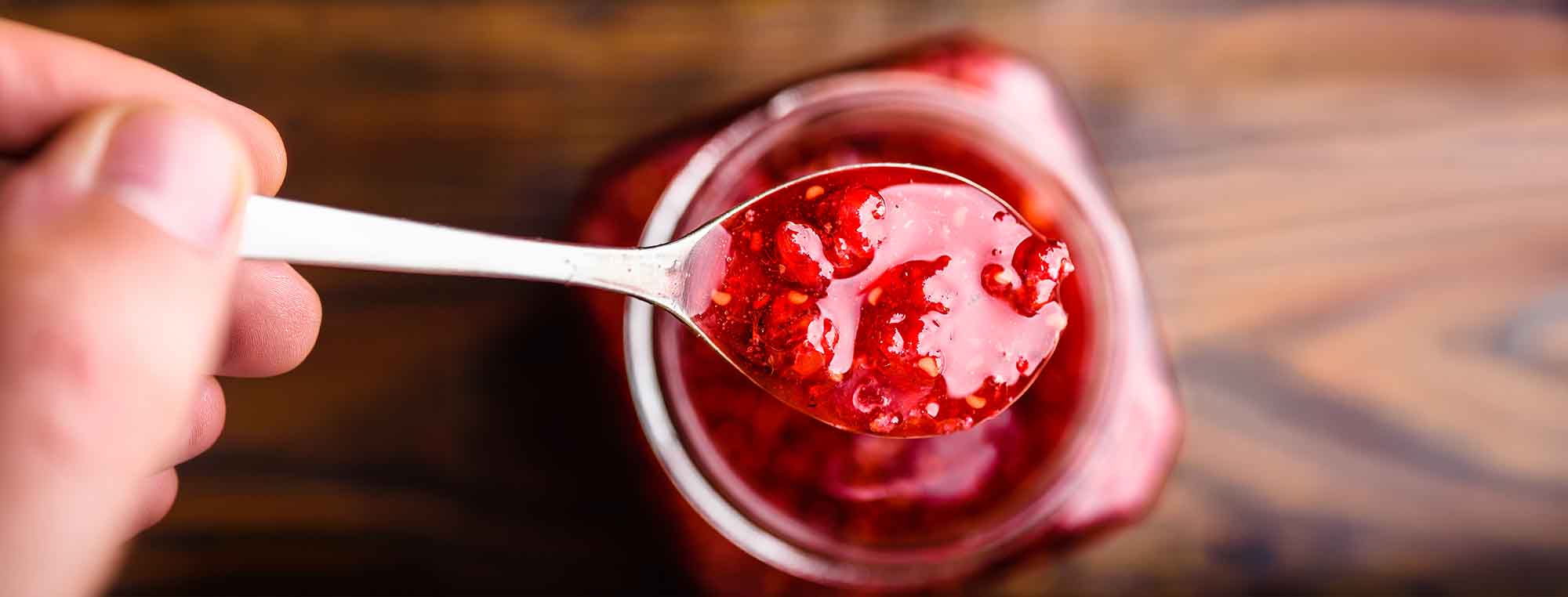
Jam can be a useful ingredient for homemade wine and mead.
Jam already contains fruit, sugar, and water. Some jams also contain pectin, acid, and preservatives. This makes jam a convenient way to add fruit flavor and fermentable sugar.
You can use jam to make a fruit wine. You can also use jam as a fruit ingredient in mead. The process is simple, but you must understand the ingredients in the jam before you start.
What Is Jam?
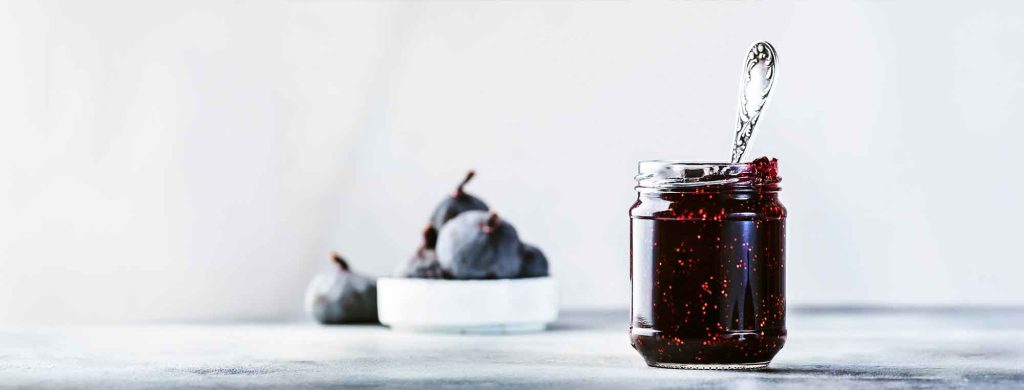
Jam is usually made from fruit, sugar, and a gelling agent.
Common ingredients include:
- Fruit
- Sugar
- Water
- Pectin
- Citric acid
- Lemon juice
- Preservatives
Some products contain additional ingredients. Always read the label before you use a jam for fermentation.
Choose the Right Jam
Not every jam is equally useful for fermentation.
A simple jam with fruit, sugar, pectin, and acid is usually a good choice. Avoid products with ingredients that can interfere with yeast.
Look for jams without:
- Potassium sorbate
- Sodium benzoate
- Other chemical preservatives intended to prevent mold or yeast growth
These preservatives do not always make fermentation impossible. They can, however, make fermentation slow or unreliable.
A jam that contains sorbate or benzoate may be better used as a flavoring ingredient after fermentation rather than as the main fermentable fruit source.
Read the Fruit Percentage
The fruit percentage can vary greatly between products. A jam with a high fruit content can provide more fruit flavor. A product with a low fruit content may provide mostly sugar and water.
Compare labels when you choose a jam.
Jam Wine
Jam wine is a fruit wine made by fermenting jam with water and yeast.
The basic ingredients are:
- Jam
- Water
- Yeast
- Yeast nutrients
- Acid, if needed
The jam provides much of the sugar and fruit character. The water reduces the sugar concentration to a level that yeast can ferment effectively.
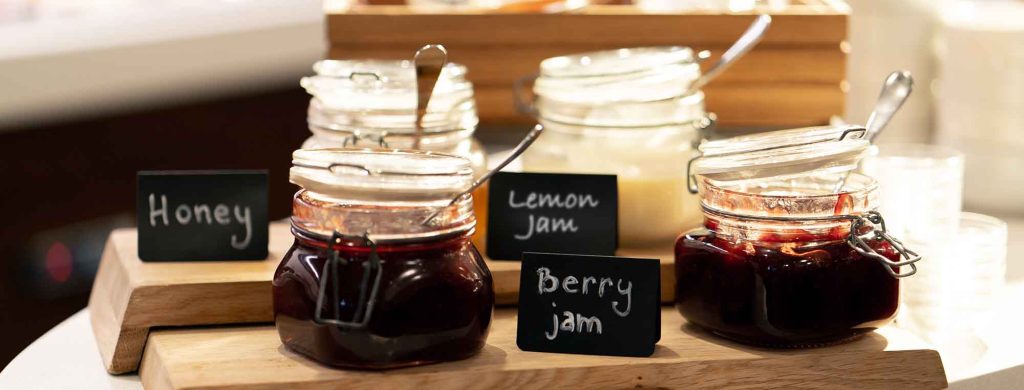
Jam Mead
Jam can also be used in mead.
The basic ingredients are:
- Honey
- Jam
- Water
- Yeast
- Yeast nutrients
The honey provides the main fermentable sugar and honey character. The jam provides fruit flavor and additional sugar.
The result can be similar to a traditional fruit mead, but the jam makes fruit preparation easier.
How Much Jam Should You Use?
There is no single correct amount.
The amount depends on:
- Jam sugar content
- Fruit content
- Desired alcohol level
- Desired fruit flavor
- Desired sweetness
- Batch size
A good starting point is to calculate the sugar contribution from the jam. Do not assume that one jar of jam contains a fixed amount of sugar. Read the nutrition label.
If the label lists sugar per serving, calculate the total sugar in the entire container.
For example, if a container has 10 servings and each serving contains 12 grams of sugar:
10 × 12 = 120 grams of sugar
That sugar will contribute to the total fermentable sugar in the recipe. The jam may also contain sugar that comes naturally from the fruit.
Use a Hydrometer
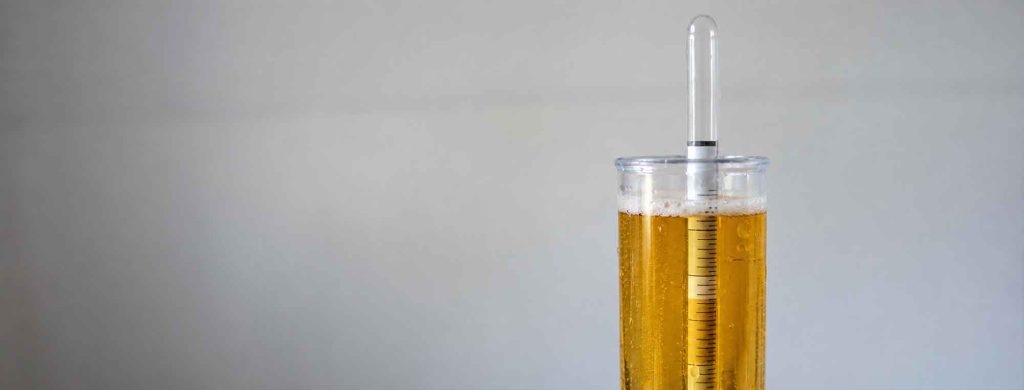
A hydrometer is one of the most useful tools for jam wine or mead.
Measure the specific gravity before fermentation. This tells you approximately how much sugar is present in the liquid.
After fermentation, measure the specific gravity again. The difference between the original gravity and final gravity can help you estimate alcohol content.
A hydrometer is more reliable than trying to calculate alcohol from the amount of jam alone.
Avoid Excessive Sugar
Jam can contain a large amount of sugar. Honey also contains a large amount of sugar. If you combine a large amount of jam with a large amount of honey, the starting gravity can become too high. A very high starting gravity can stress yeast.
This can result in:
- Slow fermentation
- Stalled fermentation
- Excessive sweetness
- Strong fermentation character
Measure the starting gravity before you pitch the yeast. Dilute the must with water if the gravity is too high for your intended yeast and recipe.
Equipment
You do not need specialized equipment.
A basic setup includes:
- Fermentation vessel
- Airlock
- Hydrometer
- Hydrometer jar
- Digital scale
- Mixing spoon
- Funnel
- Siphon
- Tubing
- Bottles
- Bottle filler
- Sanitizer
- Cleaning equipment
A wide-mouth fermentation vessel can make jam easier to handle. A narrow carboy can work after the jam has been mixed into the liquid.
Additional Useful Equipment
Some equipment can make the process easier.
Useful additions include:
- Wine thief
- Large brewing spoon
- Mesh fruit bag
- Fine straining bag
- Temperature controller
- Degassing wand
- Kegging equipment
Sanitation
Clean and sanitize all equipment before use.
This includes:
- Fermentation vessel
- Lid
- Airlock
- Spoon
- Funnel
- Hydrometer
- Siphon
- Tubing
- Bottles
Jam contains sugar and fruit material. These materials can support unwanted microorganisms. Good sanitation is therefore important.
Prepare the Jam
Jam is thick. Do not add a large amount of thick jam directly to a narrow carboy. It can be difficult to mix and difficult to remove later.
A wide-mouth fermentation bucket is easier.
Add the jam to the vessel. Add warm water. Stir until the jam dissolves. Do not use extremely hot water to avoid the risk of breaking glass. Allow the mixture to cool before you add yeast.
Use a Blender With Care
A blender can help break up thick jam.
Use a clean and sanitized blender.
However, blending adds oxygen to the mixture. This is less important before fermentation begins because yeast needs oxygen during its growth phase. Avoid unnecessary blending after fermentation has started, for example if back-sweetening with jam.
Pectin
Jam usually contains pectin. Pectin helps jam form its gel structure.
Pectin can cause haze in fermented beverages. It can also make the finished wine or mead difficult to clear.
Use Pectic Enzyme
Pectic enzyme, also called pectinase, can break down pectin. It can improve clarification and also helps release fruit juice and flavor.
Add pectic enzyme according to the manufacturer’s instructions. The exact dosage depends on the product.
Some products work best when added before fermentation.
Acid
Jam often contains acid.
Common acids include:
- Citric acid
- Malic acid
- Tartaric acid
- Lemon juice
Do not add acid automatically. The jam will already provide enough acidity for a healthy fermentation. Save acid adjustment for your later balancing in secondary.
Yeast Nutrients
Jam provides sugar and fruit. It does not necessarily provide all of the nutrients that yeast needs. Mead has the same problem because honey is rich in sugar but relatively low in yeast nutrients.
Use a yeast nutrient designed for wine or mead.
Common nutrient ingredients include:
For a deep-dive, read our comprehensive article ranking all the mead nutrients. Follow the manufacturer’s dosage instructions or use a nutrient calculator like MeadTools.
For mead, a staggered nutrient addition can provide better yeast nutrition than adding all nutrients at the beginning. Use a nutrient schedule that matches the yeast strain and recipe.
Choose a Yeast
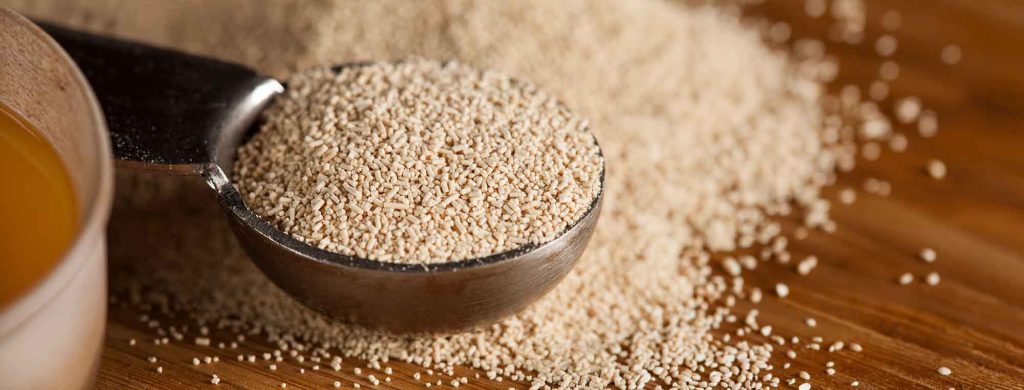
Wine and mead yeast are good choices.
Common characteristics to consider include:
- Alcohol tolerance
- Temperature range
- Flavor profile
- Fermentation speed
- Nutrient requirements
A neutral wine yeast can allow the fruit flavor to remain prominent. A yeast with a stronger character can add additional fermentation aromas. Do not choose yeast only by alcohol tolerance.
The yeast character is part of the final beverage.
Temperature
Control the fermentation temperature when possible.
Fermenting too warm can produce unwanted flavors. Fermenting too cold can slow or stop fermentation.
Follow the yeast manufacturer’s recommended temperature range. A temperature-controlled refrigerator or fermentation chamber can provide better control.
A Basic Jam Wine Process
A simple process can follow these steps.
Step 1: Clean and Sanitize
Clean and sanitize the equipment.
Step 2: Add the Jam
Add the desired amount of jam to a sanitized fermentation vessel, preferably a bucket.
Step 3: Add Water
Add water and mix until the jam is evenly distributed.
Use enough water to reach the desired batch volume and starting gravity.
Step 4: Measure Gravity
Use a hydrometer to measure the starting gravity.
Adjust the amount of water if necessary.
Step 5: Add Pectic Enzyme
Add pectic enzyme according to the manufacturer’s instructions.
Step 6: Add Nutrients
Add the appropriate yeast nutrients.
Step 7: Add Yeast
Add the yeast after the must reaches the correct temperature.
Step 8: Ferment
Attach the airlock.
Allow fermentation to continue at the recommended temperature.
Step 9: Monitor Gravity
Measure the gravity during fermentation.
A falling gravity shows that fermentation is active.
Step 10: Transfer
When the initial fermentation is complete, transfer the wine to a clean vessel.
Avoid splashing.
Step 11: Allow the Wine to Clear
Allow the wine to settle.
Pectic enzyme can help reduce pectin haze. Time can also help the beverage clear.
Step 12: Stabilize if Needed
If you want to backsweeten, stabilize the beverage first.
Common stabilizers include potassium sorbate and potassium metabisulfite.
Follow the manufacturer’s dosage instructions.
Step 13: Backsweeten
Add additional jam, fruit, honey, or sugar if desired.
Taste as you go.
Remember that adding fermentable sugar can restart fermentation if not properly stabilized.
Step 14: Package
Bottle or keg the finished wine.
Confirm that fermentation is complete before bottling.
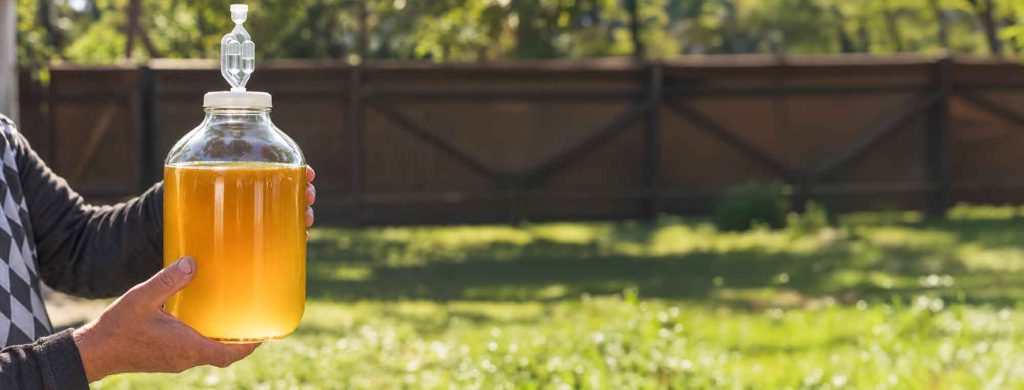
A Basic Jam Mead Process
Jam mead follows a similar process.
The main difference is that honey provides part of the fermentable sugar.
Step 1: Prepare the Must
Add water, honey, and jam to a sanitized fermentation vessel.
Mix thoroughly.
Step 2: Measure Gravity
Measure the starting gravity.
Adjust the amount of honey or water to reach the desired starting gravity.
Step 3: Add Pectic Enzyme
Add pectic enzyme according to the manufacturer’s instructions.
Step 4: Add Yeast Nutrients
Add a suitable nutrient blend.
Use a staggered nutrient schedule when appropriate.
Step 5: Add Yeast
Add the yeast at the recommended temperature.
Step 6: Ferment
Maintain a suitable fermentation temperature.
Step 7: Monitor Gravity
Monitor the specific gravity.
The gravity should decrease as the yeast consumes sugar.
Step 8: Transfer
Transfer the mead when the primary fermentation is complete.
Avoid splashing.
Step 9: Allow the Mead to Clear
Allow time for fruit material and yeast to settle.
Use additional fining products if necessary.
Step 10: Stabilize and Sweeten
Stabilize the mead if you want to add more fermentable sugar.
Then add honey or jam to reach the desired sweetness.
Step 11: Package
Bottle or keg the finished mead.
Preservatives and Fermentation
Preservatives are one of the most important things to check before you ferment jam. Potassium sorbate and sodium benzoate are common.
They are used to prevent microorganisms from growing. They can also interfere with fermentation.
This does not mean that every jam containing preservatives will fail to ferment. It can mean that the fermentation may be less predictable.
For a reliable fermentation, choose a jam without yeast-inhibiting preservatives.
Jam and Sulfites
Some jams may contain sulfites. Sulfites can inhibit microorganisms. Wine and mead makers also use sulfites as part of their normal fermentation and stabilization processes.
The amount of sulfite in a commercial jam can vary. Check the label. Properly diluted into a must, the sulfites should not be an issue for fermentation and will eventually dissipate.
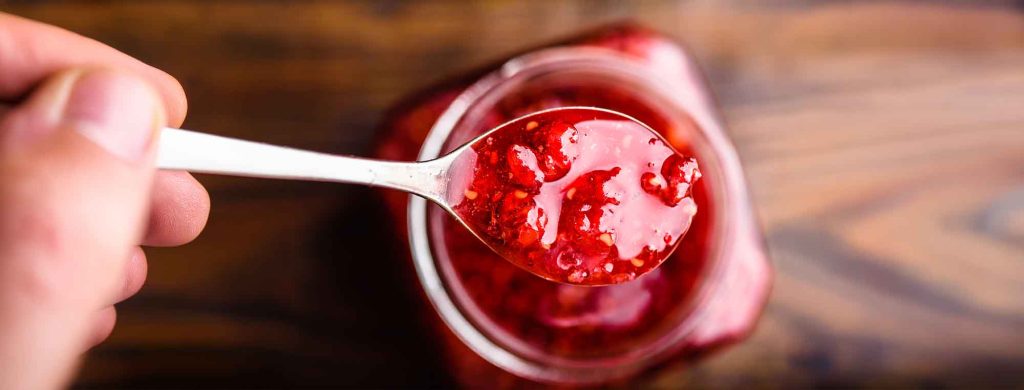
Backsweetening With Jam
Jam can be an excellent backsweetener as it provides both sugar and fruit flavor.
However, it can also add pectin and additional solids. If you use jam after fermentation, consider using pectic enzyme.
Stabilize the beverage before adding fermentable sugar if you do not want fermentation to restart. Potassium sorbate and potassium metabisulfite are commonly used together for stabilization.
Jam Can Restart Fermentation
This is one of the most important rules.
Jam contains sugar. Yeast can ferment that sugar.
If you add jam to a finished wine or mead, fermentation can restart. Do not bottle immediately after adding jam.
Monitor the gravity. Make sure the gravity remains stable before you package the beverage. A sealed bottle containing actively fermenting wine or mead can build dangerous pressure.
Clearing a Jam Wine
Jam can produce a cloudy beverage.
The cloudiness can come from:
- Pectin
- Fruit solids
- Yeast
- Protein
- Other suspended material
Several methods can help.
Time
Time is the simplest method.
Allow the wine or mead to sit undisturbed. Many particles will settle naturally.
Pectic Enzyme
Pectic enzyme can reduce haze caused by pectin.
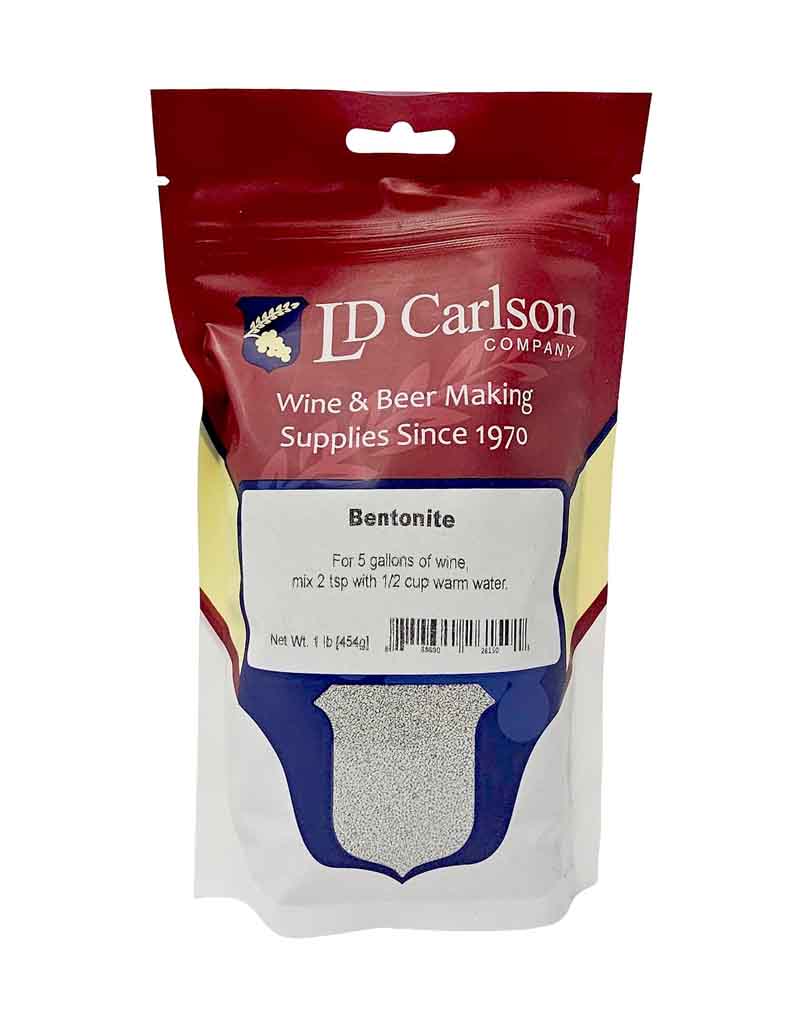
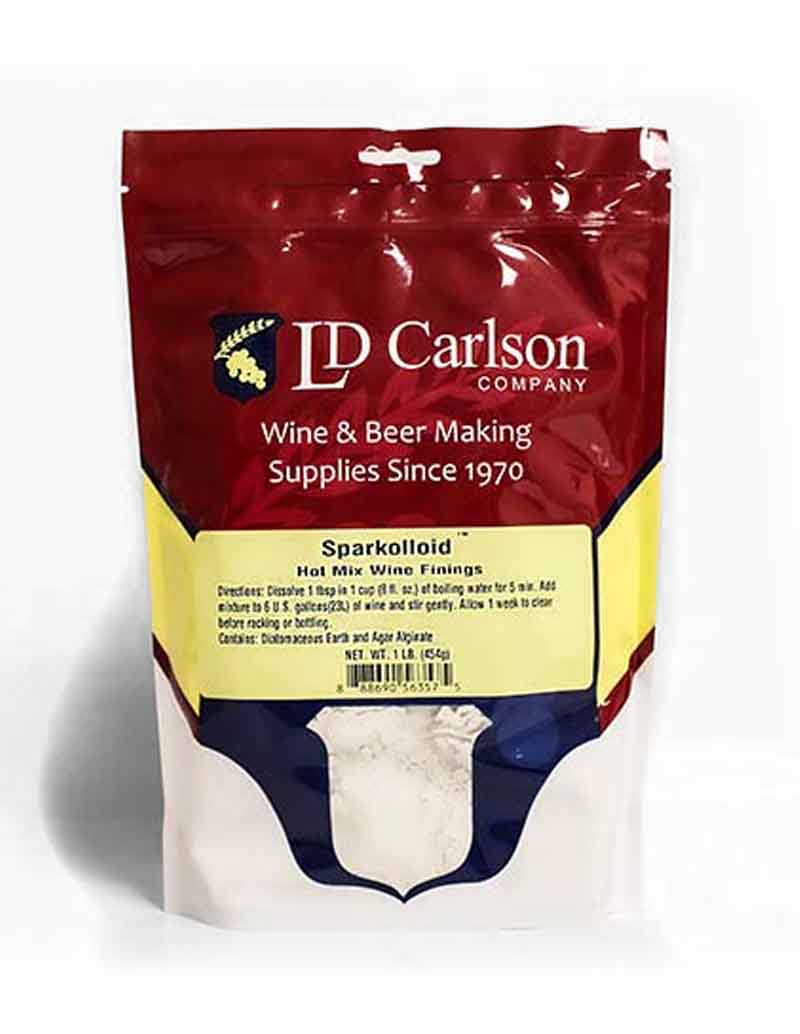
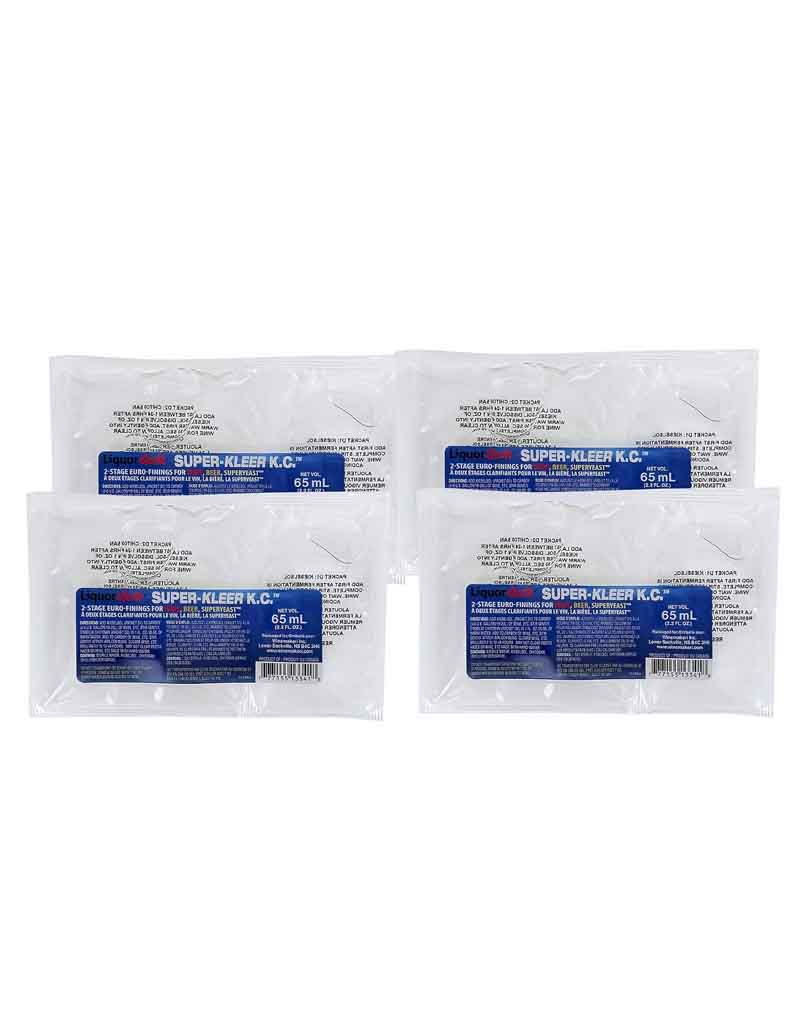
Fining Agents
Fining agents can remove certain types of suspended material.
Common products include:
- Bentonite
- Kieselsol
- Chitosan
- Sparkolloid
Different products work on different materials due to differing charges.
Follow the manufacturer’s instructions. Do not add every fining agent to the same batch.
Avoid Excessive Headspace
After fermentation slows, oxygen becomes more important. A large amount of headspace can increase odds of oxidation.
Use a fermentation vessel that fits the volume. If necessary, transfer the wine or mead to a smaller vessel. A vessel with a narrow neck can reduce the exposed surface area.
Taste Before You Adjust
Jam varies widely.
One strawberry jam may be very different from another. The same is true for raspberry, blackberry, peach, cherry, and other jams. Taste the jam before you make the recipe.
Look for:
- Fruit intensity
- Sweetness
- Acidity
- Artificial flavors
- Preservatives
- Spices
- Color
- Pectin
Use this information to decide how much jam to use.

Equipment Checklist
A basic jam wine or mead setup includes:
- Food-safe fermentation vessel
- Airlock
- Hydrometer
- Hydrometer jar
- Digital scale
- Mixing spoon
- Funnel
- Siphon
- Tubing
- Bottles or keg
- Bottle filler
- Sanitizer
- Cleaner
Useful additions include:
- pH meter
- Wine thief
- Temperature controller
- Pectic enzyme
- Yeast nutrient
- Potassium sorbate
- Potassium metabisulfite
- Fining agent
The Main Advantages of Jam
Jam provides several advantages for home fermentation.
It is:
- Easy to measure
- Easy to store
- Available throughout the year
- Already processed
- Rich in fruit flavor
- Rich in fermentable sugar
It can also make it easy to experiment with fruit combinations.
You can make a raspberry mead without processing fresh raspberries. You can make a peach wine without peeling and cutting peaches. You can make a mixed-berry wine without buying several types of fresh fruit.
The Main Disadvantages
Jam also has limitations.
It can contain:
- Preservatives
- Excessive sugar
- Pectin
- Added flavors
- Added acid
- Artificial color
- Large amounts of fruit solids
This makes the label important. Jam is not a standardized brewing ingredient. Two products with the same fruit name can produce very different results.
Start With Small Batches
Jam is inexpensive compared with many specialty brewing ingredients. This makes it useful for experiments. Start with a small batch.
Record:
- Brand of jam
- Fruit type
- Amount of jam
- Amount of water
- Amount of honey
- Starting gravity
- pH
- Yeast strain
- Fermentation temperature
- Final gravity
- Tasting notes
The next batch can then be adjusted based on the results.
The Main Rule
Jam is already halfway to being a fermentation ingredient. It contains fruit and sugar. It may also contain the acid and pectin that you need to manage.
The key is to treat the jam as a complete ingredient rather than as simple fruit.
- Read the label.
- Measure the gravity.
- Use appropriate yeast nutrients.
- Use pectic enzyme when needed.
- Avoid preservatives that can interfere with fermentation.
- Monitor the fermentation after every addition of fermentable sugar.
With the right jam and a controlled process, a jar of jam can become a surprisingly good wine or mead. Thanks, Grandma!