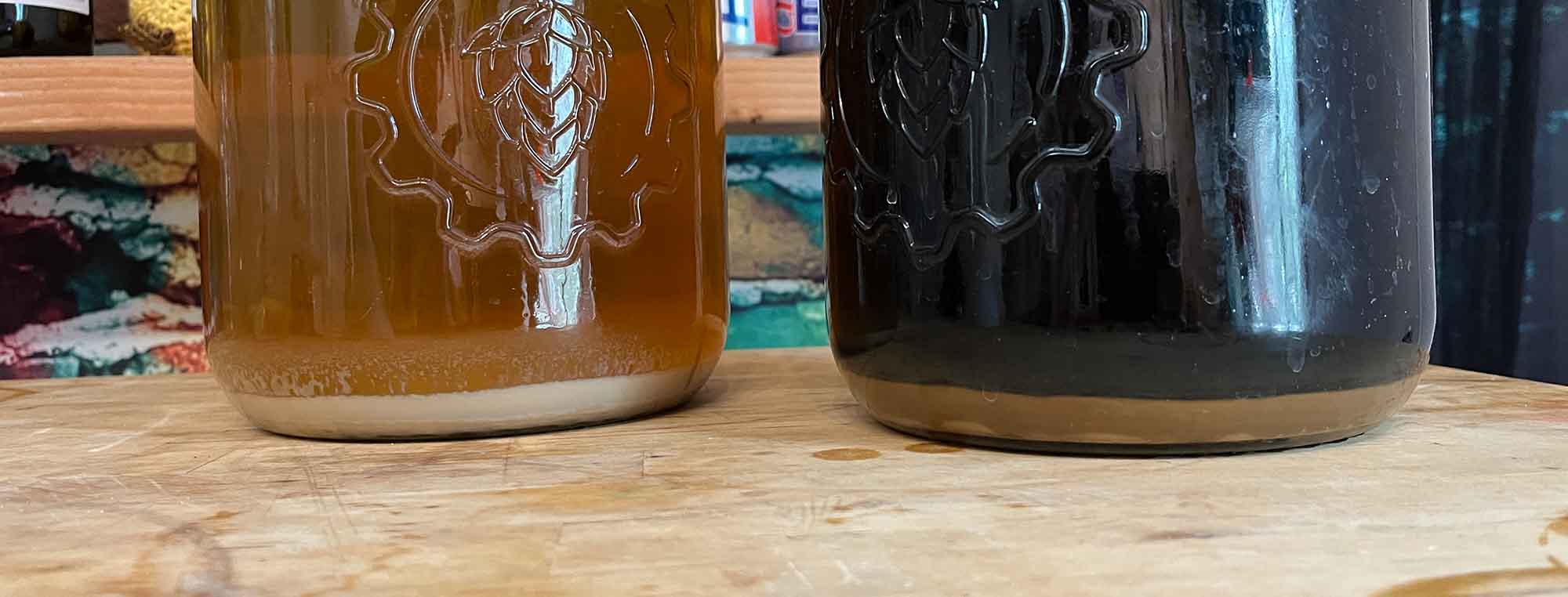

Honey contains a lot of sugar. Honey does not contain enough of the nutrients that yeast need for a healthy fermentation.
This is one of the main differences between mead and many other fermented drinks.
A grape must contains lots of nutrients from the grapes. A beer wort contains nutrients from the malt. A honey-and-water mead must does not provide the same nutrition.
This means that a good nutrient plan is important for mead.
So, what is the best mead yeast nutrient? For many meads, Fermaid O is an excellent choice. But there is no single best nutrient for every mead.
The correct nutrient plan depends on:
- The yeast strain
- The starting gravity
- The batch size
- The ingredients in the must
- The target alcohol level
- The nutrient product
- The nutrient schedule
The good news is that you do not need to guess.
A nutrient calculator can use these values to build a nutrient plan for your specific mead.
New to mead? Be sure to download our FREE 120-page book on all things meadmaking. It’s great for beginners!
Why Does Mead Need Yeast Nutrient?
Yeast need more than sugar. Yeast need nitrogen, vitamins, minerals, and other compounds to grow and reproduce.
Honey provides a large amount of fermentable sugar. It does not normally provide enough yeast-assimilable nitrogen (YAN) for a strong fermentation.
This creates a problem.
You can add yeast to honey and water and get fermentation. The fermentation may even look healthy at first. The yeast can then run short of nutrients.
A nutrient-poor fermentation can produce:
- Slow fermentation
- A stuck fermentation
- Sulfur odors
- Harsh alcohol character
- Poor yeast health
- A long fermentation
Nutrient additions help prevent these problems.
What Is YAN?
YAN means yeast-assimilable nitrogen. Yeast can use YAN during fermentation.
YAN comes from two main types of nitrogen:
- Organic nitrogen
- Inorganic nitrogen
Organic nitrogen comes from amino acids and yeast-derived nutrients. Inorganic nitrogen usually comes from diammonium phosphate (DAP). The amount of YAN that a fermentation needs is not the same for every batch.
A higher-gravity fermentation usually needs more nitrogen than a lower-gravity fermentation.
Yeast strains also have different nitrogen requirements. This is important. Do not choose a nutrient dose only because it says “one teaspoon per gallon.” That may be a useful general instruction for a basic recipe. It is not a complete nutrient plan.
The Main Mead Nutrients
There are several products that you will see in mead recipes.
They do different jobs.
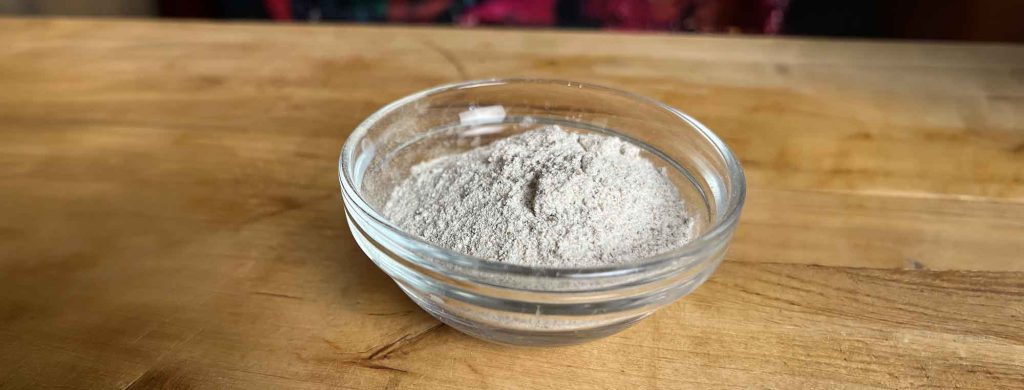
Fermaid O
Fermaid O is a yeast nutrient made from inactivated yeast. It provides organic nitrogen. It also provides other yeast nutrients.
Fermaid O is commonly used in TOSNA-style mead nutrient schedules. Scott Laboratories lists Fermaid O as an organic nitrogen source and recommends adding it during active fermentation rather than simply treating it as a pitch-only nutrient.
For a typical mead, Fermaid O is a very good starting point. It is especially useful when you want a simple nutrient plan.
The important point
Fermaid O is a nutrient. TOSNA is a schedule.
They are not the same thing. TOSNA tells you when to add the nutrient. Fermaid O is one of the nutrients that you can use in that schedule.
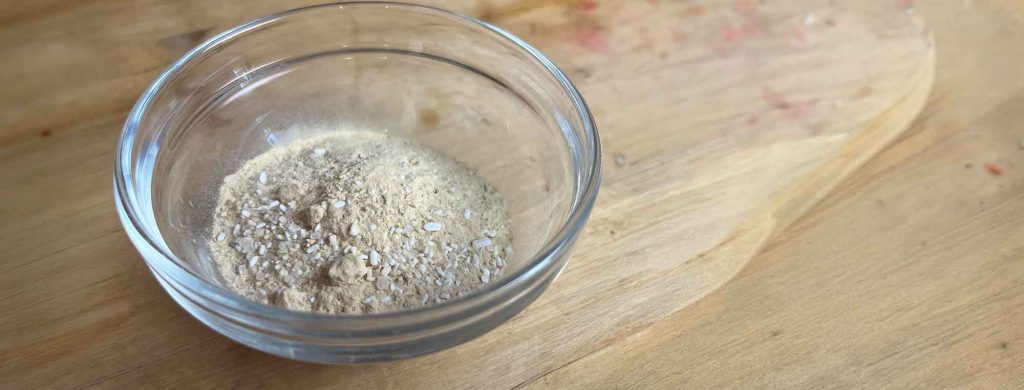
Fermaid K
Fermaid K is a more complete nutrient blend.
It contains:
- DAP
- Yeast-derived nutrients
- Vitamins
- Minerals
The DAP provides inorganic nitrogen. The other components provide organic nitrogen and micronutrients. Scott Laboratories describes Fermaid K as a combination of inorganic nitrogen from DAP and organic nutrients from inactivated yeast.
Fermaid K can be useful when a fermentation needs a fast source of inorganic nitrogen. It is also useful in nutrient programs that combine several nutrient sources.
Do not use the same gram dose of Fermaid K that you would use for Fermaid O. They are different products and their nitrogen contributions are different.
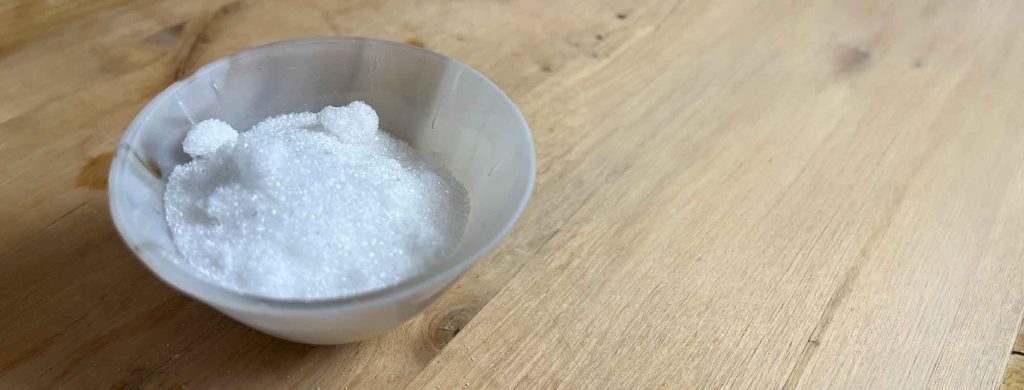
DAP
DAP means diammonium phosphate and it is a concentrated source of inorganic nitrogen.
- It is inexpensive.
- It works.
- It is also easy to overuse.
DAP is most useful during the early part of fermentation, while yeast can use inorganic nitrogen.
Do not add large amounts of DAP late in fermentation.
A common rule in mead nutrition is to avoid DAP additions after the fermentation has reached about 9% ABV. The reason is that yeast become less able to use inorganic nitrogen as alcohol levels increase.
For this reason, a nutrient plan that contains DAP should put that DAP early in the fermentation.
Go-Ferm
Go-Ferm is different from the nutrients above as Go-Ferm is primarily a yeast rehydration nutrient. You use it when you rehydrate dry yeast.
It helps provide the vitamins, minerals, and other compounds that yeast need when they begin fermentation. It is not a replacement for your main fermentation nutrient.
Think of it this way:
- Go-Ferm helps prepare the yeast.
- Fermaid O, Fermaid K, and DAP feed the fermentation.
Using Go-Ferm does not mean that you do not need a fermentation nutrient.
Yeast Energizer
“Yeast energizer” is not a single standardized product.
Different products sold under this name can contain different ingredients.
- Some contain DAP.
- Some contain yeast hulls.
- Some contain magnesium or other nutrients.
- Some contain several ingredients.
Check the product label before you use it. Do not assume that every product called yeast energizer has the same nutrient value.
Older mead recipes often use a combination of yeast nutrient and yeast energizer. This can work, but modern nutrient calculations give you more control over the actual nitrogen requirement.
Boiled Bread Yeast
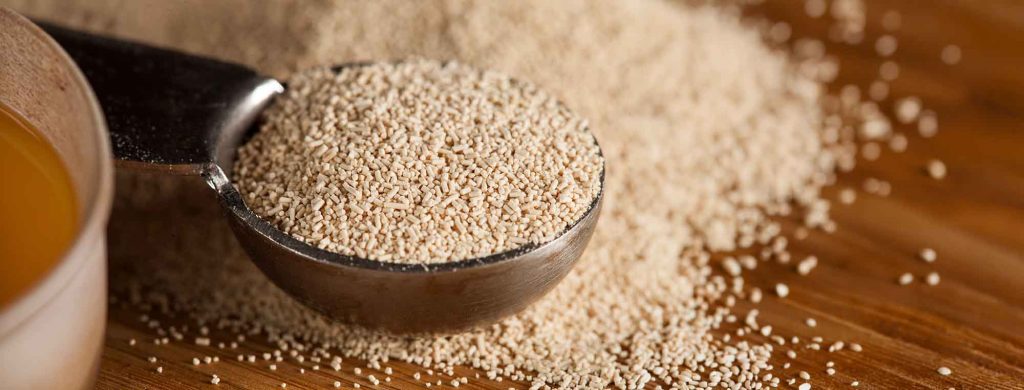
Boiled bread yeast is a simple alternative.
You can boil a portion of yeast to kill the cells. The resulting yeast material can provide nutrients to the active yeast. This method can be useful when you do not have access to a commercial nutrient product.
It is less precise than using a commercial nutrient with a known composition. It also makes accurate YAN calculations more difficult – generally about 3x the dosage of Fermaid O.
For simple mead experiments, it can still be useful.
Does the Yeast Strain Matter?
Yes. This is one of the most important points in mead nutrition.
Just like various yeast strains have different preferred temperature ranges, they also have different nutrient requirements.
A yeast manufacturer may classify a strain as having a low, medium, or high nitrogen requirement. That classification matters when you build a nutrient plan. A high-demand strain can need more nitrogen than a low-demand strain in the same must.
The starting gravity also matters. A 1.070 hydromel does not put the same demand on yeast as a 1.130 traditional mead.
Temperature, pitch rate, alcohol level, and the composition of the must also affect fermentation performance. MeadTools includes yeast-specific nutrient requirements in its calculations. This is one reason it can produce different nutrient amounts for different yeast strains.
Do not treat all wine yeast as the same
This is a common mistake.
You may use several different wine yeasts for mead. That does not mean they all need the same nutrient program. For example, if you change from one strain to another, check the new strain’s nutrient requirement.
Do not copy the nutrient amount from an old recipe without checking the new yeast.
What Is a Staggered Nutrient Addition?
A staggered nutrient addition, or SNA, means that you divide the nutrient into several additions. You do not add the entire nutrient dose at the beginning.
This gives the yeast access to nutrients during the period when they are actively growing.
One common schedule is:
- 24 hours after pitch.
- 48 hours after pitch.
- 72 hours after pitch.
- The 1/3 sugar break.
TOSNA uses this type of four-part schedule with Fermaid O. MeadTools and other modern mead calculators use staggered nutrient schedules because the timing of nutrient availability matters.
What Is the 1/3 Sugar Break?
The 1/3 sugar break is the point where the yeast have consumed about one-third of the fermentable sugar.
For example:
If your mead starts at 1.120, the 1/3 sugar break is about 1.080.
That is because the gravity has dropped by 40 points.
You can calculate it like this:
Starting gravity − [(Starting gravity − 1.000) ÷ 3]
For a 1.120 mead:
1.120 − [(1.120 − 1.000) ÷ 3]
1.120 − 0.040 = 1.080
You should use a hydrometer to track this. Do not rely only on the number of days since you pitched the yeast. Fast fermentations can reach the 1/3 sugar break sooner than expected. Slow fermentations can reach it later.
How to Use the MeadTools Nutrient Calculator
The easiest way to build a good nutrient schedule is to use a calculator.
The MeadTools calculator lets you calculate nutrient requirements from the details of your batch.
The important inputs include the conditions that affect yeast nutrition, such as:
- Batch volume.
- Starting gravity.
- Yeast strain.
- Nutrient type.
- Yeast quantity.
- Other sources of nitrogen.
- Fruit or other ingredients that can contribute nutrients.
The calculator can then give you the amount of nutrient required and divide that amount into additions.
This is much better than using a fixed “X teaspoons per gallon” rule.
Step 1: Determine Your Batch Volume
Enter the actual volume of must that the yeast will ferment. Do not use the size of your fermenter.
A five-gallon bucket does not mean that you have five gallons of mead. If you have 4.5 gallons of must, enter 4.5 gallons. Small differences matter more as your batches become larger or more complex.
Step 2: Measure Your Starting Gravity
Take a hydrometer reading before you pitch the yeast. Record the gravity.
For example:
OG: 1.110
Use the measured gravity instead of the gravity that your recipe predicted.
- Honey can vary.
- Water volume can vary.
- Fruit can change the gravity.
Your hydrometer tells you what is actually in the fermenter.
Step 3: Select Your Yeast Strain
Select the exact yeast strain when the calculator provides it, as the yeast strain affects the nutrient requirement.
This is one of the main reasons that the MeadTools calculation can change when you change yeast.
Step 4: Select Your Nutrient
Select the nutrient that you actually have.
- If you have Fermaid O, select Fermaid O.
- If you have Fermaid K, select Fermaid K.
- If you use a combination, enter the products used in the calculation.
Do not calculate a Fermaid O dose and then substitute Fermaid K by weight. That does not work.
Step 5: Include Fruit When Appropriate
Fruit can contribute nitrogen.
This is important for melomels and other fruit meads. The amount varies with the fruit and the amount used. For example, mangoes are uniquely high in YAN.
A traditional mead made from honey and water has very different nutrition from a mead made with several pounds of fruit. Enter the fruit information when the calculator supports it. This can reduce the amount of supplemental nutrient that the calculation requires.
Step 6: Read the Total Nutrient Amount
The calculator gives you a total amount. This is the total amount for the fermentation. It is not necessarily the amount for one addition.
For example, if the calculator says:
12 grams Fermaid O total
and you use four additions, you would divide that amount between four additions.
That gives:
3 grams per addition.
Your actual calculation will depend on your batch and yeast.
Step 7: Follow the Schedule
A common four-addition schedule is:
- 24 hours: first addition.
- 48 hours: second addition.
- 72 hours: third addition.
- 1/3 sugar break: final addition.
MeadTools can provide the calculated schedule for your batch.
Follow the gravity information as well as the clock. If your fermentation reaches the 1/3 sugar break early, do not blindly keep adding nutrients because the calendar says it is time. The nutrient schedule is designed for the active growth phase.
Example: A 5-Gallon Traditional Mead
Imagine that you are making a 5-gallon traditional mead.
Your measured starting gravity is:
1.110
You use a wine yeast with a medium nutrient requirement. You use Fermaid O.
You enter those values into the MeadTools calculator. The calculator determines the nutrient requirement for that fermentation.
It then gives you a total Fermaid O amount and the corresponding additions.
You weigh the nutrient. You do not measure it with a teaspoon unless the product manufacturer gives you a specific volume-to-weight conversion.
If the calculator says 3.2 grams, weigh 3.2 grams.
Do not use “about one teaspoon.” Small batches can make this difference important. A gram scale is inexpensive and useful for meadmaking.

Why Not Add All the Nutrient at Pitch?
You can use an upfront nutrient addition in some situations.
It can make sense for a low-gravity mead like a hydromel, as a hydromel can ferment quickly. The yeast may consume most of the available sugar before a four-stage schedule is useful.
MeadTools’ nutrient schedule information also recognizes upfront nutrition as a useful option for low-gravity fermentations that may finish before a normal staggered schedule can be completed.
For a normal or high-gravity mead, staggered additions give you better control. You are feeding the yeast during the period when they need the nutrients.
Do Not Add Nutrient After Fermentation Is Nearly Finished
More nutrient is not always better. Yeast can only use nutrients effectively during the appropriate part of fermentation. Late nutrient additions can leave unused nutrients in the mead. They can also affect flavor.
This is especially important with DAP. If you are using a nutrient containing DAP, keep the DAP additions early. Do not try to rescue a nearly finished fermentation by dumping in a large dose of nutrient.
If fermentation has slowed or stopped, first determine why.
Check:
- Temperature
- Gravity
- pH
- Yeast health
- Alcohol level
- Nutrient availability
- Oxygen exposure
- Fermentation progress
A stalled fermentation needs diagnosis. It does not automatically need more nutrient.
What Is the Best Nutrient Schedule for Mead?
For a typical medium- or high-gravity mead, a staggered schedule is a good starting point.
A simple approach is:
Go-Ferm for dry yeast rehydration.
Then:
Fermaid O in staggered additions.
Use additions at:
- 24 hours.
- 48 hours.
- 72 hours.
- 1/3 sugar break.
Use a calculator to determine the total amount. Then divide that amount according to the schedule.
This is similar to the TOSNA approach used in modern meadmaking. MeadTools also lists other approaches, including mixed Fermaid O, Fermaid K, and DAP schedules.
This does not mean that every mead should use the same schedule.
- A very high-gravity mead may need a more complex plan.
- A hydromel may need a simpler plan.
- A fruit mead may get part of its nitrogen from the fruit.
- A particular yeast strain may have a high nutrient requirement.
This is why the calculator matters.
Fermaid O vs. Fermaid K vs. DAP
| Nutrient | Main nitrogen source | Typical use in mead |
| Fermaid O | Organic nitrogen | Main nutrient for many staggered schedules |
| Fermaid K | Organic + inorganic nitrogen | Mixed nutrient schedules and nitrogen correction |
| DAP | Inorganic nitrogen | Early fermentation nitrogen source |
| Go-Ferm | Rehydration nutrients | Dry yeast preparation |
| Yeast energizer | Depends on product | Supplemental nutrition |
| Boiled yeast | Organic yeast nutrients | Simple alternative |
The products are not interchangeable by weight. Always use the dose for the specific product.
What About Cider?
Cider Has More Natural Nutrition
Cider and mead have different nutrient problems. Apple juice can contain some nitrogen and other nutrients. This means that a cider may need less supplemental nutrition than a honey-and-water mead.
But do not assume that every cider has enough nitrogen.
Juice can have low YAN. Processed juice can also have different nutrient levels from fresh juice. If you know the juice’s YAN, use that information.
Commercial winemaking nutrition plans are often based on measured or estimated YAN in the juice. Scott Laboratories, for example, bases its nutrition planning on starting sugar, yeast nitrogen requirement, and the YAN already present in the juice.
For cider, the correct question is not:
“How much nutrient does one gallon of cider need?”
The better question is:
“How much YAN does this juice provide, and how much does this yeast need?”

What About Wine?
Wine Must Is Not Mead Must
Wine grapes provide more nutrients than honey. This does not mean that wine never needs nutrients.
It means that the starting must can already contain some YAN. In fact, commercial winemakers often measure or estimate the YAN in the juice before calculating the nutrient addition.
The calculation is:
YAN required − YAN already present = additional YAN required
For example:
220 ppm required − 150 ppm present = 70 ppm additional YAN
The same idea applies to mead. The difference is that a simple honey-and-water mead normally starts with very little useful nitrogen. That is why nutrient management is so important in mead.
A Note About High-Gravity Mead
Big meads are not just normal meads with more honey.
A 1.150 mead puts much more stress on yeast than a 1.080 mead.
- The yeast must ferment more sugar.
- The alcohol level becomes higher.
- Osmotic stress is higher at the start.
- Nutrient requirements can also increase.
High-gravity meads therefore need more attention to:
- Yeast selection
- Pitch rate
- Rehydration
- Temperature
- Oxygen during early fermentation
- Nutrient quantity
- Nutrient timing
Some advanced mead recipes use combinations of Fermaid O, Fermaid K, DAP, and Go-Ferm for very high-gravity fermentations. MeadTools recipes show examples of this approach for meads targeting very high alcohol levels.
Do not copy those nutrient amounts into a normal 1-gallon mead. The recipe conditions are different.
The Simple Answer
If you want one practical answer:
Start with Fermaid O and a calculated staggered nutrient schedule.
Use Go-Ferm when you rehydrate dry yeast.
Use a nutrient calculator to determine the amount.
Use your actual starting gravity. Select your actual yeast strain. Include fruit when appropriate. Track the gravity during fermentation. Make the final staggered addition at the 1/3 sugar break.
Do not treat a nutrient schedule as a fixed recipe.
- Your yeast strain matters.
- Your starting gravity matters.
- Your ingredients matter.
- Your batch size matters.
That is why the best mead nutrient is not really a single product. The best nutrient plan is the one that supplies the correct nutrients to the correct yeast at the correct time.
For most home meadmakers, Fermaid O is a very good tool for that job. The calculator is what turns it from a guess into a plan.