
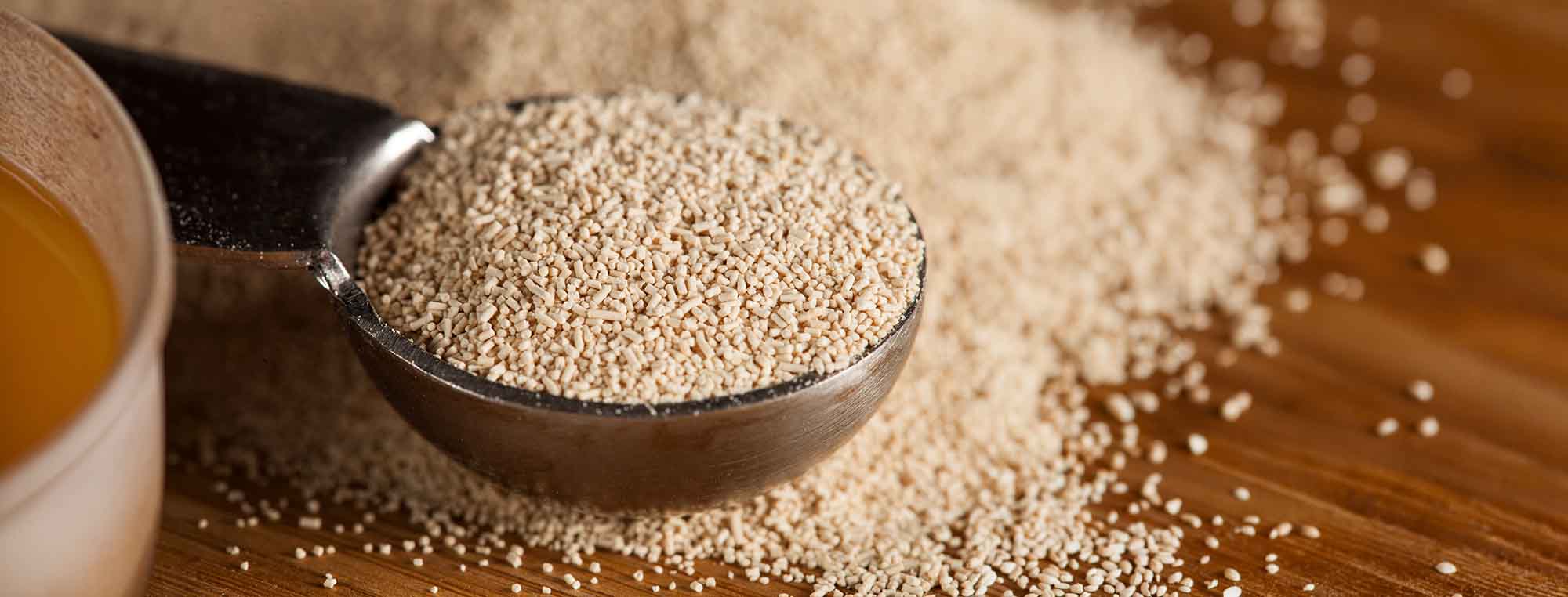
Honey contains a lot of sugar. That is why honey makes mead.
It is also one reason that mead can be difficult to ferment. A high concentration of sugar puts stress on yeast cells. This is called osmotic stress.
Osmotic stress can slow yeast growth and fermentation. It can also make yeast more sensitive to other fermentation problems. This matters most when making high-gravity meads.
A 1.150 mead does not give yeast the same starting conditions as a 1.070 mead.
The yeast must begin fermentation in a very concentrated sugar solution. That creates a difficult environment before the yeast has produced any alcohol.
New to mead? We wrote a free 120-page beginner’s guide to making mead – download it now!
What Is Osmotic Stress?
Osmosis is the movement of water across a cell membrane. Yeast cells need water to function.
When the liquid outside the yeast cell contains a very high concentration of dissolved sugar, there is a large difference between the inside and outside of the cell. Water can move out of the yeast cell. The cell then has to work to maintain its internal water balance. This is osmotic stress.
The yeast must spend energy dealing with the stress instead of using all of its energy for growth and fermentation.
In simple terms: A lot of sugar makes the yeast’s job harder.
Why Is Mead Especially Affected?
Honey is mostly sugar. When you mix a large amount of honey with a small amount of water, you create a high-gravity must.
For example:
3 pounds of honey in 1 gallon of must
creates a very different environment from:
1.5 pounds of honey in 1 gallon of must.
The first mead starts with much more sugar. That means greater osmotic pressure. The yeast must adapt to that environment before it can ferment all of the sugar. This is one reason that high-gravity meads require more attention to yeast selection, nutrition, temperature, and fermentation management.
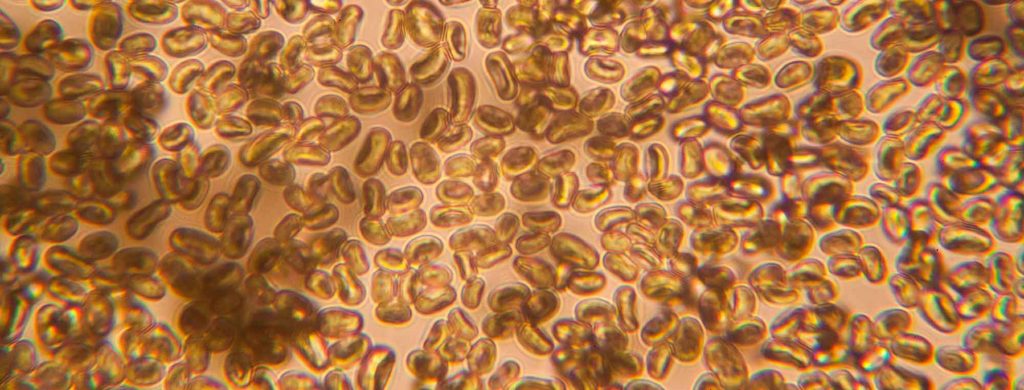
Osmotic Stress Happens Before Alcohol Stress
This is an important distinction.
People often think that high-alcohol meads are difficult because alcohol kills the yeast. Alcohol is certainly a stress on yeast. But it is not the first stress in a high-gravity mead.
The yeast can experience osmotic stress from the sugar before significant alcohol is produced. A very high starting gravity can therefore make fermentation difficult from the beginning.
The yeast must deal with:
- High sugar concentration
- Rapid growth requirements
- Nutrient requirements
- Increasing alcohol concentration
- Increasing fermentation stress
The fermentation becomes harder as it progresses.
Starting Gravity Matters
Starting gravity is one of the easiest ways to estimate the sugar concentration of your must. A higher starting gravity normally means more sugar.
For example:
| Starting Gravity | General description |
| 1.060 | Low gravity |
| 1.080 | Moderate gravity |
| 1.100 | Higher gravity |
| 1.120 | High gravity |
| 1.140+ | Very high gravity |
These numbers are not universal stress categories. Yeast strain, temperature, nutrients, pitch rate, and other factors matter.
The table simply shows why starting gravity is useful. A yeast strain that easily ferments a 1.080 mead may have a much harder time starting a 1.140 mead.
Why Does High Gravity Slow Fermentation?
Yeast need to adapt to the environment. In a high-sugar must, the cells can lose water. The cells respond by producing and retaining compounds that help maintain their internal water balance. This adaptation requires energy. That energy is not available for unlimited growth and fermentation.
The result can be:
- A longer lag phase
- Slower yeast growth
- Slower fermentation
- Lower attenuation
- Greater sensitivity to nutrient problems
- Greater sensitivity to temperature problems
The yeast are not necessarily “weak.” Rather, they are working in a difficult environment.
Osmotic Stress Is Not the Same as Alcohol Tolerance
These problems can look similar. A high-gravity mead may ferment slowly.
You may think:
“The yeast cannot handle the alcohol.”
That may be wrong. The yeast may be struggling with the sugar concentration. This can happen early in fermentation.
Later, alcohol becomes an additional stress. This creates a difficult combination.
- High starting gravity creates early stress.
- Increasing alcohol creates later stress.
The yeast must survive both.

Why Pitch Rate Matters
Pitch rate is the amount of yeast that you add to the must. A larger, healthy pitch can help a high-gravity mead start fermentation. A small pitch makes the yeast population work harder to reproduce.
That reproduction happens while the cells are already dealing with high sugar. This can increase fermentation stress. A good pitch does not eliminate osmotic stress, but it gives the yeast more healthy cells to start the fermentation.
For high-gravity mead, use a yeast strain with a suitable alcohol tolerance and fermentation profile. Follow the yeast manufacturer’s pitching recommendations.
Yeast Rehydration Matters
Dry yeast should be handled according to the manufacturer’s instructions. Some dry yeast rehydration nutrients are designed to help yeast prepare for fermentation. Go-Ferm is one example.
A healthy rehydration process can improve yeast survival and performance. This does not remove the sugar stress in the must. It helps you start with healthy yeast. That matters more when the fermentation environment is difficult.
Nutrients Matter More in a High-Gravity Mead
Honey is rich in sugar, but honey is not a complete yeast food.
High-gravity meads therefore create two problems at the same time:
- A lot of sugar
- Not enough yeast nutrition
The yeast must ferment a large amount of sugar while dealing with a nutrient-poor must. But nutrient management can reduce this additional stress.
Use a calculated nutrient schedule. Do not simply add more nutrient because the fermentation is slow. Too much nutrient can create its own problems. The nutrient requirement depends on the yeast strain, starting gravity, and must composition.
Yeast Strain Matters
Not every yeast strain responds to osmotic stress in the same way. Some strains are better suited to high-gravity fermentations. Others perform better at lower alcohol levels.
Some strains have high nutrient requirements. Others have lower requirements. Some strains tolerate high sugar concentrations better than others.
This is why choosing a yeast based only on its advertised alcohol tolerance can be a mistake. A yeast may have an alcohol tolerance of 18%. That does not mean that it will start happily in a 1.150 must.
Alcohol tolerance and high-gravity fermentation performance are not the same thing.

Temperature Matters Too
Temperature can make osmotic stress easier or harder to manage.
A yeast strain that is already under sugar stress may perform poorly outside its recommended temperature range. Too cold can slow fermentation. Too hot can increase yeast stress and unwanted fermentation compounds.
Do not try to solve a high-gravity fermentation problem by simply raising the temperature. A warmer fermentation can increase fermentation speed. It can also increase unwanted flavor compounds.
Use the temperature range recommended for the yeast strain.
Oxygen Helps Early Fermentation
Yeast need oxygen during the early growth phase. Oxygen helps yeast build healthy cell membranes. This is important when yeast are preparing for a difficult fermentation.
The need for oxygen is greatest early in fermentation. After fermentation is established, excessive oxygen exposure can create oxidation problems.
A practical approach is to provide appropriate oxygenation or aeration early, according to your fermentation process. Do not repeatedly introduce oxygen into an aging mead.
The Staggered Nutrient Schedule Helps
A high-gravity mead benefits from good nutrient timing. Do not dump the entire nutrient dose into the fermenter at the start unless the nutrient plan specifically calls for it. A staggered nutrient addition provides nutrients during the active growth phase.
A common schedule uses additions at:
- 24 hours
- 48 hours
- 72 hours
- The 1/3 sugar break
The exact amounts depend on the yeast and must. Use a nutrient calculator to determine the total requirement. Then follow the schedule for that specific fermentation.
What Is the 1/3 Sugar Break?
The 1/3 sugar break is a useful point in fermentation. It means that the yeast have consumed about one-third of the original fermentable sugar.
You can estimate it from the starting gravity.
For example:
Starting gravity:
1.120
Gravity points above 1.000:
120
One-third of 120:
40
Subtract 40 points from the starting gravity:
1.120 − 0.040 = 1.080
The 1/3 sugar break is therefore approximately:
1.080
Use a hydrometer to determine when your mead reaches this point. This is more reliable than guessing based on the number of days since pitching.
Should I Add More Honey Later?
Sometimes. A technique called step feeding adds honey after fermentation has already started.
This can reduce the initial sugar concentration. Instead of starting with an extremely high-gravity must, you start with a lower gravity.
The yeast can establish a healthy fermentation. You then add additional honey later. This can reduce the initial osmotic stress.
For example, instead of making a 1.140 must on day one, you might start at a lower gravity and add honey during active fermentation.
The yeast then encounters the additional sugar after it has already grown and adapted. This can be useful for very high-gravity meads. It does not make the fermentation stress-free. The additional honey still increases the sugar concentration, but the yeast also have increasing alcohol levels to deal with.
Step Feeding Is Not the Same as Back-Sweetening
These terms describe different processes.
Step feeding adds fermentable sugar during active fermentation. The goal is to increase the final alcohol level or reach a target gravity without creating an extremely high starting gravity.
Back-sweetening adds sugar after fermentation. The goal is to increase sweetness. If the yeast are still active, they can ferment the added sugar.
This is why back-sweetening a mead requires a plan. Do not assume that added honey will remain sweet simply because fermentation appeared to be finished.
Can I Fix Osmotic Stress After It Happens?
You may be able to improve a struggling fermentation. First, determine what is actually wrong.
Check:
- Current gravity
- Starting gravity
- Temperature
- Yeast strain
- Nutrient additions
- Alcohol level
- Fermentation activity
Do not assume that osmotic stress is the only problem. A stalled mead can have several causes.
If the starting gravity is extremely high, dilution may reduce sugar stress. However, adding water changes the recipe.
It changes:
- Gravity
- Alcohol potential
- Flavor concentration
- Acidity
- Body
Think about the final mead before you dilute it.
What About Adding More Yeast?
Adding more yeast can sometimes help a difficult fermentation. It is not a universal solution.
If the original yeast population is stressed, adding a fresh pitch directly into a high-gravity, high-alcohol mead can also stress the new yeast. A restart may require a carefully prepared yeast culture that is adapted to the fermentation environment. This is more advanced than simply sprinkling another packet of yeast into the fermenter.
If your high-gravity mead has stalled, diagnose the problem before choosing a restart method.
How Can I Avoid Osmotic Stress?
You have several options.
Start with a lower gravity
A lower starting gravity creates a friendlier environment.
Use an appropriate yeast strain
Choose a strain that can handle the target gravity and alcohol level.
Pitch enough healthy yeast
Give the fermentation a strong starting population.
Use proper yeast rehydration
Follow the yeast manufacturer’s instructions.
Provide appropriate nutrients
Use a calculated nutrient schedule.
Control temperature
Keep the fermentation within the yeast’s recommended range.
Provide oxygen early
Support healthy yeast growth during the early stage.
Consider step feeding
For very high-gravity meads, add some honey after fermentation is established.
These techniques address different parts of the problem. No single technique eliminates osmotic stress.

What About a 1.060 Hydromel?
Hydromel is a useful example. A hydromel has a lower starting gravity than a traditional high-alcohol mead. The yeast therefore face less initial sugar stress.
The fermentation can also finish quickly. This can make a hydromel easier to ferment. It can also make nutrient timing more difficult.
If the fermentation finishes quickly, a late nutrient addition may arrive after the main growth phase. This is one reason that nutrient schedules should match the fermentation. Do not blindly apply a high-gravity mead schedule to a low-gravity hydromel.
What About a 1.150 Traditional Mead?
Now consider a very high-gravity traditional mead. The yeast face a large sugar load immediately. The fermentation may start slowly.
Once fermentation begins, the yeast must consume a large amount of sugar. Alcohol then increases.
The combination of high sugar and increasing alcohol creates a much more stressful fermentation. This type of mead benefits from careful planning.
Consider:
- Yeast strain
- Pitch rate
- Yeast rehydration
- Nutrient requirements
- Oxygenation
- Temperature
- Step feeding
- Fermentation monitoring
Do not treat a 1.150 mead like a 1.070 mead with extra honey. It is a different fermentation problem.
How Do I Know if Osmotic Stress Is Happening?
You cannot diagnose osmotic stress from one symptom.
Possible signs include:
- A long lag phase
- Slow fermentation from the beginning
- Poor yeast growth
- A fermentation that starts and quickly slows
- Lower attenuation than expected
- A high-gravity must that never develops strong fermentation activity
These symptoms can also have other causes. Check your fermentation data.
If a 1.140 mead is barely fermenting, look at the complete picture.
- Do not immediately add more sugar.
- Do not immediately add more yeast.
- Do not immediately raise the temperature.
Find the cause first.
The Bottom Line
Honey gives mead its flavor, alcohol, and fermentable sugar. That same sugar can make fermentation difficult.
A high-gravity must creates osmotic stress before the yeast has produced much alcohol. The yeast must then deal with increasing alcohol as fermentation continues. This makes high-gravity mead a difficult environment.
The solution is good fermentation management:
- Choose an appropriate yeast.
- Pitch healthy yeast.
- Use proper rehydration.
- Provide appropriate nutrients.
- Control temperature.
- Provide oxygen early.
- Monitor gravity.
Consider step feeding for very high-gravity meads.
Most importantly, remember that alcohol tolerance is not the same as high-gravity tolerance. A yeast that can survive 18% ABV is not automatically a good choice for starting fermentation in a 1.150 must.
Give the yeast an environment where it can grow. Then ask it to make the alcohol.
That is much easier than asking stressed yeast to solve every problem at once.