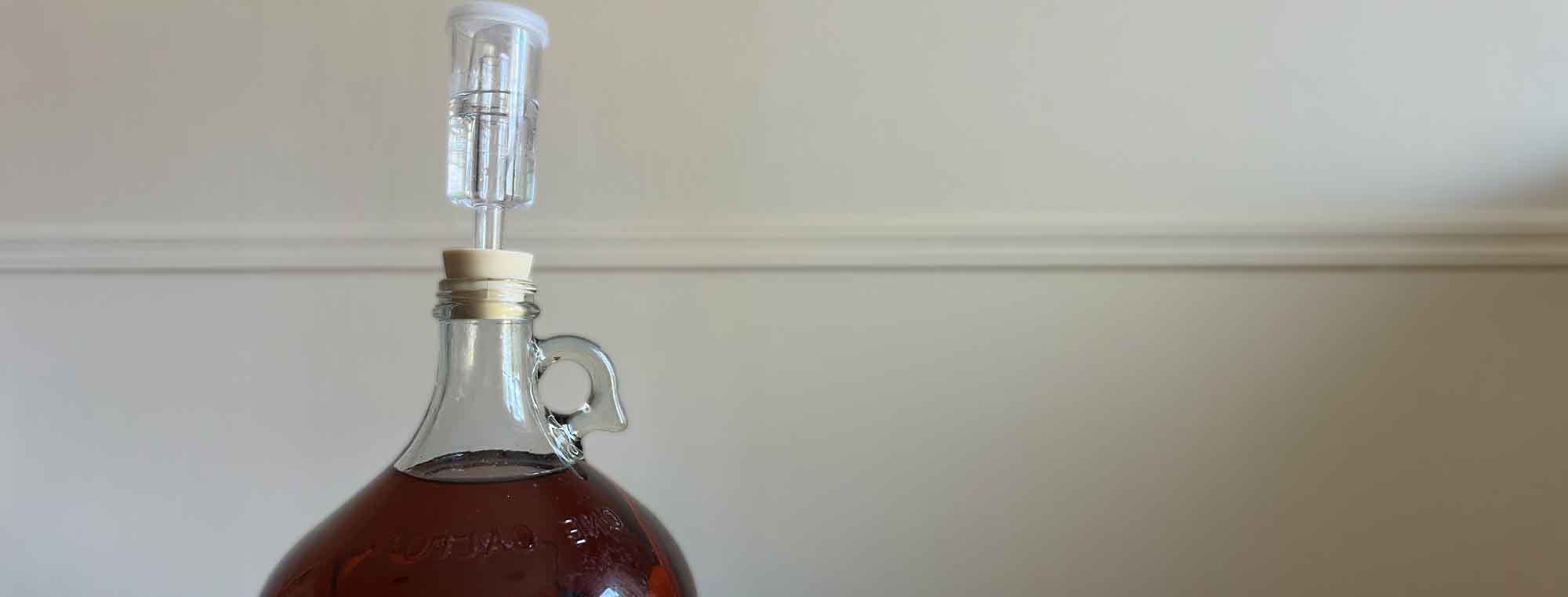
A bubbling airlock is usually a good sign.
It means carbon dioxide (CO₂) is leaving the fermenter.
However, sometimes fermentation becomes so active that the airlock fills with foam or beer. This can look alarming. In most cases, very active fermentation is not dangerous by itself. The main concern is that foam and liquid can block the airlock.
A blocked airlock can allow pressure to build inside the fermenter. Don’t sleep on using a blow-off tube to control the chaos.
The solution is usually simple: Give the fermentation more room, keep the fermentation temperature under control, and use a blow-off tube when needed.
Why Is My Fermenter Bubbling So Much?
Yeast produces CO₂ while it consumes fermentable sugar. A healthy fermentation can produce a large amount of gas.
The amount of activity depends on:
- Yeast strain
- Yeast quantity
- Wort composition
- Original gravity
- Fermentation temperature
- Oxygen level before fermentation
- Yeast health
- Fermenter size
- Headspace
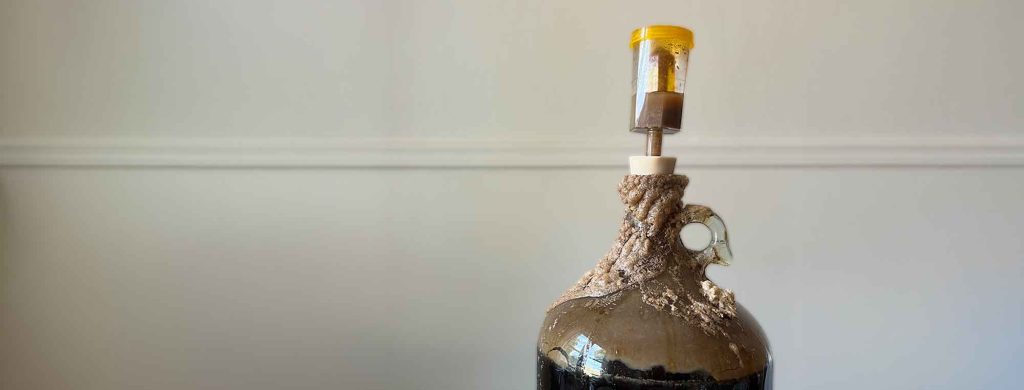
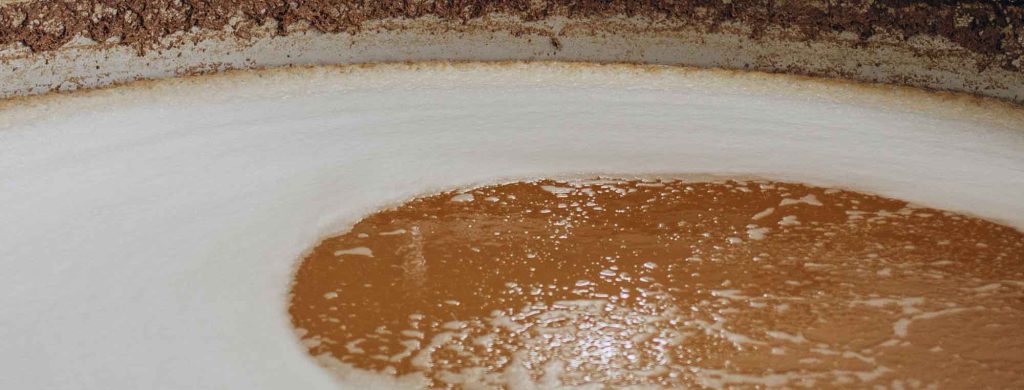
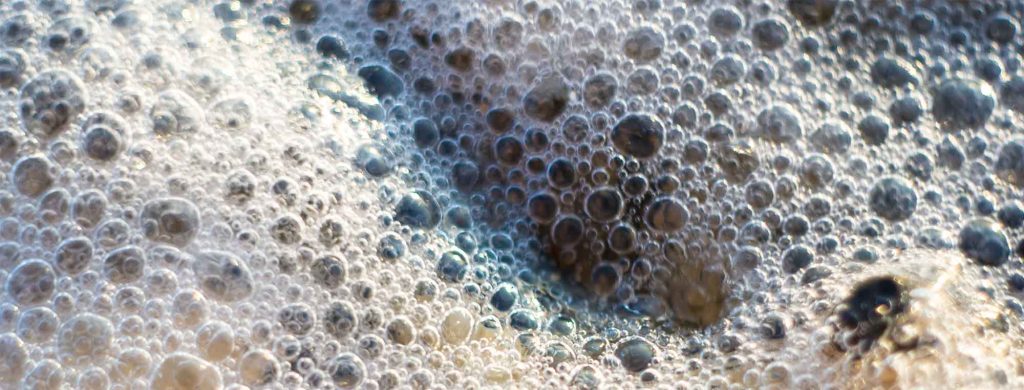
Some beers produce much more foam than others. A vigorous fermentation can create a thick layer of foam called krausen. If the krausen reaches the airlock, the airlock can start to fill with foam. The most aggressive part of fermentation is called high krausen.
What Is Krausen?
Krausen is the thick foam that forms on top of fermenting beer.
It contains:
- CO₂
- Yeast
- Proteins
- Hop compounds
- Other brewing material
Krausen is a normal part of many beer fermentations. It can rise several inches above the surface of the beer. Some yeast strains produce much more krausen than others.
Is Vigorous Fermentation a Good Thing?
Usually, yes.
Strong fermentation activity often means the yeast is healthy and consuming sugar.
You may see:
- Thick krausen
- Frequent airlock bubbles
- Foam around the fermenter lid
- CO₂ escaping rapidly
- Yeast collecting on the fermenter walls
These can all be normal. The problem starts when the foam reaches the airlock or beer begins escaping from the fermenter.
Why Is Beer Coming Through My Airlock?
This usually happens because the krausen has reached the airlock. The airlock opening is relatively small. Foam can enter the airlock. The airlock can then become partially or completely blocked. CO₂ continues to build behind the blockage. This can force beer and foam out of the fermenter.
Do Not Ignore a Blocked Airlock
A blocked airlock can become a pressure problem. This is particularly important with:
- Glass carboys
- Sealed fermentation vessels
- Kegs used as fermenters
- Other rigid containers
A standard plastic fermentation bucket usually has some ability to flex. A rigid vessel has less room for pressure to escape. If your airlock is blocked, address the problem promptly.
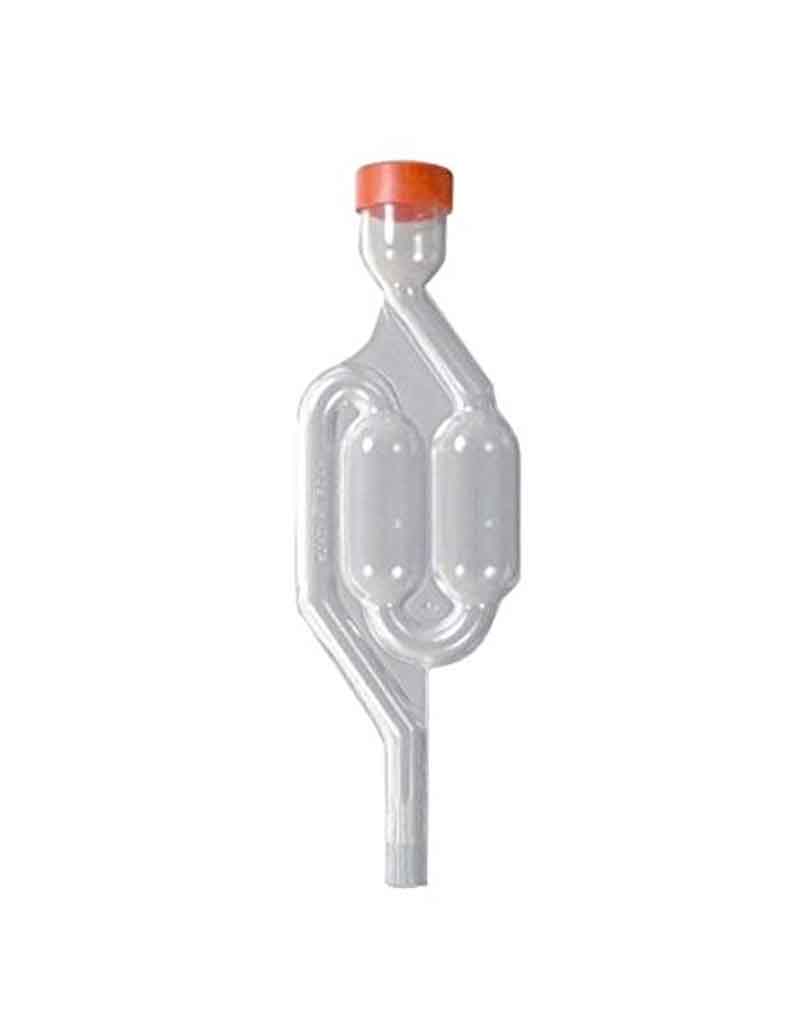
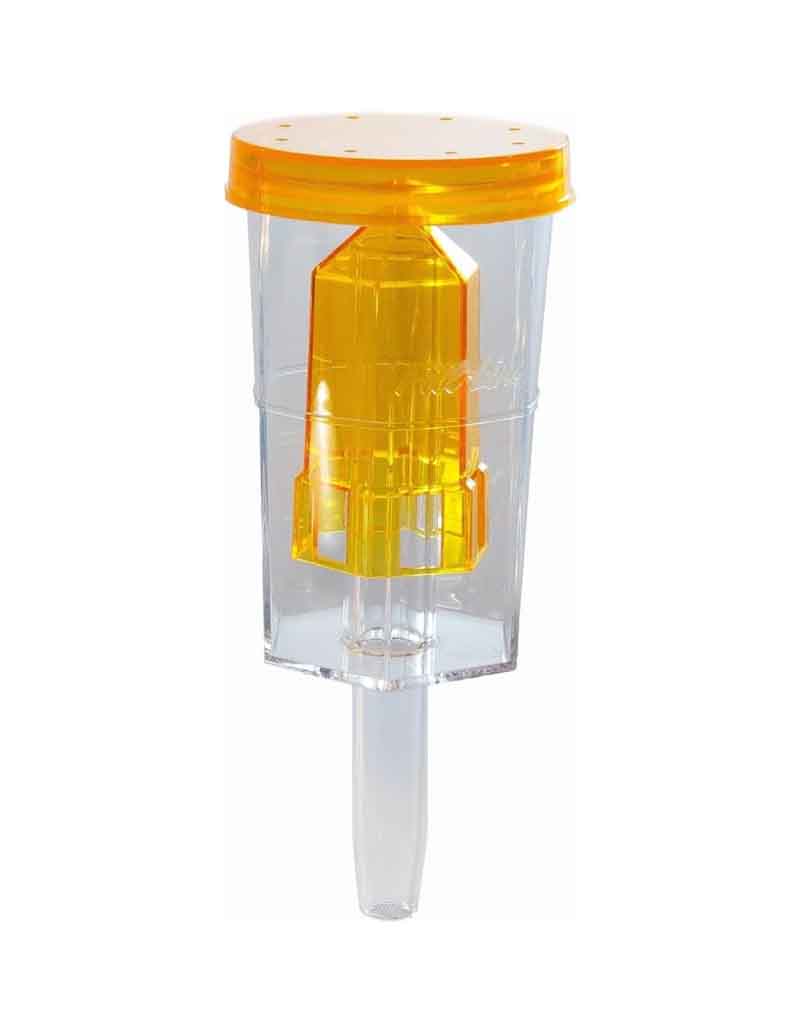
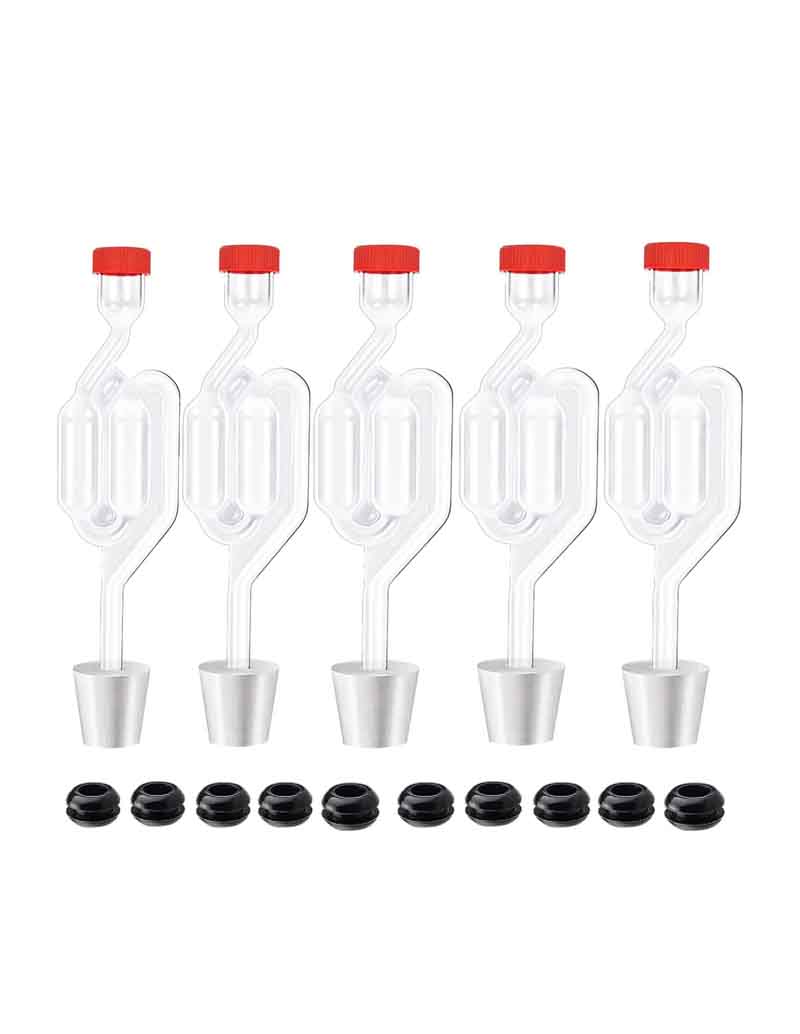
What Should I Do If the Airlock Is Full of Foam?
If beer or krausen is entering the airlock:
- Check the fermentation vessel.
- Confirm that the airlock is not blocked.
- Remove the airlock carefully if necessary.
- Clean the airlock.
- Sanitize it.
- Replace it.
- Consider installing a blow-off tube.
Do not allow an airlock to remain blocked.
What Is a Blow-Off Tube?
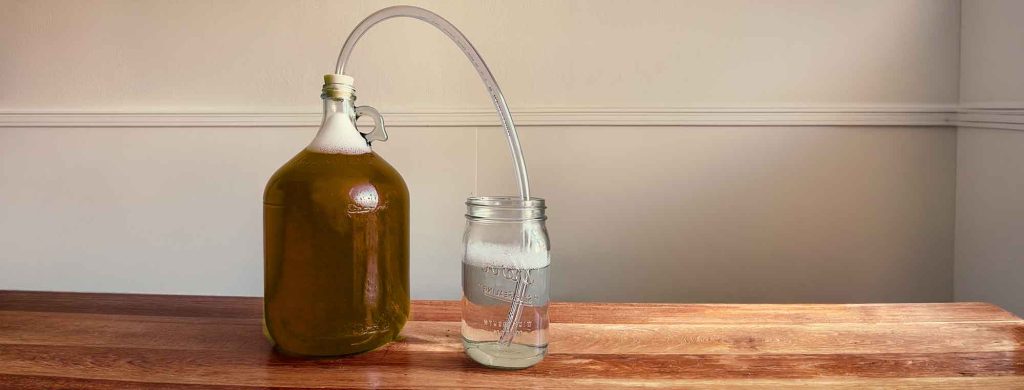
A blow-off tube is a larger tube that allows gas and excess foam to leave the fermenter. Instead of forcing foam through a small airlock, the foam can travel through the larger tube. The other end of the tube usually goes into a container containing sanitizer or another suitable liquid.
A blow-off system provides a larger path for:
- CO₂
- Krausen
- Foam
- Small amounts of beer
How Do I Make a Simple Blow-Off System?
A basic system requires:
- Large-diameter tubing
- Fermenter with a suitable opening
- Container for the other end of the tube
- Suitable liquid in the receiving container
Connect the tubing to the fermenter. Place the other end into the receiving container. Make sure the tube is secure. The tube must not be submerged so deeply that the fermenter cannot easily push gas through it.
What Size Blow-Off Tube Should I Use?
A common homebrew blow-off tube has an inside diameter of approximately 1/2 inch. The exact size depends on your fermenter and fittings. The larger opening provides much more room for foam than a standard airlock.
Use tubing that fits securely, as a loose connection can leak.
Can I Use a Blow-Off Tube Instead of an Airlock?
Yes. A blow-off tube can serve as the gas outlet during vigorous fermentation.
Many homebrewers use a blow-off tube during the first few days of fermentation. After fermentation becomes less vigorous, they replace it with a standard airlock. This can be especially useful for high-gravity beers and yeast strains that produce large krausen.
Why Does My Beer Need So Much Headspace?
Fermentation produces foam. The beer itself does not occupy the entire volume of a fermenter because the fermenter needs room for:
- Krausen
- CO₂
- Foam expansion
This space is called headspace. For a 5-gallon batch, a 5-gallon fermenter may not provide enough headspace for an aggressive fermentation.
A larger fermenter can provide more room.
What Size Fermenter Should I Use?
For a 5-gallon batch, many homebrewers use a fermenter larger than 5 gallons. A 6.5-gallon fermenter is a common choice. It provides approximately 1.5 gallons of additional capacity. Check out our article about how big your fermentation vessel should be.
This can provide useful room for krausen. However, some beers can still produce enough foam to reach the airlock. A blow-off tube provides additional protection.
Why Does Fermentation Temperature Matter?
Temperature has a major effect on yeast activity. Many ale yeasts ferment more aggressively when they are warmer.
A warm fermentation can produce:
- Faster yeast activity
- More CO₂
- More krausen
- More rapid temperature changes
This can cause a fermentation that appears much more active than expected.
Is My Fermentation Too Warm?
Check the temperature of the beer. Do not rely only on room temperature. Fermentation itself produces heat. The beer can therefore be warmer than the surrounding room.
For example, a room may be: 68°F
While the beer may rise to: 72°F or higher during vigorous fermentation.
The correct temperature depends on the yeast strain. Follow the yeast manufacturer’s recommended range.
Should I Cool the Fermenter?
If the beer is above the recommended fermentation temperature, gradual cooling may help. Do not suddenly chill an actively fermenting beer unless you have a specific reason. Use temperature control appropriate for your equipment. A simple temperature-controlled fermentation setup can improve consistency.
What Happens If My Beer Is Too Warm?
A warm fermentation can produce more than extra bubbling. It can also increase the production of some fermentation compounds.
The beer may develop:
- Fruity flavors
- Solvent-like flavors
- Harsh alcohol
- Other unwanted characteristics
Some yeast strains are more sensitive to temperature than others. Very active fermentation is therefore a good reason to check temperature.
What About High-Gravity Beer?
High-gravity beer contains more fermentable sugar. More sugar can result in more fermentation.
This can create:
- More CO₂
- More krausen
- More heat
- Longer fermentation
High-gravity beers should have sufficient fermenter headspace. A blow-off tube is often a good idea.
What About Wheat Beer?
Wheat beers can produce large amounts of krausen. Wheat malt contains proteins that can contribute to foam formation. Some wheat beer yeast strains are also highly active.
A blow-off tube can be useful for:
- Hefeweizen
- Weizenbock
- Witbier
- Other high-krausen beers

What About Dry Hopped Beer?
Hops can contribute to foam and can create additional problems during fermentation – and there are many ways to maximize flavor and aroma from your hops. Large hop additions can take up physical space in the fermenter. Dry hops can also create a large amount of foam when the fermenter is disturbed.
Leave enough headspace. Use a blow-off tube if necessary.
What About Fruit Beer?
Fruit can create additional fermentation activity. Fruit contains fermentable sugars. When fruit is added to beer, yeast can begin consuming those sugars. This can create another period of vigorous fermentation.
Fruit can also take up valuable headspace as it rises to the surface. Use a sufficiently large fermenter. A blow-off tube can be very useful.
Should I Stir the Beer?
Do not stir an actively fermenting beer simply because it is bubbling. Fermentation naturally mixes the beer. Stirring can introduce oxygen.
Oxygen is useful before fermentation. But after fermentation begins, unnecessary oxygen exposure can damage beer quality.
Should I Open the Lid?
Avoid opening the fermenter unless necessary.
Opening the fermenter exposes the beer to:
- Oxygen
- Dust
- Microorganisms
If the airlock is blocked, you may need to address it. Do this carefully. Sanitize anything that contacts the beer.
What If Beer Is Already Coming Out?
Do not panic. A small amount of beer escaping through the airlock does not necessarily ruin the batch.
Clean the airlock. Sanitize it. Replace it.
Then consider rigging up a blow-off tube. Do not push dirty material back into the fermenter.
What If the Airlock Is Completely Blocked?
This needs immediate attention. A blocked airlock can prevent CO₂ from escaping.
Pressure can build inside the fermenter. If the fermenter is rigid, this can be especially dangerous. Do not try to force a blocked airlock open while your face is directly above it.
Relieve the pressure carefully. Use a blow-off tube or another appropriate pressure-release method.
What If the Lid Is Bulging?
A bulging lid can indicate pressure inside the fermenter. Do not ignore it. Relieve the pressure safely.
Check the airlock. Install a suitable blow-off system if needed. Do not tightly seal a fermentation vessel unless it is specifically designed and rated for pressure.
Fermentation Vessel Safety
Standard glass carboys are not pressure vessels. Plastic fermentation buckets are also not designed to hold significant pressure.
Do not intentionally seal a normal fermenter. The purpose of an airlock is to allow gas to escape. If you want pressure fermentation, use equipment specifically designed and rated for that purpose.
How Long Will Vigorous Fermentation Last?
The most vigorous period often occurs during the first few days. However, the exact timing varies.
Factors include:
- Yeast strain
- Temperature
- Original gravity
- Yeast quantity
- Wort composition
- Oxygenation
- Nutrient availability
A beer may have very vigorous fermentation for several days and then become much quieter. This is normal.
When Should I Switch From a Blow-Off Tube to an Airlock?
You can switch after the vigorous krausen has fallen and the risk of foam entering the tube is low. There is no requirement to switch.
You can leave a properly installed blow-off tube in place for the entire fermentation.
If you switch:
- Clean the airlock.
- Sanitize the airlock.
- Sanitize the stopper and fitting.
- Remove the blow-off tube.
- Install the airlock.
Check out our write-up on what to do when the airlock overflows.
Can I Prevent Excessive Bubbling?
You cannot completely control how much CO₂ yeast produces in a given period of time.
You can reduce problems by controlling the fermentation environment.
Use Enough Headspace
Do not fill the fermenter to the top.
Control Temperature
Keep the beer within the yeast manufacturer’s recommended range.
Use Healthy Yeast
Use fresh yeast and follow the manufacturer’s pitching instructions.
Use a Blow-Off Tube
Install one when you expect vigorous fermentation.
Use an Appropriate Fermenter
A larger fermenter gives krausen more room.
Should I Use Fermcap?
Fermcap and similar products can reduce foam during fermentation. They are commonly used by some homebrewers to control foam.
Follow the manufacturer’s instructions. Do not use a product in your beer unless it is intended and approved for that application. A blow-off tube and sufficient headspace are still simple solutions.
What If Fermentation Is Extremely Fast?
A fast fermentation is not automatically a problem. Yeast can consume sugar rapidly when conditions are favorable.
However, check the temperature. A very warm fermentation can become faster than intended.
If the beer remains within the yeast’s recommended temperature range and the fermentation is otherwise healthy, vigorous activity is usually not a concern.

What If the Airlock Bubbles Every Few Seconds?
That can be completely normal. Airlock frequency is not a precise measurement of fermentation activity. One beer can bubble every few seconds. Another beer can bubble once every few minutes.
Both can ferment normally. Do not try to make the airlock bubble at a particular rate.
What If the Airlock Stops Bubbling After Vigorous Fermentation?
That is also normal. The most active phase of fermentation eventually slows. The krausen falls. CO₂ production decreases. Your airlock stops bubbling.
This does not necessarily mean that fermentation is finished. Use a hydrometer to determine when fermentation is complete.
Do Not Bottle Yet
This is especially important. A quiet airlock does not mean that you should bottle the beer.
Take a gravity reading. Take another reading two or three days later. If the readings are stable, fermentation is likely complete. If the gravity is still decreasing, wait.
A Simple Blow-Off Setup
For a 5-gallon batch, a basic setup can include:
- 6.5-gallon fermenter
- Fermenter lid with suitable opening
- 1/2-inch food-safe tubing
- Sanitizer
- Large container for the receiving end of the tube
Place the end of the tubing into a container with a suitable amount of sanitizer. Make sure the container is large enough to hold foam.
Check the system during the first few days. Krausen can fill a surprisingly large container.
Clean the Blow-Off Tube After Use
Blow-off tubes can become covered with:
- Krausen
- Yeast
- Hop material
- Beer
Clean them immediately after fermentation. Dried krausen can be difficult to remove. Run cleaner through the tubing. Rinse according to the cleaner instructions.
Allow the tubing to drain and dry then replace tubing when it becomes damaged or difficult to clean.

Common Mistakes
Filling the Fermenter Too Full
A fermenter with no headspace gives krausen nowhere to go.
Using a Small Airlock for a Very Active Beer
The airlock can become blocked.
Ignoring Temperature
Warm fermentation can increase activity.
Removing the Airlock and Leaving the Fermenter Open
This exposes the beer to oxygen and contamination.
Use a proper blow-off system instead.
Using a Sealed Container
A normal fermenter is not a pressure vessel.
CO₂ must have a safe path out.
Panicking About Bubbles
Vigorous bubbling is usually a sign that yeast is doing its job.
When Should You Be Concerned?
Contact with the fermenter should be limited, but inspect it if you see:
- A blocked airlock
- A bulging lid
- Beer escaping under pressure
- A cracked fermenter
- A damaged stopper
- A disconnected blow-off tube
These are equipment problems, not normal fermentation signs. Address them promptly.
Quick Troubleshooting Guide
| Problem | Likely cause | Solution |
| Airlock bubbling rapidly | Active fermentation | Usually normal |
| Krausen reaches airlock | High foam production | Use a blow-off tube |
| Beer enters airlock | Krausen overflow | Clean and replace airlock |
| Airlock becomes blocked | Foam or yeast | Clear the blockage safely |
| Lid bulges | Pressure buildup | Relieve pressure safely |
| Fermentation is very warm | High yeast activity | Control temperature |
| Fermenter overflows | Too little headspace | Use a larger fermenter |
| Fermentation slows | Normal progression | Check gravity |
| Airlock stops | Fermentation slowing | Check gravity |
The Bottom Line
A beer fermenter that is bubbling vigorously is usually doing exactly what you want.
- The yeast is consuming sugar.
- The yeast is producing CO₂.
- The CO₂ is escaping through the airlock.
The main problem occurs when the fermentation produces so much krausen that the foam blocks the airlock or escapes from the fermenter. The easiest solution is to plan for vigorous fermentation.
- Use enough headspace.
- Control the fermentation temperature.
- Use healthy yeast.
- Keep a blow-off tube available.
- And never use airlock activity to decide when fermentation is finished.
If the airlock is bubbling every few seconds, do not panic.
- Check the temperature.
- Check the fermenter.
- Make sure gas has a clear path out.
Then let the yeast do its job.
A noisy fermenter is usually a happy fermenter. A blocked fermenter is a problem.