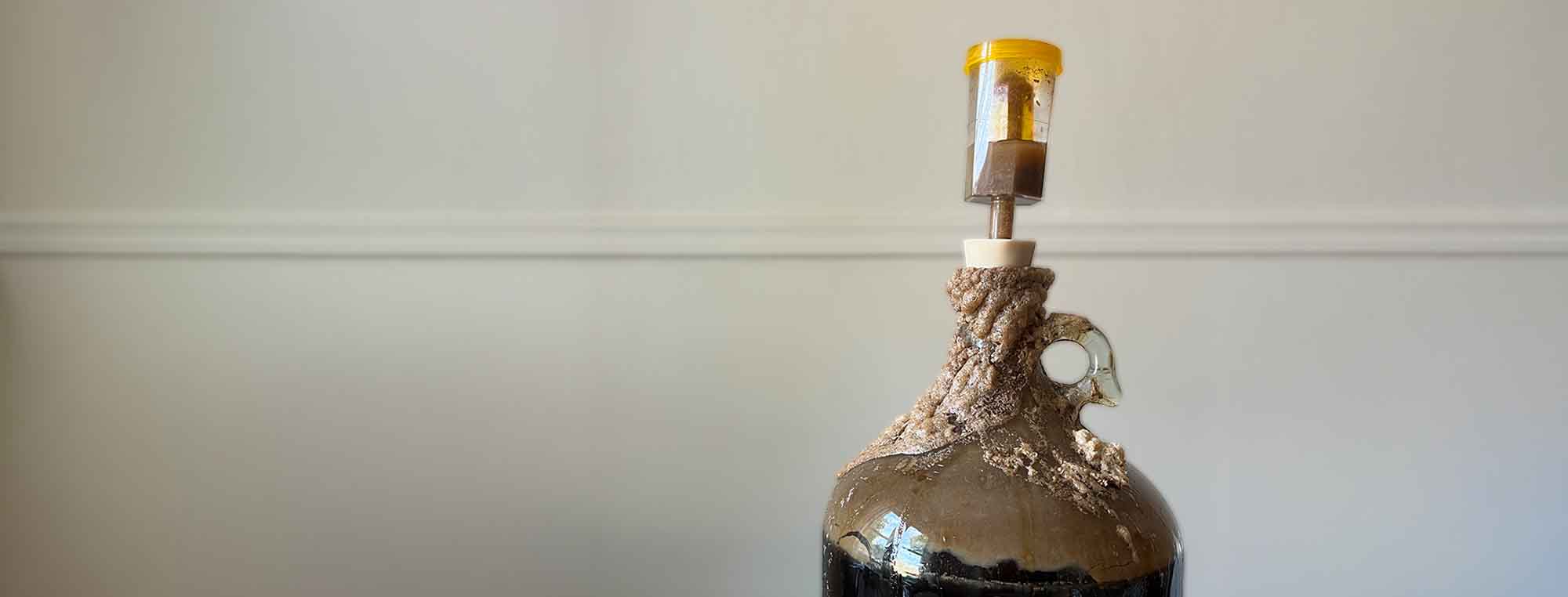
A fermenter that suddenly starts overflowing can be alarming.
Foam can push through the airlock. Liquid can enter the airlock. Yeast and wort can spill onto the floor.
This is common during active fermentation.
The good news is that an overflowing fermenter does not always mean that your batch is ruined. In most cases, you can clean the equipment, replace the airlock, and let fermentation continue.
The important thing is to act quickly and keep everything clean.
Why Does a Fermenter Overflow?
Fermentation produces carbon dioxide.
Yeast also produces foam during active fermentation. The foam can rise quickly. If the fermenter does not have enough empty space, the foam can reach the airlock. This empty space is called headspace.
An overflowing fermenter is most common during primary fermentation.
It can happen with:
- Beer
- Mead
- Cider
- Wine
- Other actively fermenting drinks
Some yeast strains produce more foam than others. Some ingredients can also increase foaming. Temperature can also affect fermentation speed. Heck, a fermentation that looks calm one day can become very active the next day.
What Is a Blowoff?
When fermentation foam escapes through the airlock, brewers often call this a blowoff.
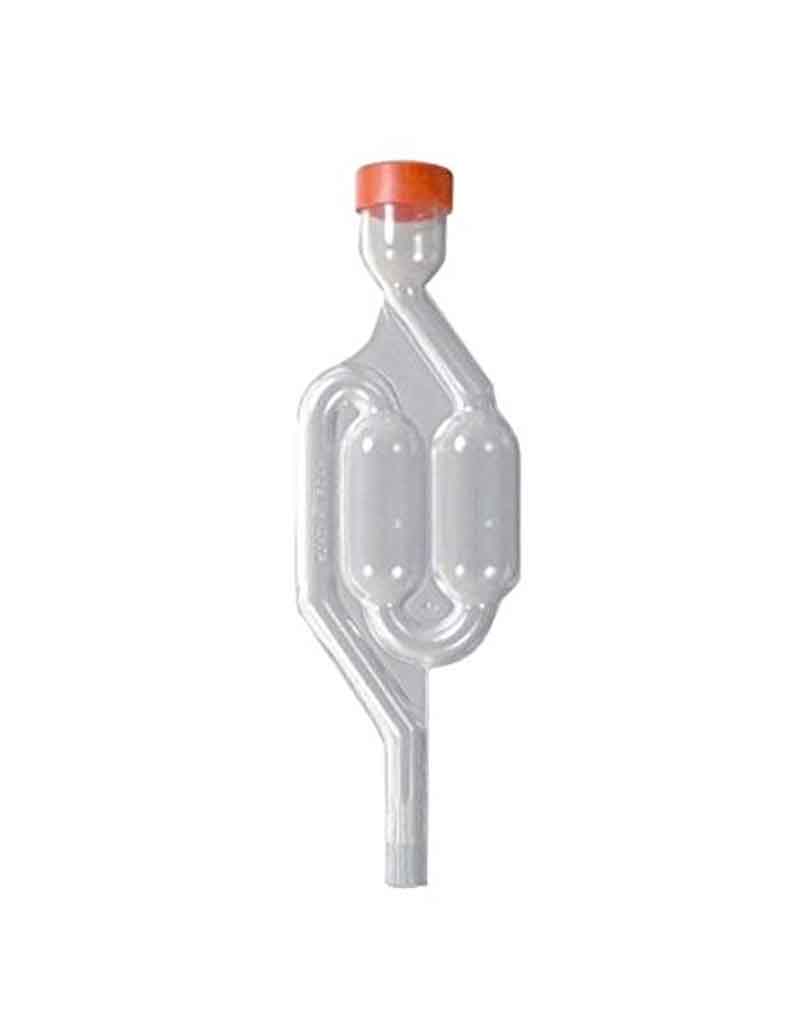
A blowoff can look dramatic. Foam may enter the airlock. The airlock may become full of yeast and liquid. The airlock may even pop out of the fermenter.
This does not necessarily mean that the fermentation has failed. It usually means that the fermenter has more activity than the available headspace can handle. See our comprehensive guide to how to set up a blow off tube.
What Should I Do First?
If the fermenter is actively overflowing, do not panic.
Follow these basic steps:
- Move the fermenter to a safe location if necessary.
- Remove the dirty airlock.
- Clean the outside of the fermenter.
- Clean and sanitize the airlock.
- Replace the airlock.
- Check whether foam is still entering the airlock.
- Use a blowoff tube if the fermentation remains very active.
Avoid opening the fermenter more than necessary. Your goal is to restore a clean path for carbon dioxide to escape.
What If the Airlock Is Completely Full?
Remove it carefully.
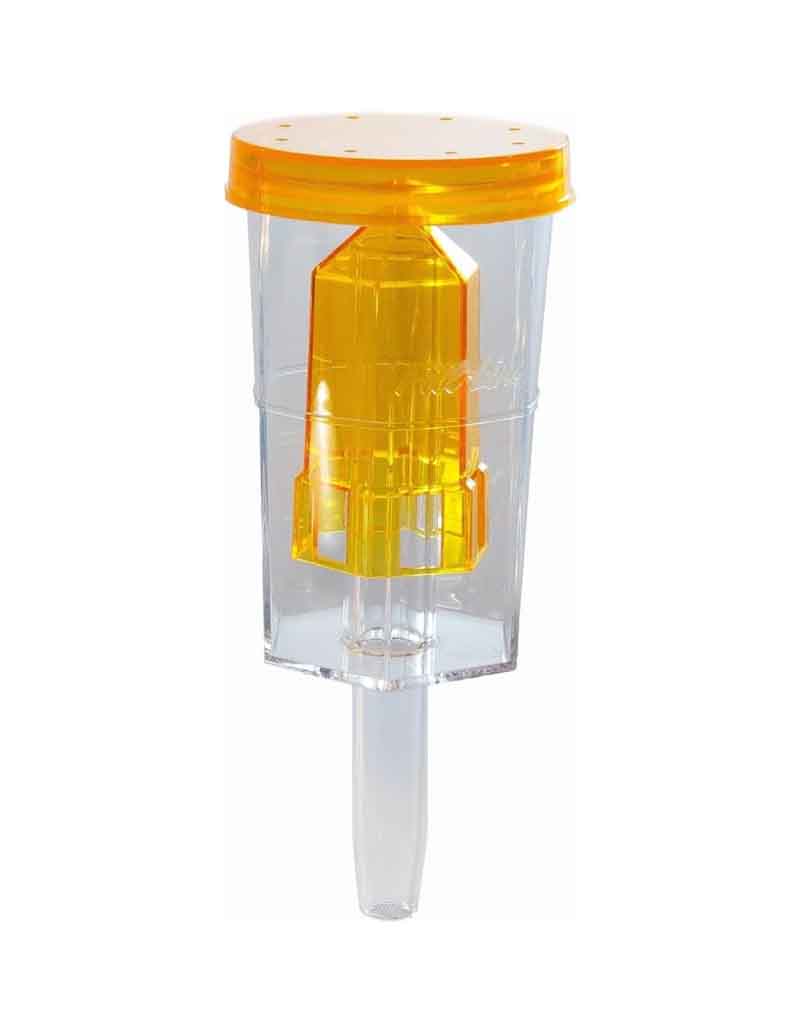
An airlock full of foam can become blocked. A blocked airlock is a problem because carbon dioxide needs somewhere to go. Do not simply leave a clogged airlock in place.
Remove the airlock and clean it. Then sanitize it before you put it back. If fermentation is still very active, use a blowoff tube instead.

What Is a Blowoff Tube?
A blowoff tube is a larger tube that connects the fermenter to a container. The other end of the tube sits in a container with sanitizer solution or another suitable liquid.
During active fermentation, foam and carbon dioxide can move through the tube. The larger tube gives the foam more room to escape. This is why a blowoff tube can work better than a normal airlock during very active fermentation. A blowoff tube is especially useful when you have a small amount of headspace.
How Do I Set Up a Blowoff Tube?
The basic setup is simple.
Remove the airlock from the fermenter. Connect a clean and sanitized tube to the fermenter opening. Put the other end of the tube into a clean container. Add a suitable amount of sanitizer solution to the container. Make sure the tube stays below the surface of the liquid.
The container should have enough space for foam. Do not use a small container that can quickly fill with foam. A larger container gives you more protection against another overflow.
Can I Put the Airlock Back On?
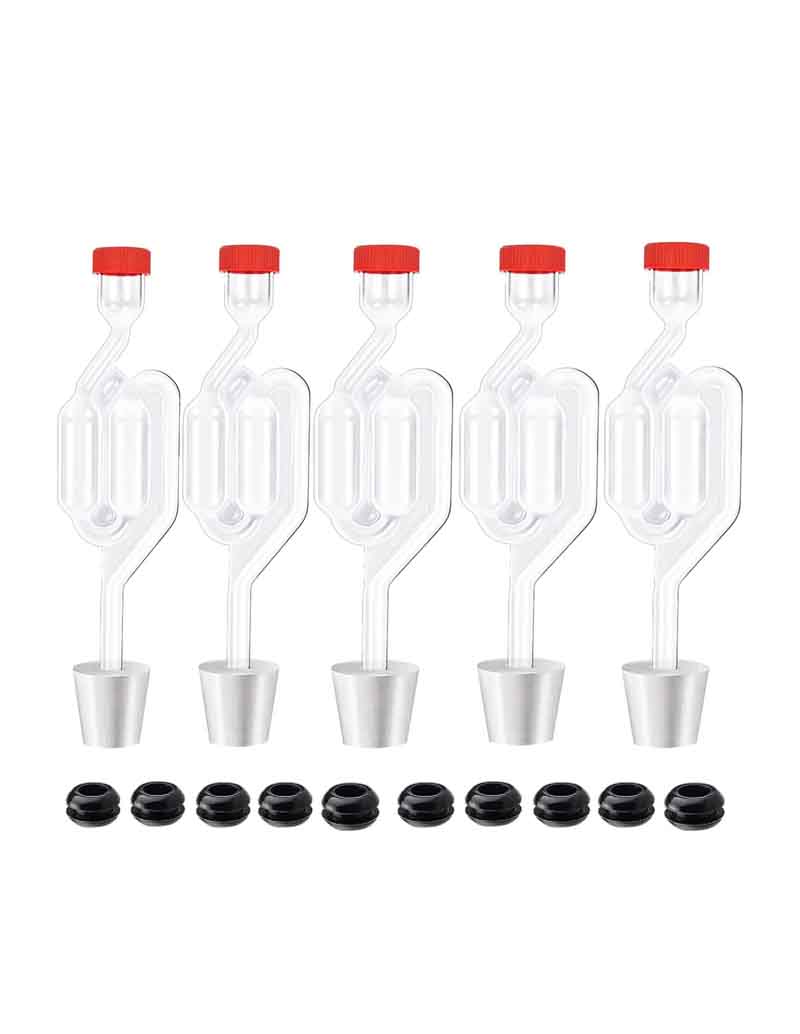
Yes, if the fermentation is no longer producing enough foam to cause another overflow. Clean and sanitize the airlock before you reinstall it.
Fill it with the appropriate liquid. Make sure the airlock fits securely. If fermentation is still very active, a blowoff tube is usually a better choice. You can always return to a normal airlock after the most active part of fermentation has passed.
What If Fermentation Foam Gets Into the Airlock?
Clean the airlock. That is usually all you need to do.
Foam entering the airlock does not automatically contaminate the beer, wine, mead, or cider. However, the airlock can become dirty or blocked. A dirty airlock should not be left in place.
Remove it, clean it, sanitize it, and replace it. And if the problem continues, use a blowoff tube.
What If Airlock Liquid Gets Sucked Into the Fermenter?
This can happen.
A change in temperature or pressure can pull liquid from the airlock into the fermenter. If the liquid was clean water, the batch may still be fine. If the liquid was sanitizer, check the sanitizer manufacturer’s instructions and concentration, but at proper concentrations, it should be fine.
If the airlock was dirty, there is a greater concern about contamination.
Do not automatically throw away the batch. Continue to follow good sanitation practices and monitor the fermentation. If you use a blowoff tube, make sure the collection container does not create a path for liquid to move back into the fermenter.
What If the Airlock Pops Off?
First, make sure the fermenter is still able to release carbon dioxide.
Clean and sanitize the airlock and fermenter opening. Then replace the airlock. If fermentation is very active, switch to a blowoff tube.
Do not seal the fermenter completely, as carbon dioxide can build pressure very quickly during active fermentation.
Should I Open the Fermenter?
Try not to open it unless you need to.
Opening the fermenter allows outside air and contaminants to enter. You may need to open it to remove a clogged airlock or install a blowoff tube. If you do, work quickly and use clean and sanitized equipment.
There is no need to inspect the fermenting liquid every few minutes. Fermentation is a process that can happen without constant attention.
Is My Batch Ruined?
Usually, no.
An overflowing airlock is not a sign that the batch is ruined. Fermentation can be very active. The yeast may be healthy and working exactly as expected.
Clean the equipment and restore a safe path for the carbon dioxide. Then let fermentation continue.
You should be more concerned if you see signs of contamination, such as unusual growth on the surface or strong odors that do not fit the ingredients and fermentation process.
Even then, do not judge a batch only by one unusual smell during active fermentation.
Why Did My Fermenter Overflow?
After you solve the immediate problem, try to find the cause.
Common causes include:
Too Little Headspace
This is one of the most common causes. A fermenter that is filled too close to the top does not have enough room for foam.
More headspace reduces the chance of a blowoff.
Very Active Yeast
Some yeast strains produce large amounts of foam.
This is normal. A yeast strain that works well for one recipe may produce much more foam in another recipe.
High Fermentation Temperature
Warmer fermentation can increase yeast activity. The exact effect depends on the yeast strain and the recipe.
Follow the recommended temperature range for your yeast.
Highly Fermentable Wort or Must
A fermentation with a large amount of available sugar can produce a lot of carbon dioxide.
This can create a large amount of foam.
Large Amounts of Certain Ingredients
Some ingredients can increase foam. For beer, hops and proteins can contribute to foam. For other fermented drinks, fruit, pulp, and other solids can create additional problems.

How Much Headspace Should I Leave?
There is no single headspace measurement that works for every fermentation.
The amount you need depends on:
- The size of the batch.
- The size of the fermenter.
- The yeast.
- The recipe.
- The fermentation temperature.
- The ingredients.
- How active the fermentation is.
A fermenter that leaves only a small amount of space above the liquid is more likely to overflow. When in doubt, leave more headspace for primary fermentation. You can also use a blowoff tube when you expect vigorous fermentation.
Can I Use Fermcap or Another Foam Control Product?
Some brewers use food-grade foam control products. These products can reduce foam during brewing and fermentation. They can be useful when fermenter space is limited.
Follow the manufacturer’s instructions for dosage and use. Foam control products are not a replacement for good fermenter size. If your fermenter is consistently too full, using a larger fermenter is a better long-term solution.
Should I Clean the Floor?
Yes. Fermentation foam can contain sugar, yeast, and other organic material.
Clean the spill as soon as possible. This prevents sticky residue and reduces the chance of attracting insects. If the spill reached nearby equipment, clean and sanitize any equipment that may contact the fermenting drink.
How Can I Prevent an Overflow?
The easiest solution is to plan for active fermentation.
- Use a fermenter with enough capacity.
- Leave appropriate headspace.
- Use a blowoff tube when you expect vigorous fermentation.
- Control fermentation temperature within the recommended range for your yeast.
- Keep your airlock clean.
It is also a good idea to put the fermenter somewhere that can tolerate a small spill. A fermentation tray or plastic storage container can make cleanup much easier.

When Should I Use a Blowoff Tube?
A blowoff tube is a good idea when:
- You have limited headspace.
- You are using a yeast strain that produces a lot of foam.
- You are fermenting a high-gravity recipe.
- You are fermenting fruit.
- You have had an overflow before.
- You expect very active fermentation.
Some brewers use a blowoff tube for the first few days of almost every primary fermentation.
After fermentation slows, they replace it with a normal airlock.
What About Secondary Fermentation?
Overflow is usually more likely during primary fermentation.
Secondary fermentation often produces less foam. However, fermentation can continue in secondary. You should still leave enough headspace and use an airlock.
If you add fruit or another fermentable ingredient during secondary fermentation, fermentation can become active again. In that situation, a blowoff tube can be useful.
The Bottom Line
An overflowing fermenter is usually a fermentation problem, not a failed batch.
The most important thing is to make sure carbon dioxide has a safe path out of the fermenter.
- Clean and sanitize a dirty airlock.
- Replace a clogged airlock.
- Use a blowoff tube if fermentation is very active.
- Give the fermenter enough headspace.
- And never seal an actively fermenting drink in a container that cannot safely release pressure.
A little planning can prevent most blowoffs. But if your fermenter does overflow, do not panic.
Clean it up, keep everything sanitary, give the yeast room to work, and let fermentation continue.