If you are new to homebrewing, you will hear two words often: Clean. Sanitize.
They sound like the same thing. They are not! Cleaning and sanitizing are two different steps.
Cleaning removes dirt and organic material.
Sanitizing reduces microorganisms to a level that is considered safe for the brewing process.
You need both.
A sanitizer cannot do its job well if the equipment is dirty. This is one of the most important lessons for a new homebrewer.
What Does “Clean” Mean?
Cleaning means removing visible and invisible material from your brewing equipment.
This can include:
- Dried wort.
- Yeast.
- Hop material.
- Fruit pulp.
- Sugar.
- Protein.
- Dust.
- Oils.
- Other residue.
Cleaning normally requires water and a suitable cleaning agent. The goal is to remove material from the surface. A clean fermenter should look and feel clean. It should not have visible residue.
What Does “Sanitize” Mean?
Sanitizing means reducing the number of microorganisms on a surface to an acceptable level. This includes microorganisms that can spoil your beer, wine, mead, or cider.
Sanitizing does not mean that the surface is completely sterile. Homebrewing does not normally require sterile equipment. You need equipment that is properly cleaned and sanitized.
Why Do I Need to Clean Before I Sanitize?
This is one of the most important rules in homebrewing:
Clean first. Sanitize second.
Organic material can protect microorganisms from sanitizer. A dirty surface can therefore remain contaminated even after sanitizer is applied. Think about a dirty glass. If you spray sanitizer onto dried beer residue, the sanitizer has to work through that residue to reach the surface. It is much less effective than applying sanitizer to a clean surface.
Can Sanitizer Clean My Equipment?
Usually, no. Some products may have limited cleaning ability.
Do not assume that a sanitizer is a substitute for a cleaner. If equipment has visible residue, clean it first. Then sanitize it before use.
This is especially important for:
- Fermenters.
- Siphons.
- Tubing.
- Bottles.
- Bottle fillers.
- Airlocks.
- Stoppers.
- Hydrometers.
What Happens If I Only Sanitize?
You may have a problem. A surface can look dirty after sanitizing.
That means material is still present. The sanitizer may not have contacted the entire surface effectively. This is why experienced brewers treat cleaning and sanitizing as separate steps.
What Happens If I Only Clean?
You may also have a problem. A surface can look perfectly clean and still contain microorganisms.
Cleaning removes dirt. It does not necessarily reduce microorganisms enough for brewing.
After cleaning, sanitize equipment that will contact your finished wort or fermented beverage.
When Does Sanitizing Matter Most?
Sanitizing becomes especially important after the wort has cooled. Before cooling, boiling wort provides a hostile environment for many microorganisms. After cooling, the wort becomes vulnerable.
This is why brewers pay close attention to sanitation after the boil. The same principle applies to fermented beverages.
Equipment that contacts finished beer, wine, mead, or cider should be properly cleaned and sanitized.
What Equipment Should I Sanitize?
Anything that touches the beverage after the point where contamination can affect it should be sanitized.
This can include:
- Fermenters.
- Fermenter lids.
- Airlocks.
- Stoppers.
- Siphons.
- Auto-siphons.
- Transfer tubing.
- Bottling buckets.
- Bottle fillers.
- Bottles.
- Bottle caps.
- Hydrometers.
- Hydrometer test jars.
- Brewing spoons used after the boil.
- Funnels.
- Measuring equipment.
- Kegs.
- Keg lines.
- Draft equipment.
When in doubt, sanitize it.
Do I Need to Sanitize My Brew Kettle?
The answer depends on when you use it, but generally no.
You should clean the kettle after brewing. The kettle does not normally need to be sanitized before the boil because the wort will be boiled. The important point is that equipment used after the boil needs proper sanitation.
For example, if you use a spoon to stir cooled wort, sanitize the spoon first.
What Is a Brewing Cleaner?
A brewing cleaner is designed to remove brewing residue.
Common options include:
- Brewery wash products.
- Powdered alkaline cleaners.
- Oxygen-based cleaners.
- Unscented brewery-specific detergents.
Different cleaners have different instructions. Follow the manufacturer’s directions. Do not assume that more cleaner is always better.
What Is a Brewing Sanitizer?
A brewing sanitizer is designed to reduce microorganisms on brewing equipment.
Common homebrewing sanitizers include:
- Acid-based no-rinse sanitizers.
- Iodophor.
- Other products approved for brewing use.
Always follow the product label. The concentration, contact time, water quality, and storage instructions can vary.
What Is Star San?
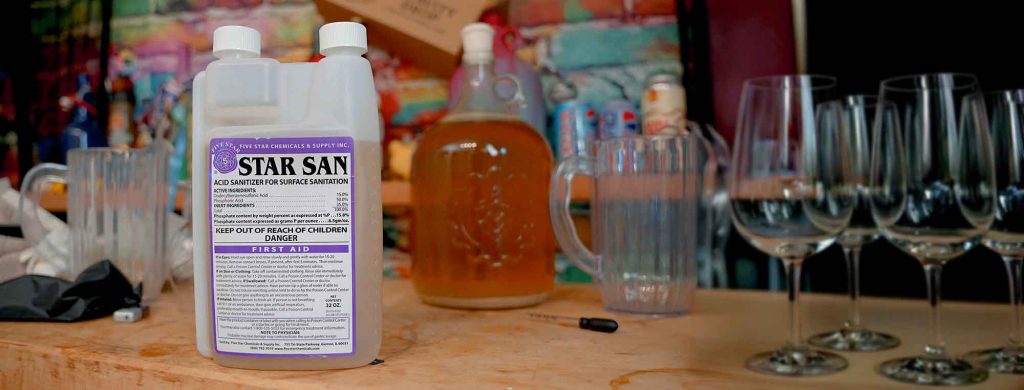
Star San is a popular acid-based brewing sanitizer.
It is designed for use on clean brewing equipment. It is commonly used as a no-rinse sanitizer when used according to the manufacturer’s instructions.
Star San is not a replacement for cleaning. If your fermenter contains dried yeast, clean it first. Then apply the sanitizer.
What Is Iodophor?
Iodophor is an iodine-based sanitizer.
It has been used for many years in breweries and other food and beverage applications. It can be an effective brewing sanitizer when used at the correct concentration and contact time. Follow the manufacturer’s instructions.
Do not assume that all iodine products have the same concentration.
What Does “No-Rinse” Mean?
A no-rinse sanitizer does not require you to rinse the sanitized surface with tap water when used according to its instructions. This is useful because tap water can introduce microorganisms. It also makes the process faster.
Do not confuse no-rinse with no-cleaning. You still need to clean the equipment first.
Can I Rinse Sanitizer Off?
It depends on the product.
If the sanitizer is labeled as no-rinse, rinsing is normally unnecessary. If the product instructions require rinsing, rinse it as directed.
Do not invent your own procedure. Rather, follow the manufacturer’s instructions for concentration, contact time, and rinsing.
What Is Contact Time?
Contact time is the amount of time the sanitizer must remain in contact with the surface.
Different sanitizers have different requirements. Do not assume that spraying a sanitizer and immediately draining it is always sufficient. Read the label. And make sure the entire surface is exposed to the sanitizer for the required time.
Do I Need to Keep Sanitizer Wet?
For many brewing sanitizers, yes.
The sanitizer needs to contact the surface. If a surface dries before the required contact time is complete, the sanitizer may not work as intended. Follow the specific product instructions.
Can I Use Bleach?
Bleach can sanitize equipment.
However, it requires more care than many modern brewing sanitizers. You need to use an appropriate concentration. You also need to rinse equipment properly when required.
Residual chlorine can create problems with beer flavor. Bleach can also react with certain materials and create unwanted compounds. For most beginners, a brewing-specific sanitizer is easier.
Can I Use Dish Soap to clean homebrew gear?
Unscented dish soap can clean some equipment.
However, it is not always a good choice for brewing equipment. Some dish soaps contain fragrances, dyes, oils, or other ingredients that can remain on surfaces.
Residue can affect beer flavor and foam. A brewery-specific cleaner is often a better choice. If you use dish soap, choose an appropriate unscented product and rinse thoroughly.
Can I Use Hot Water to Clean?
Yes. Hot water can help remove some brewing residue.
However, water alone may not remove everything. Dried yeast, hop material, and other organic residue can require a cleaner and mechanical action.
A good cleaning process may involve:
- Soaking.
- Scrubbing.
- Rinsing.
- Inspecting.
- Sanitizing.
What Is PBW?
PBW, or Powdered Brewery Wash, is a popular alkaline brewing cleaner. It is designed to remove organic material from brewing equipment.
It is not the same as a sanitizer. You use it to clean equipment. After cleaning, you can sanitize the equipment before use.
Do I Need to Scrub My Fermenter?
Often, yes. Soaking can remove much of the residue. However, stubborn material may require mechanical action.
Use an appropriate sponge, brush, or cleaning tool. Be careful with plastic, as deep scratches can create places where residue and microorganisms can remain.
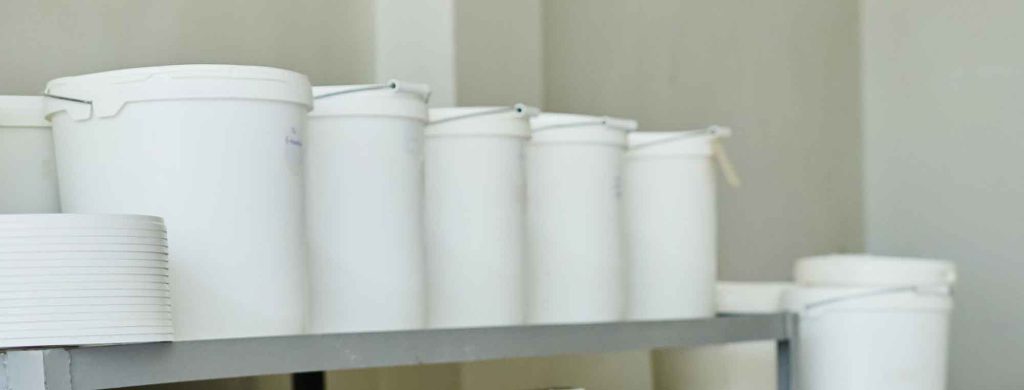
How Do I Clean a Plastic Fermenter?
Start with warm water and an appropriate brewing cleaner.
Allow the residue to soak. Use a soft cleaning tool if needed. But avoid abrasive scrubbers. Do not use anything that can create deep scratches.
Rinse thoroughly and inspect the fermenter. Then sanitize it before use.
How Do I Clean a Glass Carboy?
Glass is hard and nonporous. It can still develop stubborn deposits.
Soak the carboy with an appropriate cleaner. Use a carboy brush if necessary.
Be careful when handling glass. A full glass carboy is heavy. Never place excessive pressure on the glass.
What About Stainless Steel?
Stainless steel is durable and easy to clean when treated correctly. Use an appropriate brewing cleaner. Avoid harsh chemicals that can damage stainless steel.
Avoid steel wool or other materials that can scratch the surface. Follow the equipment manufacturer’s cleaning instructions.
What About Silicone Tubing?
Tubing can be difficult to clean. Yeast and other material can remain inside.
Flush tubing thoroughly after use. Run cleaning solution through the entire length. Rinse thoroughly. Then sanitize before use.
Inspect tubing regularly. Replace tubing if it becomes stained, cracked, damaged, or difficult to clean. Tubing is cheaper than losing an infected batch of your brew.
What About Airlocks?
Airlocks need cleaning too.
An airlock can collect:
- Yeast.
- Krausen.
- Fruit material.
- Dust.
- Other residue.
Take the airlock apart if possible.
- Clean it.
- Rinse it.
- Sanitize it.
Then refill it with the appropriate liquid.
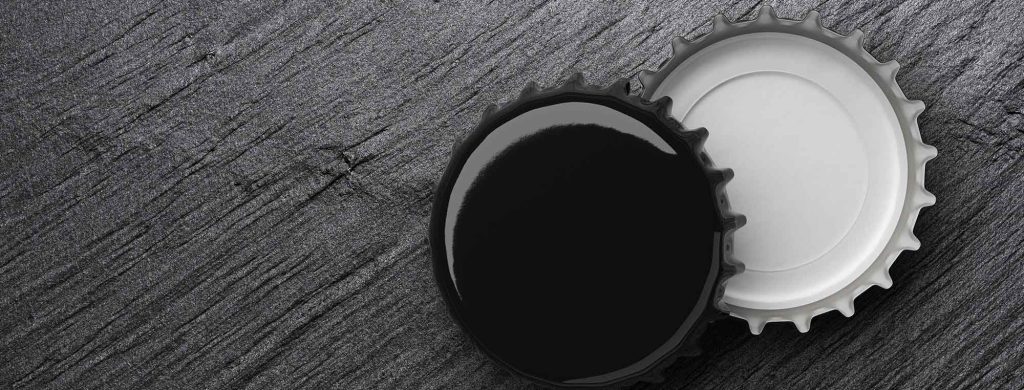
What About Bottle Caps?
Bottle caps should be handled carefully.
New caps are generally ready for use after appropriate sanitation. And many homebrewers, myself included, do not even sanitize crown caps that have come sealed from the factory. The odds of an infected brew from a bottle cap are slim.
Do not wash reusable caps and assume that they are sanitary. Use a suitable sanitizer according to the manufacturer’s instructions. Avoid touching the inside surface after sanitizing.
Do I Need to Sanitize New Bottles?
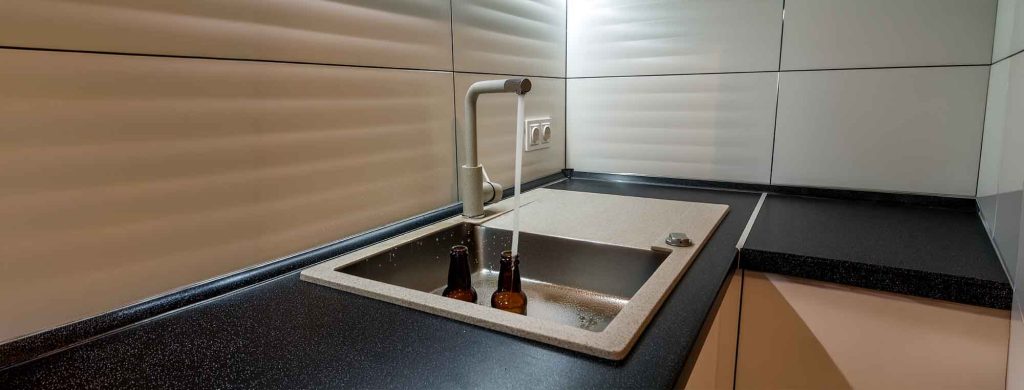
Yes. Do not assume that a new bottle is ready for your beer, mead, wine, or cider.
Dust and other material can be present. Clean bottles if necessary. Then sanitize them before filling.
For used bottles, cleaning is especially important. Remove all old residue. Inspect the bottle. Then sanitize it.
How Do I Know If a Bottle Is Clean?
Hold the bottle up to a light.
Look for:
- Dried beer.
- Yeast.
- Dust.
- Film.
- Cloudiness.
- Foreign material.
A bottle that looks clean is easier to sanitize effectively. If you see residue, clean it again.

Do I Need to Sanitize My Hydrometer?
Yes. Your hydrometer enters your beer or must.
Clean it after use. Sanitize it before placing it into a sample or before taking a measurement directly from a vessel. Be careful with glass hydrometers, as they can easily break.
Do I Need to Sanitize My Hands?
Hand washing is important.
Wash your hands before handling sanitized equipment. You can also use suitable food-safe gloves if appropriate.
However, gloves can become contaminated. Wearing gloves does not eliminate the need for good sanitation practices.
What Is the Difference Between Cleaning and Sanitizing?
The simplest way to remember it is:
Cleaning removes.
Sanitizing reduces.
Cleaning removes dirt, residue, and organic material. Sanitizing reduces microorganisms on the clean surface. You need both steps.
A Simple Cleaning and Sanitizing Process
For most brewing equipment, a simple process works well.
1. Rinse
Rinse equipment soon after use.
This prevents wort, yeast, and other material from drying onto the surface.
2. Clean
Use an appropriate brewing cleaner.
Soak or scrub as needed.
3. Rinse
Rinse away the cleaning solution according to the cleaner’s instructions.
4. Inspect
Look for residue.
If you see dirt, clean the equipment again.
5. Sanitize
Apply your brewing sanitizer at the correct concentration.
Make sure the entire surface is exposed.
6. Use
Use the sanitized equipment promptly.
Avoid touching surfaces that will contact the beverage.
Should I Clean Immediately After Brewing?
Yes.
This is one of the easiest ways to make homebrewing less frustrating. Equipment is much easier to clean when residue is fresh.
Dried krausen can be difficult to remove. Dried wort or must can become hard and sticky. A quick rinse immediately after use can save a lot of work later.
Should I Sanitize Equipment When I Store It?
Usually, cleaning before storage is more important. Equipment can become contaminated while it sits. Before your next batch, inspect the equipment and clean it if needed.
Then sanitize it before use. Do not assume that equipment sanitized last month is still sanitary today.
Can Over-Sanitizing Be a Problem?
Using a sanitizer incorrectly can cause problems.
More sanitizer is not always better. An incorrect concentration can waste product or damage equipment. Follow the manufacturer’s instructions.
Also pay attention to contact time. Use the product as designed.
What About Brewing Equipment That Looks Clean?
Looks can be misleading. A fermenter can appear spotless and still contain microorganisms.
This is why you sanitize equipment after cleaning. The two steps solve different problems.
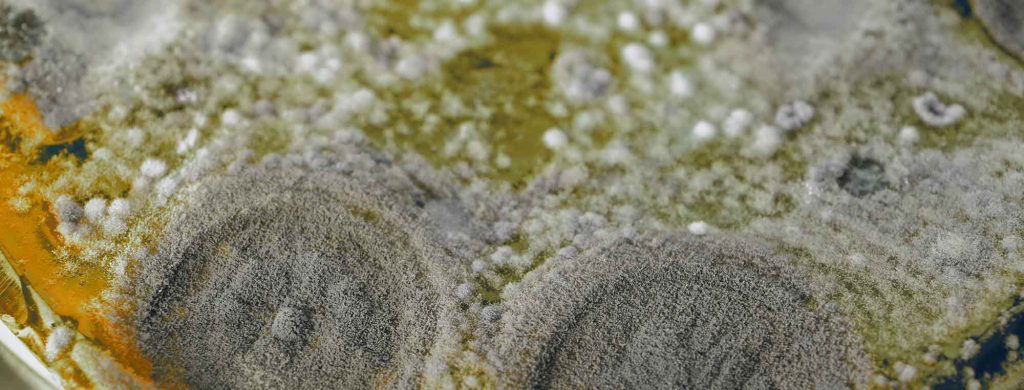
What If My Beer Keeps Getting Infected?
If you have repeated contamination problems, review your entire process.
Look at:
- Fermenter cleaning.
- Fermenter sanitation.
- Siphon sanitation.
- Tubing.
- Bottles.
- Bottle caps.
- Airlocks.
- Transfer equipment.
- Packaging equipment.
- Fruit and other additions.
- How long equipment remains exposed before use.
Plastic tubing and scratched plastic equipment deserve special attention.
They can be difficult to clean completely.
Is Sanitizing the Same as Sterilizing?
No.
Sterilization means removing or destroying all forms of microbial life to a much higher standard.
Sanitization reduces microorganisms to an acceptable level.
Normal homebrewing generally does not require sterile equipment. Proper cleaning and sanitizing are the goal.
The Bottom Line
Cleaning and sanitizing are not the same thing.
- Cleaning removes dirt and brewing residue.
- Sanitizing reduces microorganisms.
You need to do both.
The basic process is:
Clean → Rinse → Inspect → Sanitize → Use
Do not expect sanitizer to work well on dirty equipment. Do not assume clean equipment is sanitary.
For most homebrewers, a good brewing cleaner and a reliable no-rinse sanitizer are two of the most important pieces of brewing equipment you can own.
The good news is that sanitation does not need to be complicated. Clean your equipment promptly using the correct cleaner. Rinse as directed.
Use sanitizer at the correct concentration. Follow the required contact time and keep sanitized equipment away from dirty surfaces. Good sanitation will not guarantee that every batch is perfect. But it removes one of the most common sources of problems for new homebrewers.