Making alcohol at home starts with fermentation.
Yeast consumes sugar. The yeast converts some of that sugar into alcohol and carbon dioxide. And you can demonstrate this process with a simple sugar wash.
One traditional example is called kilju. Kilju is a Finnish fermented beverage made primarily from sugar and water.
- It is simple.
- It is inexpensive.
- It also makes the basic chemistry of fermentation easy to understand.
- It makes a simple base for fractional freezing to separate the water from the concentrated spirit.
This article is for educational purposes only.
Laws concerning homemade alcohol vary by location. In the United States, federal law allows limited home production of beer and wine. It does not allow individuals to produce distilled spirits at home, with some exceptions.
What Is Kilju?
Kilju is a simple sugar-based fermented beverage.
Unlike beer, it does not rely on malt for its fermentable sugar. Unlike wine, it does not rely on fruit.
The main ingredients are:
- Water
- Sugar
- Yeast
- Yeast nutrient
A small amount of acid can also be used to improve fermentation kinetics.
Kilju has historically been made with very simple ingredients. The result is usually a light-bodied alcoholic beverage with little flavor from the ingredients. This makes it useful for demonstrating fermentation.
What You Need
For a simple small batch, you need:
- Water
- Table sugar
- Wine yeast
- Yeast nutrient
- A small amount of lemon juice
- A fermentation vessel
- An airlock
- Hydrometer
- Cleaner
- Brewing sanitizer
The equipment is similar to what you would use for a small batch of wine or mead.
Why Use Wine Yeast?
Wine yeast is well suited to sugar fermentation, as it can ferment simple sugars efficiently. It also tolerates higher alcohol levels than many bread yeasts.
Use a wine yeast intended for fermentation. Do not assume that bread yeast will produce the same result.
Why Add Yeast Nutrient?
Sugar provides fermentable energy.
It does not provide everything yeast needs for healthy growth. Yeast also needs nutrients.
A sugar wash contains very little nutrition on its own. Yeast nutrient can help support a healthier fermentation.
Follow the manufacturer’s dosage instructions. Do not assume that more nutrient will produce more alcohol.
Why Add Lemon Juice?
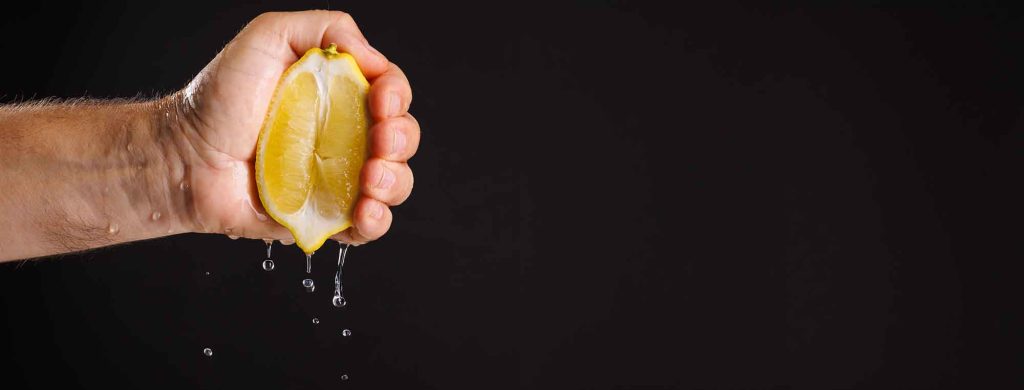
A sugar wash can have very little natural acidity. A small amount of lemon juice can lower the pH.
This can create a more favorable environment for fermentation. The goal is not to make the wash taste strongly of lemon. Use only enough to provide a modest acid adjustment.
For precise brewing, you can measure the pH rather than relying only on taste.
Step 1: Prepare the Sugar Solution
Dissolve the sugar in water.
Use clean equipment.
Make sure the sugar is fully dissolved. Allow the mixture to cool to a suitable temperature for the yeast. Do not add yeast to very hot liquid, as heat can damage or kill yeast. Measure the Original Gravity to have an accurate estimate on how much alcohol will be created. Don’t begin with too high of a starting gravity so as not to stress the yeast.
Step 2: Add the Nutrient and Acid
Add the yeast nutrient according to the product instructions. Add a small amount of lemon juice. Mix the liquid well.
If you have a pH meter, check the pH. Avoid making the wash strongly acidic. You just need a bit of acid to help the yeast along. The goal is a suitable fermentation environment.
Step 3: Add the Yeast
Add the wine yeast according to the manufacturer’s instructions.
Mix the yeast into the sugar solution. Do not seal the vessel without a way for carbon dioxide to escape.
Fermentation produces gas. Pressure can build in a sealed container. For this reason, an airlock is recommended.

Step 4: Ferment the Wash
Attach an airlock. Keep the fermenter within the yeast manufacturer’s recommended temperature range.
The yeast will begin consuming the sugar. You will see carbon dioxide production.
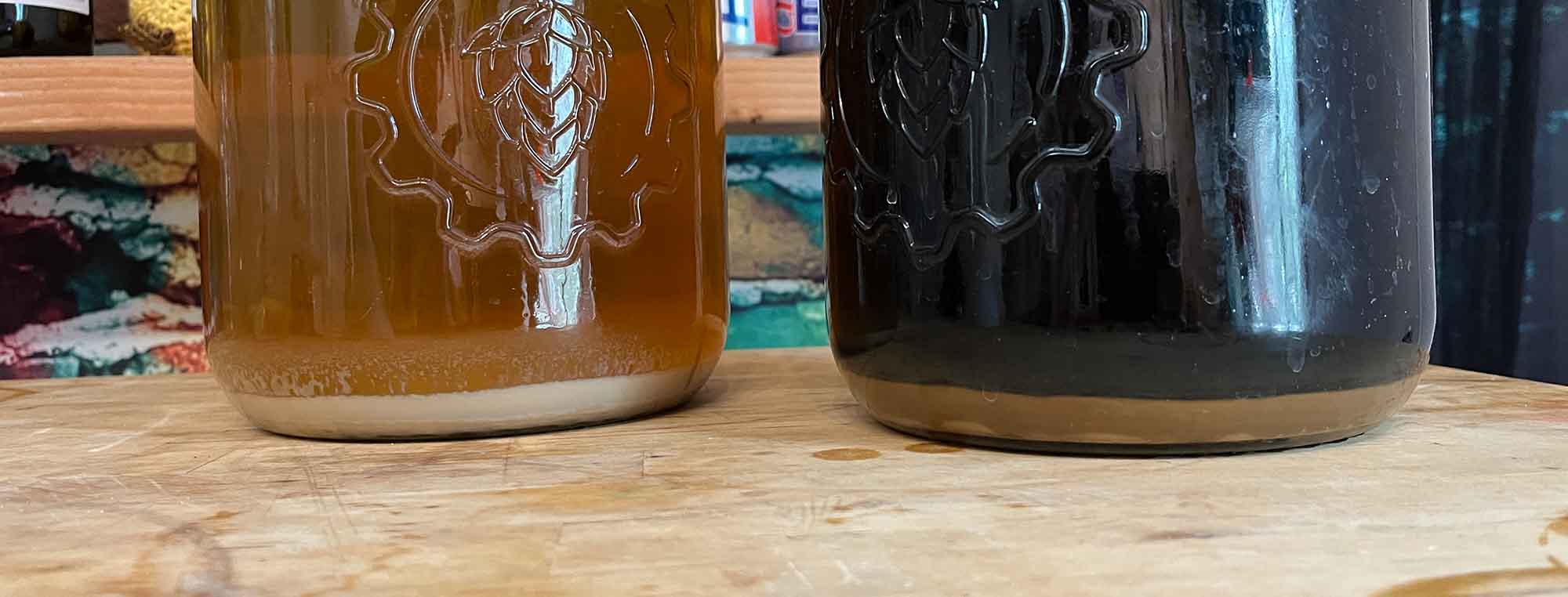
The airlock may bubble. The liquid may become cloudy. A layer of yeast may eventually settle on the bottom. These are normal signs of fermentation.
Step 5: Check the Gravity
A hydrometer gives you a much better indication of fermentation progress than airlock activity.
Take an original gravity reading before fermentation.
Take another reading later.
When the gravity becomes stable, fermentation is complete. Do not assume fermentation is finished because bubbling has stopped.
What Happens During Fermentation?
The basic reaction is:
Sugar → alcohol + carbon dioxide
Yeast performs this conversion. The sugar provides energy. The yeast converts some of that energy into ethanol and carbon dioxide.
The process also produces other compounds. These compounds can affect the flavor and aroma of the finished beverage.
What Does the Finished Wash Taste Like?
A sugar wash is not usually known for great flavor. It contains very few ingredients that contribute character. The yeast can still produce noticeable flavors.
Nutrients, temperature, yeast strain, and fermentation conditions can also affect the result. This is one reason sugar washes are more useful as a fermentation demonstration than as a replacement for well-made beer, cider, mead, or wine.
Can You Make More Alcohol by Freezing It?
This is where fermentation and alcohol concentration become different processes.
Fermentation creates alcohol.
Freezing does not create more alcohol.
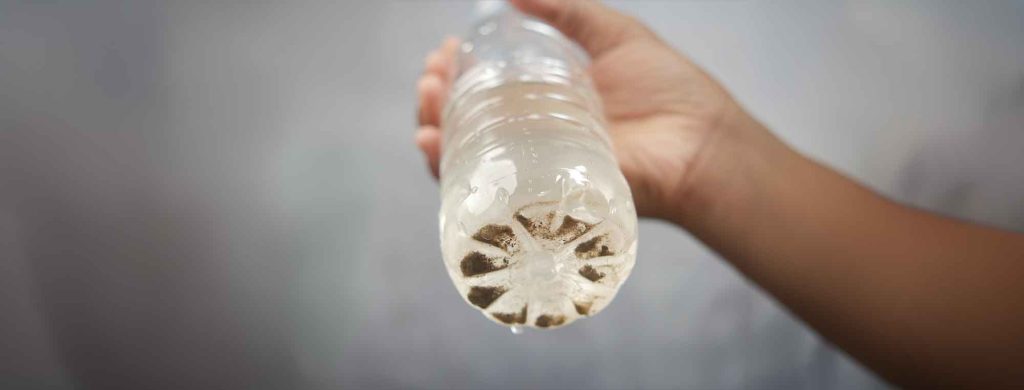
Instead, a freezing process can separate some of the water from an alcoholic mixture. Water freezes more readily than ethanol. As ice forms, some of the alcohol remains in the unfrozen liquid. Removing the ice can therefore produce a liquid with a higher alcohol concentration.
This process is commonly called fractional freezing or freeze concentration.
What Happens to the Ice?
The ice contains proportionally more water than the remaining liquid. The unfrozen portion contains a higher proportion of alcohol. This is the basic scientific principle behind fractional freezing.
The process does not create alcohol. It concentrates alcohol that is already present. This is different from fermentation. And, of course, it is also different from ordinary freezing.
Why Is This Important?
The distinction is useful when learning about alcohol.
Fermentation changes sugar into ethanol. Fractional freezing separates water from an existing alcoholic mixture. The second process increases the concentration of alcohol.
That makes it a form of alcohol concentration rather than simply another fermentation step.
What About Freeze Distilling?
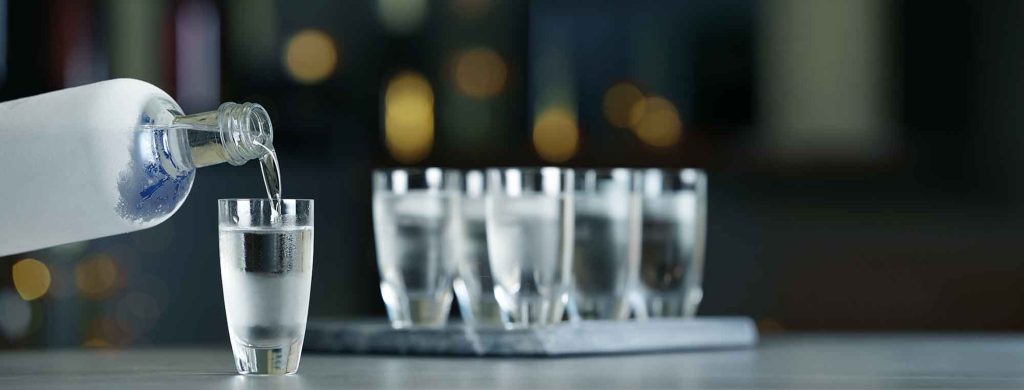
The term “freeze distilling” is commonly used for this process. The name can be confusing.
There is no traditional still.
The separation occurs through freezing rather than boiling. The basic principle is still the same:
Water is preferentially removed from an alcoholic mixture. The result is a more concentrated alcoholic liquid.
Is Freeze Concentration Legal?
This is an important question.
In the United States, federal law prohibits individuals from producing distilled spirits at home.
The TTB specifically states that there is no federal personal-use exemption for producing distilled spirits. The TTB also considers a process that separates ethyl alcohol from a mixture containing alcohol to be distillation for regulatory purposes.
State laws can add additional restrictions.
For example, Oklahoma allows certain personal-use beer, cider, and wine made by simple fermentation under specific conditions and with a personal-use permit. Oklahoma law does not create a general home exemption for producing distilled spirits.
Laws can change. Check current federal, state, and local requirements before producing alcoholic beverages.
Tutorial
How is Alcohol Concentrated by Freezing?
Fractional freezing can concentrate the alcohol and flavor compounds in a kilju, wine, mead, or cider. Water freezes more easily than the alcohol. This lets you separate some of the water as ice while keeping the concentrated alcohol.
What you need
- Fermented alcoholic beverage
- Clean plastic jug
- Freezer
- Clean receiving vessel
- Strainer or colander
Step 1: Freeze the beverage
Pour the beverage into the plastic jug.
Leave some empty space in the jug. The liquid will expand as it freezes.
Place the jug in the freezer until the beverage is mostly frozen. You want a solid mass of ice with some liquid still present.
Step 2: Drain the concentrated alcohol
Place the receiving vessel under the opening of the jug. Turn the frozen jug upside down.
Let the liquid drain into the receiving vessel. The first liquid to drain will contain more alcohol than the ice that remains in the jug.
Let the liquid drain until the flow becomes very slow.
Step 3: Separate the ice
Remove the remaining ice from the jug.
The ice contains mostly water. Discard it or let it melt separately – this can make a good base for a marinade.
The liquid collected in the receiving vessel is now more concentrated than the original beverage. For a stronger concentration, you can repeat the freeze-and-drain process with the collected booze.
What is happening?
The process works because pure water forms ice more easily than water that contains dissolved alcohol and other compounds.
As ice forms, much of the alcohol stays in the unfrozen liquid. When you drain that liquid away from the ice, you remove some of the water without removing the same amount of alcohol. This increases the alcohol concentration and produces a punchier, more concentrated drink.
Important note
Do not seal the jug completely while freezing. Leave enough space for expansion. Use clean equipment to reduce the risk of contamination.
Fermentation Is the Interesting Part
You do not need to concentrate the alcohol to learn how fermentation works.
A sugar wash provides a simple demonstration.
- You can measure the original gravity.
- You can watch the fermentation.
- You can measure the final gravity.
- You can calculate the approximate alcohol produced by fermentation.
- You can also compare different yeast strains.
This teaches the same basic fermentation principles used in beer, cider, wine, and mead.

Common Mistakes
Using too much sugar
More sugar does not always produce more alcohol.
Yeast has an alcohol tolerance.
High sugar concentrations can also stress yeast.
Using too little nutrient
Sugar alone does not provide a complete nutrient supply.
Healthy yeast needs appropriate nutrition.
Fermenting too hot
High temperatures can stress yeast and create unwanted flavors.
Follow the yeast manufacturer’s temperature recommendations.
Sealing the fermenter
Carbon dioxide must have a way to escape.
Never seal an actively fermenting beverage in a container that cannot safely vent pressure.
Guessing when fermentation is finished
Use a hydrometer.
Stable gravity readings are much more useful than airlock activity.
Assuming freezing creates alcohol
It does not.
Fermentation creates alcohol.
Freezing can only change the concentration of alcohol that is already present.
The Bottom Line
Making alcohol through fermentation is one of the basic processes behind beer, wine, cider, and mead. A simple sugar wash demonstrates the process with very few ingredients.
Use sugar, water, wine yeast, nutrient, and a small amount of acid.
Control the fermentation. Measure the gravity. Allow the yeast to finish its work.
Fractional freezing provides an interesting demonstration of how water and ethanol behave differently when a mixture freezes. It can leave more alcohol in the unfrozen liquid while water becomes part of the ice. However, concentrating homemade alcohol can fall under laws governing distilled spirits.
In the United States, federal law prohibits home production of distilled spirits without the required authorization.
Fermenting sugar into alcohol is the homebrewing lesson. Concentrating that alcohol is a different legal and regulatory category.
Keep the experiment on the fermentation side of that line.