You check your fermenter and notice something strange.
The liquid in the airlock is moving toward the fermenter. Sometimes the airlock liquid even disappears into the fermenter. This can look like a serious problem.
It is called suck-back.
Suck-back happens when the pressure inside the fermenter becomes lower than the pressure outside the fermenter. The good news is that suck-back is usually easy to understand and prevent. The right equipment can also make it much less likely.

What Is Airlock Suck-Back?
An airlock normally allows carbon dioxide to leave the fermenter.
During active fermentation, yeast produces carbon dioxide. The pressure inside the fermenter can become slightly higher than the pressure outside. This pushes gas through the airlock. The process can look like bubbling.
Later, the pressure inside the fermenter can become lower than the pressure outside. When this happens, liquid can move in the opposite direction. The airlock liquid can get pulled toward the fermenter.
This is airlock suck-back.
Why Does Pressure Change?
Several things can cause negative pressure inside a fermenter.
The most common causes are:
- Fermentation is slowing.
- Fermentation has finished.
- The fermenter is cooling.
- The fermenter is moved.
- The fermenter is sealed while the liquid is cooling.
- Carbon dioxide is absorbed into the liquid.
The most common cause for homebrewers is temperature change.
Cooling Can Cause Suck-Back
Imagine that your fermenter is full of warm beer, wine, mead, or cider.
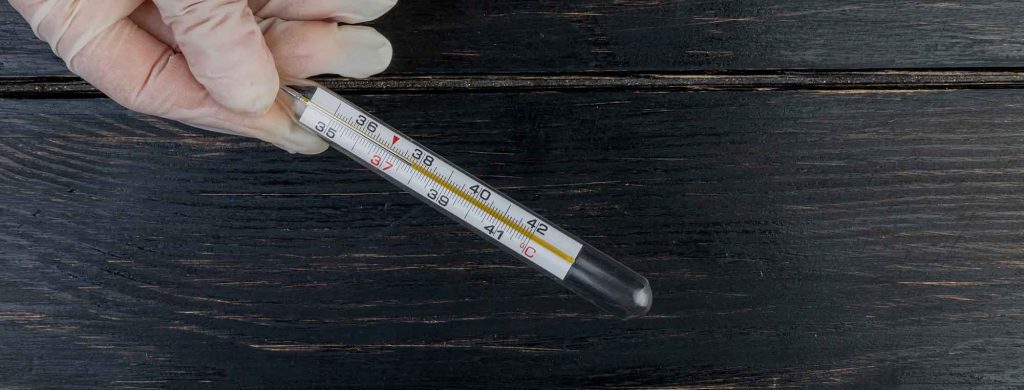
The liquid and gas inside the fermenter cool. As the temperature falls, the gas inside the fermenter contracts. The pressure inside the fermenter decreases.
Outside air then pushes against the liquid in the airlock. The airlock liquid can move toward the fermenter.
This can happen even when fermentation is completely healthy.
Fermentation Can Also Cause Suck-Back
During active fermentation, yeast produces carbon dioxide. This gas can leave through the airlock. When fermentation slows, less carbon dioxide is produced.
Some of the carbon dioxide already in the fermenter can also dissolve into the liquid. This can reduce the amount of gas above the liquid.
The pressure can then decrease. The result can be suck-back.
Is Suck-Back Dangerous?
Usually, the pressure change itself is not dangerous. The bigger concern is what gets pulled into the fermenter.
If the airlock contains dirty water, that water can enter your beer, wine, mead, or cider. If the airlock contains a sanitizer solution, some of that liquid may also enter the fermenter. The amount is often small.
However, it is better to prevent suck-back than to deal with it.
What Should I Put in My Airlock?
You have several options.
Many homebrewers use:
- Water.
- A suitable sanitizer solution.
- High-proof neutral spirit.
If you use sanitizer, follow the manufacturer’s instructions. Do not assume that all sanitizers are safe to put into an airlock. If you use alcohol, use a suitable food-grade spirit.
The goal is to use a liquid that presents as little risk as possible if a small amount enters the fermenter.
What Should I Do If My Airlock Gets Sucked In?
Do not panic.
First, check how much liquid entered the fermenter.
If only a small amount entered, the batch may be fine.
Clean and sanitize the airlock. Then refill it with an appropriate liquid and reinstall it. If the airlock liquid was dirty, contaminated, or contained an inappropriate chemical, the situation deserves more attention. Do not add more chemicals to the fermenter in an attempt to fix the problem.
Continue to monitor the fermentation.
What If the Airlock Was Full of Water?
Plain water is commonly used in airlocks.
If a small amount of clean water enters the fermenter, it usually does not mean the batch is ruined. The larger concern is contamination. If the water was dirty, standing for a long time, or exposed to an unclean environment, there is more reason for concern.
Good sanitation is still your best defense.
What If Sanitizer Gets Sucked Into the Fermenter?
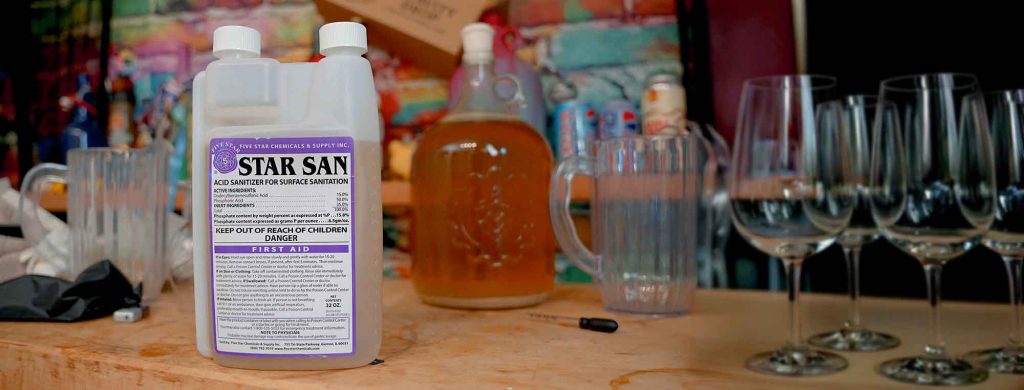
First, determine what sanitizer you used.
Check the product label and manufacturer’s instructions. A small amount of a properly diluted no-rinse sanitizer solution may not cause a problem, depending on the product.
Do not guess.
If a large amount of concentrated sanitizer entered the batch, you should not assume that the beverage is safe to drink. Check the product instructions or contact the manufacturer.
What If I Used Vodka in the Airlock?
Some homebrewers use vodka or another high-proof neutral spirit in an airlock. This can be useful because the liquid is less likely to introduce unwanted microorganisms.
If a small amount is pulled into the fermenter, it is unlikely to have a major effect on a normal batch. However, you should still try to prevent suck-back. Using alcohol in the airlock is not a substitute for good fermentation practices.
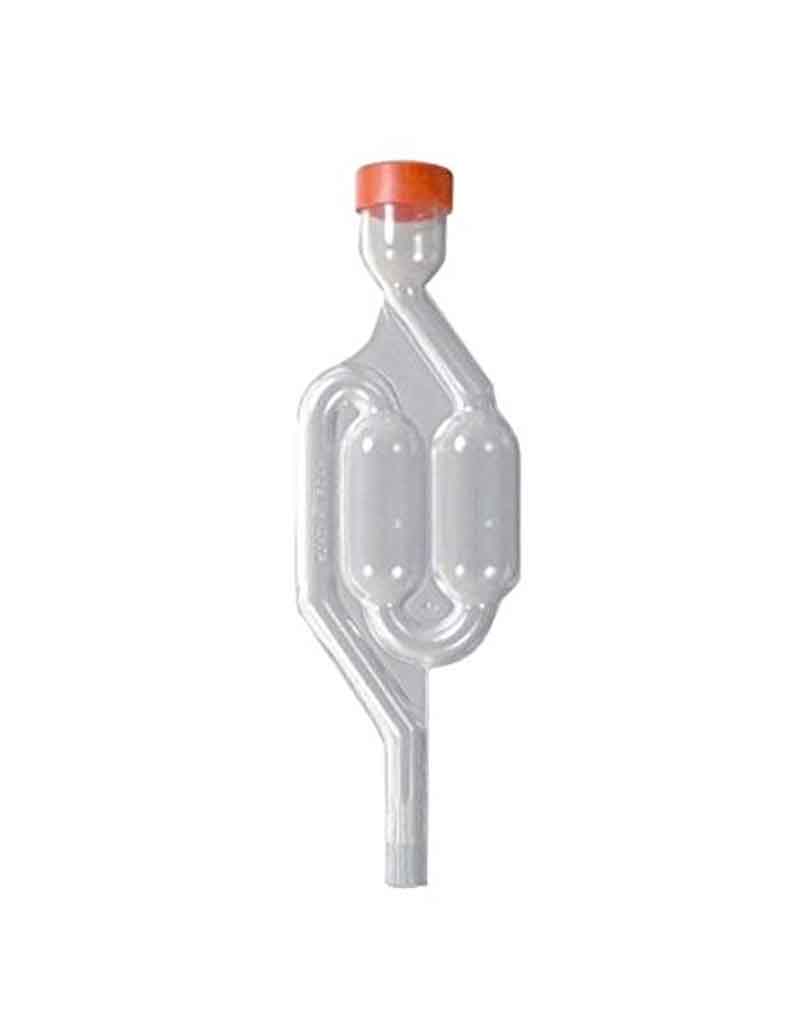
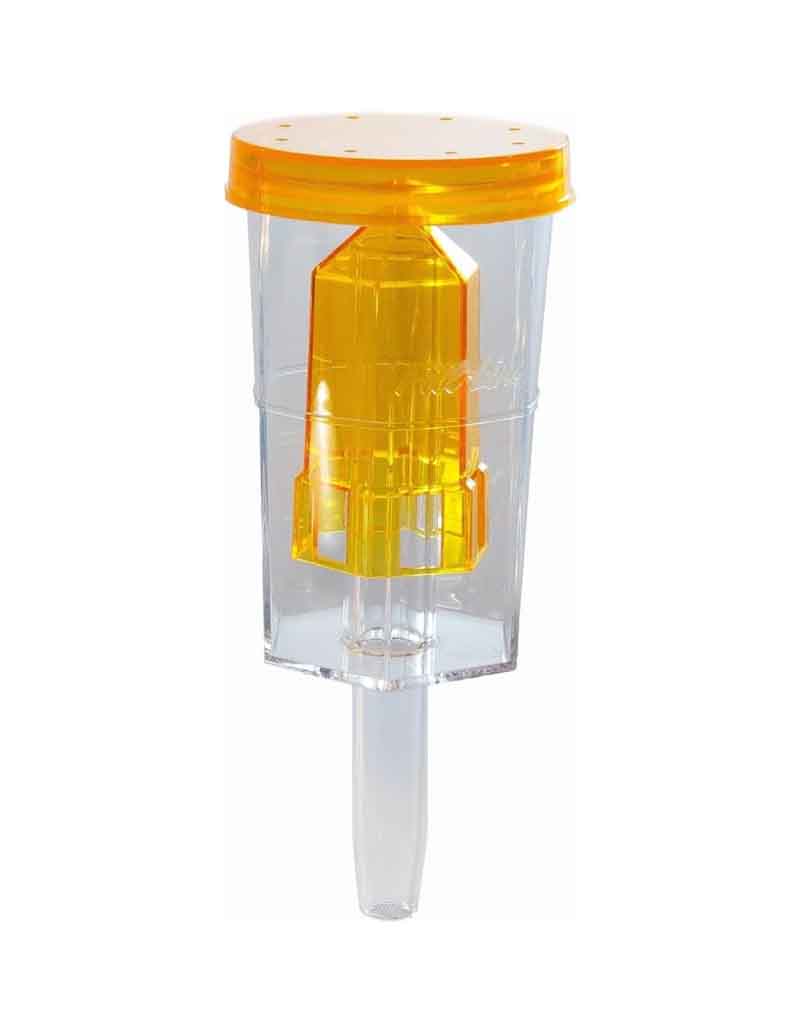
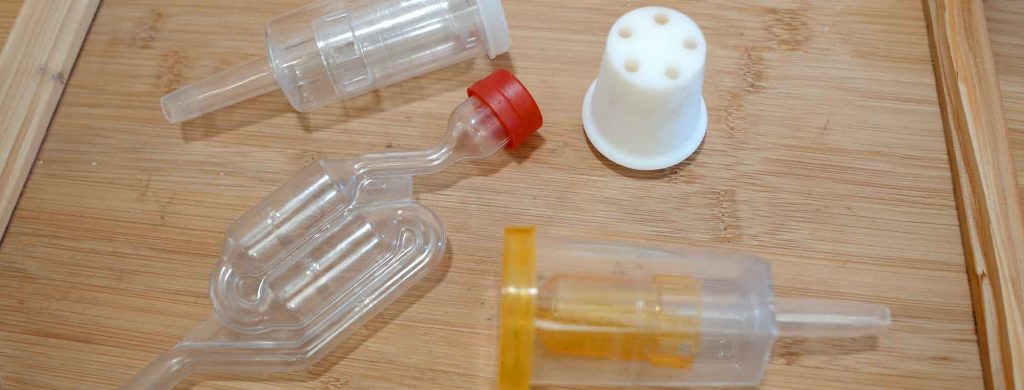
Can I Prevent Suck-Back With a Three-Piece Airlock?
A three-piece airlock can help, but it cannot prevent the pressure change itself.
It works by allowing gas to move through a liquid barrier. If pressure inside the fermenter becomes negative, the liquid can still move toward the fermenter. A three-piece airlock is easy to clean and works well for most homebrewing. It is a good basic piece of equipment.
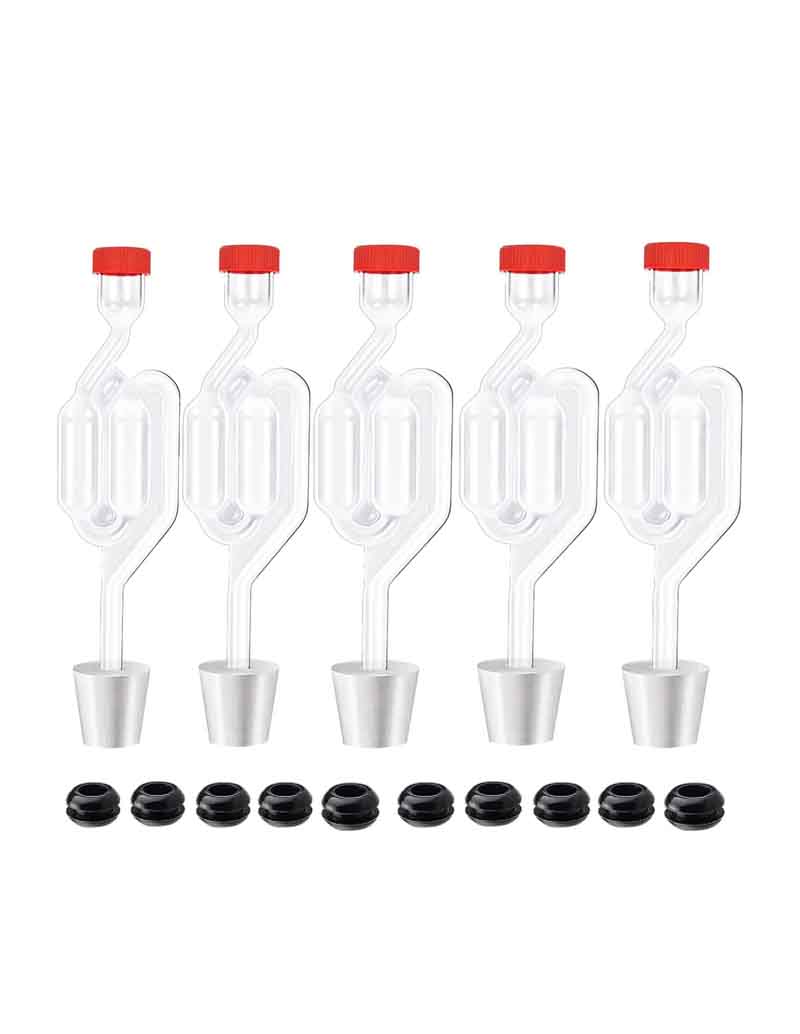
What About an S-Shaped Airlock?
An S-shaped airlock works in the same basic way. It contains liquid in a curved tube.
Gas can move out of the fermenter. Outside air has difficulty moving through the liquid. However, an S-shaped airlock can also experience suck-back. The design of the airlock does not eliminate pressure changes.

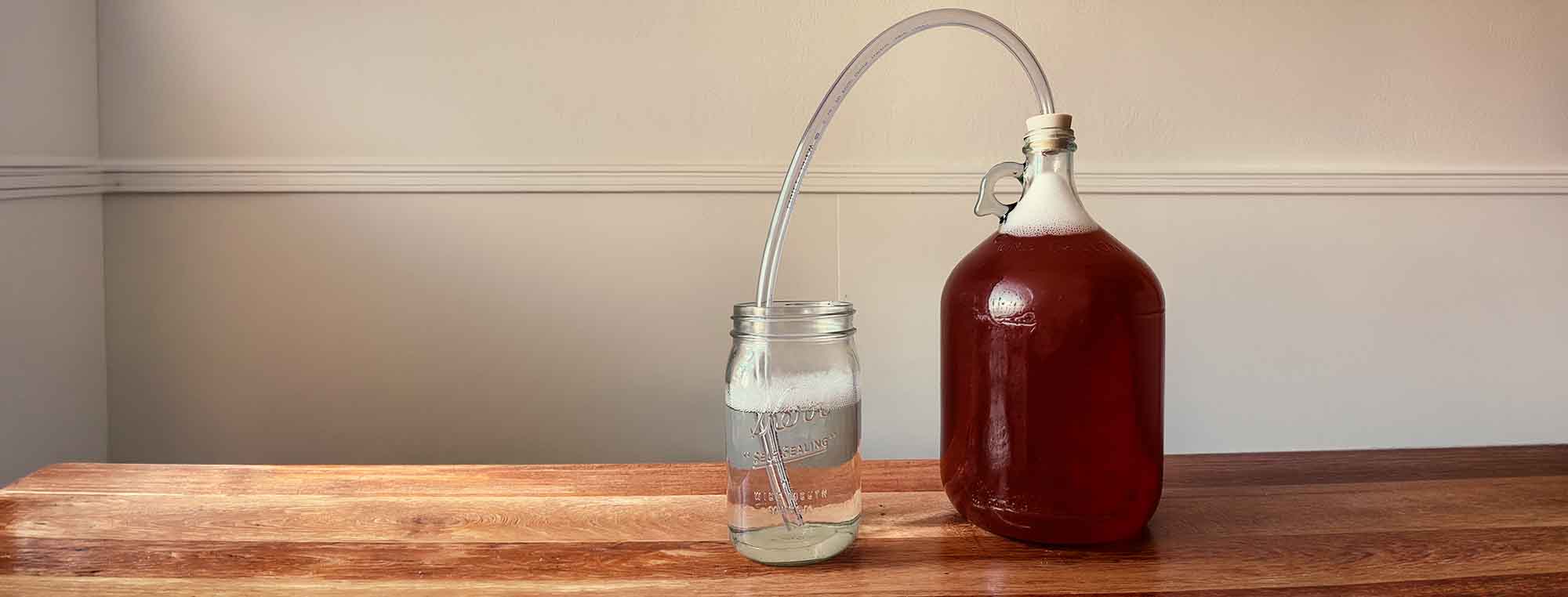
Can a Blowoff Tube Cause Suck-Back?
Yes. A blowoff tube can also allow liquid to move toward the fermenter. This can happen if the end of the tube sits below the surface of liquid in the collection container.
When the fermenter develops negative pressure, it can pull liquid backward through the tube. This is sometimes called a reverse siphon. The collection container should be positioned carefully. You should also avoid creating a setup where a large amount of liquid can flow into the fermenter.
What Is a Suck-Back Trap?
A suck-back trap is equipment designed to reduce the chance that liquid will move from an airlock or blowoff container into the fermenter. Some homebrewers use a second container between the fermenter and the airlock.
This container provides extra space for liquid and foam. It can be useful with vigorous fermentation or large fermentation vessels. A trap is not required for most beginners. However, it can be useful for brewers who regularly experience suck-back.
Can a Temperature Controller Prevent Suck-Back?
A temperature controller can help reduce sudden temperature changes. This can reduce some cases of suck-back.
For example, a fermentation chamber can keep the fermenter at a more stable temperature. A temperature probe can monitor the fermenter. A controller can then operate a refrigerator, freezer, or heating device.
You do not need a temperature controller to prevent every case of suck-back. However, stable fermentation temperature is useful for many brewing processes.
What About a Spunding Valve?
A spunding valve is used with pressure-capable fermentation equipment. It allows a brewer to control pressure inside a fermenter.
This equipment is different from a normal airlock.
A spunding valve can be useful for pressure fermentation and natural carbonation. It is not necessary for normal open-airlock fermentation. Never use pressure equipment with a fermenter that is not designed and rated for pressure.
Can I Stop Suck-Back by Removing the Airlock?
You could remove the airlock.
This may allow outside air to enter freely. Though that can create other problems.
It is usually better to keep a sanitized airlock in place.
If you expect a major pressure change, use equipment designed for the situation. Do not leave an actively fermenting beverage in a completely sealed container.
Should I Worry About Oxygen?
Yes, especially after primary fermentation.
Oxygen can cause oxidation. This can change the flavor, aroma, and color of beer, wine, mead, and cider.
Suck-back can pull outside air into the fermenter. It can also pull airlock liquid into the fermenter. For this reason, minimizing unnecessary pressure changes is useful.
A properly fitted airlock and a suitable fermentation vessel can help.

How Can I Prevent Airlock Suck-Back?
You can reduce the risk with a few simple steps.
Keep Temperature Changes Gradual
Avoid moving a warm fermenter directly into a much colder environment. Large temperature changes can create a strong pressure difference. A stable fermentation temperature is better for yeast and can reduce suck-back.
Use the Correct Airlock Liquid
Use clean water, a suitable sanitizer solution, or another appropriate liquid.
Keep the airlock clean. Replace dirty liquid.
Do Not Overfill the Airlock
The airlock needs enough room for gas to move.
Follow the manufacturer’s fill instructions.
Use a Blowoff Tube When Appropriate
A blowoff tube gives foam and gas more room to escape. It can also be useful during vigorous primary fermentation.
Make sure the collection container is positioned correctly.
Use a Smaller Secondary Vessel
Large headspace can increase oxygen exposure.
For secondary fermentation, use a vessel that fits the volume of your beverage.
Consider a Suck-Back Trap
If you frequently experience suck-back, a trap can provide another layer of protection.
What Is the Best Equipment for Preventing Suck-Back?
You do not need to buy a large collection of specialized equipment.
A basic setup can include:
- A properly sized fermenter.
- A three-piece or S-shaped airlock.
- Clean water or a suitable airlock liquid.
- A blowoff tube.
- A clean collection container.
- A hydrometer.
- A thermometer.
For more advanced fermentation, you can add:
- A temperature probe.
- A temperature controller.
- A thermowell.
- A suck-back trap.
- A pressure-rated fermenter.
- A spunding valve.
Start with the basic equipment. Add specialized equipment when your brewing process gives you a reason to use it.
Is My Batch Ruined If Suck-Back Happens?
Usually, no.
Suck-back is common.
A small amount of clean airlock liquid entering the fermenter does not automatically ruin a batch.
The important questions are:
- What liquid entered the fermenter?
- How much entered?
- Was the liquid clean?
- Was the liquid properly prepared?
- Is there any sign of contamination?
If the answer to these questions is reassuring, continue to monitor the fermentation. Do not throw away a batch simply because the airlock liquid moved.
The Bottom Line
Airlock suck-back happens when pressure inside the fermenter becomes lower than pressure outside the fermenter.
Temperature changes are a common cause. Slowing fermentation can also cause it. The problem is usually not the pressure change itself. The concern is what the airlock pulls into the fermenter.
- Use clean airlock liquid.
- Keep your equipment sanitary.
- Use a properly sized fermenter.
- Consider a blowoff tube during active fermentation.
For more advanced setups, a suck-back trap, temperature controller, or pressure-rated fermentation system can provide additional control.
Most importantly, do not panic when you see the liquid moving in the wrong direction.
Suck-back is usually a normal pressure effect, not a sign that your fermentation has failed.