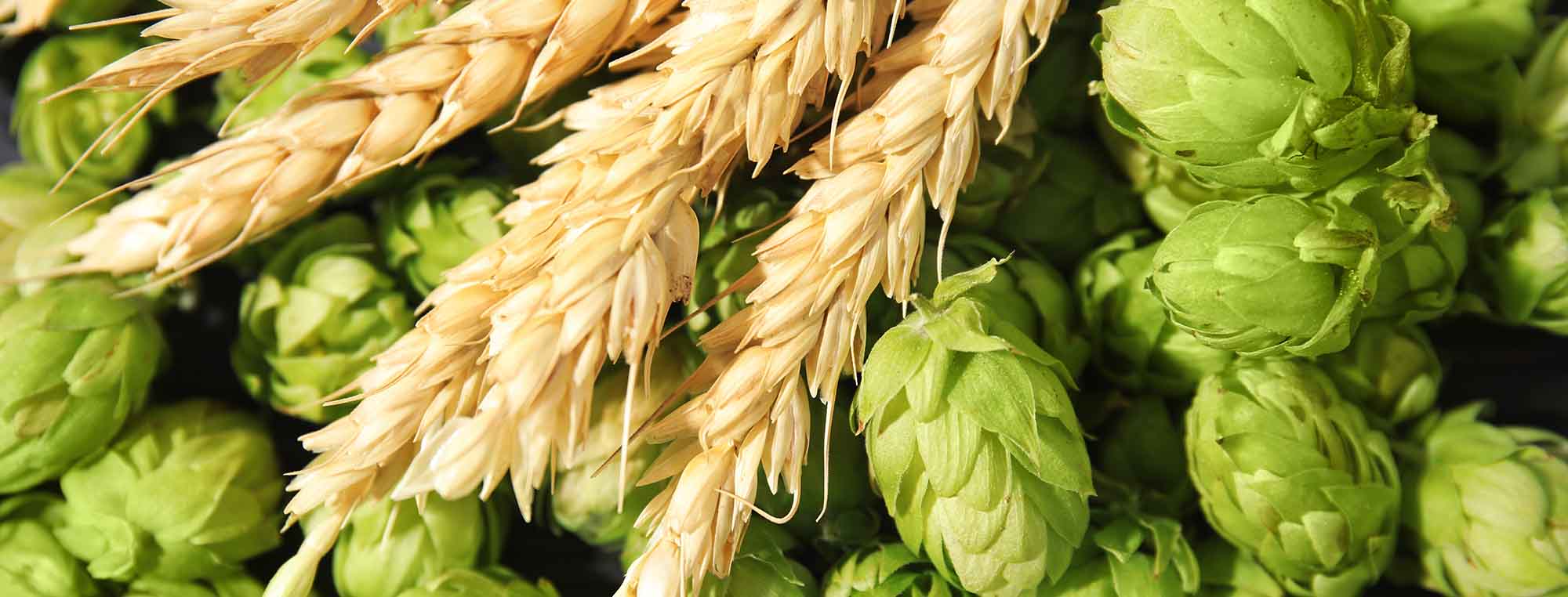
SMaSH is a brewing term. It means Single Malt and Single Hop.
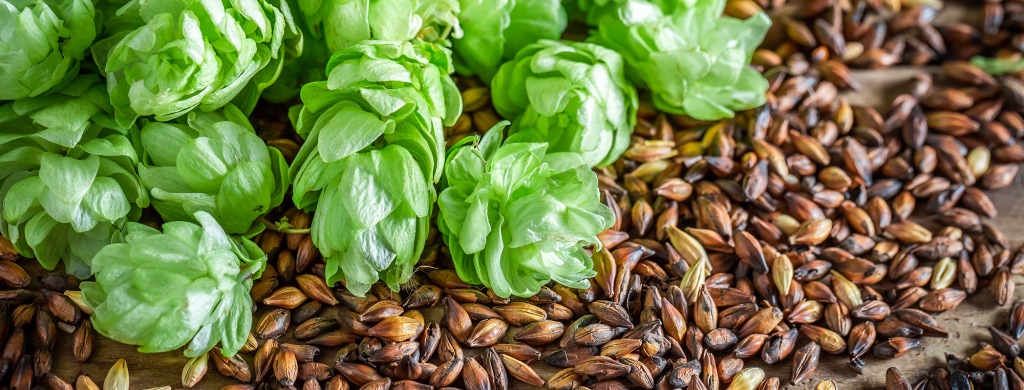
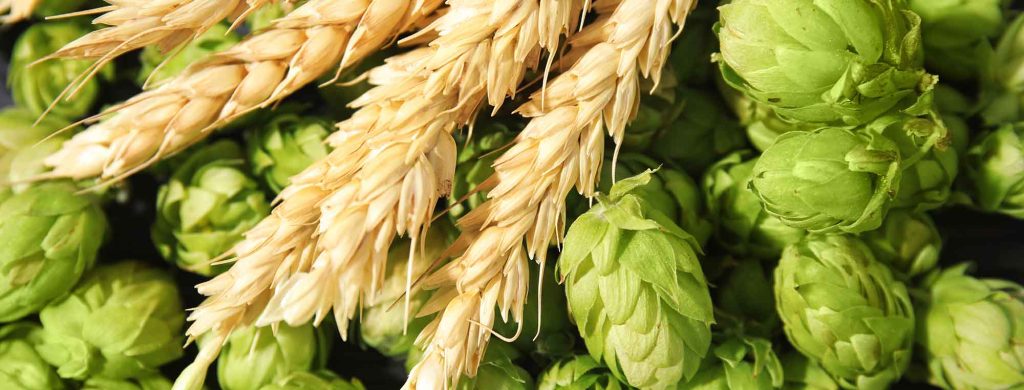
A SMaSH beer uses one type of malt and one type of hop.
The goal is simple: you use a small number of ingredients to make a complete beer. This makes SMaSH brewing a useful way to learn about ingredients. It also makes a good starting point for new brewers.
What Does SMaSH Mean?
The name describes the recipe.
Single Malt
The recipe uses one type of base malt.
Single Hop
The recipe uses one type of hop.
For example, you could make a SMaSH beer with:
- Maris Otter malt
- Cascade hops
- A neutral ale yeast
- Water
That is a SMaSH recipe.
You can also make one with Pilsner malt and Saaz hops. Or pale malt and Centennial hops.
The important part is that the recipe uses one malt and one hop variety.
Why Make a SMaSH Beer?
Many beer recipes contain several types of malt and several hop varieties. This can create complex flavors. It can also make it difficult to identify where each flavor comes from.
SMaSH brewing removes much of that complexity.
You can taste the malt. You can taste the hop. And you can see how they work together.
This makes SMaSH brewing an excellent learning tool.
SMaSH Is Not a Beer Style
SMaSH describes a recipe structure.
It does not describe a specific beer style.
- A SMaSH beer can be light or dark.
- It can be hoppy or malt-forward.
- It can be made with an ale yeast or a lager yeast.
However, some combinations are easier to make than others. A pale base malt and a hop variety with a clear flavor profile are good choices for a first SMaSH beer.
What Malt Should I Use?
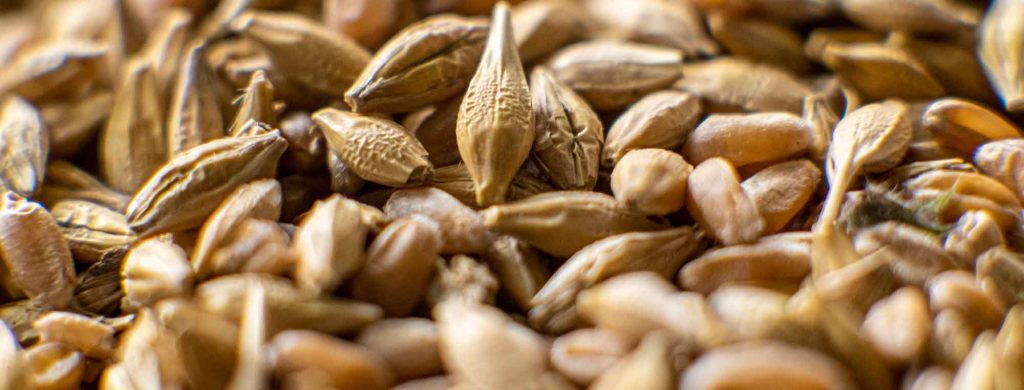
Choose a base malt.
Common choices include:
- American two-row
- Maris Otter
- Golden Promise
- Pilsner malt
- Vienna malt
- Munich malt
The malt changes the character of the beer.
American two-row
Two-row produces a clean and mild malt character.
It lets the hop flavor stand out.
Maris Otter
Maris Otter has a richer malt character.
It can produce flavors that are slightly nutty, biscuity, or sweet.
Pilsner malt
Pilsner malt produces a light-colored beer.
It has a clean and delicate malt character.
It works well with many traditional European hop varieties.
Vienna malt
Vienna malt produces more color and malt flavor.
It can add a light toast character.
Munich malt
Munich malt produces a strong malt character.
Some Munich malts have enough enzymatic power for a single-malt recipe.
Check the malt specifications before using a high percentage of Munich malt.
What Hop Should I Use?
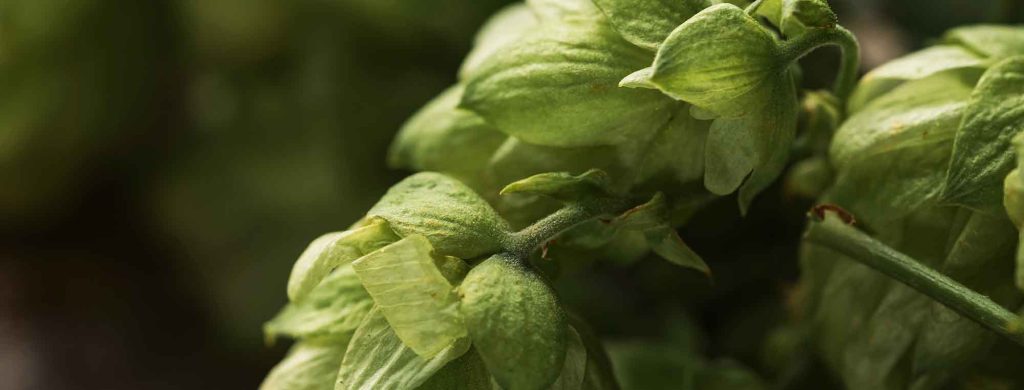
Choose one hop variety. You will use the same hop for every hop addition. This makes the hop character easy to identify.
Common choices include:
- Cascade
- Centennial
- Citra
- Mosaic
- Amarillo
- Saaz
- Hallertau
- Tettnang
- Fuggle
- East Kent Goldings
Different hop varieties produce very different flavors.
Cascade can produce citrus and floral notes. Citra can produce strong citrus and tropical notes. Saaz can produce herbal and spicy notes. East Kent Goldings can produce earthy and floral notes.
The hop variety is one of the most important decisions in a SMaSH recipe.
What Yeast Should I Use?
Yeast is not included in the SMaSH name.
You can choose the yeast that best fits the beer.
A clean ale yeast is a good choice for a first SMaSH beer. A lager yeast can also work well.
The yeast still contributes flavor. This means the beer is not literally made from only two ingredients. SMaSH refers specifically to the malt and hop ingredients.
How Much Malt Should I Use?
Your batch size determines the amount of malt. A typical five-gallon batch might use about 8 to 12 pounds of base malt.
The exact amount depends on:
- Original gravity
- Brewhouse efficiency
- Batch size
- Malt potential
A recipe calculator can help determine the correct amount.
You do not need a complicated recipe. The purpose of SMaSH brewing is to keep the ingredient list simple.
How Much Hops Should I Use?
This depends on the bitterness and hop flavor you want. You can use several hop additions.
For example, you could use:
- A bittering addition
- A flavor addition
- An aroma addition
All three additions can use the same hop variety. This still makes the beer a SMaSH beer.
For example, a Cascade SMaSH could use Cascade hops at 60 minutes, 15 minutes, and 5 minutes. You could also add Cascade during fermentation for dry hopping. Importantly, the hop variety stays the same.
Step 1: Choose Your Malt and Hop
Start with one base malt. Then choose one hop variety. Think about the flavor you want.
For an easy first example, use:
Malt: American two-row
Hop: Cascade
Yeast: Clean American ale yeast
This combination produces a simple beer that lets you clearly taste the ingredients.
Step 2: Build Your Recipe
Choose your target original gravity.
A moderate gravity is a good starting point. Around 1.045 to 1.050 is suitable for many beginner SMaSH beers.
Choose your target bitterness. Around 25 to 35 IBUs gives you enough hop bitterness to notice the hop without making the beer extremely bitter. Use brewing software or a recipe calculator to determine the malt and hop quantities.
Step 3: Mash the Malt
Heat your brewing water to the required temperature.
- Add the crushed malt.
- Stir the mash well.
- Check the temperature.
A mash temperature around 150°F to 154°F is a common starting range for an ale. Hold the mash for about 60 minutes. The enzymes in the malt convert starches into fermentable sugars.
Step 4: Separate the Wort
After the mash, separate the sweet wort from the grain.
You can use a mash tun. You can also use a brew-in-a-bag system.
Sparge if your brewing method requires it. Collect enough wort to account for evaporation and losses.
Step 5: Boil the Wort
Bring the wort to a strong boil. A typical boil lasts 60 minutes.
Add your single hop variety according to the recipe. The timing of each addition changes the result. Early additions provide more bitterness and later additions provide more hop flavor and aroma.
Step 6: Cool the Wort
Cool the wort as quickly as practical.
Use a wort chiller or another suitable cooling method.
Transfer the wort to a clean and sanitized fermenter. Avoid unnecessary exposure to air while the wort is hot.
Step 7: Add the Yeast
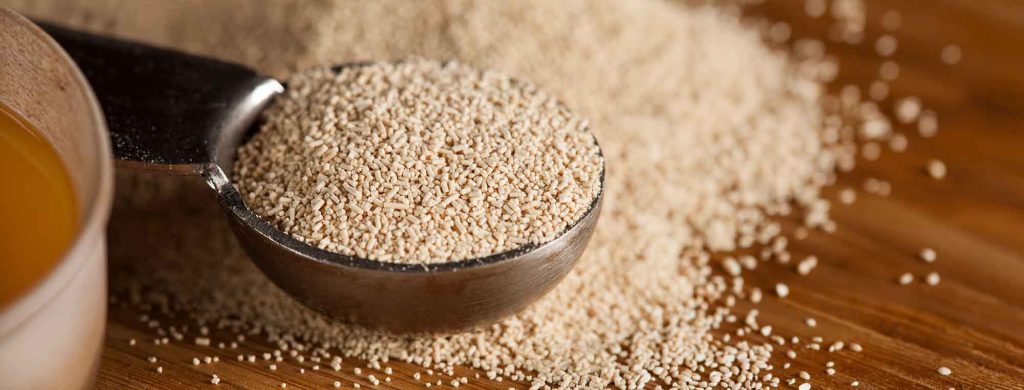
Add the appropriate amount of healthy yeast.
Seal the fermenter. Attach an airlock.
Keep the beer within the yeast manufacturer’s recommended temperature range. Good fermentation is important. A clean fermentation makes the malt and hop character easier to evaluate.
Step 8: Let the Beer Ferment
Allow the yeast to complete fermentation.
Do not use the airlock as the only indication that fermentation is finished. Take gravity readings. The gravity should remain stable before you package the beer.
Give the yeast enough time to clean up fermentation byproducts.
Step 9: Package the Beer
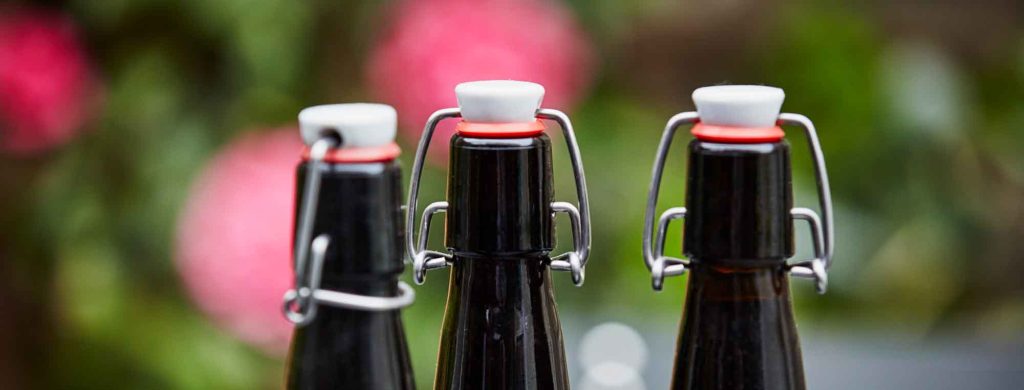
You can bottle or keg the finished beer. If you bottle condition the beer, make sure fermentation is complete before adding priming sugar. Use the correct amount of priming sugar.
Priming Sugar Calculator
If you keg the beer, carbonate it with CO₂.
Avoid adding fermentable sugar to a finished beer unless the process is specifically designed to use that sugar.
Step 10: Taste the Beer
This is one of the most important steps. Taste the beer carefully.
Look for:
- Malt flavor
- Hop bitterness
- Hop flavor
- Hop aroma
- Yeast character
- Alcohol
- Balance
- Aftertaste
Write down what you taste. A brewing journal can help you compare future batches.
Make Another SMaSH Beer
This is where SMaSH brewing becomes especially useful.
Keep the malt the same, but change the hop.
For example:
Batch 1: Two-row + Cascade
Batch 2: Two-row + Citra
Batch 3: Two-row + Mosaic
Now you can compare the hops directly. You can also do the opposite - keep the hop the same, but change the malt.
For example:
Batch 1: Two-row + Cascade
Batch 2: Maris Otter + Cascade
Batch 3: Vienna + Cascade
This shows you how the malt changes the beer.
You Can Also Compare Yeast
You can split one batch into multiple fermenters. Use the same wort in each fermenter, but use a different yeast in each fermenter.
This shows how much yeast can affect the final beer. The malt and hops stay the same but the yeast changes. This is a useful experiment for advanced brewers.
Common SMaSH Brewing Mistakes
Choosing too many ingredients
If you add several malts and several hop varieties, you are no longer making a traditional SMaSH recipe.
Keep the malt and hop selection simple.
Choosing an overly complex hop
Some modern hops contain many different aroma compounds.
That can make the beer harder to analyze.
This is not a problem. It simply makes the experiment less straightforward.
Ignoring yeast character
Yeast can have a major effect on the beer.
Use a clean yeast if you want the malt and hop to be the main focus.
Using too much specialty malt
A SMaSH beer normally uses one malt.
Do not add crystal malt, roasted malt, wheat malt, or other specialty malts if your goal is a strict SMaSH beer.
Changing several things at once
If you want to learn from the experiment, change one variable at a time.
- Change the hop.
- Or change the malt.
- Or change the yeast.
Do not change everything at once.
Does a SMaSH Beer Have to Be All-Grain?
No. SMaSH is most often associated with all-grain brewing.
However, the basic idea can also be used with extract. You could use one type of malt extract and one hop variety.
This does not give you the same control over the mash, but it still lets you study the relationship between one malt source and one hop variety.
Can I Use More Than One Hop Addition?
Yes. SMaSH does not mean one hop addition. It means one hop variety.
You can use the same hop at multiple points during the boil. You can also use the same hop for whirlpool additions or dry hopping. The hop variety remains the same.
Can I Use More Than One Yeast?
Yes, but this is less common.
If you use different yeasts in separate fermenters, you can compare their effects. The malt and hop still meet the SMaSH definition.
However, a simple single-yeast recipe is better for a first batch.
Why SMaSH Brewing Is So Useful
SMaSH brewing teaches you how ingredients behave.
- It removes unnecessary complexity.
- It helps you identify flavors.
- It makes recipe changes easier to understand.
- It can also make recipe development much easier.
You learn what you like before you start adding more ingredients. And that knowledge can make your more complicated recipes better.
The Best First SMaSH Beer
There is no single best combination. However, a simple pale ale is an excellent starting point.
Try:
- American two-row
- Cascade hops
- Clean American ale yeast
- Moderate bitterness
- Moderate original gravity
Keep the beer simple.
- Do not add specialty malt.
- Do not add multiple hop varieties.
- Do not add a large number of adjuncts.
Let the ingredients speak for themselves.
The Bottom Line
A SMaSH beer uses one malt and one hop variety. The yeast, water, and brewing process can vary. The goal is to create a simple beer that makes the character of the malt and hop easy to taste.
SMaSH brewing is more than a recipe style. It is a learning tool.
Make one beer. Taste it. Write down what you notice. Then change one ingredient.
Make another beer. Repeat the process.
You will learn more about your ingredients with each batch!