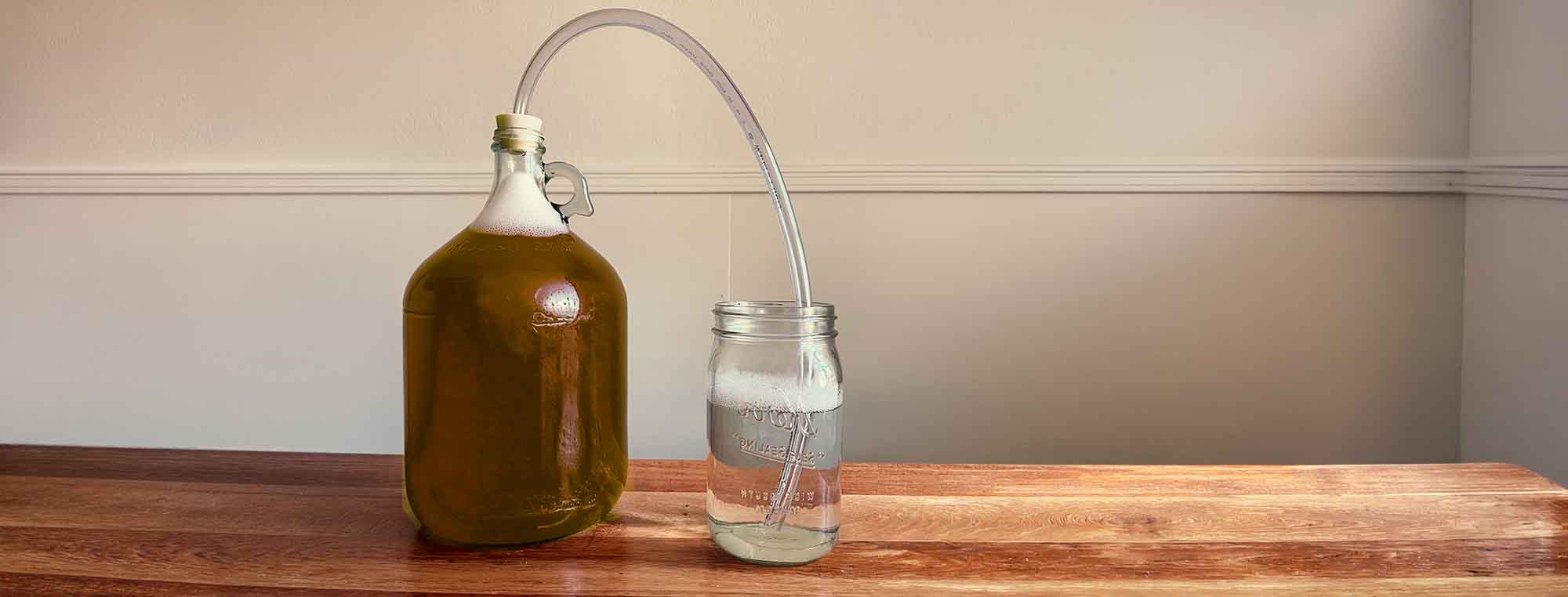
A blow-off tube is a large tube that allows carbon dioxide (CO₂), foam, and excess beer to leave a fermenter during vigorous fermentation.
It performs the same basic function as an airlock. The main difference is the size of the opening.
A standard airlock has a small passage. A blow-off tube has a much larger passage. This makes a blow-off tube useful when fermentation produces a large amount of foam. For a new homebrewer, a blow-off tube is one of the simplest ways to prevent a messy fermentation overflow.
Why Do You Need a Blow-Off Tube?
Yeast produces CO₂ during fermentation. The gas normally leaves through an airlock.
During a vigorous fermentation, the beer can also produce a large amount of foam.
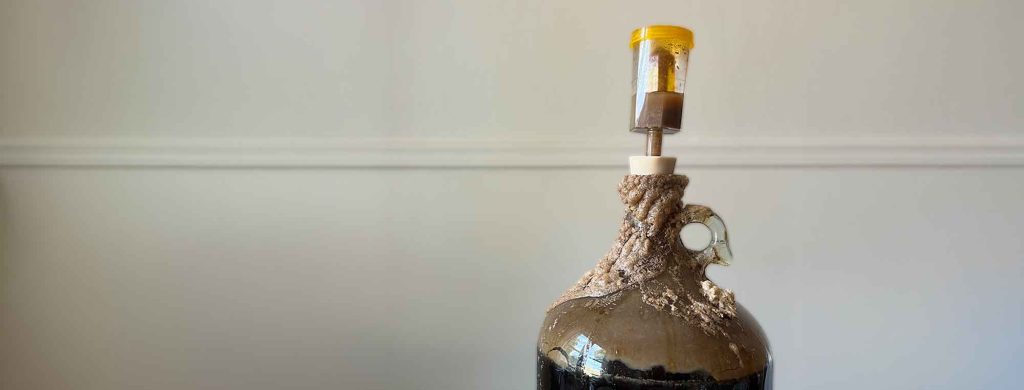
This foam is called krausen. Krausen can rise into the airlock. The airlock can then become blocked.
CO₂ continues to build inside the fermenter. Beer and foam can then escape through the weakest available point. A blow-off tube provides a larger and more direct path out of the fermenter.
What Is Krausen?
Krausen is the foam that forms on top of fermenting beer.
It can contain:
- Yeast
- CO₂
- Proteins
- Hop compounds
- Beer
Krausen can become several inches deep during vigorous fermentation. Some beers produce much more krausen than others. A blow-off tube gives this foam somewhere to go.

What Does a Blow-Off Tube Look Like?
A basic blow-off system consists of:
- A fermenter
- A large food-safe tube
- A connection between the tube and the fermenter
- A container at the other end of the tube
- Sanitizing solution or another suitable liquid
The tube allows gas and foam to leave the fermenter. The receiving container catches the foam. This prevents the foam from covering your fermentation area.
How Is a Blow-Off Tube Different From an Airlock?
The purpose is similar. The physical design is different.
| Airlock | Blow-off tube |
| Small opening | Large opening |
| Usually handles gas only | Can handle gas and foam |
| Compact | Requires more space |
| Easy to clean | Tube requires cleaning |
| Good for normal fermentation | Good for vigorous fermentation |
A standard airlock is sufficient for many fermentations. A blow-off tube is useful when the fermentation is particularly active.
When Should I Use a Blow-Off Tube?
You can use one whenever you expect vigorous fermentation.
It is especially useful for:
- High-gravity beer
- Wheat beer
- Belgian-style beer
- Strong ale
- Fruit beer
- Beers with large yeast pitches
- Fermentations with limited headspace
You can also use a blow-off tube for any batch that has previously overflowed.
Do I Need One for Every Batch?
No. Many beers ferment without producing enough foam to require one. However, a blow-off tube is inexpensive. Keeping one available is a good idea.
For a new homebrewer, it can be useful to have the tubing ready before fermentation begins. If the fermentation becomes very active, you can install it before the airlock becomes blocked.
How Much Headspace Do I Need?
Headspace is the empty space between the beer and the top of the fermenter. You need this space because fermentation creates foam.
For a 5-gallon batch, a fermenter larger than 5 gallons provides useful headspace. A 6.5-gallon fermenter is a common choice for a 5-gallon beer batch. However, some fermentations can still fill this space with krausen.
A blow-off tube provides additional protection.
What Size Tube Should I Use?
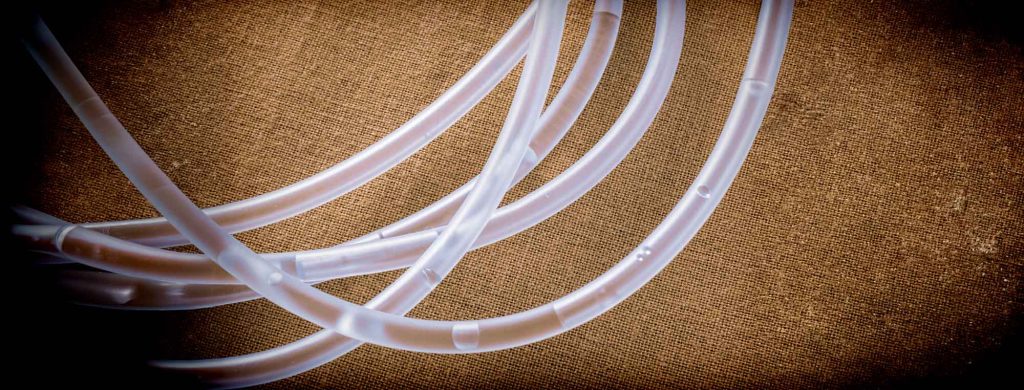
A common homebrew blow-off tube has an inside diameter of approximately: 1/2 inch
The exact size depends on your fermenter. The tube must fit securely. The goal is to provide a much larger gas path than a normal airlock. Do not use tubing that is so small that foam can easily block it.
What Kind of Tubing Should I Use?
Use food-safe tubing that is suitable for brewing.
Common materials include:
- Silicone
- Food-safe vinyl
Silicone tubing is flexible and easy to clean. Vinyl tubing is inexpensive and widely available. Use tubing that is compatible with your fermenter and any fittings.
How Do You Connect a Blow-Off Tube?
There are several possible setups.
The simplest setup uses a fermenter with a large opening or fitting. Connect the tubing securely. Place the other end of the tube into a receiving container. The connection must allow gas to escape. The tube must not be pinched or kinked.
What Goes in the Receiving Container?
The receiving container catches foam and beer.
You can use:
- A large jar
- A growler
- A plastic container
- Another suitable brewing vessel
Put a suitable liquid in the container according to your brewing setup. Many homebrewers use sanitizer. The liquid helps reduce the risk of outside contaminants traveling back through the tube.

How Much Liquid Should Go in the Container?
Use enough liquid to keep the end of the tube below the surface. Do not fill the container too high.
Remember that vigorous fermentation can push a large amount of foam into the container leave plenty of empty space, as a small jar can fill quickly. A larger container is safer.
Can the Blow-Off Tube Get Blocked?
Yes.
A blow-off tube has a much larger opening than an airlock. It is therefore less likely to block. However, a very vigorous fermentation can still push enough krausen into the tube to restrict gas flow. Check the tube during the first few days of fermentation. If foam fills the tube, address the problem.
What If the Tube Is Completely Blocked?
A blocked blow-off tube can create pressure inside the fermenter. Do not ignore it.
Do not try to force a blockage through the tube while standing directly over the connection. Relieve pressure safely. If necessary, disconnect or replace the tubing using a safe procedure for your fermenter. The exact procedure depends on the fermentation vessel.
Never Seal a Normal Fermenter
This is important.
A standard fermenter is not a pressure vessel. Do not install a blow-off tube and then block the other end. The system needs a clear path for gas to escape. Do not use a clamp or valve to close the gas outlet unless the equipment is specifically designed and rated for pressure.
What Is the Difference Between a Blow-Off Tube and Pressure Fermentation?
A blow-off tube allows pressure to escape. Pressure fermentation intentionally contains pressure. These are different processes.
A standard fermenter with a blow-off tube is an open fermentation system with controlled gas release. A pressure-capable fermenter is designed to contain pressure. Never attempt pressure fermentation in ordinary brewing equipment.
Can I Use a Blow-Off Tube Instead of an Airlock?
Yes.
A blow-off tube can remain attached for the entire fermentation. You do not have to switch to an airlock.
Some homebrewers use:
Blow-off tube during active fermentation → airlock after fermentation slows
Other homebrewers use a blow-off tube for the entire fermentation. Both approaches can work.
When Should I Switch to an Airlock?
You can switch after the vigorous fermentation has slowed.
For example:
- Fermentation begins.
- Krausen rises.
- Blow-off tube carries foam into the receiving container.
- Krausen falls.
- Fermentation becomes less vigorous.
- Install a sanitized airlock if desired.
There is no exact number of days. Watch the fermentation.
Can I Start With an Airlock and Add a Blow-Off Tube Later?
Yes. However, do not wait until the airlock is completely blocked.
If you know that the beer is likely to produce a large krausen, install the blow-off tube before fermentation becomes vigorous. This is especially useful for high-gravity and wheat beers.
What Beers Need a Blow-Off Tube?
Some beers are more likely to require one.
Wheat Beers
Wheat beers can produce large krausen.
Examples include:
- Hefeweizen
- Weizenbock
- Witbier
High-Gravity Beers
More fermentable sugar can produce more fermentation activity.
Examples include:
- Imperial stout
- Barleywine
- Belgian strong ale
- Double IPA
Fruit Beers
Fruit adds material and can add fermentable sugar.
The additional fermentation can create significant foam.

What About Mead, Cider, and Wine?
Blow-off systems can also be useful for other fermentations.
- Mead can produce significant foam during vigorous fermentation.
- Fruit wine can produce foam and fruit material.
- Cider can also ferment vigorously.
A blow-off tube can be useful when the fermenter has limited headspace.
What Causes Very Vigorous Fermentation?
Several factors affect fermentation activity.
These include:
- Yeast strain
- Yeast quantity
- Yeast health
- Fermentation temperature
- Original gravity
- Wort composition
- Nutrient availability
- Oxygen availability before fermentation
A vigorous fermentation does not automatically indicate a problem. It often means that the yeast is healthy and active.
Does a Blow-Off Tube Make Fermentation Faster?
No. The blow-off tube does not make yeast ferment faster. It simply provides a larger path for gas and foam to leave the fermenter.
The fermentation rate is determined by the yeast and fermentation conditions.
Does a Blow-Off Tube Prevent Contamination?
It can help reduce some risks. The tube provides a controlled gas outlet. The receiving container can also provide a barrier against outside contaminants.
However, a blow-off tube does not replace sanitation. Everything that touches the beer must still be cleaned and sanitized.
How Do I Sanitize a Blow-Off Tube?
Clean the tube before you sanitize it. This is important because dried krausen can remain inside.
A basic process is:
- Rinse the tube immediately after use.
- Run cleaner through the tube.
- Allow the cleaner to work.
- Rinse if required.
- Drain the tube.
- Sanitize it before the next use.
Make sure sanitizer contacts the entire inside of the tube.

How Do I Clean a Blow-Off Tube?
The easiest time to clean the tube is immediately after fermentation. Run warm water through it. Then use a suitable brewing cleaner.
If possible, run cleaner through the entire length of the tube. Rinse according to the cleaner’s instructions. Allow the tubing to drain and dry. Do not store wet tubing in a sealed container.
What If the Tube Becomes Cloudy?
Tubing can become cloudy with repeated use. Inspect it. If you cannot clean the inside properly, replace it.
Tubing is inexpensive. Do not spend hours trying to rescue tubing that has become permanently contaminated.
Can I Reuse Blow-Off Tubing?
Yes. Clean and sanitize it immediately after every use.
Replace it if it becomes:
- Cracked
- Brittle
- Permanently stained
- Cloudy
- Difficult to clean
- Damaged
Do not use damaged tubing.
Common Blow-Off Tube Mistakes
Using a Tube That Is Too Small
A small tube defeats the purpose of the blow-off system.
Use tubing with an appropriate diameter.
Not Cleaning the Tube
Dried krausen can become a contamination source.
Clean it immediately after fermentation.
Using Too Small a Receiving Container
A vigorous fermentation can produce a surprising amount of foam.
Use a large container.
Submerging the Tube Too Deeply
Too much liquid depth creates additional resistance to gas flow.
Use an appropriate liquid depth.
Kinking the Tube
A kink can restrict gas flow.
Keep the tube open and unobstructed.
Blocking the Tube
Never clamp the tube shut on a normal fermenter.
The gas needs somewhere to go.

What If My Fermenter Overflows?
If beer is coming through the blow-off tube:
- Check the tube.
- Make sure it is not blocked.
- Make sure the receiving container has enough capacity.
- Replace the receiving container if necessary.
- Clean and sanitize any equipment that needs to be opened.
Do not allow contaminated liquid to flow backward into the fermenter.
How Long Should a Blow-Off Tube Stay Installed?
There is no fixed time.
You can use it until fermentation is complete. Or you can also switch to an airlock after vigorous fermentation ends. The decision is based on the amount of foam and gas being produced. If the beer is still producing large amounts of krausen, keep the blow-off tube.
A Simple 5-Gallon Blow-Off Setup
For a typical 5-gallon batch, a useful setup includes:
- 6.5-gallon fermenter
- Fermenter lid with appropriate opening
- 1/2-inch food-safe tubing
- Large receiving container
- Brewing sanitizer
- Brewing cleaner
Before fermentation:
- Clean the equipment.
- Sanitize the equipment.
- Connect the tubing.
- Put the other end into the receiving container.
- Add the appropriate liquid to the container.
- Start fermentation.
Check the system during the first few days.
When Should I Use a Blow-Off Tube?
A blow-off tube is a good choice when:
- You have limited headspace.
- You are brewing a high-gravity beer.
- You are brewing a wheat beer.
- You are fermenting with an aggressive yeast strain.
- You are adding fruit.
- A previous batch overflowed.
- You simply want additional protection from krausen overflow.
There is little disadvantage to using one. The main additional work is cleaning the tubing.

Blow-Off Tube vs. Airlock: Which Should a Beginner Buy?
If you can only buy one, buy an airlock.
An airlock is suitable for most fermentations. However, adding a length of suitable blow-off tubing to your equipment kit is inexpensive.
You can then use either system. For a beginner, a good setup is:
- Airlock for normal fermentation.
- Blow-off tube for vigorous fermentation.
The Bottom Line
A blow-off tube is a simple piece of brewing equipment. It gives CO₂ and fermentation foam a large path out of the fermenter. It is especially useful when a normal airlock is likely to become blocked.
The basic system is simple:
Fermenter → large food-safe tube → receiving container.
Use a clean and sanitized tube. Keep the gas path open. Give the receiving container enough room for foam. Check the system during vigorous fermentation. And never seal the gas outlet on a normal fermenter.
A blow-off tube does not make fermentation better. It makes vigorous fermentation easier to manage. For the cost of a few dollars of tubing, it can prevent a large mess and reduce the risk of a blocked airlock.