Water is the largest ingredient in beer.
A beer can contain more than 90 percent water. The minerals in that water can affect mash chemistry, yeast health, hop bitterness, flavor, and mouthfeel.
The good news is that you do not need complicated water treatment for every beer. The best approach is to start with a known water source. Then make only the changes that the beer needs.
What You Need to Know About Brewing Water
Brewing water contains minerals and other dissolved substances.
The most important measurements are:
You do not need to memorize these values. You simply need to know what is in your water.
A water report is more useful than the name of the water source.
- “Spring water” does not automatically mean good brewing water.
- “Filtered water” does not automatically mean good brewing water.
- “Reverse osmosis water” is close to a blank starting point, but it still needs minerals for most beer styles.
Why Water Chemistry Matters
Calcium
Calcium supports several parts of the brewing process.
It can:
- Help lower mash pH
- Help yeast flocculation
- Improve beer clarity
- Support proper enzyme activity
A moderate calcium level is useful for most beers.
Magnesium
Yeast needs a small amount of magnesium.
Most brewing water already contains enough.
Too much magnesium can produce a harsh or bitter flavor. Do not add magnesium unless your water profile requires it.
Sodium
Sodium can improve flavor at low concentrations.
Too much sodium can taste salty or harsh. Avoid large sodium additions.
Chloride
Chloride can increase the perception of:
- Fullness
- Softness
- Malt flavor
Chloride is often useful in beers where malt character is important.

Sulfate
Sulfate can increase the perception of:
- Hop bitterness
- Hop dryness
- Crispness
High sulfate levels can make some beers taste sharp.
Bicarbonate and Alkalinity
Alkalinity is especially important because it affects mash pH. High alkalinity can make it difficult to lower mash pH.
This can be a problem when brewing pale beers.
Dark malts can help lower mash pH.
You can also reduce alkalinity with reverse osmosis water or acid.
The Three Main Water Sources
For most homebrewers, the practical choices are:
- Tap water
- Purchased spring or drinking water
- Reverse osmosis water
Each source can make good beer.
The important part is knowing what you are starting with.
Tap Water
Tap water is often the easiest water to use.
It is already available. It does not require storage. It is inexpensive. And it can also contain minerals that are useful for brewing.
The problem is that municipal water chemistry varies. Two cities can have very different water. The same city can also have seasonal changes.
Get Your Water Report
Check the water report for your municipal water supply.
Look for:
- Calcium
- Magnesium
- Sodium
- Chloride
- Sulfate
- Bicarbonate or alkalinity
- pH
- Total dissolved solids
A water report that gives alkalinity is especially useful. If your water utility does not provide enough information, you can send a water sample to a brewing water laboratory. A laboratory analysis gives you a better starting point than guessing. Some hardware stores will provide a water report for free if you’re willing to sit through a sales pitch on water treatment systems!
Chlorine and Chloramine
Municipal water can contain chlorine or chloramine. These compounds help make drinking water safe, but they can also create medicinal or plastic-like flavors in beer.
Do not assume that boiling will always solve the problem.
Chloramine is more difficult to remove by boiling. A simple solution is to treat brewing water with potassium metabisulfite, sold as campden tablets. A small amount can neutralize chlorine and chloramine. Follow the product instructions.
Do Not Use a Water Softener
A household water softener replaces calcium and magnesium with sodium or potassium. This can make the water less useful for brewing, as softened water can contain too much sodium or potassium for some brewing applications.
Use water from before the softener when possible. If you have a whole-house softener, check the plumbing carefully before you collect brewing water.
Spring Water and Bottled Water
Bottled spring water can be an easy choice.
It is convenient and it usually has a published mineral analysis. Look at the label. You want to know the mineral content. Do not choose water only because the label says “spring.”
Some spring waters contain high alkalinity. That can make pale beer difficult to manage.
Other spring waters can be very low in minerals. That can make them useful as a starting point.
Distilled Water
Distilled water is another low-mineral option.
It contains very few dissolved minerals. It is similar to reverse osmosis water for brewing purposes. Do not use distilled water as the only water source for most beers. Yeast and the mash need minerals.
You can rebuild distilled water with brewing salts.
Reverse Osmosis Water
Reverse osmosis, or RO, removes most dissolved minerals from water.
It gives you a very low-mineral starting point. This is useful because you can add exactly the minerals that your recipe needs.
RO water is especially useful if your tap water has:
- High alkalinity
- High sulfate
- High sodium
- High chloride
- Unwanted mineral concentrations
RO water gives you more control.
RO Water Is Not Complete Brewing Water
RO water is a starting point. Do not treat it as finished brewing water. After you make RO water, add the minerals that the beer needs.
Common brewing salts include:
- Calcium chloride
- Gypsum
- Epsom salt
- Baking soda
- Chalk
- Calcium sulfate
- Magnesium sulfate
You do not need all of these products. For many beers, calcium chloride and gypsum are enough to build a useful water profile.
Calcium Chloride
Calcium chloride adds:
- Calcium
- Chloride
It is useful when you want more chloride without adding sulfate. It can support a rounder, fuller perception of the beer.
Gypsum
Gypsum is calcium sulfate.
It adds:
- Calcium
- Sulfate
It is useful when you want more sulfate. It is common in hop-forward beers.
Epsom Salt
Epsom salt is magnesium sulfate.
It adds:
- Magnesium
- Sulfate
Most beers do not need much additional magnesium. Use it only when your water profile requires it.
Baking Soda
Baking soda adds:
- Sodium
- Bicarbonate
Bicarbonate increases alkalinity. This can help when brewing dark beers with very low-alkalinity water.
Do not add baking soda automatically. Too much alkalinity can make pale beer difficult to brew.
Chalk
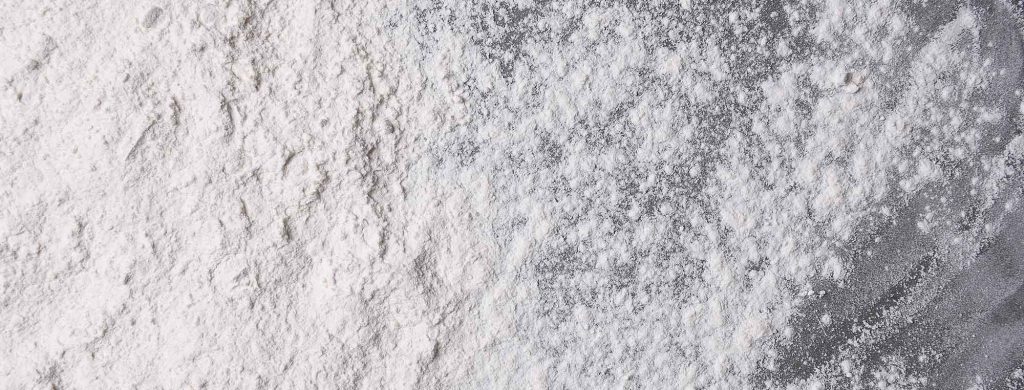
Chalk is calcium carbonate.
It can increase alkalinity. However, chalk does not dissolve well in normal brewing water. For this reason, it is usually not the easiest way to increase alkalinity. Baking soda or pickling lime can be easier to use when an alkalinity increase is required.
Pickling Lime
Pickling lime is calcium hydroxide.
It adds calcium and alkalinity. It is a strong base, so use it carefully. A very small amount can produce a large change in alkalinity. Follow a reliable brewing water calculator when using it.
RO Systems for Home Use
An RO system can make brewing water easier if you brew often.
A basic home RO system usually includes:
- Sediment filter
- Carbon filter
- RO membrane
- Storage tank or collection container
- Faucet or dispensing valve
Some systems include additional filters. The sediment filter removes particles. The carbon filter protects the RO membrane and can remove chlorine. The RO membrane removes most dissolved minerals.
What Size RO System Do You Need?
RO systems are often rated by gallons per day.
A small system can produce enough water for home brewing. However, the advertised production rate is usually measured under specific water pressure and temperature conditions. Actual production can be slower.
If you need 10 gallons of brewing water, do not assume that a 50-gallon-per-day system will produce 10 gallons in a short period. Plan ahead and collect RO water before brew day.
RO Waste Water
RO systems produce wastewater. The exact amount depends on the system. Some systems produce several gallons of wastewater for each gallon of purified water.
Do not automatically send the wastewater down the drain.
You can often use it for:
- Cleaning
- Mopping
- Watering suitable plants
- Flushing toilets
- Other household tasks
Do not use it as brewing water unless you have tested it and understand its chemistry.
RO Water Storage
Store RO water in clean, food-safe containers. Keep the containers covered. Do not store water in containers that previously held chemicals. Clean the containers before you use them.
If you make RO water regularly, label each container.
Equipment for Water Treatment
You do not need all of this equipment. Your needs depend on your water source.
Useful equipment includes:
- Water testing kit
- Water report
- Brewing water calculator
- Digital scale
- Accurate measuring spoons
- Food-safe water containers
- Carbon water filter
- RO system
- RO storage container
- pH meter
- pH test strips
- Potassium metabisulfite
A laboratory water analysis is useful if you want precise control.
A Digital Scale
Use a scale that can measure small amounts. Some brewing salts are used in gram quantities. A scale with 0.1-gram resolution is useful. A more precise scale with 0.01-gram resolution can be useful for very small additions.
Do not depend on volume measurements for every brewing salt. Different salts have different densities. Weighing the salt is more repeatable.
Brewing Water Additives
The most common brewing water additives are:
- Calcium chloride
- Gypsum
- Epsom salt
- Baking soda
- Pickling lime
- Lactic acid
- Phosphoric acid
- Potassium metabisulfite
You do not need all of them.
Lactic Acid
Lactic acid lowers alkalinity and mash pH. It is useful when your brewing water has too much alkalinity. It can also be used to adjust sparge water.
Use a brewing water calculator to determine the required amount. Large additions can produce a noticeable sour flavor.
Phosphoric Acid
Phosphoric acid also lowers alkalinity and mash pH. It has a relatively neutral flavor at normal brewing doses.
It is commonly used for water adjustment. Use the concentration and dose specified by the product.
Potassium Metabisulfite
Potassium metabisulfite can neutralize chlorine and chloramine.
You may see this product sold as brewing campden tablets. Follow the product instructions. Use only the amount required for your water.
Prepare Your Water Before Brew Day
The simplest water preparation process is:
- Identify your water source.
- Obtain a water report or test the water.
- Check the alkalinity.
- Check the calcium level.
- Check the sulfate level.
- Check the chloride level.
- Check the sodium level.
- Remove chlorine or chloramine.
- Choose a target water profile.
- Calculate the required mineral additions.
- Measure the salts.
- Add the salts to the brewing water.
- Adjust alkalinity if required.
- Measure the mash pH during brewing.
- Make a small correction if necessary.
Do not try to hit a water profile perfectly on your first batch. A small difference in mineral concentration is usually less important than good fermentation and good brewing practices.
Mash pH
Water chemistry becomes especially important when you mash grain. The mash needs an appropriate pH for good enzyme activity.
For many beers, a mash pH around 5.2–5.6 when measured at room temperature is a useful target range. The exact target depends on the beer and the measurement method. Do not use the pH of your source water as the mash pH.
The grain changes the pH. Dark malt also changes the pH. Measure the mash if you want accurate control.

Use a pH Meter
A brewing pH meter can give you more precise measurements.
Choose a meter designed for food or brewing applications. Calibrate it according to the manufacturer’s instructions. Store the electrode correctly. Do not leave the electrode dry.
If you do not want to maintain a pH meter, high-quality pH strips can provide a rough measurement. A meter is more useful for repeatable brewing.
Sparge Water
If you brew all-grain beer, you also need to consider your sparge water.
Sparge water should not have excessive alkalinity. High-alkalinity sparge water can increase wort pH. High wort pH during sparging can increase extraction of tannins and other unwanted compounds.
RO or distilled water is a simple starting point for sparge water. You can also treat your normal brewing water. Keep the sparge water chemistry consistent with the rest of your brewing process.
Water Profiles for Different Beer Styles
You do not need to copy the historical water from a famous brewing city. Instead, use water chemistry to support the beer you want to make.
As a general approach:
Pale and Hop-Forward Beers
These beers often benefit from:
- Low to moderate alkalinity
- Moderate calcium
- Moderate chloride
- Moderate to high sulfate
The exact balance depends on the beer.
Malt-Forward Beers
These beers often work well with:
- Moderate calcium
- Moderate chloride
- Moderate sulfate
- Low to moderate alkalinity
A somewhat higher chloride-to-sulfate ratio can emphasize fullness.
Dark Beers
Dark malt can lower mash pH.
Some dark beers can benefit from:
- Higher alkalinity than pale beers
- Moderate calcium
- Moderate chloride
- Moderate sulfate
Do not add alkalinity only because the beer is dark. Measure the mash pH when possible.

The Simplest Approach
There are three easy ways to manage brewing water.
Method 1: Use Your Tap Water
Use tap water if:
- It tastes good
- You know the mineral content
- Alkalinity is reasonable
- Chlorine or chloramine is treated
This is the least expensive method.
Method 2: Use Purchased Water
Use bottled spring or drinking water if:
- The mineral profile is known
- The water tastes good
- The alkalinity works for the beer
This is convenient for small batches.
Method 3: Use RO Water
Use RO water if:
- Your tap water is difficult to work with
- You want repeatable results
- You brew many different beer styles
- You want complete control over the mineral profile
Build the RO water with brewing salts.
This is often the most flexible method.
A Simple RO Starting Point
For a first RO-water batch, you can keep the process simple. Start with the amount of RO water required for the batch. Add calcium chloride and gypsum according to a brewing water calculator.
Check the calculated:
- Calcium
- Chloride
- Sulfate
- Sodium
- Magnesium
- Alkalinity
Adjust the water for the beer style.
Then brew.
Do not add every available brewing salt. More minerals do not automatically make better beer.
The Most Important Rule
Do not choose water based only on its label.
Test the water or obtain a reliable analysis. A good brewing water source is water that you understand.
Tap water can be excellent. Spring water can be excellent. RO water can be excellent.
The best choice is the one that gives you a predictable starting point and allows you to make appropriate adjustments.
For many new brewers, the simplest process is:
Know your water → remove chlorine/chloramine → adjust minerals when needed → check mash pH → brew.
You do not need to become a water chemist to make good beer. You only need to understand your starting water and make the few changes that your recipe requires.