Choosing the correct fermentation bucket is simple.
The main rule is:
Choose a fermentation bucket that is larger than the amount of beer you plan to ferment.
Fermentation creates foam, called krausen. Krausen can rise several inches above the beer. If your bucket is too full, krausen can enter the airlock or escape through the lid.
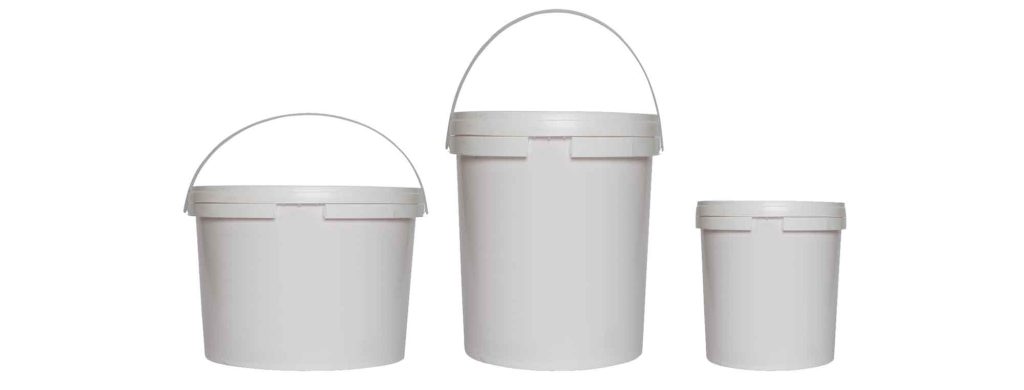
For most beginners, a 6.5-gallon fermentation bucket is the best choice for a 5-gallon batch of beer.
If you make smaller batches, you can use a smaller bucket.
Quick Fermentation Bucket Size Guide
| Batch Size | Recommended Bucket Size |
| 1 gallon | 2-gallon bucket |
| 2 gallons | 3-gallon bucket |
| 3 gallons | 5-gallon bucket |
| 5 gallons | 6.5-gallon bucket |
| 10 gallons | 12–14 gallon bucket |
These are practical recommendations, not strict rules. The amount of headspace you need depends on the recipe and fermentation activity.
A beer with a very active fermentation can need more space than a beer with a calm fermentation.
Why Does a Fermentation Bucket Need Extra Space?
Yeast does more than produce alcohol.
During active fermentation, yeast also produces carbon dioxide. The carbon dioxide can cause the beer to develop a thick layer of foam. This foam is called krausen.
For example, imagine putting 5 gallons of actively fermenting beer into a 5-gallon bucket. There is no room for the krausen. The foam can rise into the airlock.
It can clog the airlock. It can also force beer out of the fermenter.
This is why a 5-gallon batch normally goes into a larger fermenter.
How Much Headspace Do I Need?
There is no single headspace measurement that works for every beer.
A useful rule for beginners is to allow about 20–30% of the fermenter volume for headspace during active fermentation.
For a 5-gallon batch, a 6.5-gallon bucket provides about 1.5 gallons of nominal headspace. That is usually enough for many standard beers and other fermentations, like wine, mead, and cider.
Some beers or brews with fruit solids produce much more krausen. These fermentations may need additional headspace or a blow-off tube.
What Size Bucket Do I Need for 1 Gallon of Beer?
For a 1-gallon batch, a 2-gallon fermenter is a good choice. You can also use a larger vessel.
However, a 2-gallon bucket provides useful headspace without being unnecessarily large.
This size is useful for:
- Small beer batches
- Mead
- Cider
- Fruit wine
- Experimental recipes
What Size Bucket Do I Need for 2 Gallons?
A 3-gallon fermenter is a good choice for a 2-gallon batch. This gives you enough room for fermentation activity.
A 5-gallon bucket will also work. However, the larger bucket provides more headspace than you normally need.
What Size Bucket Do I Need for 3 Gallons?
A 5-gallon fermentation bucket works well for a 3-gallon batch.
You will have plenty of room for krausen. This is also a useful size if you want to make small batches but do not want to buy several different fermenters.
What Size Bucket Do I Need for 5 Gallons?
For a normal 5-gallon batch, use a: 6.5-gallon fermentation bucket.
This is one of the most common sizes for homebrewing.
It gives the beer room to develop krausen without requiring an unnecessarily large vessel.

Why Not Use a 5-Gallon Bucket for 5 Gallons of Beer?
Because the bucket would be too full.
A “5-gallon batch” does not mean that you should fill the fermenter to exactly 5 gallons. Your wort or beer needs room to ferment. If you put 5 gallons of beer into a 5-gallon bucket, there is essentially no headspace.
That can result in:
- Krausen entering the airlock
- Clogged airlocks
- Beer leaking from the fermenter
- Messy fermentation
- Increased risk of contamination when cleaning up the mess
A larger fermenter is a much better choice.
What Size Bucket Do I Need for 5 Gallons of Beer After Fermentation?
This is an important distinction. You may start with more than 5 gallons of wort.
You may lose some volume to:
- Trub
- Yeast
- Hops
- Transfers
- Sampling
- Bottling losses
A common approach is to ferment approximately 5 to 5.5 gallons in a 6.5-gallon bucket and package approximately 5 gallons.
The exact amount depends on your recipe and equipment.
Can I Use a 7.5-Gallon Bucket for a 5-Gallon Batch?
Yes. A 7.5-gallon bucket gives you more headspace.
It can be useful for beers that produce large amounts of krausen. However, more headspace is not always better.
Once fermentation is finished, excessive headspace can expose beer to more oxygen. This is one reason a 6.5-gallon bucket is a useful general-purpose primary fermenter for 5-gallon batches.
Can I Use a 10-Gallon Bucket for a 5-Gallon Batch?
Yes.
There is no problem with fermenting a 5-gallon batch in a 10-gallon food-grade vessel if the vessel is designed for fermentation. However, it provides much more headspace than most 5-gallon batches need.
For active primary fermentation, this is usually not a problem. For long-term storage, excessive headspace can become more important. A smaller vessel that fits the batch better is usually more practical.

Is More Headspace Always Better?
No. This is an important point.
During active fermentation, yeast produces a lot of carbon dioxide. That carbon dioxide fills the headspace and escapes through the airlock. After fermentation ends, the situation changes. The beer is no longer producing large amounts of carbon dioxide.
A large volume of empty space can contain oxygen. Oxygen can cause beer to lose freshness.
Therefore:
More headspace is useful during active fermentation.
Too much headspace can be undesirable after fermentation.
What Is Krausen?
Krausen is the foam that forms on top of fermenting beer.
It contains:
- Yeast
- Proteins
- Hop compounds
- Carbon dioxide
- Beer
Krausen can become surprisingly large. Some fermentations produce only a small amount. Other fermentations can fill much of the available headspace.
Which Beers Need More Headspace?
Some beers are more likely to produce vigorous fermentation.
These include:
- Wheat beers
- Hefeweizens
- High-gravity beers
- Some Belgian ales
- Certain yeast strains
- Beers fermented at warm temperatures
Recipes with large amounts of wheat or other foam-positive ingredients can produce particularly large krausen.
What If My Fermentation Bucket Is Too Full?
You have several options.
Use a Blow-Off Tube
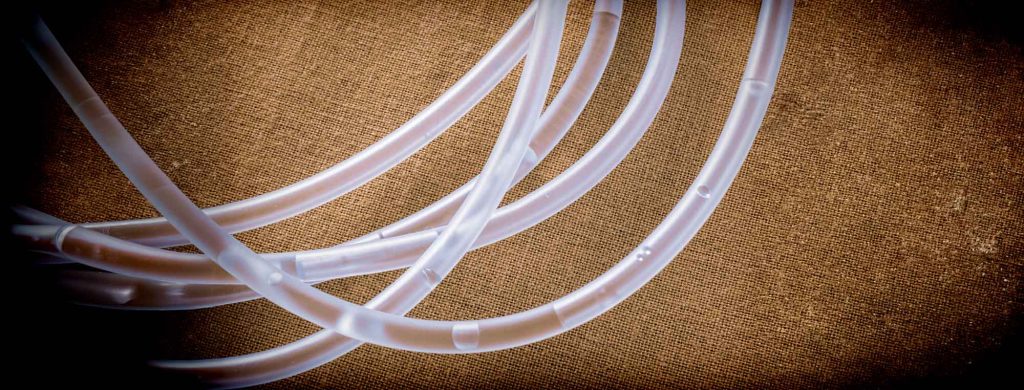
A blow-off tube gives foam and gas a larger path out of the fermenter. Instead of using a small airlock, connect larger tubing to the fermenter. Place the other end into a container containing an appropriate sanitizer solution. This is often the easiest solution.
Use a Larger Fermenter
If you frequently make high-krausen beers, use a larger bucket.
Reduce the Batch Size
You can also ferment a smaller amount.
For example, instead of filling a 6.5-gallon bucket with 6 gallons of wort, you could ferment a smaller batch.
Can I Use a Blow-Off Tube Instead of Extra Headspace?
A blow-off tube helps. It does not completely replace headspace.
If the fermenter is nearly full, a very vigorous fermentation can push large amounts of beer through the tube. A little extra space is still useful.
Do I Need a Blow-Off Tube With a 6.5-Gallon Bucket?
Not necessarily. For many normal 5-gallon beers, an airlock is enough.
However, a blow-off tube is inexpensive equipment to keep available. You can install it from the beginning if you expect vigorous fermentation.
Does the Bucket Need to Be 6.5 Gallons Exactly?
No. The number is not magic.
The important factors are:
- Batch volume
- Krausen production
- Fermentation activity
- Available headspace
- Fermenter design
A 6-gallon, 6.5-gallon, or 7-gallon fermenter can all work for a 5-gallon batch if enough headspace remains.
What Size Fermenter Do I Need for Mead?
The answer depends on batch size and fermentation activity.
For a 1-gallon mead:
2-gallon fermenter
For a 3-gallon mead:
5-gallon fermenter
For a 5-gallon mead:
6.5-gallon fermenter
However, mead often produces less krausen than some beers. You still need enough space for fermentation.
What Size Fermenter Do I Need for Cider?
For a 5-gallon cider batch:
6.5-gallon fermenter
Cider usually does not create as much krausen as some beers. However, active cider fermentation can still produce foam. A 6.5-gallon bucket provides useful space.
What Size Fermenter Do I Need for Wine?
For a 5-gallon fruit wine:
6.5-gallon bucket for primary fermentation
Fruit wine can produce significant foam and floating fruit material. A wide bucket is particularly useful during primary fermentation. After the fruit is removed and fermentation becomes less active, many winemakers transfer the wine to a smaller vessel.

What Size Fermenter Do I Need for Kombucha?
Kombucha is different from beer, wine, cider, and mead.
You normally want a vessel with a wide opening because the SCOBY needs access to the air.
Do not automatically use a sealed fermentation bucket with an airlock for kombucha. Choose a vessel designed for the specific fermentation method.
Can I Ferment a 1-Gallon Batch in a 5-Gallon Bucket?
Yes. You can ferment a small batch in a larger food-grade fermenter. However, you will have a lot of headspace.
For short primary fermentation, this is usually not a major problem because active fermentation produces carbon dioxide. For longer storage, the extra headspace becomes less desirable. A smaller fermenter is usually better.
Can I Ferment a 5-Gallon Batch in a 10-Gallon Bucket?
Yes. This can be useful for very active fermentations.
However, it is larger than necessary for most 5-gallon batches. If you already own a 10-gallon bucket, there is no need to buy a 6.5-gallon bucket immediately.
If you are buying your first fermenter, the 6.5-gallon size is more practical.
Does Fermenter Shape Matter?
Yes, but less than beginners often think.
A wide bucket has several advantages:
- Easy to clean
- Easy to sanitize
- Easy to add ingredients
- Easy to remove fruit or hops
- Easy to inspect
A narrow carboy has less surface area exposed to the headspace and can be useful for aging.
For primary fermentation, convenience is often more important.
Should I Use a Bucket or Carboy?
For a beginner, a bucket is usually easier.
A 6.5-gallon bucket is:
- Lightweight
- Inexpensive
- Easy to clean
- Easy to sanitize
- Easy to fill
- Easy to empty
A carboy is useful when you want:
- Visibility
- Less headspace
- Long-term aging
- A smaller secondary vessel
You do not need a carboy for your first batch.
What Size Carboy Should I Use?
Carboy sizing follows the same basic principle.
For a 5-gallon batch:
- 6.5-gallon carboy → primary fermentation
- 5-gallon carboy → better fit for post-fermentation storage
The smaller vessel is useful after active fermentation because you want less empty space. Do not fill a carboy completely to the neck during vigorous primary fermentation. Krausen needs somewhere to go.
Why Do Secondary Fermenters Need Less Headspace?
Once fermentation has finished, the beer produces much less carbon dioxide.
A large headspace can contain oxygen. Oxygen can damage beer over time. For secondary fermentation or long-term aging, it is usually better to use a vessel that closely matches the amount of beer.
For example:
5 gallons of beer → approximately 5-gallon secondary vessel
…rather than leaving several gallons of empty space.
Do I Need a Different Bucket for Secondary?
Usually, no.
For most beer recipes, you do not need a secondary fermentation vessel.
Leave the beer in primary until it is ready for packaging.
If you do need a secondary vessel, a carboy or appropriately sized vessel can be useful.
What Size Fermenter Should I Buy if I Only Want One?
If you want one fermenter that can handle most beginner 5-gallon recipes:
Buy a 6.5-gallon fermentation bucket.
It is the most useful general-purpose size.
You can make:
- Ale
- Lager
- IPA
- Stout
- Porter
- Wheat beer
- Cider
- Mead
- Fruit wine
You can also use it for primary fermentation before transferring to a smaller vessel when needed.
What Equipment Do I Need With a Fermentation Bucket?
A basic setup includes:
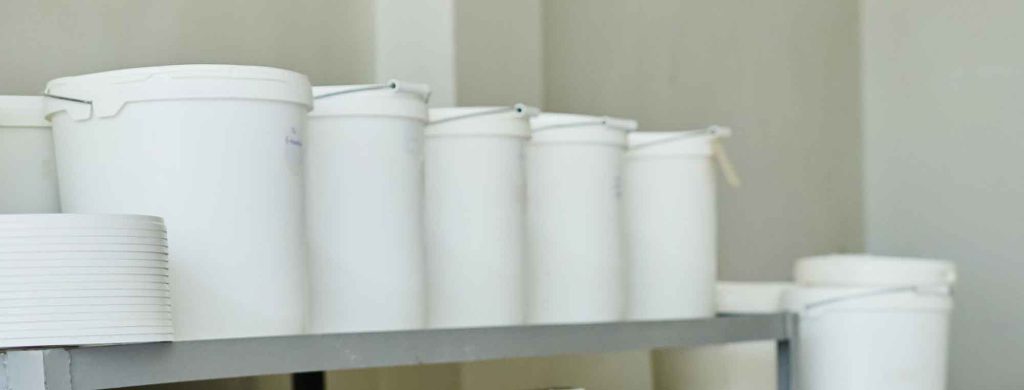
- 6.5-gallon food-grade fermentation bucket
- Matching lid
- Rubber grommet
- Airlock
- Blow-off tube
- Brewing sanitizer
- Brewing cleaner
- Hydrometer
- Thermometer
- Auto-siphon
- Food-safe tubing
A spigot is optional.
How Do I Prepare a New Fermentation Bucket?
Before using a new bucket:
- Wash it with an appropriate brewing cleaner.
- Rinse it thoroughly.
- Inspect it for damage.
- Sanitize it.
- Sanitize the lid.
- Sanitize the airlock.
- Add your wort or must.
Do not assume that a new bucket is ready for fermentation immediately after opening the package.
How Full Should I Fill My Fermentation Bucket?
Do not use the bucket’s maximum capacity as your fill level.
Instead, calculate the batch volume and leave enough space for fermentation. For a 6.5-gallon bucket, a typical 5-gallon batch leaves about 1.5 gallons of nominal headspace. That is a good starting point for many homebrewed drinks.
Can I Mark Volume Lines on My Bucket?
Yes.
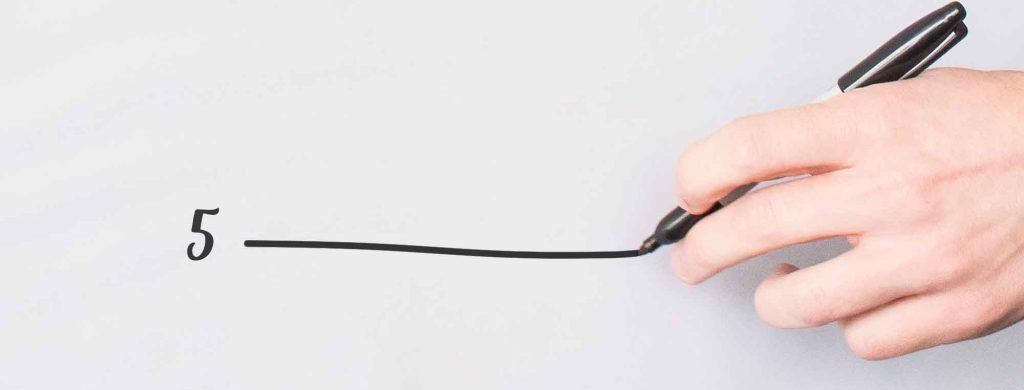
Volume markings can be useful. However, homemade markings are not always accurate. If accurate volume matters, measure the bucket using a known volume of water.
For example:
- Add 1 gallon of water.
- Mark the level.
- Add another gallon.
- Mark the level.
- Continue until you reach the desired volume.
Use a permanent marker or another method suitable for the outside of the bucket.
What About Fermenter Kits?
A fermentation kit can be a good choice for beginners.
A basic kit may include:
- Fermentation bucket
- Lid
- Airlock
- Grommet
- Spigot
- Thermometer
- Hydrometer
Check the contents before buying. You do not want to buy equipment twice.
Common Fermentation Bucket Mistakes
Choosing a Bucket the Same Size as the Batch
A 5-gallon batch does not belong in a 5-gallon bucket.
Leave headspace.
Filling the Bucket Too High
Watch the volume.
Do not fill to the rim.
Assuming Every Beer Needs the Same Headspace
A wheat beer may produce much more krausen than a low-gravity ale.
Ignoring Fermentation Temperature
Headspace does not compensate for poor temperature control.
Using a Bucket With Deep Scratches
Replace heavily scratched plastic.
Leaving Large Headspace After Fermentation
Large amounts of empty space can increase oxygen exposure.
Using Secondary Fermentation Without a Reason
Every transfer creates another opportunity for oxygen exposure and contamination.
Keep the process simple.

Fermentation Bucket Size Checklist
Before buying:
- Know your normal batch size.
- Leave room for krausen.
- Choose food-grade material.
- Choose a bucket with a compatible lid.
- Buy an airlock.
- Consider a blow-off tube.
- Make sure the bucket is easy to clean.
For a typical 5-gallon batch:
- 6.5-gallon bucket
- Airlock
- Lid
- Grommet
- Sanitizer
- Cleaner
- Blow-off tube
The Bottom Line
For most beginner homebrewers, a 6.5-gallon fermentation bucket is the right size for a 5-gallon batch.
The extra space allows room for krausen and active fermentation.
You can use the same basic rule for other batch sizes:
- 1 gallon → 2-gallon fermenter
- 2 gallons → 3-gallon fermenter
- 3 gallons → 5-gallon fermenter
- 5 gallons → 6.5-gallon fermenter
If you regularly brew beers that produce a lot of foam, consider a larger fermenter or use a blow-off tube.
The goal is not to fill the fermenter as much as possible. Rather, the goal is to give the yeast enough room to ferment without making a mess.
When in doubt, give fermentation some breathing room. A little extra headspace during primary fermentation is much better than a bucket overflowing onto the floor.