Yes, you can open your fermenter during fermentation. However, you should not open it without a reason.
Every time you open a fermenter, you give oxygen, dust, and microorganisms a chance to enter.
The risk is usually small when fermentation is active. The risk becomes more important as fermentation slows and during long-term aging.
The goal is not to keep your fermenter completely closed at all times. The goal is to open it only when necessary and use clean, sanitized equipment when you do.
Why Would I Open My Fermenter?
There are many good reasons to open a fermenter.
You may need to:
- Take a hydrometer sample.
- Add yeast nutrient.
- Add fruit.
- Add hops.
- Check the fermentation.
- Remove a clogged airlock.
- Install a blowoff tube.
- Transfer the beverage.
- Make an adjustment to the recipe.
Some brewing processes also require regular additions during fermentation. Opening the fermenter for a specific task is normal. You do not need to be afraid of opening it.
Is It Safe to Open During Active Fermentation?
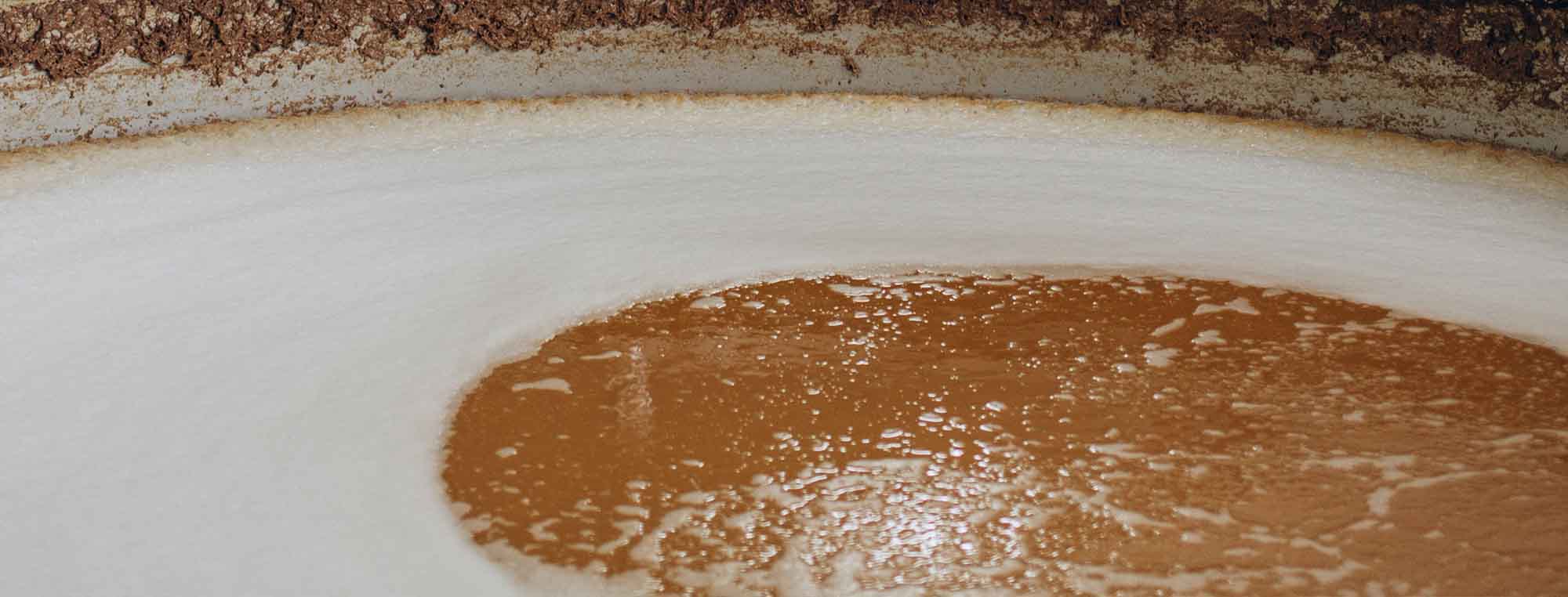
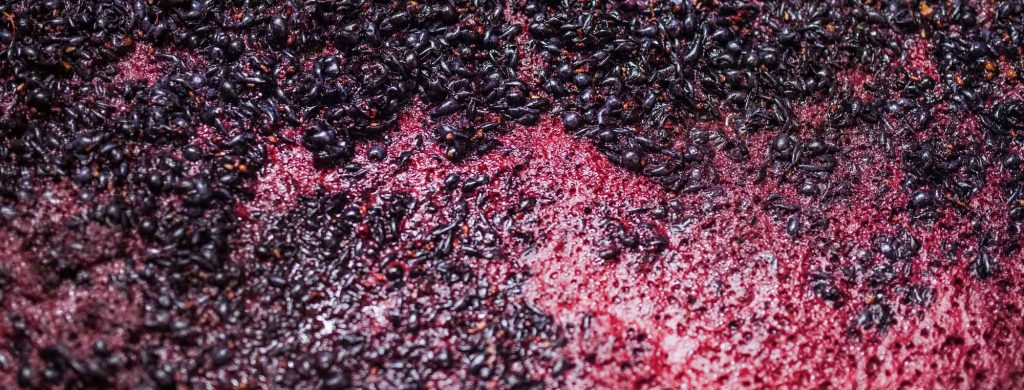
Usually, yes. Active fermentation produces carbon dioxide.
The carbon dioxide can create a protective layer above the liquid. This does not make the fermenter sterile. It does reduce some of the concern about oxygen exposure during very active fermentation.
If you need to open the fermenter, keep the opening time short. Use clean and sanitized equipment. Then close the fermenter again.
Is Oxygen Bad During Fermentation?
It depends on the stage of fermentation. Yeast can use oxygen during the early stages of fermentation. Oxygen can help yeast grow and reproduce.
After fermentation is well underway, oxygen becomes less desirable. Once the yeast has consumed much of the available oxygen, unnecessary oxygen exposure can cause oxidation. This is especially important for beer.
Wine, mead, and cider can also suffer from oxidation. For this reason, you should avoid repeatedly opening the fermenter just to look inside.
What About Looking at the Fermentation?
You can look at it. You do not necessarily need to open the fermenter to do this.
If your fermenter is transparent, you can usually see:
- Foam.
- Yeast activity.
- Sediment.
- Fruit.
- Changes in color.
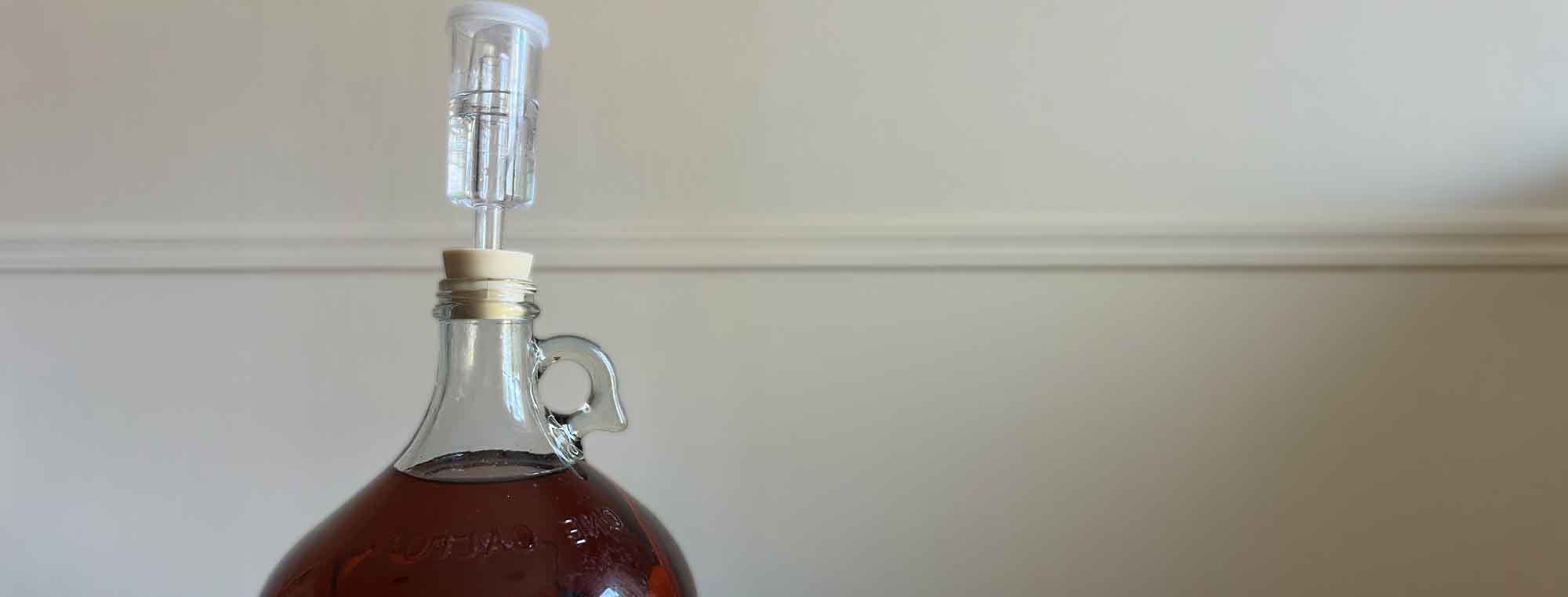
You can also watch the airlock. Remember that airlock activity is not a reliable measure of fermentation progress.
Use a hydrometer when you need to know whether gravity is changing.
Can I Open the Fermenter to Check Fermentation?
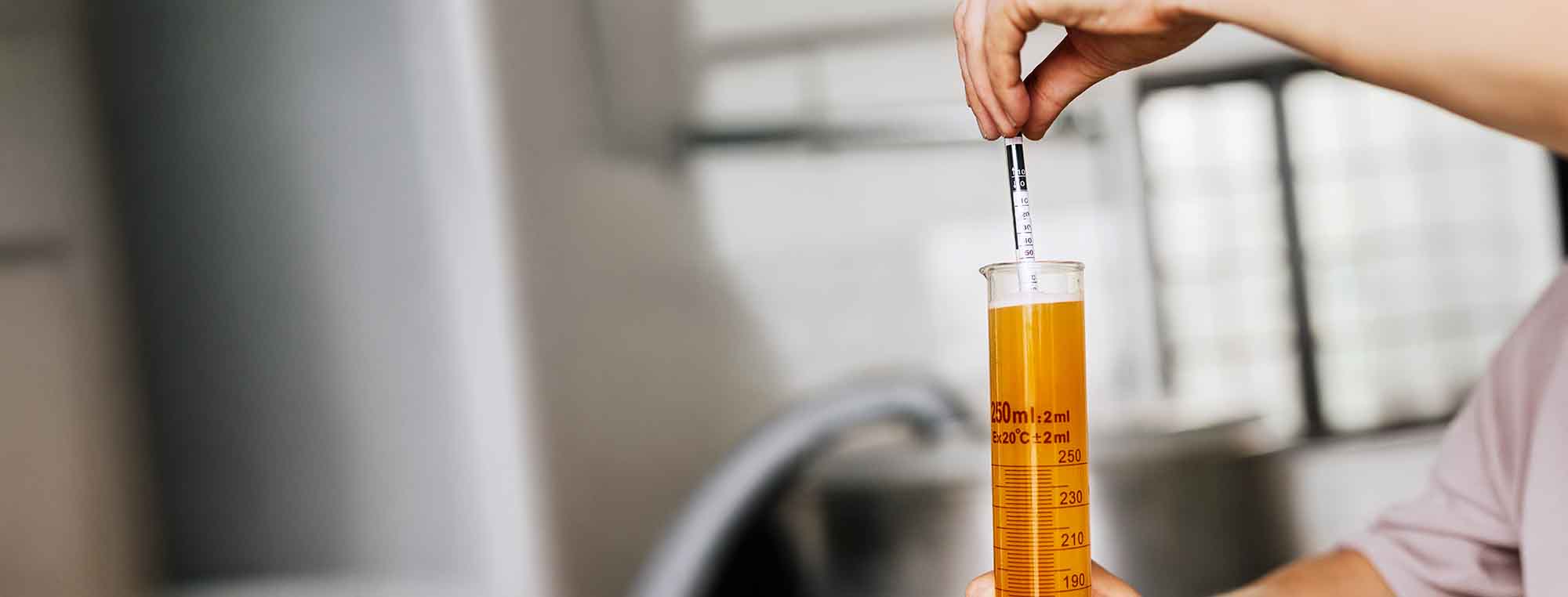
For one reason – to pull a hydrometer sample for checking gravity. A hydrometer is the best basic tool for checking fermentation progress.
You can take a sample with a sanitized wine thief, pipette, or sample valve. Measure the specific gravity. Then take another reading later.
If the gravity is changing, fermentation is still active. If the gravity is stable, fermentation may be complete or stuck. You do not need to open the fermenter every day.

How Do I Take a Hydrometer Sample?
First, clean and sanitize your sampling equipment. Use a sanitized wine thief or other suitable tool. Take enough liquid for the hydrometer. Transfer the sample to a sanitized test jar.
Place the hydrometer into the sample. Take the reading. Return the equipment to a clean location.
Do not pour the sample back into the fermenter unless you are very confident in your sanitizing procedure. The sample has been exposed to air and may no longer be sanitary. However, with modern yeasts, this isn’t as much of a concern as in years past.
Drinking the sample is often the easiest way to avoid wasting it.
Can I Open a Fermenter to Add Yeast Nutrient?
Sometimes. Some fermentation methods call for nutrient additions after fermentation has started. Mead is a common example. If your nutrient schedule requires an addition, open the fermenter carefully.
Sanitize the container and any tools that will contact the fermenting beverage.
Add the correct amount, carefully and slowly, to avoid a foam-over. Close the fermenter again. Do not add nutrient simply because the fermentation looks slow. First determine what the fermentation needs.
Can I Open a Fermenter to Add Fruit?
Yes. Fruit can be added during primary or secondary fermentation. However, fruit additions can introduce microorganisms.
Use clean fruit and appropriate sanitation practices.
Some fruit may require additional preparation depending on the recipe and fermentation method. Once the fruit is added, close the fermenter promptly. A fruit addition can also restart or increase fermentation.
This means you should leave enough headspace. A blowoff tube can be useful after adding fruit.
Can I Open a Fermenter to Add Hops?
Yes. Dry hopping requires opening the fermenter in many brewing setups.
Sanitize anything that will contact the beer. Open the fermenter for as little time as practical.
Add the hops. Close the fermenter.
Some advanced brewing systems allow hops to be added without exposing the beer to outside air. These systems are useful for brewers who want to reduce oxygen exposure. They are not required for beginners.
What About Degassing Mead or Wine?
Some mead and wine processes use degassing. This means removing dissolved carbon dioxide from the beverage. However, aggressive degassing can also introduce oxygen.
You should not degas a finished beverage without a reason. If you are following a recipe or process that calls for degassing, use the appropriate technique. Avoid vigorous splashing.
Oxygen exposure becomes more important as fermentation slows.
What If My Airlock Is Clogged?
Open the fermenter if necessary. A clogged airlock can prevent carbon dioxide from escaping. This can create pressure inside the fermenter.
Remove the airlock carefully. Clean and sanitize it. Replace it.
If fermentation is still very active, consider using a blowoff tube instead. Do not leave a clogged airlock in place simply because you do not want to open the fermenter. Safety is more important than keeping the fermenter closed.
Can I Open the Fermenter to Stir It?
Sometimes. Gently stirring can resuspend yeast. This can help if yeast has settled before fermentation is complete.
However, stirring can introduce oxygen. Do not vigorously splash the beverage.
For beer, wine, mead, and cider, unnecessary oxygen exposure can damage the finished product. If you need to resuspend yeast, use a gentle method.
Should I Open My Fermenter Every Day?
No. There is usually no reason to open a fermenter every day.
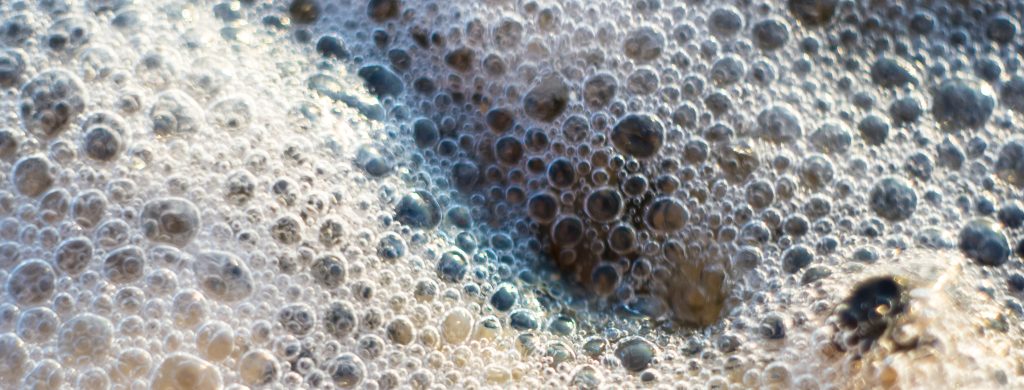
You can monitor fermentation without opening it. Watch the temperature. Check the airlock. Look through a transparent fermenter. Use a hydrometer when you need a specific gravity reading.
Every opening creates another opportunity for contamination and oxygen exposure. The fewer unnecessary openings, the better.
Is It Worse to Open During Primary or Secondary?
The risk changes with the stage of fermentation.
During primary fermentation, active yeast produces carbon dioxide. This can reduce some of the effects of oxygen exposure.
During secondary fermentation, fermentation is usually slower if there’s any fermentation at all. There may be less carbon dioxide production. The beverage may also remain in the fermenter for weeks or months. This makes oxygen exposure more important. So, for secondary, avoid unnecessary openings.
What About Long-Term Aging?
Avoid opening a vessel during long-term aging unless you have a specific reason.
Wine and mead may spend months aging. Oxygen exposure can cause oxidation during this time.
Use a properly sized vessel. Keep the airlock filled with an appropriate liquid. Check the airlock periodically. If you need to make an adjustment, use clean and sanitized equipment.
What Equipment Makes Opening Less Necessary?
A few pieces of equipment can reduce the need to open the fermenter.
Hydrometer
A hydrometer measures specific gravity.
This tells you more about fermentation progress than looking at the airlock.
Wine Thief
A wine thief allows you to remove a small sample.
Choose one that is easy to clean and sanitize.
Fermentation Temperature Probe
A temperature probe can monitor the temperature without opening the fermenter.
A thermowell can hold the probe while keeping it separated from the liquid.
Spigot or Sample Valve
Some fermenters have a built-in valve.
This lets you take samples without removing the lid.
The valve must be kept clean and sanitary.
Refractometer
A refractometer can be useful for checking wort or juice before fermentation.
After fermentation begins, alcohol affects the reading. You need an appropriate correction method to use a refractometer for fermented beverages. For beginners, a hydrometer is usually simpler.

What If I Accidentally Leave the Fermenter Open?
Do not panic. Close it as soon as you notice. If the opening was exposed for only a short time, the batch may be completely fine.
The risk depends on:
- How long it was open.
- The fermentation stage.
- The environment.
- Whether anything fell into the fermenter.
- The cleanliness of the equipment.
Continue to monitor the batch. Do not automatically discard it.
What If Something Falls Into the Fermenter?
It depends on what fell in. If a clean, sanitized brewing tool falls into the fermenter, remove it with sanitized equipment if necessary.
If a dirty object falls into the beverage, contamination becomes a greater concern. Do not put your hands into the fermenter. Do not reach into the beverage with an unclean object. Use clean and sanitized equipment.
Should I Wear Gloves?
Gloves are not required for normal homebrewing. Clean hands and good sanitation are important.
If you wear gloves, the gloves should also be clean and suitable for the task. Putting dirty gloves on sanitized equipment does not improve sanitation. The important thing is to prevent unclean objects from contacting the fermenting beverage.
Can Opening the Fermenter Cause an Infection?
It can increase the risk. Fermentation does not make the beverage immune to contamination. Yeast, bacteria, and other microorganisms can enter an open fermenter.
Beer, wine, mead, and cider all have different levels of resistance to contamination. Good sanitation is your best protection. Use a quality no-rinse sanitizer according to its instructions. Sanitize anything that touches the beverage.
Keep the fermenter closed when you are not working with it.
What About the Airlock?
Do not remove the airlock just to look inside. The airlock is there to allow gas to escape while helping keep outside contaminants out.
If you need to open the fermenter, remove the airlock or lid as required. Then replace the airlock when you are finished. Make sure the airlock is clean and properly filled.
Should I Open It Before Bottling?
You may need to open the fermenter for packaging.
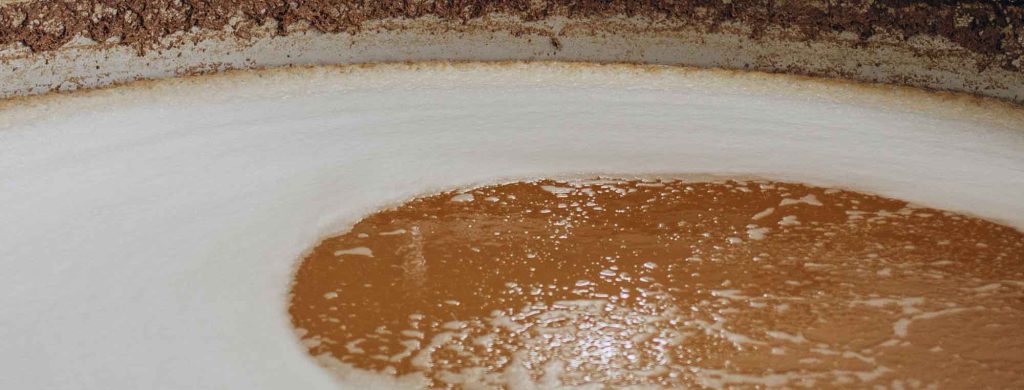
Before bottling, confirm that fermentation is complete. Use a hydrometer. Do not rely on a quiet airlock.
Stable specific gravity readings are important before you package a beverage that will be put into sealed bottles. This is especially important for naturally carbonated beer, cider, wine, or mead. Residual fermentation can create excess pressure in a sealed bottle.
What If I Need to Open It During a Stuck Fermentation?
You may need to. For example, you may need to add nutrients or resuspend yeast. If you do, keep the exposure short.
Use sanitized equipment and avoid splashing. Then close the fermenter again. A stuck fermentation is not a reason to ignore sanitation.
How Often Should I Open My Fermenter?
There is no required schedule. Open it when you have a specific task.
Good reasons include:
- Taking a gravity sample.
- Adding a recipe ingredient.
- Adding a planned nutrient addition.
- Fixing a clogged airlock.
- Transferring the beverage.
- Making a necessary adjustment.
Avoid opening it just because you are curious. It is normal to want to check your fermentation.
You can learn a lot by looking through the fermenter or checking the airlock.
The Bottom Line
Yes, you can open your fermenter during fermentation.
You do not need to treat the fermenter like a sealed laboratory vessel. However, every opening creates some risk of oxygen exposure and contamination.
- Open it when you have a reason.
- Keep your hands, tools, and equipment clean.
- Sanitize anything that contacts the beverage.
- Keep openings short.
- Avoid unnecessary splashing.
During active primary fermentation, the risk from a brief opening is usually lower. During secondary fermentation and long-term aging, oxygen exposure becomes more important.
Use equipment such as a hydrometer, wine thief, temperature probe, sample valve, and blowoff tube to make fermentation easier to monitor without unnecessary openings.
The basic rule is simple:
Open your fermenter when you need to. Do not open it just to see what is happening.
Your yeast is already doing the work. Give it a clean, stable environment and let it ferment.