High krausen is the stage of fermentation when yeast activity is at or near its peak.
During this stage, the yeast produces large amounts of carbon dioxide.
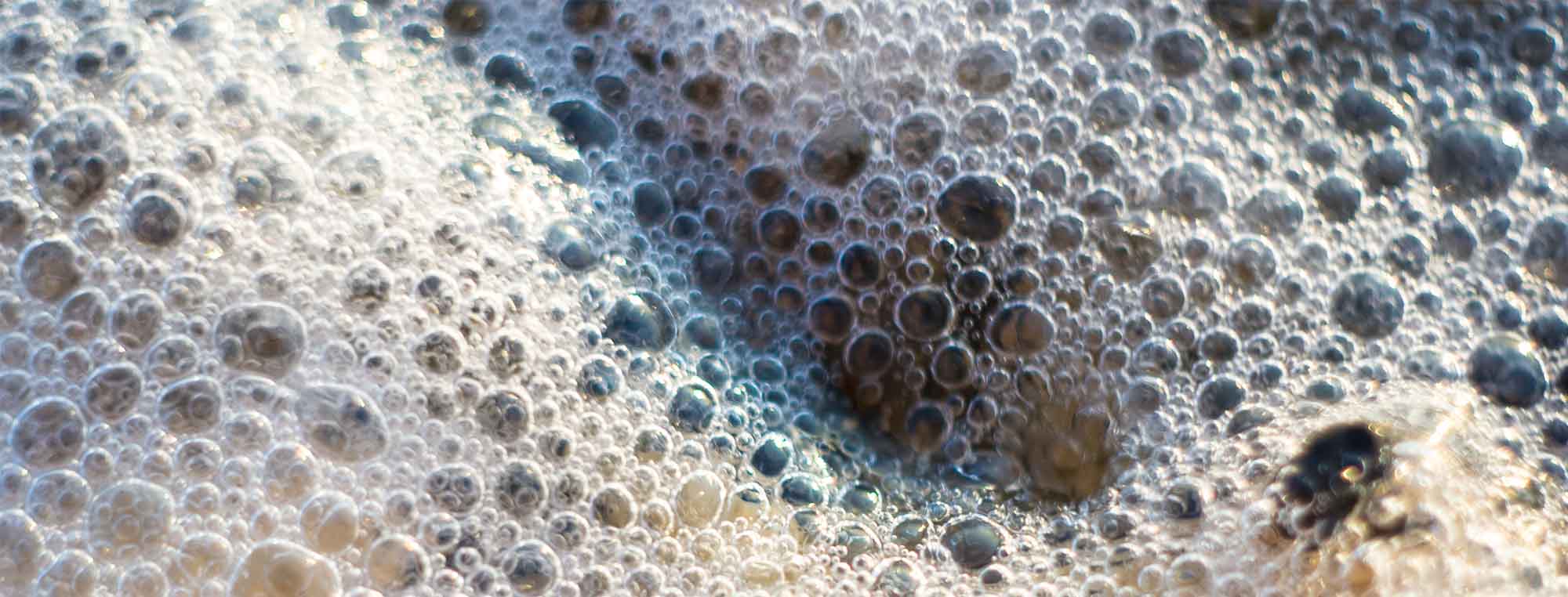
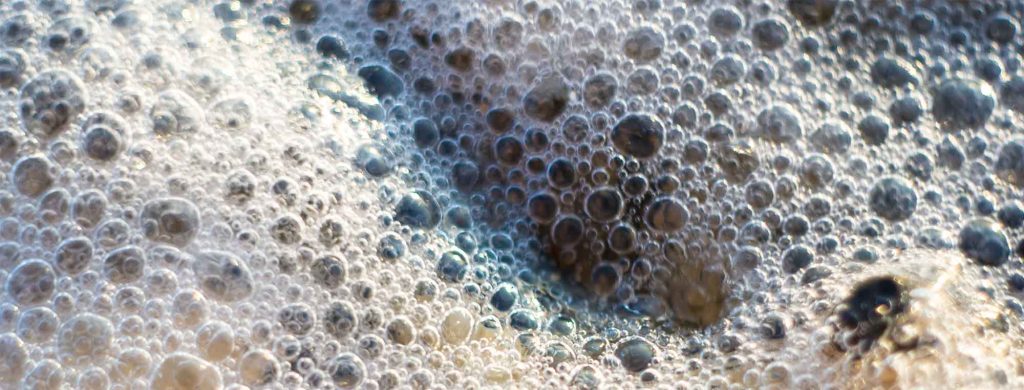
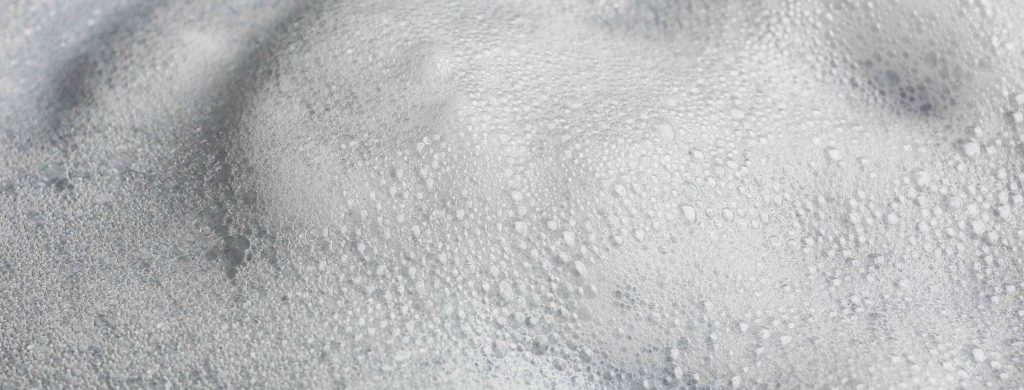
The gas pushes proteins, hop material, yeast, and other particles to the surface of the beer. This creates a thick layer of foam on top of the beer. This foam is called krausen.
High krausen is one of the clearest signs that fermentation is active.
What Is Krausen?
Krausen is the foam that forms on top of fermenting beer.
It can look like:
- Thick white foam
- Tan or brown foam
- Large bubbles
- Small bubbles
- A creamy layer
- A rough layer with patches of darker material
The appearance depends on the beer. Different yeast strains can also produce very different krausen.
Some beers produce a thick krausen. Other beers produce very little visible foam.
What Happens During High Krausen?
Yeast consumes fermentable sugars in the wort. The yeast produces alcohol and carbon dioxide. The carbon dioxide forms bubbles.
Proteins and other compounds in the beer help stabilize those bubbles. The bubbles rise to the surface. The foam can become several inches thick.
This is high krausen.
The yeast is usually very active during this stage. The specific gravity of the beer can also drop quickly.
When Does High Krausen Happen?
High krausen usually occurs during the early part of fermentation. It can begin within several hours after pitching yeast.
It may take longer, often up to 24 hours.
The exact timing depends on:
- Yeast strain
- Pitch rate
- Wort temperature
- Wort composition
- Oxygen availability
- Yeast health
- Original gravity
A healthy fermentation can reach high krausen within the first few days. Some fermentations develop more slowly.
How Long Does High Krausen Last?
High krausen can last from several hours to several days. There is no fixed duration.
Some yeast strains create a large krausen that lasts for several days. Other strains produce a short period of intense foam.
The krausen eventually falls as fermentation slows. Do not use the disappearance of krausen as proof that fermentation is complete.
What Does High Krausen Look Like?
A beer at high krausen can look very different from finished beer.
You may see:
- A thick foam cap
- Brown or tan material on the foam
- Large bubbles
- Foam rising into the neck of the fermenter
- Yeast stuck to the sides of the fermenter
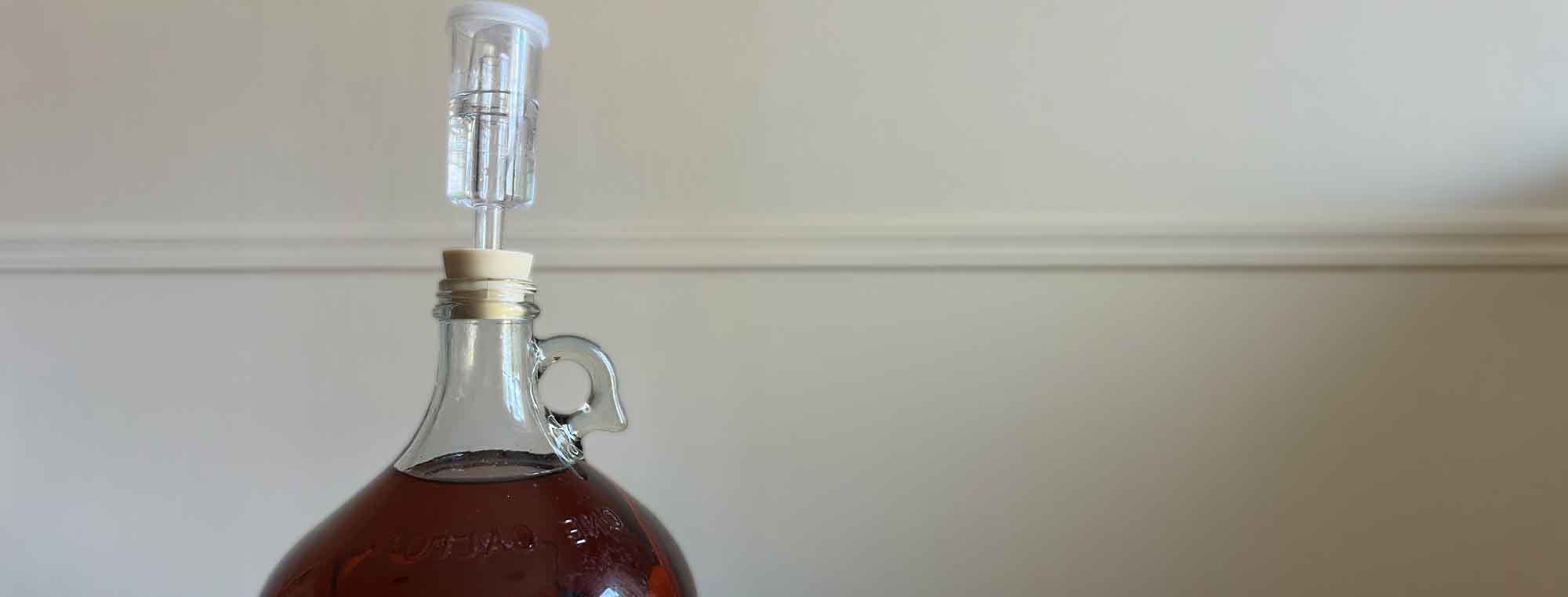
- Strong bubbling through the airlock
The beer underneath the krausen may also look cloudy. This is normal.
The yeast is still suspended in the beer.
Is High Krausen a Good Thing?
Yes. High krausen usually means that the yeast is actively fermenting the beer.
It is a normal part of a healthy fermentation.
- You do not need to remove the krausen.
- You do not need to stir it back into the beer.
- You normally just leave the fermenter alone.
Can Krausen Escape From the Fermenter?
Yes. A very active fermentation can produce more foam than the fermenter can contain.
The foam can enter the airlock. It can also push liquid out of the airlock. This is called a blowoff.
Blowoffs are common with:
- High-gravity beers
- Wheat beers
- Highly fermentable wort
- Some yeast strains
- Warm fermentations
- Fermenters with little headspace
What Is a Blowoff Tube?
A blowoff tube gives the foam and gas a larger path out of the fermenter. One end connects to the fermenter. The other end goes into a container of sanitizer or clean water.
The tube allows excess foam and carbon dioxide to leave the fermenter. A blowoff tube is useful when you expect a strong fermentation.
It can prevent a clogged airlock.
Should I Use a Blowoff Tube During High Krausen?
If the krausen is reaching the airlock, a blowoff tube can help. It is easier to install a blowoff tube before fermentation becomes extremely active.
You can also replace a clogged airlock with a blowoff tube. Do not allow pressure to build inside a sealed fermenter. A clogged airlock can create dangerous pressure.
Should I Open the Fermenter During High Krausen?
Usually, no.
Opening the fermenter is unnecessary. It also creates an opportunity for contamination. Leave the fermenter closed whenever possible.
If you need to change a clogged airlock or install a blowoff tube, work quickly and use sanitized equipment.
All that said, high krausen is the optimal time for top-cropping yeast for your next batch.
Should I Skim Off the Krausen?
Usually, no. There is normally no reason to remove the krausen. The material contains yeast and other brewing compounds.
Removing it can also remove active yeast. Let the fermentation proceed naturally.
Can I Dry Hop During High Krausen?
Yes. This technique is called dry hopping during active fermentation or active fermentation hopping.
Some brewers add hops during high krausen. The active fermentation can help reduce oxygen introduced during the addition.
The exact timing depends on the beer and the desired hop character. You do not need to add hops during high krausen to make a good IPA. Dry hopping is a separate recipe decision.
What Is High-Krausen Yeast?
Brewers sometimes use yeast from high krausen to start another fermentation.
The yeast is very active at this stage. Some brewers harvest a portion of the yeast for repitching.
This requires careful sanitation. The yeast must also be appropriate for the next beer.
This method, called top-cropping, is more advanced than simply allowing the beer to ferment.
Can I Bottle During High Krausen?
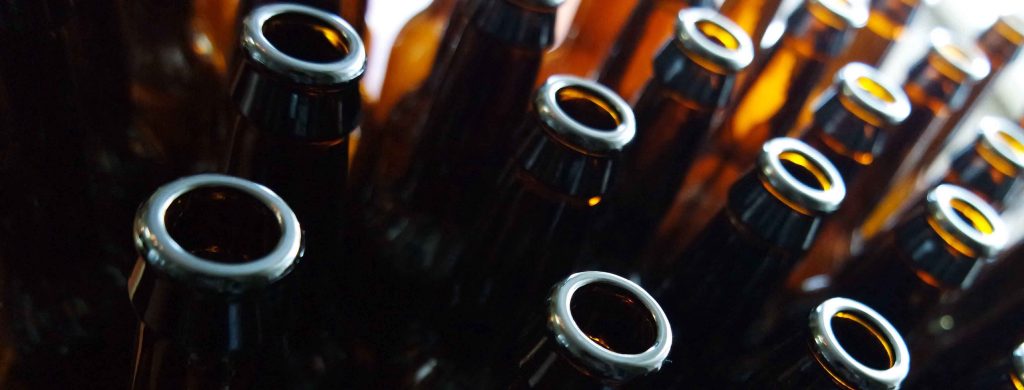
No. Do not bottle beer during high krausen.
The beer still contains a large amount of fermentable sugar. The yeast is actively producing carbon dioxide. If you seal the beer in bottles, the carbon dioxide can build pressure. This can cause over-carbonation.
Bottles can leak, break, or explode. Wait until fermentation is complete. Confirm that the specific gravity is stable before bottling.
Can I Transfer Beer During High Krausen?
You normally should not transfer beer during high krausen unless the recipe or process specifically requires it.
The beer is still undergoing vigorous fermentation. Moving it can create unnecessary mess and oxygen exposure. There are specialized techniques that use transfers during active fermentation. These are not necessary for most homebrewers.
For a normal fermentation, leave the beer in the primary fermenter.
Does High Krausen Mean Fermentation Is Almost Finished?
Not necessarily.
High krausen means fermentation is very active. The beer may still have a significant amount of fermentation remaining. After high krausen falls, the yeast continues to ferment the beer.
The beer can remain cloudy for some time. The yeast also continues to clean up some fermentation byproducts.
Do not package the beer just because the krausen has fallen.
How Do I Know When Fermentation Is Finished?
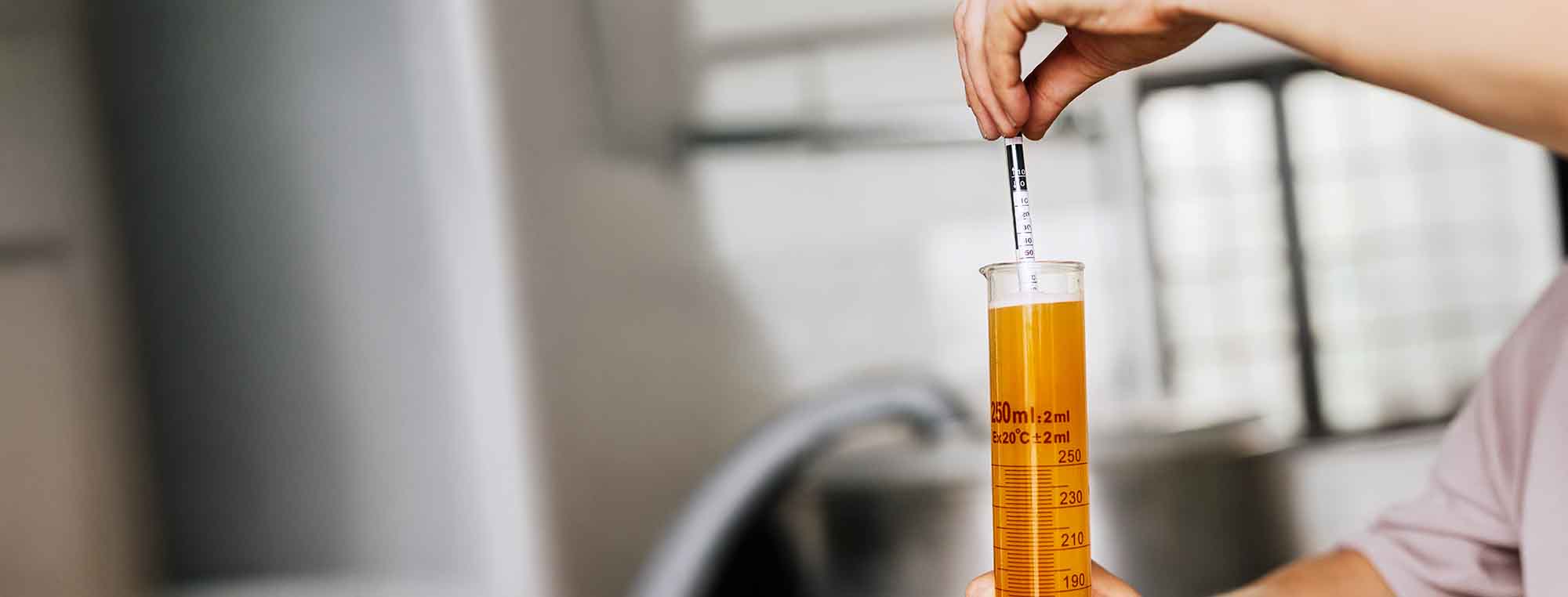
Use a hydrometer.
- Take a specific gravity reading.
- Wait several days.
- Take another reading.
- If the readings are the same, fermentation may be complete.
A stable gravity is more useful than the appearance of the krausen. The airlock is also not a reliable fermentation meter.
What If There Is No Krausen?
Do not panic.
Some yeast strains produce very little visible krausen.
The fermenter may also have a large amount of headspace. The krausen can rise and fall before you notice it.
Check the specific gravity if you are unsure. A gravity change shows that fermentation is occurring.
What If the Krausen Looks Strange?
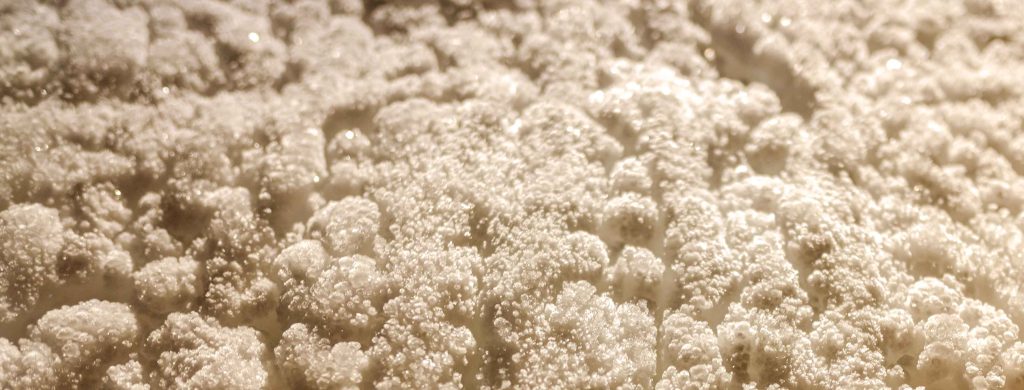
Krausen can have many colors and textures.
Tan or brown foam can be normal. Hop particles can make the foam look green or brown. Yeast can create thick or uneven foam.
Do not assume that unusual-looking krausen means contamination.
However, fuzzy growth or unusual colored patches on the beer surface can indicate a problem. A strong sour, rotten, or otherwise unusual smell can also be a warning sign. If you suspect contamination, do not taste the beer to determine whether it is safe.
High Krausen vs. Fermentation Completion
These terms describe different stages.
- High krausen means fermentation is highly active.
- Fermentation completion means the yeast has consumed the fermentable sugars and the gravity is stable.
High krausen happens early. Completion happens later. Do not confuse the two.
The Simple Answer
High krausen is the peak of visible yeast activity during fermentation.
Yeast consumes sugar and produces carbon dioxide. The gas creates a thick layer of foam on the surface of the beer. This foam is called krausen.
High krausen is normal.
You usually do not need to do anything when it happens. Give the fermentation enough headspace or use a blowoff tube when needed. Most importantly, do not bottle or package the beer just because high krausen has ended.
Use stable hydrometer readings to determine when fermentation is complete.