If you make beer, wine, mead, or cider at home, you will often hear about an airlock.
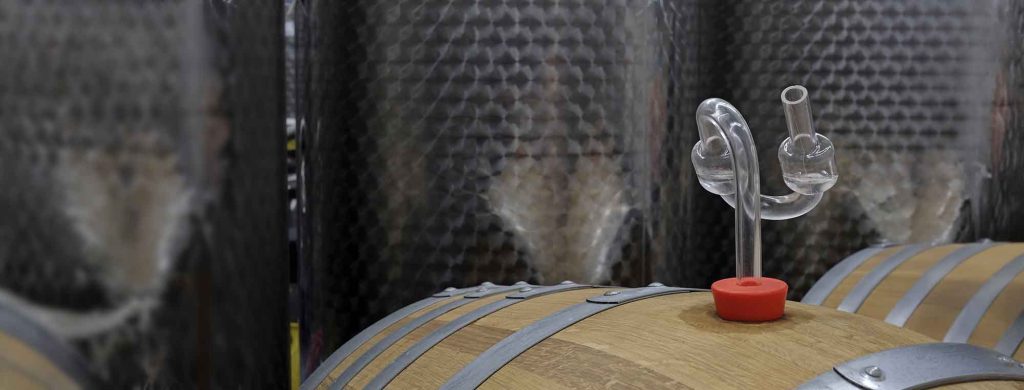
An airlock is a small device that fits on a fermenter. It lets gas leave the fermenter. It also helps stop outside air and contaminants from entering the fermenter. An airlock is simple. It is also one of the most useful pieces of fermentation equipment.
But do you really need one?
For most homebrewers, yes. An airlock is inexpensive, easy to use, and helps protect your fermenting drink.
What Does an Airlock Do?
During fermentation, yeast changes sugar into alcohol and carbon dioxide. Carbon dioxide is a gas. During active fermentation, the gas needs a way to leave the fermenter. An airlock provides this path.
The airlock also creates a barrier between the inside of the fermenter and the outside air.
This gives you two important benefits:
- Carbon dioxide can leave the fermenter.
- Outside air and contaminants have a harder time entering.
Most airlocks use a small amount of water or sanitizer solution. The gas can pass through the liquid. Outside air cannot easily pass through the liquid in the other direction. This is why the device is called an airlock.
Do I Really Need an Airlock?
You can ferment without an airlock.
People have fermented beer, wine, mead, and cider for hundreds of years without modern fermentation equipment. However, this does not mean that an airlock is useless. An airlock gives you a simple way to protect your fermenter while allowing fermentation gas to escape.
For a beginner, there is little reason not to use one.
Airlocks are:
- Cheap.
- Reusable.
- Easy to clean.
- Easy to sanitize.
- Easy to install.
- Useful for many types of fermentation.
The small cost can help prevent problems later.
Can an Airlock Prevent Oxygen From Entering?
An airlock helps reduce contact with outside air. This is important because oxygen can cause problems in some fermented drinks.
Oxygen is especially important after the main fermentation is complete. During early fermentation, yeast can use some oxygen. After fermentation slows or stops, oxygen can cause oxidation. Oxidation can change the flavor, aroma, and color of a finished drink.
An airlock does not create a perfect seal in every fermenter. It also does not remove oxygen that is already inside the fermenter. It is best to think of an airlock as a barrier, not as a complete oxygen-control system.
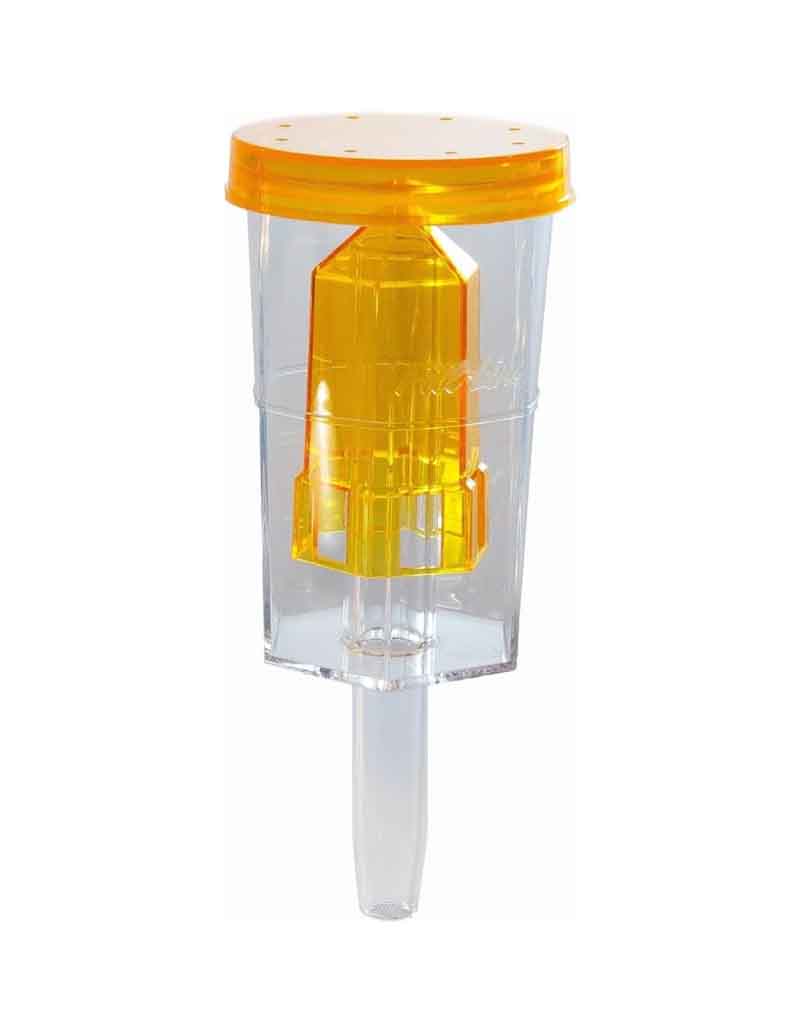
How Does a Three-Piece Airlock Work?
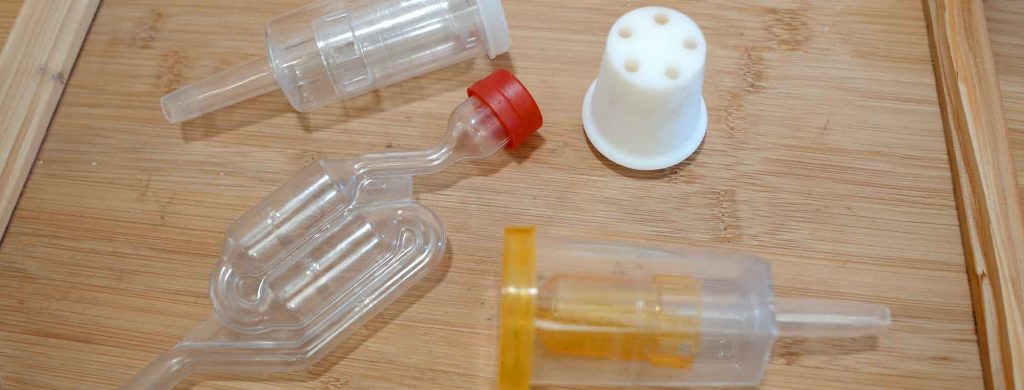
A common airlock is called a three-piece airlock.
It has three main parts:
- The outer body.
- The small inner cap or float.
- The top cap.
You put a small amount of liquid into the airlock. Fermentation gas pushes the inner part and then passes through the liquid. The gas can leave the fermenter.
The liquid helps prevent outside air from moving back into the fermenter. Three-piece airlocks are popular because they are simple to take apart and clean.
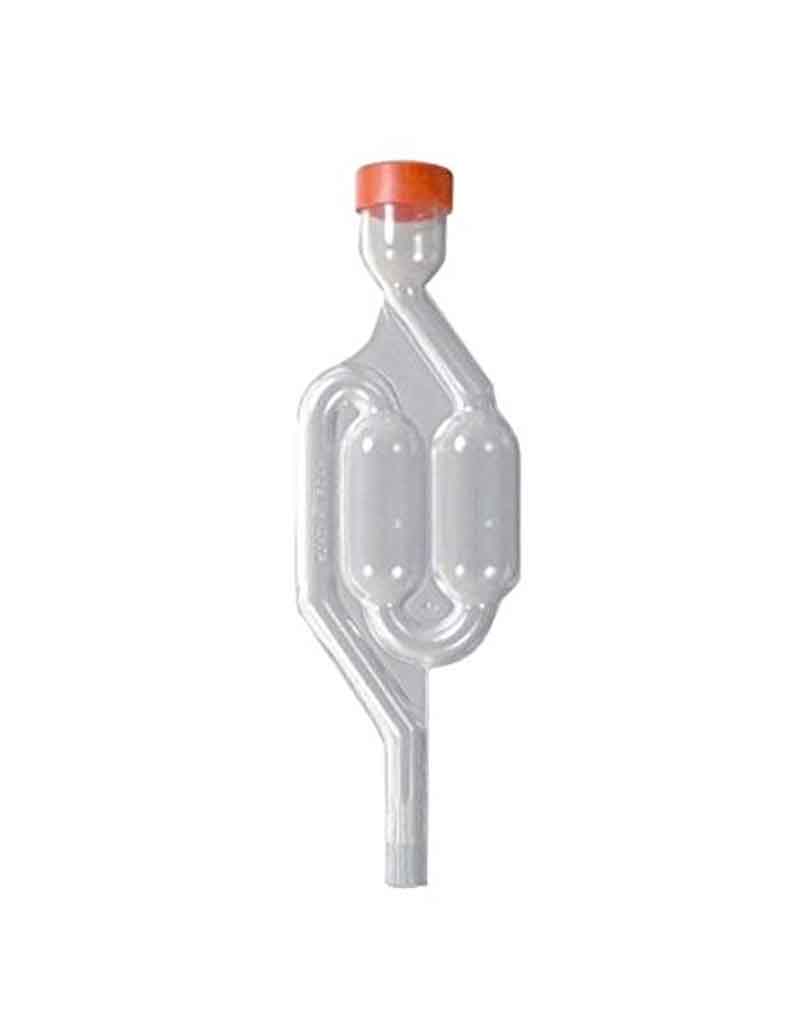
What Is an S-Shaped Airlock?
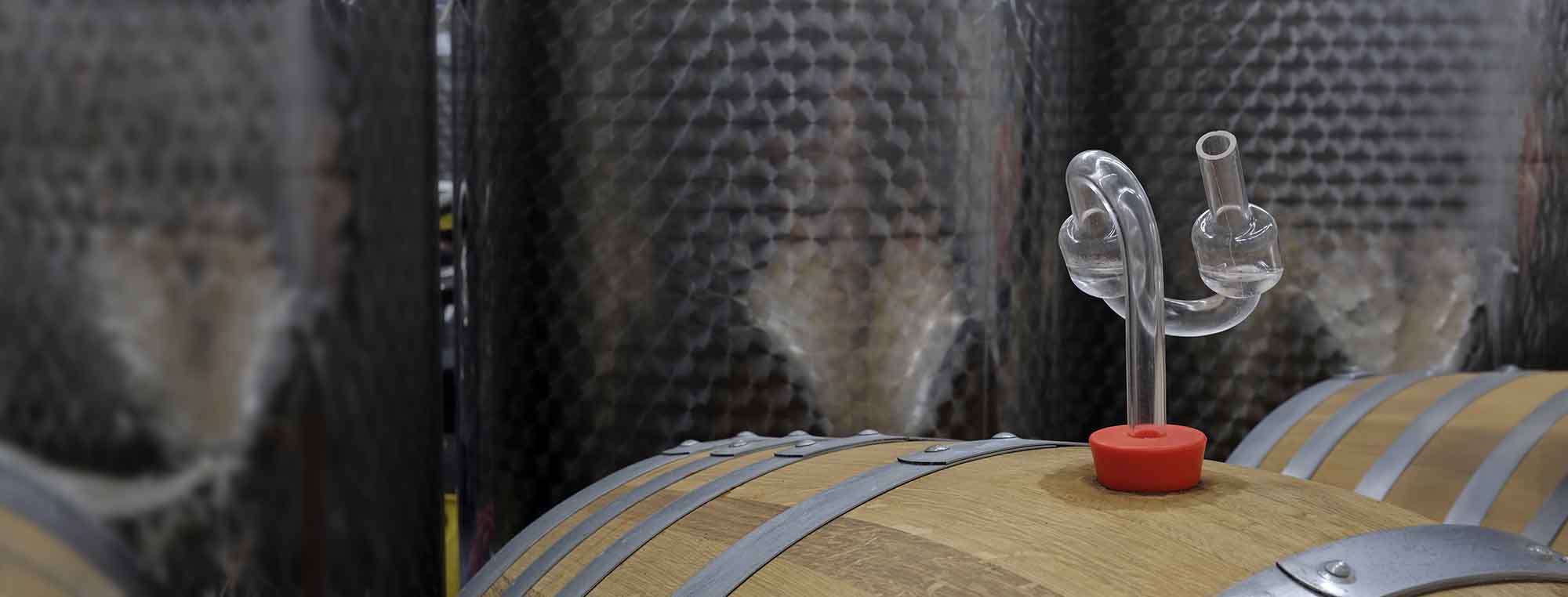
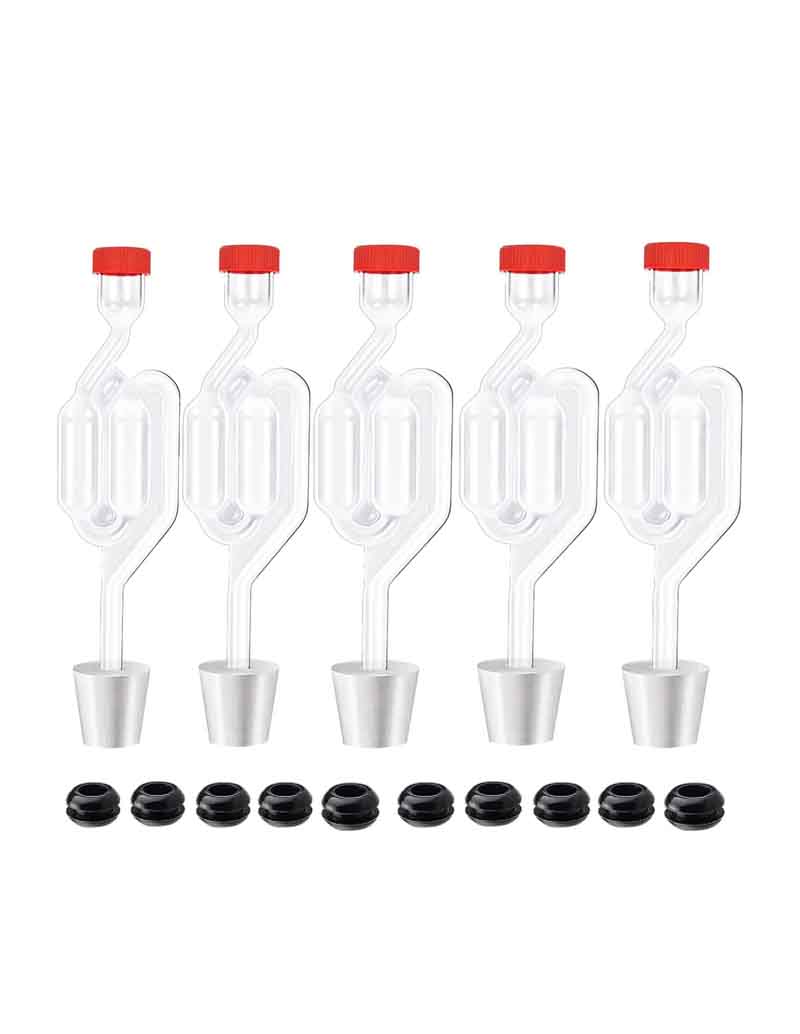
Another common design is the S-shaped airlock.
It uses a curved tube with liquid inside. The design works in the same basic way. Carbon dioxide can move out of the fermenter. The liquid creates a barrier against outside air. S-shaped airlocks are also reusable.
Both designs can work well for home fermentation. For most beginners, there is no major reason to choose one design over the other.
What Liquid Should I Put in an Airlock?
You can use water. However, many homebrewers prefer to use a sanitizing solution. This gives you an extra layer of protection if the liquid moves into the fermenter.
You should follow the instructions for the sanitizer that you use. Do not assume that every sanitizer is safe to use at the same concentration.
You can also use a high-proof neutral spirit in some airlocks. This can reduce the risk of contamination if the liquid is pulled into the fermenter.
Do not fill the airlock completely. The airlock needs enough empty space for gas to move through it.
Can an Airlock Get Sucked Into the Fermenter?
Yes. This can happen when the pressure inside the fermenter becomes lower than the pressure outside. This is called negative pressure or suction.
It can happen when:
- Fermentation slows.
- The fermenter cools.
- A fermenter is moved.
- Liquid inside the fermenter contracts.
- The fermenter is sealed while the contents are cooling.
If the pressure becomes low enough, the liquid in the airlock can move toward the fermenter.
This is one reason many brewers use sanitizer or another suitable liquid in the airlock instead of plain water.
Can an Airlock Explode?
An airlock itself does not normally create pressure.
However, a blocked airlock can become a serious problem. During active fermentation, yeast can produce a large amount of carbon dioxide.
If gas cannot escape, pressure can increase inside the fermenter. This can damage the fermenter or cause the stopper to come out.
Never intentionally seal an actively fermenting beer, wine, mead, or cider in a container that cannot safely release pressure. Keep the airlock and its opening clean and clear.

What If My Airlock Is Not Bubbling?
Do not worry if you do not see bubbles. An airlock does not need to bubble for fermentation to occur.
Bubbles can stop for several reasons:
- Fermentation has slowed.
- Fermentation has finished.
- The fermenter has a small leak.
- The temperature has changed.
- The airlock is not seated correctly.
- The yeast is producing less carbon dioxide.
The best way to determine whether fermentation is complete is to measure the specific gravity with a hydrometer. Do not use airlock activity as your only test.
Do I Need an Airlock During Primary Fermentation?
Yes, an airlock is a good choice for most primary fermentations. During primary fermentation, yeast can produce a large amount of carbon dioxide. The airlock lets this gas escape while helping protect the fermenting drink.
There is one important exception.
Some fermentation methods use an open fermentation or a vessel that is designed to release gas in another way. These methods require different equipment and techniques. A beginner should normally use a closed fermenter with an airlock.
Do I Need an Airlock During Secondary Fermentation?
An airlock is also useful during secondary fermentation. This is especially true for wine, mead, and cider.
Secondary fermentation can produce less carbon dioxide than primary fermentation. However, fermentation can continue for a long time. An airlock lets you safely release any remaining carbon dioxide. It also helps protect the drink from outside air.
Do not assume that fermentation has stopped simply because the airlock is quiet. Rather, use specific gravity readings to confirm fermentation status.
Do I Need an Airlock for Beer?
For most beer fermentation, yes.
A bucket, carboy, or other fermenter can use an airlock. The airlock provides a simple way for carbon dioxide to escape during fermentation.
Some advanced beer fermentation methods use pressure-rated fermenters. These systems can use pressure valves and other equipment instead of a traditional airlock.
You do not need this equipment to make good beer. A simple fermenter and airlock are enough for most beginners.
Do I Need an Airlock for Mead?
Yes. An airlock is especially useful for mead. Mead fermentation can continue for weeks or months. The fermentation rate can also change during this time.
An airlock provides protection while allowing carbon dioxide to escape. This makes it useful for both primary and secondary fermentation.
Do I Need an Airlock for Cider?
Yes. Cider can produce significant amounts of carbon dioxide during fermentation.
An airlock allows the gas to escape. It also helps reduce exposure to outside air and contaminants. This is useful for both commercial apple juice and fresh-pressed juice.

What About Bottling?
You do not use a normal airlock on a sealed bottle of finished beer, cider, wine, or mead.
Bottles need to hold the carbon dioxide produced during carbonation. This is different from fermentation in an open fermenter.
For naturally carbonated beer or cider, yeast produces carbon dioxide inside the sealed bottle. The bottle must be designed to handle the pressure. Never use ordinary glass bottles for pressure-producing fermentation unless the bottles are designed for that purpose.
Is an Airlock Better Than a Loose Lid?
A loose lid can allow carbon dioxide to escape. It can also allow outside air and contaminants to enter. An airlock provides a better barrier.
Some homebrewers use loose lids for certain fermentation methods. This can work when the method is designed for it. For a beginner, an airlock is usually the safer and simpler choice.
What About Plastic Wrap or Aluminum Foil?
You may see brewers use plastic wrap, foil, or other temporary covers.
These methods can have a place in some fermentation processes. They are not a direct replacement for an airlock in every situation.
If you have a fermenter that is designed to use an airlock, there is little benefit in replacing it with a temporary cover. An airlock is inexpensive and made for this exact purpose.
The Bottom Line
An airlock is a simple device that lets fermentation gas escape while helping keep outside air and contaminants out. You can ferment without one. But for most homebrewers, you should use one.
An airlock is inexpensive, reusable, and easy to clean. It works with beer, wine, mead, cider, and many other fermented drinks.
The most important thing to remember is that an airlock is not a fermentation meter. A bubbling airlock does not prove that fermentation is active. A quiet airlock does not prove that fermentation is finished. Use a hydrometer to measure fermentation progress.
For a beginner, the basic setup is simple:
Fermenter + sanitized airlock + suitable liquid in the airlock = a good start to fermentation.
That small piece of equipment can make home fermentation much easier and more reliable.