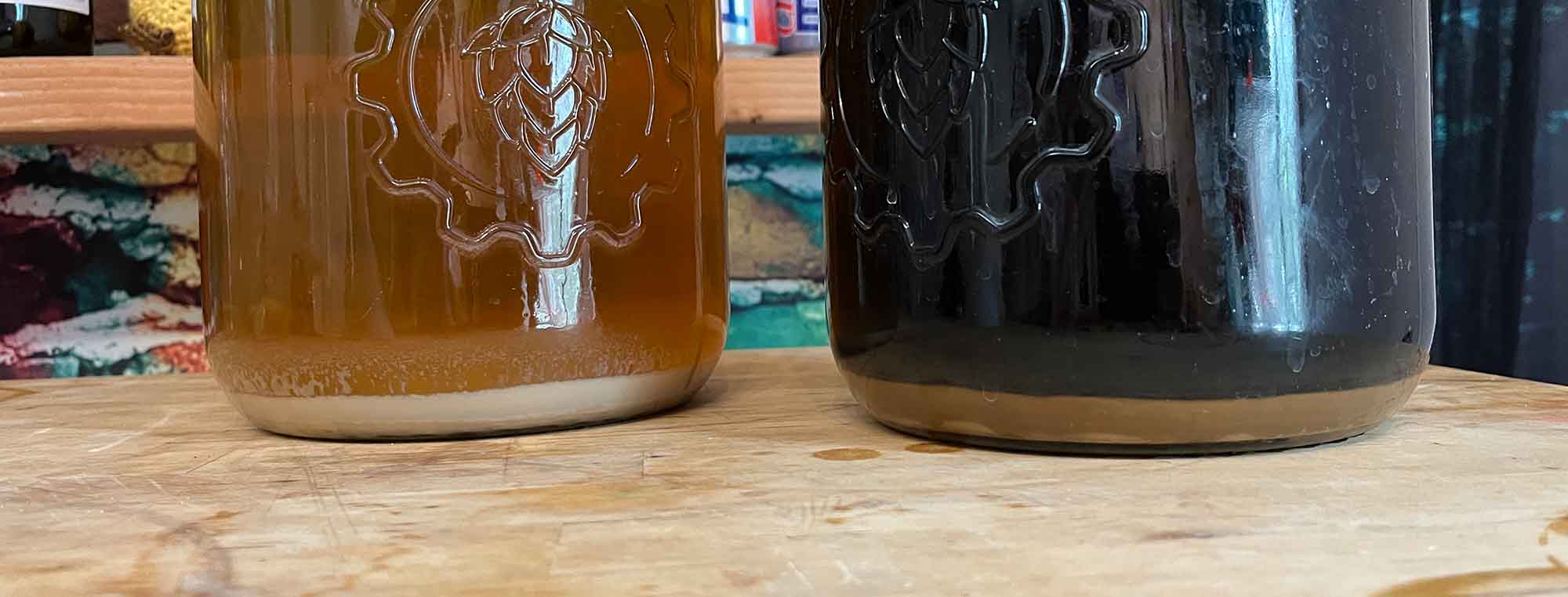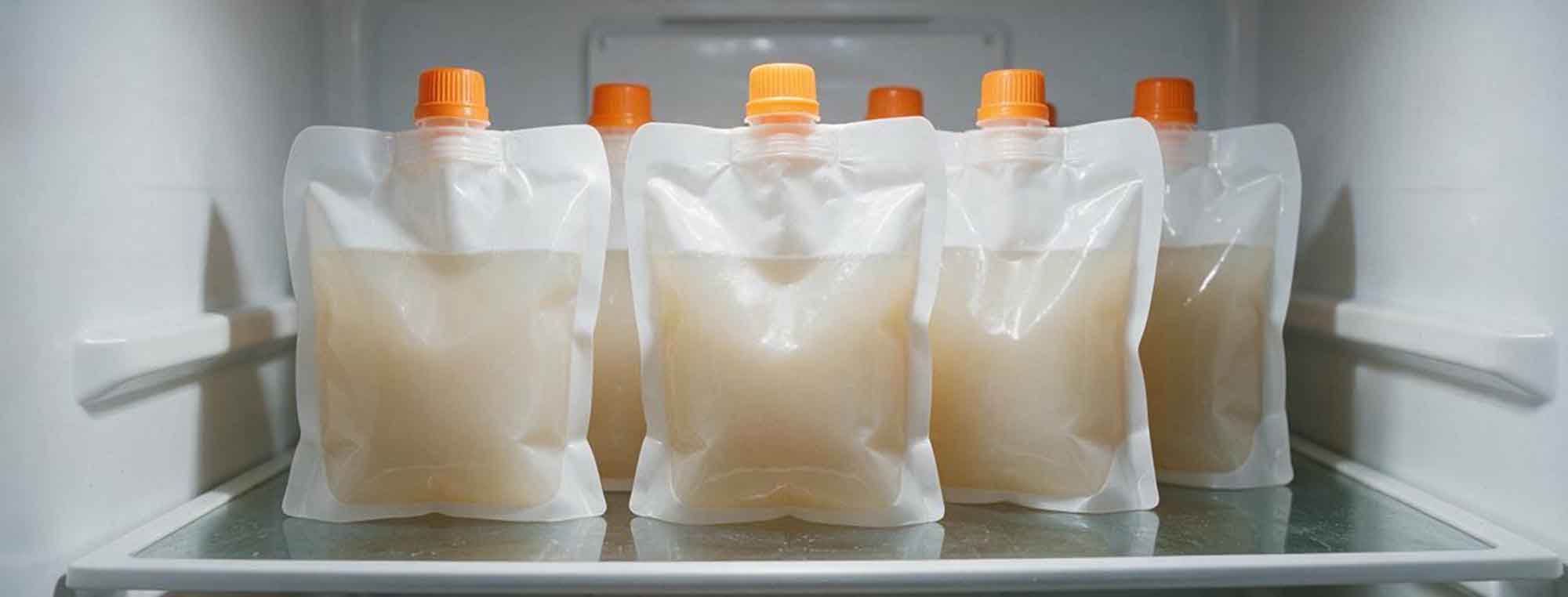
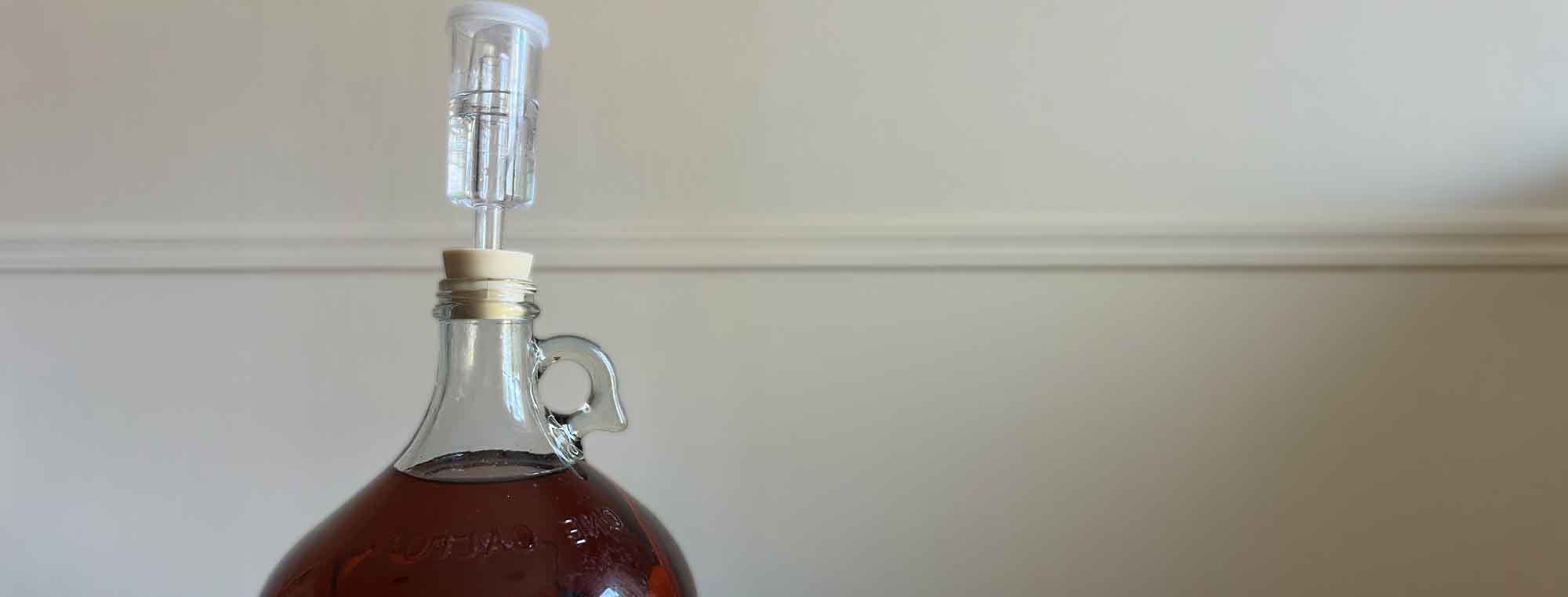
One of the easiest mistakes for a new homebrewer is filling a fermenter too full.
It can seem logical to fill the fermenter as much as possible.
After all, you made a full batch. Why leave empty space?
The problem is that fermentation creates foam and carbon dioxide. If there is not enough empty space, the foam can enter the airlock or escape from the fermenter. The amount of space you need also changes between primary fermentation and secondary fermentation.
For primary fermentation, you usually want more headspace. For secondary fermentation, you usually want less headspace.
What Is Headspace?
Headspace is the empty space between the liquid and the top of the fermenter. For example, if you have a five-gallon fermenter and four gallons of beer, you have about one gallon of headspace.
Headspace gives fermentation foam room to rise. It also gives carbon dioxide room to collect before it leaves through the airlock or blowoff tube.
The correct amount of headspace depends on the type of fermentation.
How Full Should I Fill a Primary Fermenter?
For primary fermentation, do not fill the fermenter to the top. A good general target is about 75% to 80% full. This leaves about 20% to 25% of the fermenter empty.
For a five-gallon fermenter, that means about four gallons of liquid.
For a six-gallon fermenter, about 4.5 to 5 gallons can be a reasonable starting point.
These are general guidelines. Some fermentations need more headspace. Some need less.

Why Does Primary Fermentation Need More Headspace?
Primary fermentation is usually the most active part of fermentation.
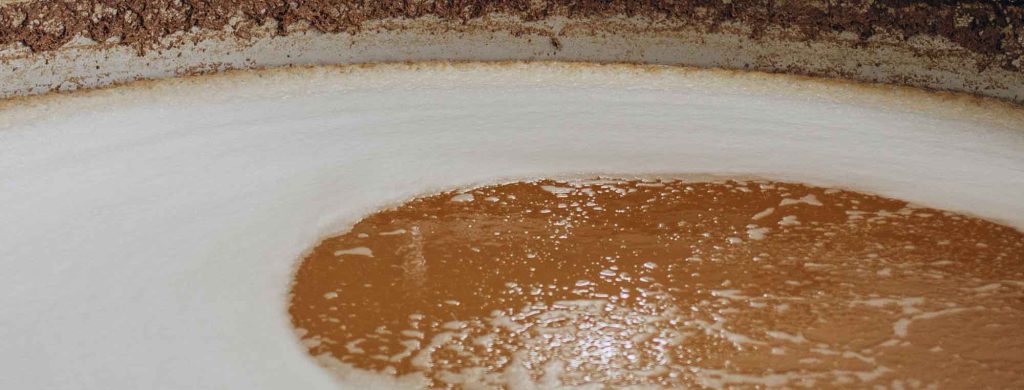
Yeast can produce a large amount of carbon dioxide. The liquid can also produce a thick layer of foam. This foam is called krausen in beer fermentation.
Krausen can rise several inches above the surface of the beer. Mead, cider, and wine can also produce significant foam.
If the fermenter is too full, the foam can enter the airlock. The airlock can become clogged. The foam can then escape from the fermenter.
This is called a blowoff.
What Happens If I Fill the Fermenter Too Full?
The most common problem is an overflowing airlock.
You may see:
- Foam entering the airlock.
- Yeast or liquid coming out of the airlock.
- The airlock popping out.
- A clogged airlock.
- Fermentation liquid spilling onto the floor.
A clogged airlock is more serious than a simple mess. Carbon dioxide needs a way to escape.
If the fermenter is sealed and gas cannot escape, pressure can increase. Do not allow an actively fermenting batch to become a sealed pressure vessel unless the equipment is specifically designed and rated for that purpose.
Is More Headspace Always Better?
No.
Too much headspace can also be a problem, especially after primary fermentation. The main concern is oxygen. During early fermentation, yeast produces a lot of carbon dioxide. This can replace much of the air in the fermenter. As fermentation slows, there is less carbon dioxide production.
A large amount of empty space then contains more air. Oxygen can cause oxidation. Oxidation can damage flavor, aroma, and color.
This is one reason primary and secondary fermentation have different headspace needs.
How Full Should I Fill a Secondary Fermenter?
For secondary fermentation, you usually want to fill the fermenter much closer to the top. A common target is about 90% to 95% full.
The goal is to leave enough space for the airlock and for any small amount of continued fermentation. You want as little unnecessary air space as practical. For example, if you have four gallons of finished beer or mead, a five-gallon secondary vessel may have more headspace than you want. A smaller vessel may be a better choice.
Why Does Secondary Need Less Headspace?
Secondary fermentation is usually less active than primary fermentation. The yeast has already completed much of its work. There is usually less foam. There is also significantly less carbon dioxide production.
This means you do not need as much space for krausen or other fermentation foam. At the same time, oxygen becomes more important. A large amount of air above the liquid can cause oxidation.
For this reason, secondary vessels should usually be filled closer to the top.
What If My Secondary Fermenter Is Too Large?
Do not automatically add water to fill the vessel.
Adding water changes the strength, flavor, acidity, and other properties of the drink. Instead, consider using a smaller fermenter.
Glass carboys and other fermenters are available in many sizes. Having several fermenter sizes can be useful for this reason. For example, a one-gallon batch may work well in a one-gallon vessel during primary fermentation. After you remove sediment, the remaining liquid may fit better in a smaller vessel for secondary.
Should I Top Off My Secondary Fermenter?
Sometimes. Top-up liquid can reduce headspace. However, you should consider what you are adding.
For wine, mead, or cider, you may use a compatible finished product, water, juice, or another suitable liquid. The correct choice depends on the recipe.
Adding water can reduce alcohol content. Adding juice can add fermentable sugar. Adding finished wine, mead, or cider can change the flavor.
Do not top off with a liquid simply because it fills the empty space. Make sure the addition is compatible with the recipe.
What About Beer?
Beer can also benefit from low headspace during secondary fermentation. However, many modern homebrewers skip secondary fermentation for beer. Beer can often remain in the primary fermenter until packaging.
If you do use a secondary fermenter, choose a vessel that fits the amount of beer you have. Avoid leaving a large amount of air above the beer.
What About Mead?
Mead often spends a long time in secondary.
This makes headspace especially important. A mead can remain in secondary for weeks or months.
During this time, fermentation may become very slow. There may not be enough carbon dioxide production to protect the mead from oxygen. Use a vessel that is close to the correct size. A smaller secondary vessel is often better than a large vessel with a large air space.
What About Wine?
Wine also benefits from careful headspace control during secondary fermentation.
Wine may remain in secondary for a long time. This makes oxygen exposure an important concern. A wine carboy should normally be filled close to the neck. The exact level depends on the vessel and the amount of wine.
The goal is to minimize unnecessary air space while leaving enough room for the airlock.
What About Cider?
Cider can be handled in a similar way.
During primary fermentation, leave enough space for foam. After fermentation slows, move the cider to a vessel with less headspace if you use secondary fermentation. This is especially useful if the cider will remain in secondary for an extended period.

What About Fruit?
Fruit can make headspace more complicated.
Fruit can float. Fruit can absorb liquid. Fruit can also produce additional fermentation activity.
If you add fruit during primary fermentation, leave additional space. If you add fruit during secondary fermentation, remember that the fruit itself takes up volume. A vessel that looks large enough before adding fruit may become very full afterward.
A blowoff tube can be useful when adding fruit to an active fermentation.
What About a Blowoff Tube?
A blowoff tube can let you use less headspace during primary fermentation. It gives foam and carbon dioxide a larger path out of the fermenter. However, it does not mean you should fill the fermenter to the very top. The foam still needs somewhere to go.
A blowoff tube reduces the risk of an overflowing airlock. It does not eliminate the need for reasonable headspace.
What If I Only Have One Fermenter Size?
You can still make good beer, wine, mead, or cider. If your fermenter is larger than your batch, use a blowoff tube during active primary fermentation.
For secondary fermentation, consider using smaller vessels such as:
- Glass jugs.
- Small carboys.
- Appropriate food-safe containers.
- Smaller fermentation vessels designed for the beverage.
You do not need a perfect vessel for every batch. However, having several sizes makes fermentation easier.
Should I Measure the Headspace?
You do not need to measure headspace precisely. It is more useful to think in terms of the type of fermentation.
For primary:
Leave more space.
For secondary:
Leave less space.
For a new brewer, this simple rule prevents many problems.

A Simple Headspace Guide
| Fermentation stage | General fill level | Main concern |
| Primary | About 75–80% | Foam and active fermentation |
| Secondary | About 90–95% | Oxygen exposure |
| Long-term aging | As full as practical | Oxygen exposure |
These numbers are starting points.
Your recipe, yeast, fermenter, and fermentation method may require different amounts.
What If My Fermenter Is Too Full?
If fermentation has not started yet, you have time to correct the problem. Move some of the liquid to another sanitized fermenter. Do not simply pour the extra liquid into an unclean container.
If fermentation is already active, be careful when moving the liquid. You can also install a blowoff tube. If the fermenter is already producing a lot of foam, avoid unnecessary movement.
The most important thing is to give carbon dioxide a safe path out.
What If My Fermenter Is Too Empty?
If you are in primary fermentation, extra headspace is usually less concerning. The active fermentation produces carbon dioxide. The airlock also helps protect the fermenter.
For secondary fermentation, large headspace is more concerning. Consider moving the liquid to a smaller vessel.
You can also use a compatible top-up liquid when appropriate for the recipe. Do not add random liquid only to fill the vessel.
Can I Use CO2 to Protect the Headspace?
Some brewers use carbon dioxide to reduce oxygen exposure.
This can be useful for advanced brewing and long-term storage. However, you do not need a CO2 system to make good beer, wine, mead, or cider. A properly sized secondary vessel is usually the simpler solution.
Good sanitation and careful handling are also important.
The Bottom Line
How full you should fill a fermenter depends on the stage of fermentation.
For primary fermentation, leave plenty of headspace. A fill level of about 75% to 80% is a useful general starting point.
For secondary fermentation, fill the vessel much closer to the top. About 90% to 95% full is a useful general target.
The reason is simple.
- Primary fermentation needs space for foam.
- Secondary fermentation needs less space to reduce oxygen exposure.
If you are not sure what to do, remember the basic rule:
More headspace during active primary fermentation. Less headspace during secondary and aging.
And if your primary fermentation is especially active, use a blowoff tube.
A little empty space at the right time can prevent a very messy fermentation.