If you make beer at home, you may hear that you need a wort chiller.
A wort chiller is a device that cools hot wort after the boil. It can make brewing faster and easier.
But you do not need one to make beer. There are several ways to cool wort.
You can use a wort chiller, an ice bath, a sink, or a no-chill method. The best choice depends on your batch size, brewing equipment, available water, and brewing process.
What Is Wort?
Wort is the sweet liquid that becomes beer after fermentation. During brewing, wort is normally boiled.
After the boil, the wort needs to cool before you add yeast. The temperature must be low enough for the yeast you are using.
Cooling the wort also prepares it for fermentation. This is where a wort chiller can help.
What Is a Wort Chiller?
A wort chiller is a device that transfers heat out of the wort.
Most wort chillers use water. Cold water flows through a metal tube. The hot wort transfers heat to the tube. The heat then moves into the water.
There are several types of wort chillers.
The most common are:
- Immersion chillers.
- Counterflow chillers.
- Plate chillers.
Each design works in a slightly different way.
Do I Really Need a Wort Chiller?
No. You can make beer without one. However, a wort chiller can make the process much faster.
It is especially useful for larger batches. If you brew five-gallon batches, an immersion chiller can be a useful upgrade. If you brew one-gallon batches, an ice bath may work just as well.
You should consider your batch size before buying one.
Why Cool Wort Quickly?
Rapid cooling has several benefits. It can help reduce the time that the wort spends at temperatures where microorganisms can grow.
It can also help with some beer quality concerns. Rapid cooling can help create a cold break. The cold break is material that comes out of solution as the wort cools. Removing some of this material can help produce clearer beer.
Fast cooling can also get the wort to yeast-pitching temperature sooner. However, fast cooling is not the only way to make good beer.
What Is an Immersion Wort Chiller?
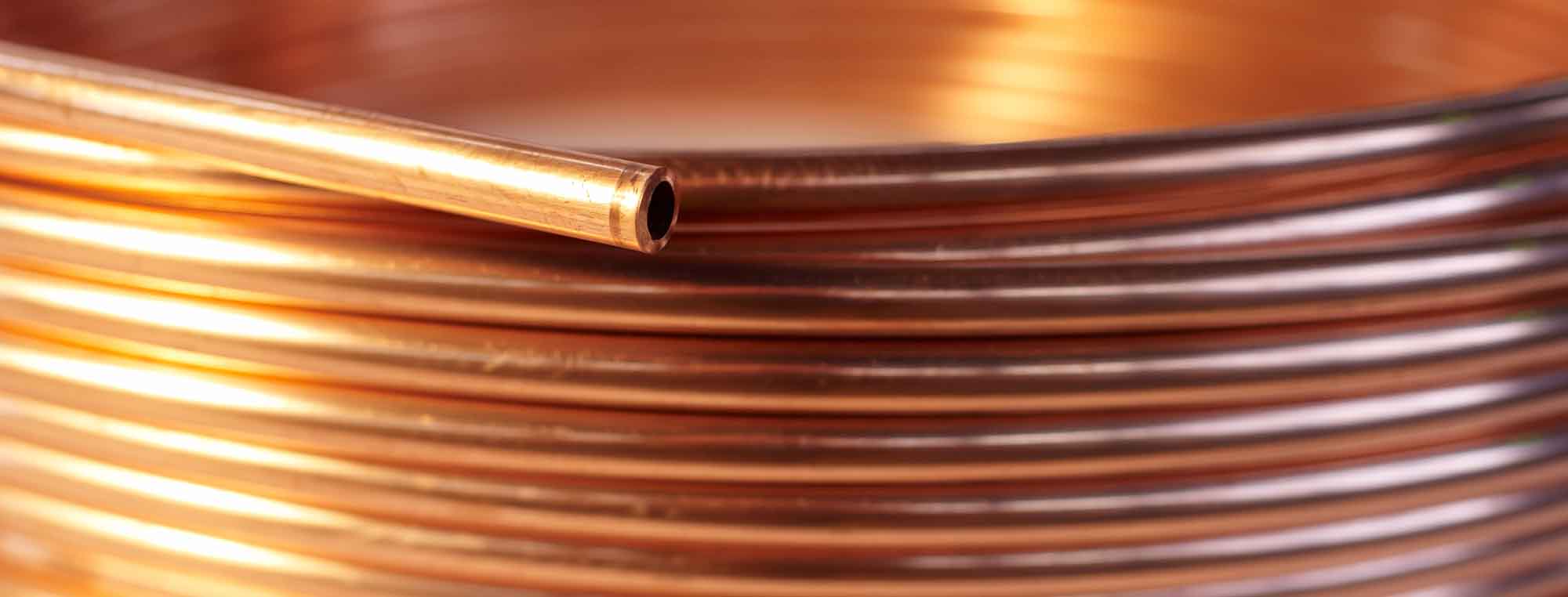
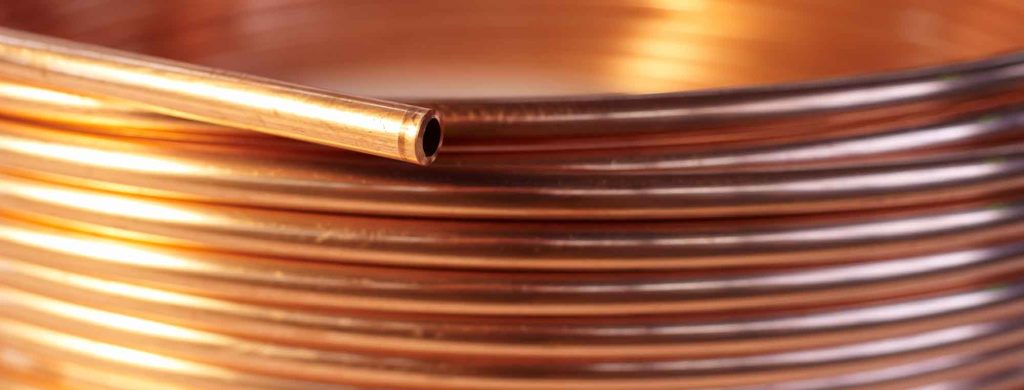
An immersion chiller is a coil of metal tubing. You place the coil directly into the hot wort. Cold water flows through the tubing.
Heat moves from the wort into the tubing. The hot water then leaves through the other end of the tubing. Immersion chillers are simple. They are also easy to use.
For many homebrewers, an immersion chiller is the best first wort chiller.
When Should I Put an Immersion Chiller in the Kettle?
The chiller should be sanitized before it contacts the wort. One common method is to put the immersion chiller into the boiling wort near the end of the boil. The heat sanitizes the outside of the chiller.
Follow the instructions for your equipment. Do not put a dirty chiller into cooled wort. That can introduce microorganisms.
What Is a Counterflow Chiller?
A counterflow chiller uses two separate paths. Hot wort flows through one path. Cold water flows through another path in the opposite direction. Heat transfers from the wort to the cold water.
The wort can leave the chiller at a much lower temperature. Counterflow chillers can cool wort quickly. They can also save space.
However, they have more parts than a basic immersion chiller. They also require more careful cleaning.
What Is a Plate Chiller?
A plate chiller uses thin metal plates. Hot wort flows through channels between the plates. Cold water flows through separate channels.
The large surface area allows heat to transfer quickly. Plate chillers can cool wort very quickly. They are also compact. The main concern is cleaning.
Wort can leave organic material inside the chiller. A plate chiller must be cleaned and sanitized properly.
What Is an Ice Bath?
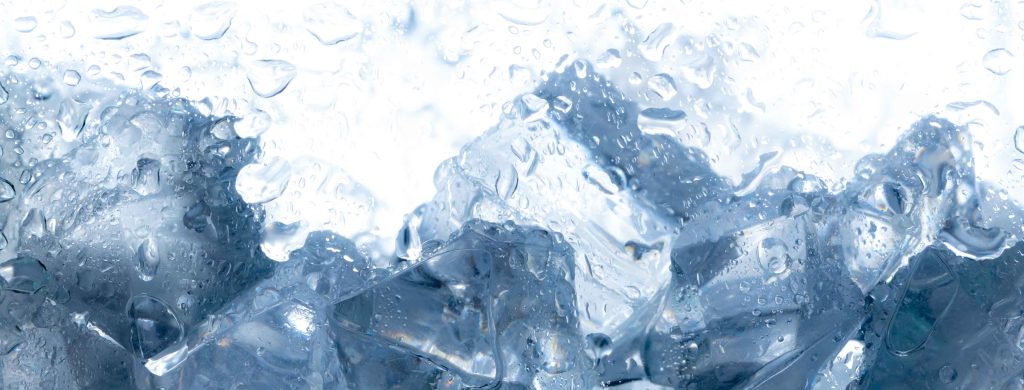
An ice bath is one of the simplest ways to cool wort. Put the kettle into a sink, tub, or other suitable container. Add cold water around the kettle. Add ice.
The cold water removes heat from the kettle. The ice keeps the water cold. You can stir the wort gently to help distribute heat. But be careful not to splash or introduce anything into the wort.
Is an Ice Bath Good for Small Batches?
Yes. An ice bath can work very well for small batches.
If you make one-gallon batches, you may not need a wort chiller. A sink full of cold water and ice can cool a small kettle effectively.
This is one reason new brewers should not assume that they need to buy every piece of brewing equipment immediately. Start with the equipment that solves a real problem for your batch size.
Can I Put Ice Directly Into the Wort?
Usually, no. Do not put ordinary ice directly into your wort. The ice may not be sanitary.
It can also introduce unwanted water, chemicals, or microorganisms. Instead, put the ice around the outside of the kettle.
If you want to add water or ice directly to wort, it must be made from a sanitary source and used as part of a planned brewing method.
Can I Use Cold Water to Cool the Wort?
Yes. A sink filled with cold water can help cool a small batch.
Change the water when it becomes warm. Add ice when needed.
You can also place the kettle in a larger container filled with cold water. Do not allow the cooling water to enter the wort.
What Is No-Chill Brewing?
No-chill brewing is a brewing method where you do not actively cool the wort after the boil. Instead, you transfer the hot wort into a suitable heat-resistant container.
The container is sealed. The wort cools naturally over time. The wort may take many hours to reach fermentation temperature.
No-chill brewing can eliminate the need for a wort chiller. It can also significantly reduce water use.
Is No-Chill Brewing Safe?
It can be safe when done correctly. The container must be designed to handle hot wort. It must also be suitable for food contact.
Do not pour boiling wort into a container that can melt, deform, or release unwanted chemicals. The container should be able to handle the temperature.
Good sanitation is still important. The hot wort can sanitize the interior of a suitable container.
However, equipment that contacts the wort before or after this step must still be clean and sanitary.
Does No-Chill Change the Beer?
It can. The wort remains hot for much longer. This can affect hop bitterness and hop flavor.
Some hop compounds continue to be extracted while the wort remains hot. Brewers who use no-chill methods may adjust their recipes. They may reduce late-boil hop additions. They may also use different hopping techniques.
No-chill brewing is not simply the normal brewing process without the chiller. It can require recipe adjustments.
Can I No-Chill in the Kettle?
You can allow wort to cool in the kettle.
However, the kettle must be protected from contamination. A kettle is not always an ideal long-term storage container.
You also need to consider whether the kettle can be covered safely. A suitable no-chill container can make the process easier. Do not seal a container that is not designed to handle pressure.
What Is a No-Chill Cube?
A no-chill cube is a heat-resistant plastic container designed for holding hot wort.
The hot wort is transferred into the container. The container is filled as much as practical to reduce the amount of air. The container is sealed. The wort then cools slowly.
Not every plastic container is suitable for this process. Use a container that is specifically designed for high-temperature food contact.
How Long Does No-Chill Take?
It depends on:
- The amount of wort.
- The container.
- The starting temperature.
- The surrounding temperature.
- The shape of the container.
A small batch can cool faster than a large batch. A sealed container may remain warm for many hours.
Do not pitch yeast based on a fixed time. Measure the temperature with a thermometer. Add yeast when the wort reaches a suitable temperature for your yeast.
Can I Use an Ice Bath Instead of a Wort Chiller?
Yes. An ice bath is a good alternative.
It costs very little if you already have a suitable sink or container. The disadvantage is that it can take longer. It also becomes less practical as the batch gets larger.
A five-gallon kettle contains a lot of heat. Cooling it with ice can require a significant amount of ice and water.
What About Adding Cold Water?
Partial-boil extract brewers often use cold water to bring the wort to its final volume.
This can cool the wort quickly. For example, you can boil a smaller volume of wort and then add cold water. This is a traditional extract brewing method. The water should come from a safe source. If the water is not already treated for brewing, it should be suitable for drinking and brewing.
Can I Put the Whole Kettle in the Refrigerator?
Do not put a very hot kettle into a refrigerator. The heat can raise the temperature inside the refrigerator. It can also damage the refrigerator or the kettle.
A refrigerator is better used after the wort has cooled enough for the equipment. For controlled fermentation, a dedicated fermentation refrigerator or temperature-controlled chamber can be useful.

How Cold Does Wort Need to Be Before I Pitch Yeast?
The correct temperature depends on the yeast. Different yeast strains have different recommended temperature ranges. Follow the instructions for your yeast and do not assume that every yeast should be pitched at the same temperature.
For most standard ale yeast, the wort is usually cooled to the yeast’s recommended fermentation range.
Lager yeast often requires a lower temperature.
A thermometer is the correct tool for checking the wort. Do not estimate the temperature by touching the kettle.
What About Cold Break?
Cold break occurs when proteins and other compounds come out of solution as wort cools. A wort chiller can produce a fast temperature drop. This can help form a strong cold break.
No-chill brewing produces a different cooling process.
The effect on the finished beer can vary. You do not need to produce a perfect cold break to make good beer. It is one factor among many in the brewing process.
Does a Wort Chiller Save Time?
Usually, yes.
An immersion chiller can cool a batch much faster than an ice bath. A counterflow or plate chiller can cool wort even faster in the right setup.
This can make brew day shorter. For many brewers, the main reason to buy a wort chiller is convenience. You are buying time as much as you are buying equipment.
Does a Wort Chiller Save Water?
Not necessarily. An immersion chiller can use a large amount of water. The exact amount depends on the water temperature, flow rate, chiller design, and batch size.
You can collect the warm water and use it for:
- Cleaning.
- Washing equipment.
- Watering plants after it has cooled and if appropriate.
- Other household uses.
A recirculating chilling system can also reduce water use. For example, some brewers pump ice water through the chiller.
What Is the Best Cooling Method for a Beginner?
There is no single answer.
- For small batches, an ice bath can be excellent.
- For regular five-gallon batches, an immersion wort chiller is often the simplest upgrade.
- For brewers who want very fast cooling and already have pumps and other equipment, a counterflow or plate chiller can make sense.
- For brewers who want to minimize equipment and water use, no-chill brewing can be a good option.
Choose the method that fits your brewing style.
What Equipment Do I Actually Need?
A basic extract brewer may need no dedicated wort chiller.
A simple setup can include:
- A brewing kettle.
- A sink or cooling container.
- Ice.
- A reliable thermometer.
- A sanitized fermenter.
An all-grain brewer may benefit more from:
- An immersion wort chiller.
- A hose.
- A temperature-resistant transfer setup.
- A thermometer.
- A suitable fermenter.
More advanced systems may use:
- A counterflow chiller.
- A plate chiller.
- A pump.
- A recirculation system.
- A temperature controller.
You can add equipment as your brewing process becomes more advanced.
How Should I Choose?
Consider these questions:
How large are your batches?
Small batches are easier to cool with an ice bath.
How often do you brew?
Frequent brewers may benefit from the speed of a wort chiller.
How cold is your tap water?
Cold groundwater can make an immersion chiller very effective.
Warm tap water can make chilling much slower.
Do you want to reduce water use?
No-chill brewing or an ice-water recirculation system may be useful.
Do you want the simplest setup?
An immersion chiller is easier to understand than a plate or counterflow system.
Do you want the least equipment?
An ice bath or no-chill method may be better.
The Bottom Line
No, you do not need a wort chiller to make beer.
It is a useful piece of equipment, but it is not a requirement. For small batches, an ice bath can work well. For larger batches, an immersion wort chiller can save a lot of time.
Counterflow and plate chillers can provide very fast cooling for more advanced brewing systems.
No-chill brewing removes the need for active cooling altogether.
Each method has advantages and disadvantages.
The best choice is the one that fits your batch size, equipment, water supply, and brewing process. If you are just starting, do not feel that you need to buy a wort chiller immediately. Try the simplest cooling method that works for your batch. Upgrade when cooling becomes a problem.