If you are new to homebrewing, you may hear that you need two fermenters.
The first fermenter is for primary fermentation.
The second fermenter is for secondary fermentation.
This has been a common homebrewing practice for many years. But do you actually need a secondary fermenter?
For most beginners, no.
Many beers, wines, meads, and ciders can remain in the primary fermenter until they are ready for packaging. Secondary can still be useful in some situations, even when usually there’s no actual fermentation happening in secondry. The key is knowing when it helps and when it creates more work.

What Is a Secondary Fermenter?
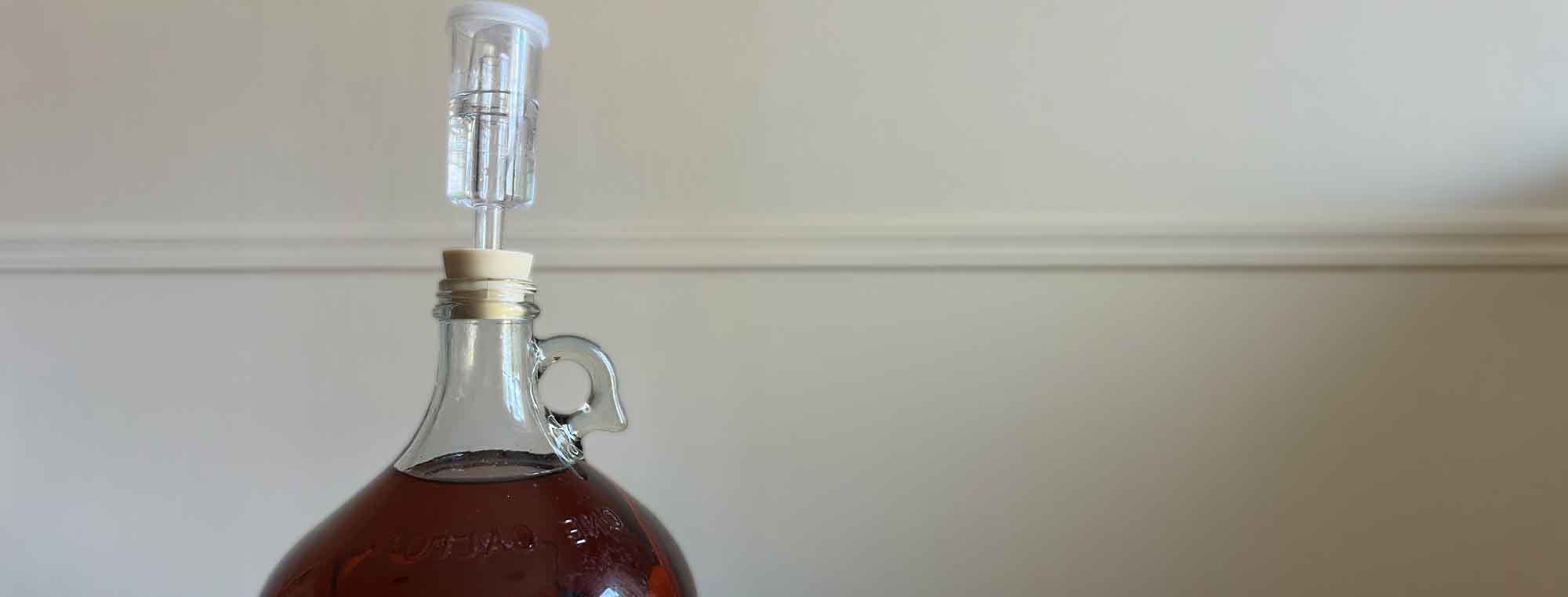
A secondary fermenter is a second vessel used after primary fermentation.
You transfer the fermented beverage from the primary vessel into the secondary vessel. The goal is usually to separate the beverage from sediment, reduce headspace, add ingredients, or allow the beverage to mature.
The term secondary fermentation can be confusing. Moving a beverage to another vessel does not automatically mean that a second fermentation will happen. In many cases, the beverage is simply transferred to a new vessel for aging or further processing.
What Is Primary Fermentation?
Primary fermentation is the main period when yeast converts sugar into alcohol. During this stage, yeast is very active. The fermenter may contain a thick layer of foam and a large amount of carbon dioxide can also be produced.
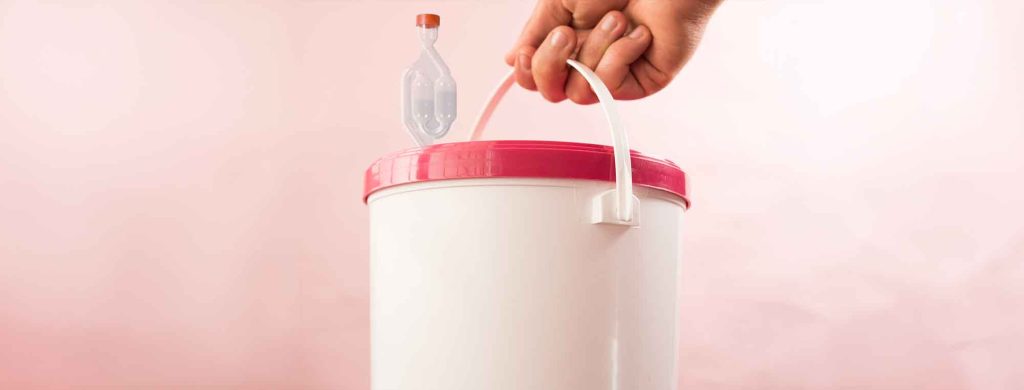
Primary fermentation usually requires more headspace. A blowoff tube can be useful if fermentation is very active.
What Happens in Secondary?
After primary fermentation slows, the beverage contains less active yeast and less suspended material. The beverage can then be transferred to another vessel.
Secondary can be used for:
- Aging.
- Clarification.
- Fruit additions.
- Long-term storage.
- Oak additions.
- Spice additions.
- Reducing the amount of sediment in the vessel.
The beverage can remain in secondary for days, weeks, or months. The correct time depends on the recipe and process.
Do I Need Secondary for Beer?
Usually, no. Modern homebrewers often leave beer in the primary fermenter until packaging. This can reduce the number of transfers.
Fewer transfers mean fewer opportunities for:
- Oxygen exposure.
- Contamination.
- Spills.
- Lost beer.
If the beer is ready to package, you can often package it directly from the primary fermenter.
Why Did Brewers Use Secondary Fermentation?
There are several historical reasons.
Older brewing practices often used secondary vessels to improve clarity. Brewers also believed that beer needed to be removed from the yeast cake after a certain period. Modern brewing knowledge has changed.
Healthy beer can often remain on the yeast sediment for much longer than older homebrewing advice suggested. This does not mean that secondary fermentation is useless. It means that it is not automatically required.
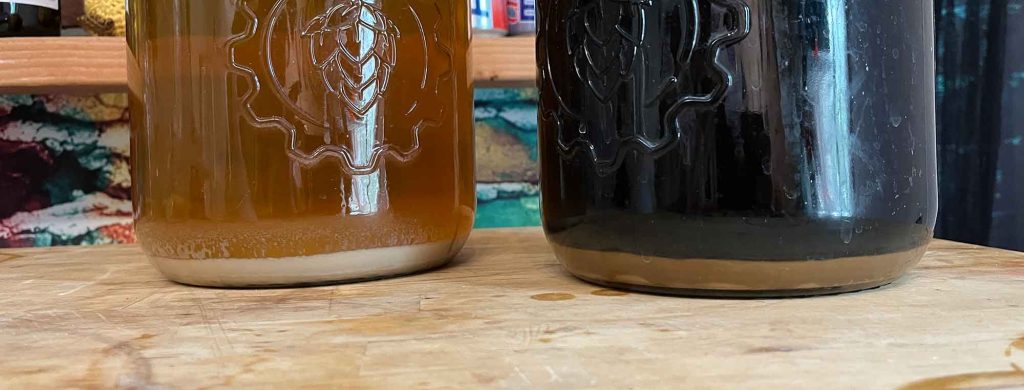
Can Beer Sit on the Yeast?
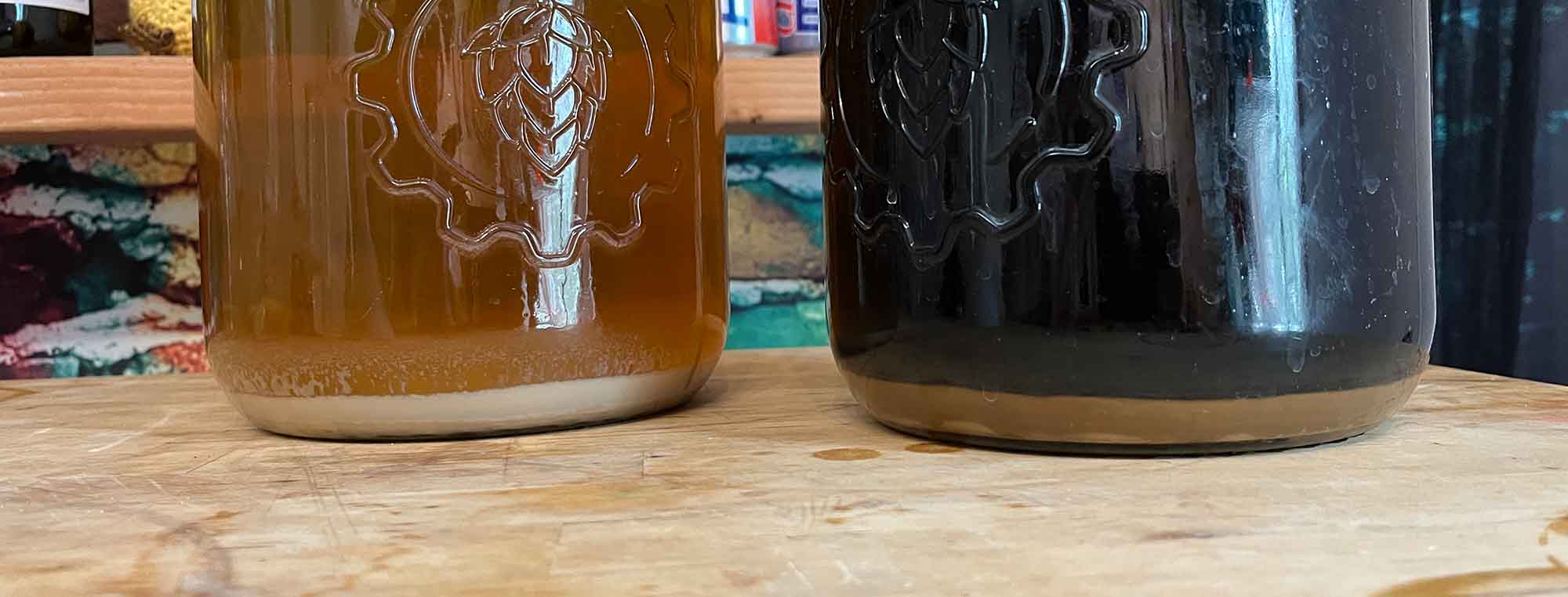
Yes. For normal homebrew, beer can usually remain on the yeast sediment after primary fermentation.
Modern yeast strains are generally well suited to this process. The idea that beer must be moved away from yeast immediately after fermentation is complete is often overstated. However, extremely long storage can create different considerations.
Recipe, temperature, yeast health, and fermentation conditions all matter.
Do I Need Secondary for Mead?
Mead is a different situation. Mead often benefits from a secondary vessel. A mead may take a long time to ferment, clarify, and mature.
Moving mead to a smaller vessel after primary fermentation can also reduce headspace. This is important because mead can spend weeks or months in secondary.
A properly sized carboy or other secondary vessel can help protect the mead from oxygen. Secondary is not required for every mead. However, it is a useful part of many mead-making processes.
Do I Need Secondary for Wine?
Wine is often transferred to secondary. Wine may require extended aging. A secondary vessel can allow the wine to separate from sediment. It can also provide a convenient vessel for aging.
When wine will remain in a vessel for a long time, headspace becomes important. A vessel that is too large can leave excessive air above the wine. A properly sized carboy is often a better choice.
Do I Need Secondary for Cider?
Cider can be made without a secondary fermenter. You can often leave cider in the primary fermenter until fermentation is complete and then package it.
However, secondary can be useful if you want to:
- Clarify the cider.
- Age the cider.
- Add fruit.
- Add spices.
- Reduce sediment.
- Store the cider for an extended period.
As with wine and mead, minimizing unnecessary headspace is important during long-term storage.
Does Secondary Make Beer Clearer?
It can help remove some sediment. However, transferring beer to secondary is not the only way to make clear beer.
Other methods include:
- Cold crashing.
- Fining.
- Good fermentation practices.
- Time.
- Proper yeast selection.
- Careful packaging.
A secondary fermenter is not a guaranteed clarity solution. Transferring beer can also create oxygen exposure. For many beers, the benefit is not worth the additional transfer.
Does Secondary Increase Alcohol Content?
Not by itself. Moving the beverage into a second vessel does not create alcohol. Alcohol increases only when yeast continues to ferment fermentable sugars. If fermentation is complete, transferring the beverage does not increase its alcohol content.
The term “secondary fermentation” can make this confusing. The vessel does not determine whether fermentation occurs. Yeast and fermentable sugars do.
When Is Secondary Useful?
Secondary can be useful when you have a specific reason to use it.
Examples include:
Long-Term Aging
Mead and wine may benefit from extended aging.
A secondary vessel can provide a controlled environment for this process.
Fruit Additions
Fruit can take up significant space.
A secondary vessel can provide room for fruit and the resulting fermentation.
Oak
Oak cubes, spirals, or other oak products can be added during secondary.
This can allow you to control the aging process.
Spices
Spices can be added during secondary when the recipe calls for them.
Large Amounts of Sediment
If a large amount of sediment remains after primary fermentation, transferring the beverage can produce a cleaner vessel for aging.
What Are the Disadvantages of Secondary?
The biggest disadvantage is that you have to transfer the beverage.
Every transfer creates additional risk.
Oxygen Exposure
Splashing can introduce oxygen. This can cause oxidation.
The risk becomes more important after primary fermentation.
Contamination
Every transfer gives microorganisms another opportunity to enter the beverage.
Good sanitation reduces this risk.
Lost Beverage
Sediment stays behind. So does some good beverage.
The more transfers you make, the more liquid you can lose.
More Equipment
You need another fermenter.
You may also need:
- A siphon.
- Transfer tubing.
- A racking cane.
- A carboy.
- A bung.
- An airlock.
- Sanitizer.
The extra equipment costs money and takes time to clean.
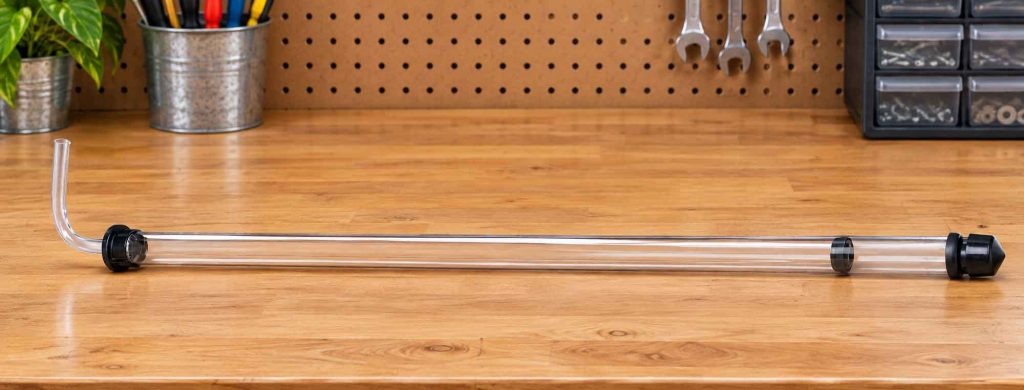
What Equipment Do I Need for Secondary?
If you decide to use secondary, keep the setup simple.
Useful equipment includes:
- A properly sized secondary fermenter.
- A siphon or auto-siphon.
- Sanitized transfer tubing.
- A stopper or bung.
- An airlock.
- No-rinse sanitizer.
- A hydrometer.
A wine thief can also be useful for checking the beverage without opening the vessel more than necessary.
Choose a secondary vessel that is close to the volume of the beverage. This reduces unnecessary headspace.
What Size Should My Secondary Fermenter Be?
The secondary fermenter should be close to the amount of liquid you have.
For example, a five-gallon batch does not always belong in a six-gallon secondary vessel. The extra space contains air. During long-term aging, that air can cause oxidation.
Smaller vessels can be useful when the batch volume has decreased. Many homebrewers keep several sizes of carboys and jugs for this reason.
Should I Rack to Secondary Immediately?
Usually, no. Do not transfer simply because the airlock has slowed. First confirm that primary fermentation is complete or that the recipe specifically calls for an earlier transfer.
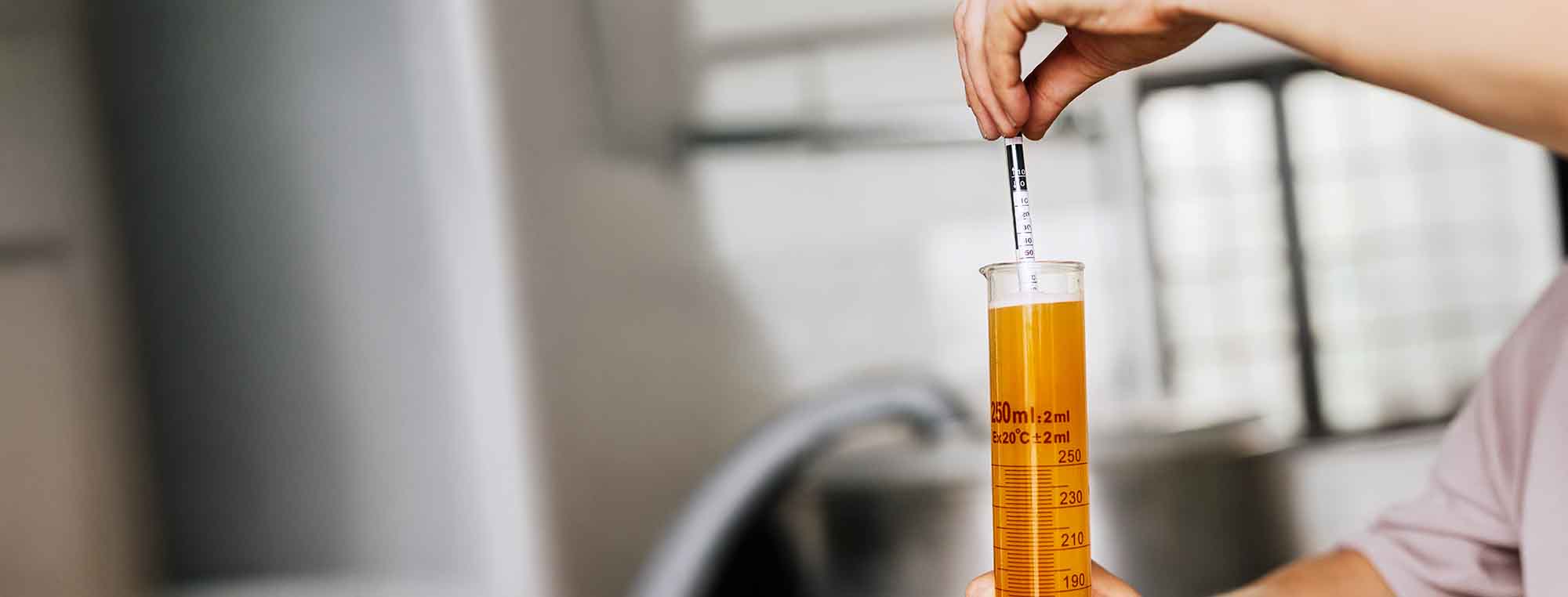
Use a hydrometer.
Take a reading.
Take another reading days later.
Stable readings provide evidence that fermentation has finished. If you transfer too early, fermentation can continue in the secondary vessel. That may be intentional. Though it may also create unexpected pressure or fermentation problems.
Can I Transfer Before Fermentation Is Complete?
Yes, in some processes. Some wine and mead methods use staged transfers. Some brewers transfer beer while fermentation is still active.
However, this requires an understanding of the recipe and fermentation process. For beginners, waiting until primary fermentation is complete is usually simpler.

How Do I Transfer to Secondary?
Clean and sanitize all equipment first.
This includes:
- The secondary fermenter.
- The siphon.
- The tubing.
- The stopper.
- The airlock.
Place the primary fermenter above the secondary vessel. Start the siphon. Keep the transfer tubing below the surface of the liquid in the secondary vessel when practical. Avoid splashing.
The goal is to transfer the beverage with as little oxygen exposure as possible. When the transfer is complete, install the stopper and airlock.
Should I Siphon From the Bottom?
Do not intentionally disturb the sediment. Place the siphon intake above the sediment layer. This allows you to transfer clear liquid while leaving most of the sediment behind.
You will lose some liquid. That is normal.
Trying to recover every drop can result in more sediment in the secondary vessel.
What If I Do Not Have a Secondary Fermenter?
You can still brew. For many beers, you do not need one. For wine and mead, you can use the primary vessel for longer if the vessel and process are suitable.
You can also buy a smaller fermenter later if you decide that secondary fermentation is useful for your recipes. You do not need to build a complete multi-vessel setup before you make your first batch.
Can I Use a Glass Carboy?
Yes. Glass carboys are popular for secondary fermentation.
They are easy to see through. They are also resistant to oxygen transfer. However, glass is heavy and can break.
A full glass carboy can be difficult to move safely. Use care when handling one.
Can I Use a Plastic Carboy?
Yes. Food-safe plastic fermenters can work well for secondary fermentation.
Plastic is lighter than glass. However, some plastics can allow small amounts of oxygen to pass through over time. This is more important for long-term aging.
Check the manufacturer’s specifications for the vessel.
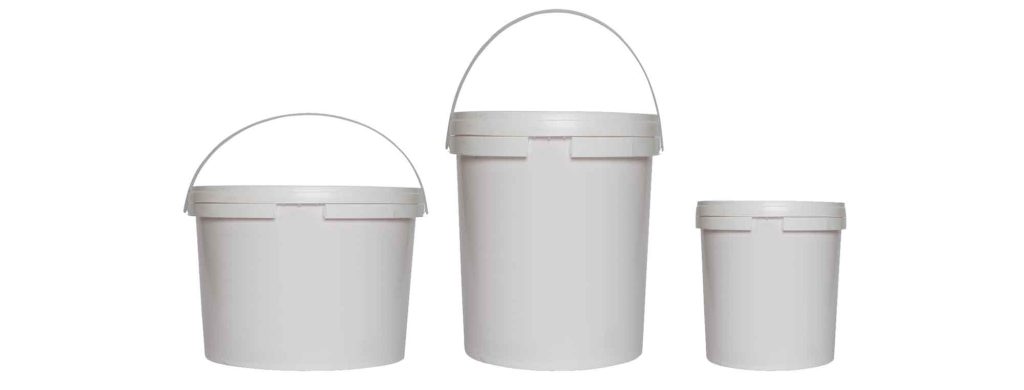
Can I Use a Bucket for Secondary?
You can.
However, a bucket may have more headspace than you want. Bucket lids can also allow more oxygen transfer than some other fermentation vessels. For short secondary periods, this may be acceptable.
For long-term wine or mead aging, a properly sized carboy or other suitable vessel may be better.
What About Stainless Steel?
Stainless steel is an excellent fermentation material. A stainless fermenter can provide good oxygen protection. It is durable and easy to clean when properly designed.
The disadvantage is cost. You also cannot see through it. For many beginners, plastic or glass provides a lower-cost way to start.
Do I Need an Airlock on Secondary?
Yes. If fermentation can continue, use an airlock.
Even if fermentation is nearly complete, an airlock helps protect the beverage from outside air and contaminants. Fill the airlock with an appropriate liquid. Check it periodically.
A three-piece airlock or S-shaped airlock can work well.
What If I Add Fruit in Secondary?
Fruit can restart fermentation, as the fruit contains sugars. Yeast can consume those sugars and produce carbon dioxide.
This means you need enough headspace for renewed fermentation. A blowoff tube can be useful.
Do not assume that fermentation is finished simply because the original fermentation was complete.
Do I Need Secondary for Dry Hopping?
Usually, no.
Dry hops can often be added directly to the primary fermenter after fermentation. This avoids an unnecessary transfer. You can dry hop in secondary if your process requires it.
However, transferring beer simply to dry hop it can increase oxygen exposure.
Do I Need Secondary for Cold Crashing?
No. You can cold crash beer in the primary fermenter. If the vessel can handle the pressure change, this is often simpler than transferring first.
Be aware that cold crashing can create negative pressure. This can cause airlock suck-back. A properly designed setup can reduce this risk.
Does Secondary Remove All Sediment?
No. A secondary vessel can reduce the amount of sediment. It does not guarantee completely clear beer, wine, mead, or cider.
Yeast and other particles can continue to settle. Time, cold temperatures, finings, and other methods can also improve clarity.
The Bottom Line
No, most homebrewers do not need a secondary fermenter.
For many beers, leaving the beverage in the primary fermenter until packaging is simpler and can reduce oxygen exposure, contamination risk, equipment, and beer loss.
Secondary fermentation can still be useful.
It can make sense for:
- Long-term aging.
- Mead.
- Wine.
- Some ciders.
- Fruit additions.
- Oak or spice additions.
- Processes that require separation from heavy sediment.
If you use a secondary fermenter, choose a vessel that is close to the amount of liquid you have. Keep it clean and sanitized. Avoid splashing during transfer. And use an airlock.
Importantly, minimize headspace, especially during long-term aging.
The basic rule is simple:
Do not transfer to secondary because you think you have to. Transfer because you have a specific reason to do it.
For most beginners, one good fermenter is enough to get started.