A one-gallon batch is a great way to start homebrewing.
You use less ingredients. You need less equipment. You can try more recipes without making five gallons of the same beer.
The fermenter is one of the most important pieces of equipment.
You have several good options. But the best one-gallon fermenter depends on what you make and how you brew.
For most beginners, a one-gallon wide-mouth jug or a two-gallon bucket is an excellent choice.
Why Use a One-Gallon Fermenter?
A one-gallon fermenter is useful for small batches.
It works well for:
- Mead
- Cider
- Fruit wine
- Beer
- Experimental recipes
- Test batches
Small batches also make it easier to try new ingredients. You can make several different recipes instead of making one large batch.
The smaller size also makes many brewing tasks easier. However, a one-gallon fermenter is not always the best choice.
The Most Important Feature Is Headspace
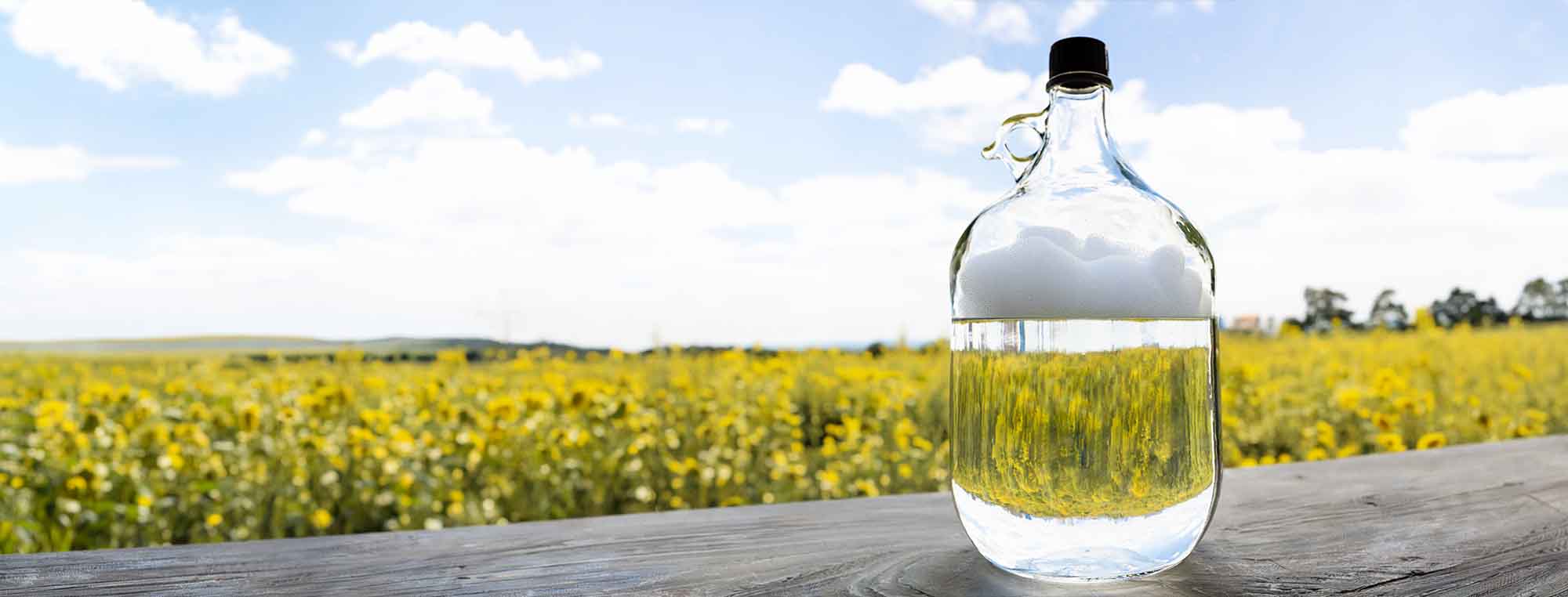
Headspace is the empty space above the liquid in the fermenter. You need some headspace during active fermentation. Yeast produces carbon dioxide. Fermentation can also create foam. This foam is called krausen in beer.
If the fermenter is too full, foam can enter the airlock. It can also push liquid out of the fermenter. A little extra space is useful.
Too much empty space can create problems after fermentation slows.

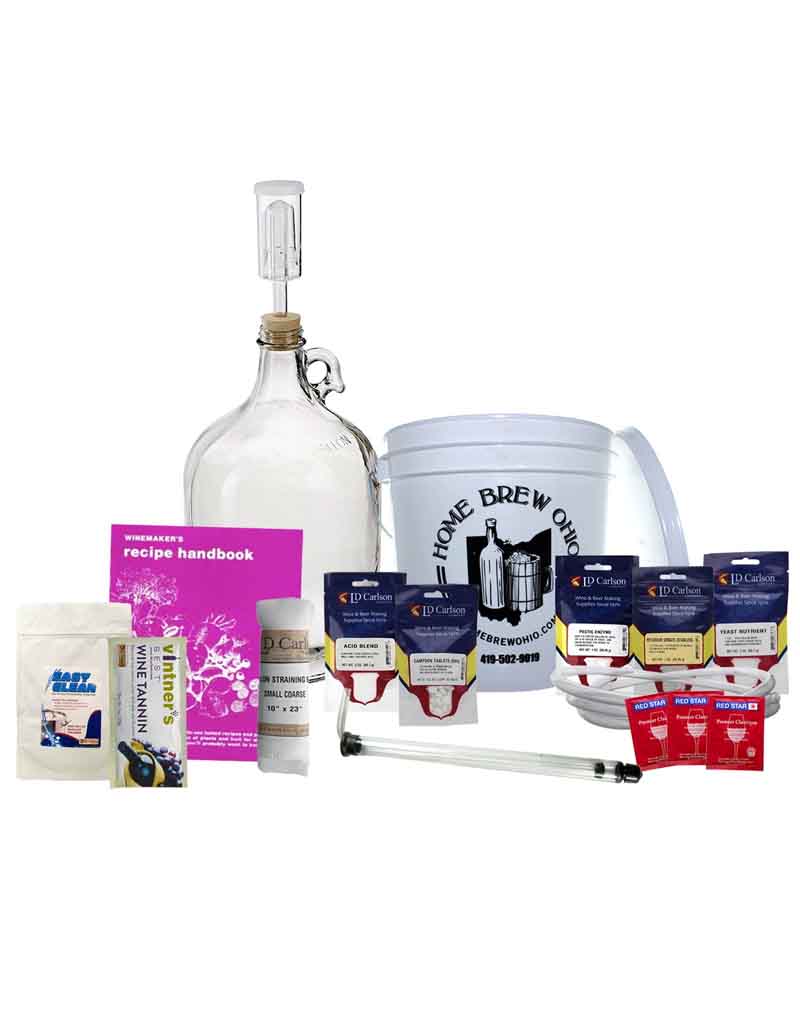
The One-Gallon Glass Jug
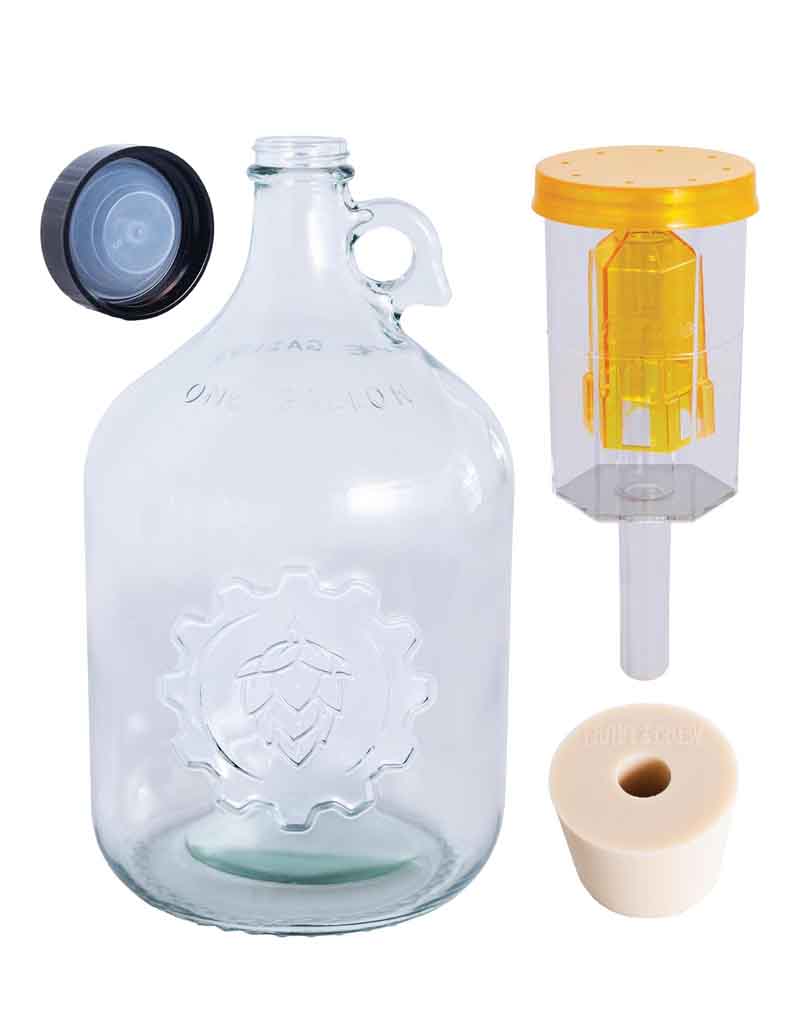
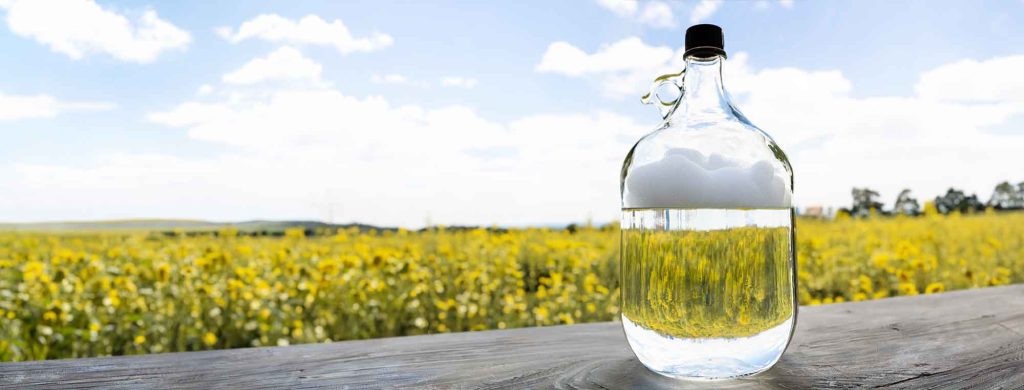
A one-gallon glass jug is one of the most common small fermenters. It is often called a carboy.
Glass has several advantages:
- It does not absorb flavors.
- It does not scratch as easily as plastic.
- It provides a clear view of the fermentation.
- You can see the color.
- You can see the yeast sediment.
- You can also see when the beverage begins to clear.
However, glass has a major disadvantage.
It can break.
A full glass fermenter can be heavy. A wet glass fermenter can also be difficult to hold. Dropping it can create a serious injury risk.
Wide-Mouth Glass Is Better
If you choose glass, a wide-mouth vessel is usually easier to use.
The opening is larger. This makes cleaning easier. It also makes it easier to add fruit or other ingredients.
You can use a brush or other cleaning equipment more easily. A narrow-neck jug can be slightly more difficult to clean. This becomes especially annoying when fruit or dried yeast sticks to the inside.
The One-Gallon PET Fermenter
PET is a type of plastic. Some small fermenters are made from food-safe PET.
PET has several advantages.
- It is lightweight.
- It does not shatter like glass.
- It is easy to move.
- It is a good choice for beginners who do not want to handle glass.
- PET also allows you to see the fermentation.
However, plastic can scratch. Scratches can make cleaning more difficult.
Do not use abrasive cleaning tools on plastic fermenters.
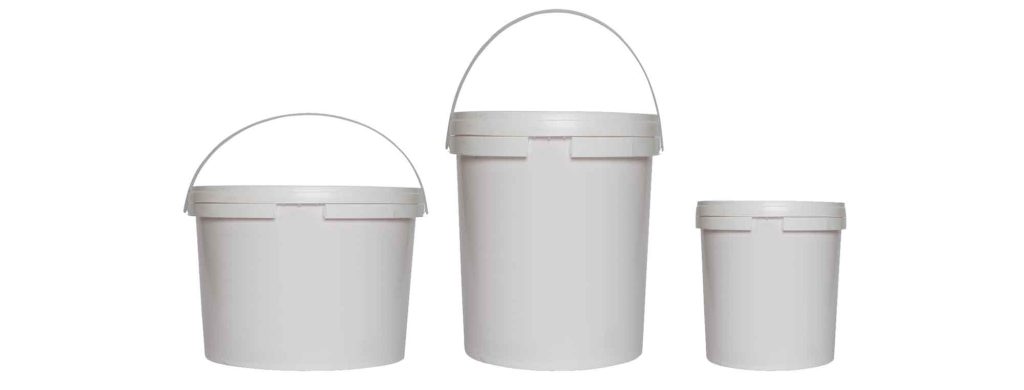
The Two-Gallon Bucket
A two-gallon bucket is one of the best choices for a one-gallon batch.
It may seem too large. It is not.
The extra volume provides useful headspace. This is especially helpful during active fermentation. A two-gallon bucket can hold a one-gallon batch with plenty of room for foam. This can reduce the risk of a messy blowoff.
Why a Bucket Can Be Better Than a Jug
Buckets have a major advantage.
They are easy to clean.
- The opening is large.
- You can easily reach inside.
- You can see the entire interior.
- You can remove dried material without trying to fit a brush through a small opening.
Buckets are also easy to fill. You can add fruit and other ingredients without using a funnel. You can easily remove the lid for cleaning and inspection.
The Two-Gallon Bucket Is Not Too Large
Some new brewers worry that a two-gallon bucket has too much headspace. During active fermentation, this is usually not a problem.
The fermenter fills with carbon dioxide produced by the yeast. The active fermentation also creates a protective layer of carbon dioxide above the beer, cider, wine, or mead.
The situation changes after fermentation becomes quiet. Long-term storage with excessive headspace can increase oxidation risk. This is one reason to transfer a finished beverage to a more appropriately sized vessel when necessary.
Bucket Fermenters Are Especially Good for Primary Fermentation
A bucket is an excellent primary fermenter. Primary fermentation is the most active stage when the yeast produces large amounts of carbon dioxide. Foam can also take up a lot of space. The extra headspace in a two-gallon bucket is useful during this stage.
After primary fermentation, you can transfer the beverage if needed. You can also leave it in the bucket if the vessel and process are appropriate.
What About a One-Gallon Bucket?
A one-gallon bucket can work. However, it provides less headspace.
A one-gallon batch may fill most of the bucket. That leaves less room for foam.
A two-gallon bucket is often more practical. The small increase in size provides much more useful space.
What About a Three-Gallon Bucket?
A three-gallon bucket can also work. It provides even more headspace.
However, the extra space is not always useful for a one-gallon batch. The larger vessel also takes up more storage space. A two-gallon bucket is a good middle ground.
The Narrow-Neck Carboy
Narrow-neck glass carboys are popular for small batches.
They have one major advantage: they limit the surface area of the finished beverage that is exposed to the headspace.
This can be useful for long-term aging. They are especially useful for wine and mead.
The main disadvantage is cleaning. The narrow opening can make cleaning difficult. You may need specialized brushes or cleaning methods.
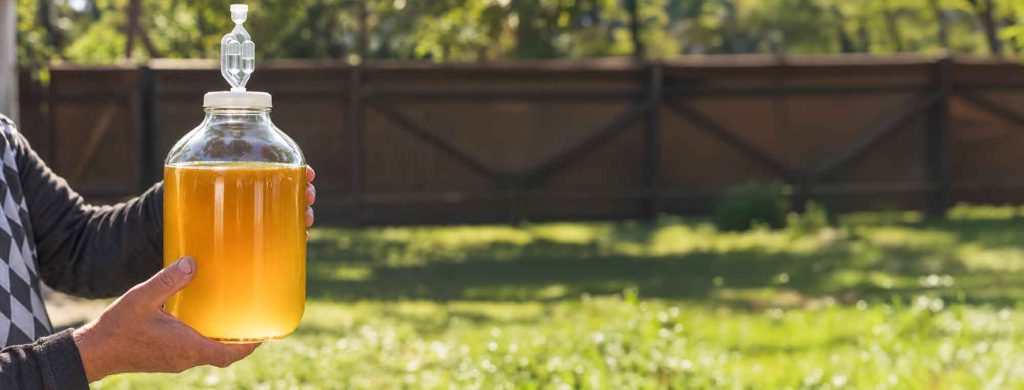
The Wide-Mouth Carboy
A wide-mouth carboy combines some of the advantages of a bucket and a jug.
The opening is large. Cleaning is easier. Adding fruit is easier.
The vessel can still have a compact shape. Wide-mouth plastic carboys are popular for small batches, and they are also easier to handle than glass.
What About Stainless Steel?
Small stainless steel fermenters are available.
Stainless steel is an excellent brewing material.
- It is durable.
- It does not absorb flavors.
- It is easy to clean when used correctly.
- It also blocks light.
The disadvantage is cost. A stainless fermenter can cost much more than a bucket or jug. For a one-gallon batch, the additional cost is usually difficult to justify for a beginner.
What About a Mason Jar?
A large glass jar can work for some fermentation projects – especially kombucha.
However, you need a suitable lid. The lid must allow carbon dioxide to escape, unless you’re making kombucha – which needs some outside air.
A sealed jar can become dangerously pressurized during fermentation. A proper fermentation lid and airlock are a better choice. Do not tightly seal an actively fermenting beverage in a container that is not designed to handle pressure.
What About a Growler?
A growler is not normally a good primary fermenter.
The opening can be too small. Cleaning can be difficult, as the shape can make it difficult to remove sediment.
A growler may work for some specialized fermentation applications. But a purpose-built fermenter is usually a better choice.
What About a Brewing Bucket?
A food-safe brewing bucket is often the simplest answer.
Look for a bucket that is:
- Food safe
- Easy to clean
- Made from suitable plastic
- Equipped with a tight-fitting lid
- Compatible with an airlock
A two-gallon bucket is an excellent size for many one-gallon batches.
What About Fermentation Kits?
Many one-gallon brewing kits include a glass jug. These kits can be a good way to start.
You receive several pieces of equipment at once. You may also receive a recipe or ingredients. The included fermenter may not be the best vessel for every type of beverage.
Do not assume that the fermenter included in a kit is your only option.
What Should I Look For?
A good small fermenter should be:
Easy to clean
This is one of the most important features.
You should be able to clean every surface.
Easy to sanitize
The fermenter should not have hidden areas that are difficult to reach.
Large enough for fermentation
Leave enough space for foam and active fermentation.
Easy to handle
A full fermenter can be surprisingly heavy.
Compatible with an airlock
The fermenter should allow carbon dioxide to escape while limiting exposure to outside contaminants.
Suitable for the beverage
Beer, cider, wine, and mead can have different fermentation and aging requirements.

What Is the Best Fermenter for Mead?
For a one-gallon mead, a two-gallon bucket is an excellent primary fermenter.
- The extra headspace is useful during active fermentation.
- The large opening makes it easy to add honey and nutrients.
- It also makes cleaning easy.
For long-term aging, a smaller narrow-neck vessel can be useful. The choice depends on how long the mead will remain in the vessel.
What Is the Best Fermenter for Cider?
A two-gallon bucket is also a good primary fermenter for cider.
Cider can produce significant foam during active fermentation, so the extra headspace helps. A narrow-neck vessel can be useful after fermentation when the cider is being aged.
What Is the Best Fermenter for Wine?
A bucket is excellent for primary fermentation.
This is especially true when you are working with whole fruit. A large opening makes it easy to add and remove fruit.
After primary fermentation, a narrow-neck carboy can be useful for aging. The smaller headspace can help reduce oxidation risk.
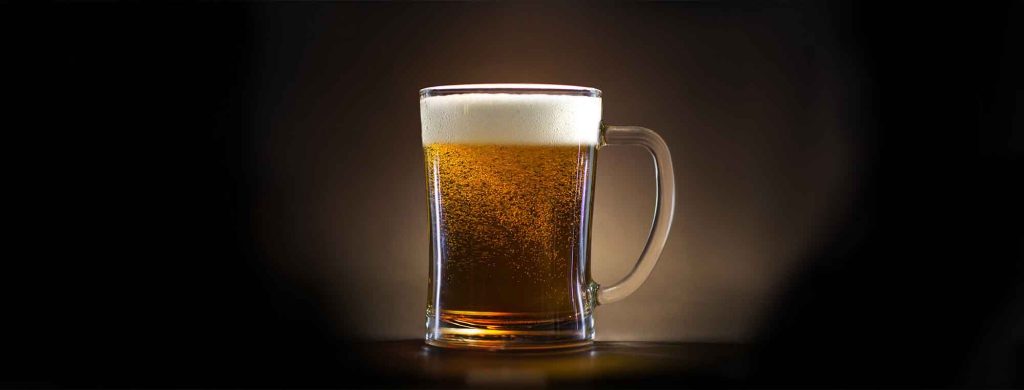
What Is the Best Fermenter for Beer?
A two-gallon bucket works well for one-gallon beer batches.
- It provides enough headspace for krausen.
- It is easy to clean.
- It is also inexpensive.
A wide-mouth PET fermenter is another good choice.
Glass works well too if you are comfortable handling it safely.
Do I Need a Secondary Fermenter?
No. Many homebrewers do not need a separate secondary fermenter. You can often leave the beverage in the primary fermenter until fermentation and conditioning are complete.
Moving the beverage creates another opportunity for oxygen exposure and contamination. Do not transfer a beer, cider, wine, or mead simply because a recipe says that you must use a secondary vessel. Rather, transfer when there is a clear reason to do so.
Do I Need an Airlock?
An airlock is strongly recommended for most small-batch fermentation.
It allows carbon dioxide to escape. It also helps prevent outside air and contaminants from entering the fermenter.
Some fermentation buckets use a three-piece airlock, while others use an S-shaped airlock. Both types can work well!
Do I Need a Blowoff Tube?
Not always.
A blowoff tube can be useful when fermentation is very active. It replaces the airlock with a larger path for gas and foam to escape. This can be especially useful for high-gravity beer or vigorous fermentation, as the larger opening can prevent a clogged airlock.
The Best One-Gallon Fermenter for Beginners
If you are starting from scratch, consider a two-gallon food-safe fermentation bucket.
- It is inexpensive.
- It is lightweight.
- It is easy to clean.
- It has plenty of headspace.
- It works for beer, mead, cider, and wine.
You can also use the same bucket for many future batches.
A wide-mouth PET fermenter is another excellent choice if you prefer a clear vessel.
The Best One-Gallon Fermenter for Aging
For long-term aging, a smaller vessel can be better.
A narrow-neck carboy can reduce headspace. This can be useful for mead and wine. A vessel that closely matches the batch size can reduce the amount of air above the beverage.
You may also use smaller vessels as the batch volume decreases.
The Best Overall Setup
You do not need to choose only one fermenter.
A useful small-batch setup can include:
- Two-gallon bucket for primary fermentation
- One-gallon wide-mouth or narrow-neck vessel for later conditioning
- Airlocks
- Appropriate stoppers or lids
- Auto-siphon or transfer equipment
- Cleaning supplies
- Brewing sanitizer
The bucket handles the messy part. The smaller vessel handles the finished beverage.
This gives you the advantages of both designs.
Cleanliness Matters More Than Material
The best fermenter is not the most expensive fermenter. It is the fermenter that you can clean and sanitize properly.
A cheap bucket that is cleaned correctly can produce excellent beer. An expensive stainless steel fermenter can produce bad beer if it is not cleaned correctly.
The material matters.
The design matters.
Your process matters more.
The Bottom Line
There is no single best one-gallon fermenter.
Each design has advantages.
A two-gallon bucket is the best simple choice for many beginners.
- It provides plenty of headspace.
- It is easy to clean.
- It is inexpensive.
- It works for beer, mead, cider, and wine.
A wide-mouth PET fermenter is an excellent choice if you want a clear and lightweight vessel.
A glass carboy is useful if you want a clear vessel and do not mind the extra weight and breakage risk.
A narrow-neck carboy is useful for aging because it can reduce headspace.
You do not need expensive equipment to make a one-gallon batch. Start with a fermenter that is easy to clean, easy to sanitize, and large enough for active fermentation. For most beginners, that means one simple piece of equipment: a two-gallon fermentation bucket.