
There are several ways to make beer at home.
The main methods are extract brewing, partial mash brewing, and all-grain brewing.
All three methods can make excellent beer.
The main difference is how you get the sugars that the yeast will ferment.
Where Does Beer Sugar Come From?
Malted barley contains starch. Brewers use water and heat to convert these starches into sugars. Yeast then consumes the sugars during fermentation. The brewer can perform this process at home.
The brewer can also buy malt extract that has already gone through this process.
This difference determines the brewing method.
What Is Extract Brewing?
Extract brewing uses malt extract as the main source of fermentable sugar.
Malt extract is concentrated wort. Wort is the sugary liquid that yeast will later ferment into beer. A malt extract manufacturer makes the wort from malted grain. The manufacturer removes much of the water. The result is either a thick syrup or a dry powder.
You add the extract to your brewing water. You then boil the wort and add hops according to the recipe. After the boil, you cool the wort and add yeast. The yeast ferments the wort into beer.

What Do You Need for Extract Brewing?
A basic extract setup can include:
- Brewing kettle
- Malt extract
- Hops
- Brewing yeast
- Water
- Fermenter
- Airlock
- Hydrometer
- Sanitizer
- Bottling or kegging equipment
You do not need a mash tun. You do not need to mash several pounds of grain.
This makes extract brewing a simple way to start brewing.
Advantages of Extract Brewing
Extract brewing has several advantages.
It is simple. You do not need to learn the complete grain-mashing process.
It requires less equipment. You can start with a basic kettle and fermenter.
It takes less time. You can make a batch without a long mash and sparge process.
It works well for small kitchens. You do not need a large vessel for several gallons of hot grain and water.
Disadvantages of Extract Brewing
Extract brewing also has some limitations.
You have less control over the malt character, as the extract manufacturer has already made the wort. Different extracts can also produce different colors and flavors. Older extract can sometimes produce darker or sweeter beer.
Extract brewing also gives you less control over the fermentability of the wort. These limits are not usually a problem for beginners.
Good malt extract can produce very good beer.
What Is All-Grain Brewing?
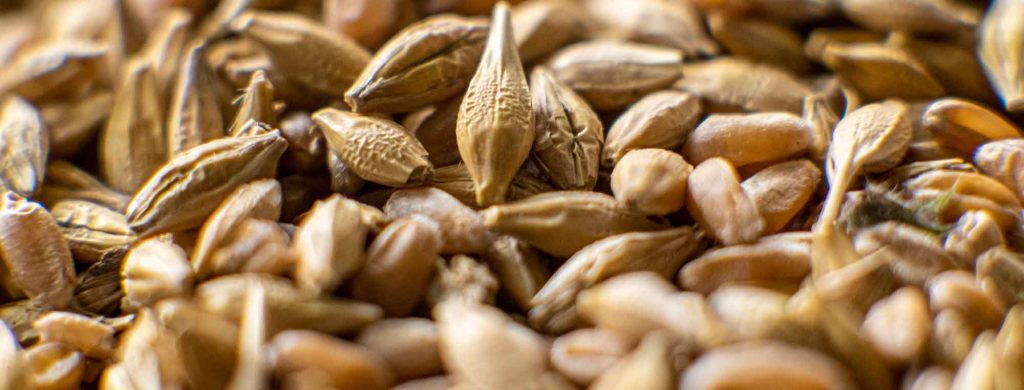
All-grain brewing uses malted grain as the main source of fermentable sugar. You perform the entire mash process yourself.
The basic process is:
- Heat water.
- Mix the water with crushed malted grain.
- Hold the mash at the target temperature.
- Let enzymes convert starch into sugar.
- Separate the wort from the grain.
- Boil the wort with hops.
- Cool the wort.
- Ferment the wort with yeast.
The mash is one of the most important differences between extract and all-grain brewing.
What Happens During a Mash?
Malted grain contains enzymes. These enzymes convert starch into fermentable sugars when the mash is held at the correct temperature.
The brewer mixes crushed grain with hot water. The mixture becomes a thick porridge. The brewer holds this mixture at a target temperature. A common mash temperature is about 150°F (66°C). The exact temperature depends on the recipe.
After the mash, the brewer separates the liquid wort from the grain. The wort then goes into the kettle for the boil.
What Equipment Does All-Grain Brewing Need?
All-grain brewing requires more equipment than extract brewing.
A basic setup can include:
- Brewing kettle
- Mash tun or all-in-one brewing system
- Hot liquor vessel or heating system
- Mash thermometer
- Grain mill or crushed grain
- Lautering equipment
- Hops
- Yeast
- Water
- Fermenter
- Hydrometer
- Sanitizer
- Bottling or kegging equipment
You can make this equipment as simple or as advanced as you want. A cooler can work as a mash tun. A large kettle and a separate bucket can also work for some setups.
Electric all-in-one systems can combine several pieces of equipment into one unit.
What Is Partial Mash Brewing?
Partial mash brewing is between extract and all-grain brewing. It uses both malt extract and mashed grain.
The brewer mashes a smaller amount of grain. The brewer then adds malt extract to provide the rest of the fermentable sugar.
For example, a recipe might use:
- 2 pounds of specialty and base malt
- 5 pounds of liquid malt extract
The grain provides some of the wort. The malt extract provides the rest. This method is also called mini-mash in some recipes.
Why Use Partial Mash Brewing?
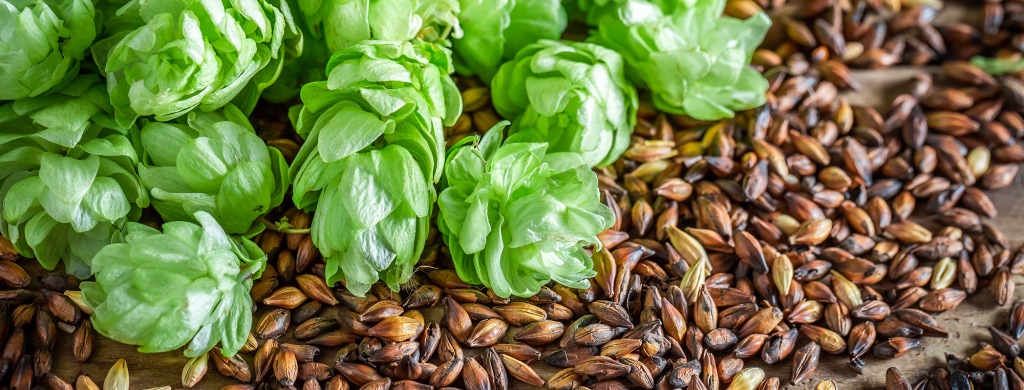
Partial mash brewing gives you more control than extract brewing. You can mash specialty grains and some base malt. This lets you create flavors that may be difficult to achieve with extract alone.
Partial mash brewing can also be useful for recipes with ingredients such as:
- Wheat malt
- Rye malt
- Oats
- Munich malt
- Vienna malt
- Other grains that need to be mashed
You still use malt extract for much of the fermentable sugar. This keeps the process easier than a full all-grain batch.
What Is the Difference Between Steeping Grain and Partial Mash?
This difference can confuse new brewers. Extract recipes often use steeping grains.
You put specialty grains in hot water for a short time. This extracts flavor, color, and some sugars from the grain. You normally do not need to control the mash chemistry as closely.
Partial mash brewing performs an actual mash. The grain contains enough base malt and active enzymes to convert starch into sugar. The brewer controls the mash temperature and time.
A recipe that only uses crystal malt or other specialty grains can often use a steep. A recipe that needs significant starch conversion needs a mash.
Extract vs. Partial Mash vs. All-Grain
| Feature | Extract | Partial Mash | All-Grain |
| Main sugar source | Malt extract | Extract + grain | Grain |
| Mash required | No | Yes | Yes |
| Equipment | Simple | Moderate | More extensive |
| Brew day | Shorter | Moderate | Longer |
| Control | Lower | Moderate | High |
| Recipe flexibility | Good | Very good | Excellent |
| Beginner friendly | Excellent | Very good | Good |
| Grain handling | Little | Some | A lot |
Which Method Should a Beginner Use?
Extract brewing is usually the easiest place to start. You can learn the most important parts of brewing without managing a mash.
You still learn how to:
- Boil wort
- Add hops
- Control fermentation
- Use yeast
- Measure gravity
- Sanitize equipment
- Package finished beer
These skills apply to every brewing method.
Partial mash brewing is a good next step. It lets you learn how a mash works without changing your entire brewing process.
All-grain brewing is a good choice when you want maximum control. It is also a good choice when you enjoy the brewing process itself.

Does All-Grain Beer Taste Better?
Not automatically. All-grain brewing gives you more control. More control does not automatically mean better beer. A poorly made all-grain beer can taste worse than a well-made extract beer.
Extract beer can be excellent when you use fresh ingredients and good brewing practices. Yeast health, fermentation temperature, sanitation, recipe design, and packaging all affect the final beer.
The brewing method is only one part of the process.
Can You Make Any Beer With Extract?
You can make a very wide range of beer with extract.
You can make:
- Pale ales
- IPAs
- Stouts
- Porters
- Wheat beers
- Brown ales
- Amber ales
- Belgian-style beers
- Many other styles
Some recipes are easier with all-grain brewing. Very complex recipes can also become easier to manage with an all-grain system.
Extract brewing does not prevent you from making good beer.
Why Do Brewers Move to All-Grain?
Many brewers move to all-grain because they want more control.
All-grain brewing lets you control the mash.
- You can change the mash temperature.
- You can change the grain bill.
- You can adjust the amount and type of base malt.
- You can control the amount of specialty malt.
- You can also produce your own wort from almost any combination of suitable brewing grains.
For many brewers, this flexibility is the main reason to switch.
Can You Switch Between Methods?
Yes.
You can start with extract brewing. You can then move to partial mash brewing. You can later move to all-grain brewing.
You do not need to make the change.
Many homebrewers continue to use extract because it is convenient. Other brewers prefer all-grain because they enjoy the additional control. There is no requirement to use one method. You’re no less of a brewer for choosing extract or partial mash brewing.
The Simple Answer
Extract brewing uses malt extract that someone else has already made.
Partial mash brewing uses some mashed grain and some malt extract.
All-grain brewing uses mashed grain as the main source of fermentable sugar.
All three methods can produce excellent beer. Extract brewing is usually the easiest starting point. Partial mash brewing is a useful bridge between extract and all-grain brewing. All-grain brewing gives you the most control over the wort.
The best method is the one that fits your equipment, time, and interest.