Sparging is the process of rinsing the grain after the mash.
The goal is to collect more of the sugar that remains in the grain. Sparging can increase the amount of wort that you collect from a given amount of grain. There are several ways to sparge.
The most common methods are:
- Batch sparging
- Fly sparging
- No-sparge brewing
- Dunk sparging
- BIAB sparging
Each method works differently.
Why Do Brewers Sparge?
During the mash, hot water extracts sugars from the grain. The grain absorbs some of the water. Some sugar also remains in the grain after the mash.
Sparging adds more water to the grain. This water rinses additional sugar from the grain. The resulting liquid becomes wort. The wort then goes into the kettle for the boil.
Sparging can improve brewing efficiency. It can also let you use less grain to reach the same target gravity.
What Is Batch Sparging?
Batch sparging is one of the simplest sparging methods.
You drain the wort from the mash tun. You then add a measured amount of hot water to the grain. You stir the water and grain together and let the mixture rest for a short time. Then drain the wort.
You can repeat this process if needed to reach boil volume.
How to Batch Sparge
A basic batch sparge works like this:
- Complete the mash.
- Drain the first wort from the mash tun.
- Add hot sparge water.
- Stir the grain and water well.
- Let the grain rest for about 5 to 10 minutes.
- Drain the wort.
- Repeat if needed.
- Combine the wort in the kettle.
- Start the boil.
The first wort contains a high concentration of sugar. The sparge wort contains less sugar.
The combined wort reaches the target volume and gravity.
Advantages of Batch Sparging
Batch sparging is simple.
It does not require precise control of the water flow. And it is usually faster than fly sparging. It also requires less specialized equipment.
Batch sparging is a good choice for beginners.
What Is Fly Sparging?
Fly sparging is a continuous sparging process. The brewer slowly adds hot water to the top of the grain bed. Wort flows out of the bottom of the mash tun at the same time. The new water moves through the grain.
This process rinses sugar from the grain. The brewer continues until the required amount of wort is collected. Fly sparging can produce high efficiency. But it also requires more control than batch sparging.
How to Fly Sparge
A basic fly sparge works like this:
- Complete the mash.
- Drain enough wort to establish a steady flow.
- Add hot sparge water to the top of the grain bed.
- Maintain a shallow layer of water above the grain.
- Drain wort from the bottom at the same rate.
- Continue until you collect the required amount of wort.
- Stop the sparge.
- Begin the boil.
The goal is to move water evenly through the grain bed.
Avoid creating channels as channels allow water to take the easiest path through the grain and other parts of the grain bed may then receive less water.
Advantages of Fly Sparging
Fly sparging can produce high efficiency.
It can make good use of the grain. It can also give the brewer precise control over wort collection.
Disadvantages of Fly Sparging
Fly sparging takes longer. It requires more equipment.
The brewer must control the water flow and wort flow. Poor technique can also cause channeling.
What Is No-Sparge Brewing?
No-sparge brewing does not use a separate sparge step.
The brewer uses enough water during the mash to reach the required pre-boil volume. The brewer then drains the wort and goes directly to the boil.
This method is simple. It also reduces the number of steps during brew day.
Why Use No-Sparge Brewing?
No-sparge brewing can produce excellent beer. It reduces equipment and work. It also eliminates the need to manage sparge water.
The main disadvantage is lower efficiency. More sugar remains in the grain. You may need to use more grain to reach the same original gravity.
Some brewers accept this lower efficiency because the process is easier.
What Is Dunk Sparging?
Dunk sparging is common with Brew in a Bag systems.
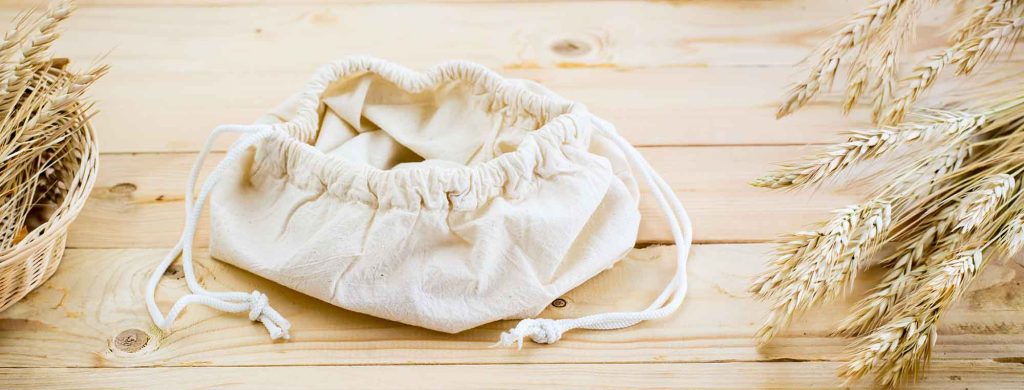
The brewer removes the grain bag from the mash. The brewer then places the bag into a separate container of hot water.
The bag sits in the water for a short time. The brewer may stir the grain. The brewer then removes the bag.
The sparge water becomes part of the wort. The brewer combines it with the main wort before the boil.
Why Use Dunk Sparging?
Dunk sparging can improve the efficiency of BIAB brewing.
It is simple to perform. It also does not require a traditional mash tun – you only need another container that can hold the grain bag and hot water.
A large kettle, cooler, or food-safe bucket can sometimes work. Make sure the container can safely hold hot liquid.
What Is BIAB Sparging?
BIAB brewers have several options.
- You can use full-volume BIAB.
- You can use a separate dunk sparge.
- You can also use a small-volume rinse.
Full-volume BIAB does not require sparging.
The brewer puts most or all of the brewing water into the kettle during the mash. The grain bag is then removed. The wort goes directly to the boil.
Small-Volume BIAB Sparging
A brewer can also reserve some water for sparging. The brewer removes the grain bag after the mash.
The brewer rinses the grain with the reserved hot water. The additional wort goes into the kettle. This can increase efficiency.
It can also reduce the amount of water needed during the mash.
What Is Batch Sparging vs. Fly Sparging?
The main difference is how the water moves through the grain.
Batch sparging adds water all at once.
Fly sparging adds water continuously.
Batch sparging is easier. Fly sparging gives you more control but can also require more time and equipment. Both methods can make excellent beer.
What Temperature Should Sparge Water Be?
Sparge water is usually hot. A common target is around 168°F (76°C).
The exact temperature depends on the brewing system and recipe. Do not assume that hotter water is always better. Water that is too hot can increase the extraction of unwanted compounds from the grain. These compounds can contribute to astringency.
You should also avoid heating the grain bed to excessively high temperatures.

What Is astringency?
Astringency is a dry, puckering sensation in the mouth. It is not the same as bitterness.
Over-sparging can contribute to astringency. Very high sparge temperatures can also contribute to the problem.
The chemistry of the mash and sparge water also matters. Good water treatment can help prevent problems.
When Should You Stop Sparging?
Do not sparge forever. As you rinse the grain, the sugar concentration in the runoff decreases. At some point, additional sparging provides little benefit.
The brewer can stop based on wort volume, gravity, or both. Many brewers monitor the gravity or pH of the runoff. Do not use one universal stopping point for every recipe.
The correct stopping point depends on the brewing system and recipe.
What Is Over-Sparging?
Over-sparging means continuing to rinse the grain after the process is useful. The runoff becomes more dilute as the sugar is removed. Very dilute runoff can also have a higher risk of extracting unwanted compounds. Over-sparging can therefore reduce beer quality. It can also add unnecessary time to the brew day.
Do You Have to Sparge?
No. Sparging is optional.
You can make excellent beer without sparging. No-sparge brewing is a valid method. Full-volume BIAB is also a common no-sparge method.
The main tradeoff is efficiency. You may need more grain to reach your target gravity.
Which Sparging Method Is Best?
There is no single best method.
Choose based on your equipment and brewing goals.
Best for Beginners: Batch Sparging
Batch sparging is simple.
It does not require precise flow control.
It is easy to learn and repeat.
Best for Maximum Efficiency: Fly Sparging
Fly sparging can produce high efficiency.
It requires more attention and equipment.
It can be a good choice for brewers who want to optimize their system.
Best for Simplicity: No-Sparge
No-sparge brewing has fewer steps.
It requires less equipment.
The tradeoff is lower efficiency.
Best for BIAB: Full-Volume or Dunk Sparging
Full-volume BIAB is simple.
Dunk sparging can increase efficiency.
Both methods work well with BIAB.
Can You Sparge With Cold Water?
You can physically rinse grain with cold water. It is not the normal method.
Hot water extracts sugar more effectively. Hot sparge water also keeps the wort closer to the temperature needed for the next brewing step. Use the temperature recommended by your recipe or brewing system.
What Equipment Do You Need for Sparging?
The equipment depends on the method.
Batch Sparging
You may need:
- Mash tun
- Hot water vessel
- Measuring equipment
- Brewing kettle
Fly Sparging
You may also need:
- Hot liquor tank or other hot water vessel
- Sparge arm or water distribution device
- Valves
- Hoses
BIAB Dunk Sparging
You may only need:
- Grain bag
- Brewing kettle
- Second container
- Hot sparge water
No-Sparge Brewing
You do not need separate sparge equipment.
The Simple Answer
Sparging rinses additional sugar from the grain after the mash.
- Batch sparging adds the water in one or more batches.
- Fly sparging adds water continuously while wort drains.
- No-sparge brewing skips the sparge and uses more water during the mash.
- Dunk sparging places the grain bag into a separate container of hot water.
BIAB brewers often use either full-volume brewing or dunk sparging.
All of these methods can produce excellent beer. The best method is the one that gives you the results you want without making your brew day harder than necessary.