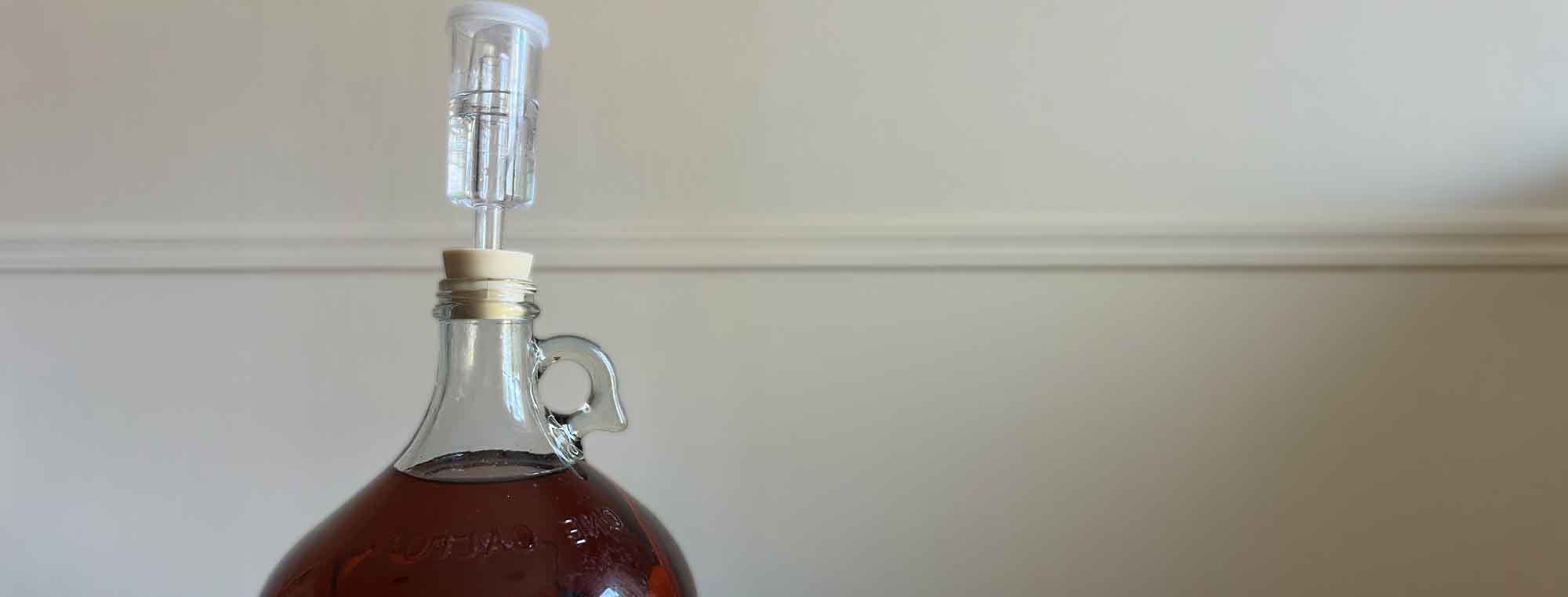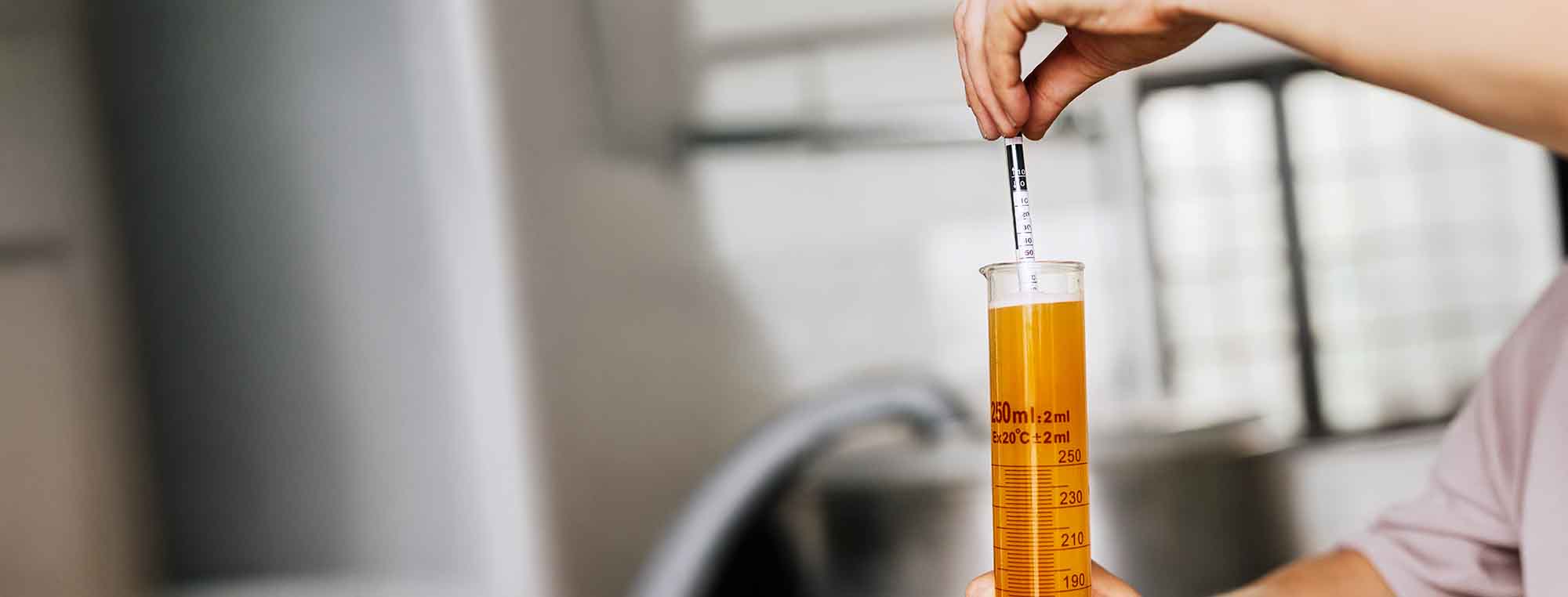
Fining agents are substances that help remove unwanted particles from beer, wine, mead, and cider.
They can make a beverage clearer. Some fining agents also remove compounds that affect flavor, aroma, color, or stability.
Some fining agents are added during the boil. Others are added after fermentation.
No single fining agent is best for every beverage. The best choice depends on what you want to remove.
What Does a Fining Agent Do?
Fining agents help small particles join together. The larger particles then settle to the bottom. This process is called flocculation or sedimentation. The clear beverage can then be transferred away from the sediment.
Some fining agents work by electrical attraction. Others work by absorbing specific compounds. Some remove proteins. Some remove yeast. Still others remove tannins or other phenolic compounds.
Do I Need to Use a Fining Agent?
No. Many beers, meads, wines, and ciders will clear without finings.
Time can allow suspended material to settle naturally. Cold temperatures can also help particles settle. Fining agents can speed up this process.
They can also remove specific compounds that would not settle easily on their own.
Kettle Finings
Kettle finings are added during the boil.
They help remove proteins and other compounds from wort. They are mainly used when brewing beer.
Common kettle finings include:
- Irish moss
- Whirlfloc
- Kettle Pro and similar products
These products are not the same as post-fermentation finings. They work on the wort before fermentation.
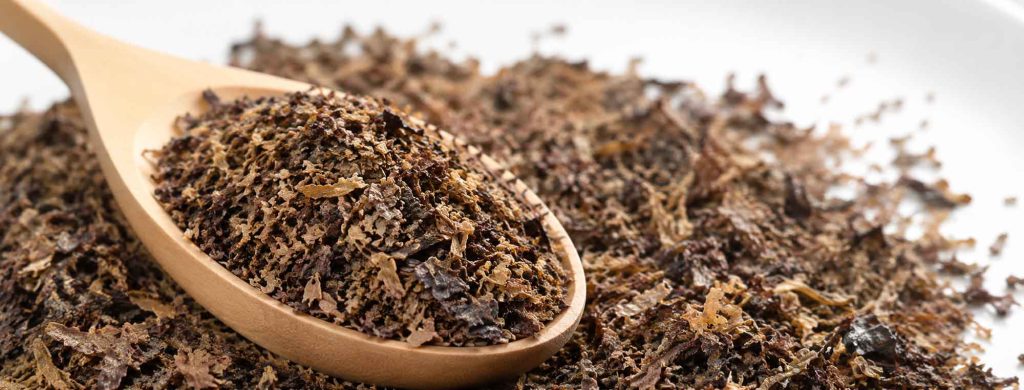
What Is Irish Moss?
Irish moss is a dried seaweed.
Brewers add it during the final part of the boil. It helps proteins and other particles form larger clumps. These clumps can then settle during cooling.
Irish moss can improve wort clarity. It can also help create a more compact layer of sediment in the kettle. Irish moss is inexpensive and easy to use.
What Is Whirlfloc?
Whirlfloc is a concentrated kettle fining product.
It usually comes in tablet form. The tablet is added during the final part of the boil. Whirlfloc helps proteins and other particles form larger clumps. These clumps settle during chilling and whirlpooling.
Whirlfloc is convenient because the dose is simple to measure. For many homebrewers, it is an easy alternative to loose Irish moss.
Are Kettle Finings the Same as Beer Clarifiers?
No. Kettle finings work before fermentation. They help remove material from the wort.
Post-fermentation finings work on finished or nearly finished beer. They can remove yeast, proteins, polyphenols, or other suspended material.
Using a kettle fining does not guarantee perfectly clear beer. It simply improves the separation of some material during brewing.
Post-Fermentation Finings
Post-fermentation finings are added after fermentation. They can help clear beer, wine, mead, and cider. Different products work in different ways.
Common options include:
- Gelatin
- Isinglass
- Kieselsol
- Chitosan
- Bentonite
- Sparkolloid
- Pectic enzyme
- PVPP
- Silica-based finings
Each product has a different purpose.
What Is Gelatin?
Gelatin is a protein-based fining agent. It is commonly used to clear beer.
Gelatin attracts negatively charged particles. These particles then become larger and settle out. Gelatin works especially well on yeast and some haze-forming particles.
It is inexpensive. It is also easy to find.
Advantages of Gelatin
- Fast
- Inexpensive
- Easy to use
- Very effective on many beers
Disadvantages of Gelatin
Gelatin comes from animal collagen. It is therefore not suitable for vegan beverages.
It may also remove some compounds that contribute to beer character or useful tannins in wine, mead, or cider. Use it when clarity is more important than maximum retention of those compounds.
What Is Isinglass?
Isinglass is a fining agent made from collagen obtained from fish.
It has been used for beer and wine clarification for a long time. It is especially effective at removing yeast. Isinglass can produce very clear beer.
It is less common among homebrewers than gelatin.
Advantages of Isinglass
- Very effective on yeast
- Can produce bright beer quickly
- Works at relatively low doses
Disadvantages of Isinglass
It is animal-derived, so it is not suitable for vegan beverages.
It also requires more preparation than some other finings.
What Is Kieselsol?
Kieselsol is a silica-based fining agent. It contains very small particles of colloidal silica. It helps remove proteins and other haze-forming material.
Kieselsol is commonly used in wine and mead. It can also be used in beer. Kieselsol is often paired with chitosan for a dual-action fining.
What Is Chitosan?
Chitosan is a positively charged fining agent.
It is commonly used after kieselsol. The two products work together.
Kieselsol attracts some positively charged haze particles while chitosan attracts negatively charged particles. The combined treatment can remove a wide range of suspended material.
Commercial products often package the two agents as a two-part fining system.
Advantages of Kieselsol and Chitosan
- Very effective
- Fast
- Useful for wine and mead
- Can produce very bright beverages
- Can remove both yeast and haze
Disadvantages
The two-step process adds another step.
Chitosan is commonly made from crustacean-derived material. Check the product information if you need to avoid animal-derived finings.
What Is Bentonite?
Bentonite is a type of clay. It is commonly used in wine and mead.
Bentonite has a negative electrical charge. It attracts positively charged proteins. The resulting particles settle out.
Bentonite is especially useful for protein stabilization. It can also help clear some wines and meads.
When Is Bentonite Used?
Bentonite is often added early in fermentation. But it can also be added later.
Early addition can help remove proteins while fermentation is active. Bentonite can create a large amount of sediment, which can result in some product loss.
What Is Sparkolloid?
Sparkolloid is a polysaccharide-based fining agent.
It is commonly used to clarify wine and mead. It works well on fine suspended particles.
Sparkolloid is often used after other fining treatments. It is usually prepared with hot water before addition. Follow the instructions for the specific product.
What Is Pectic Enzyme?
Pectic enzyme is different from most fining agents.
It does not simply collect suspended particles. Rather, it breaks down pectin.
Pectin is naturally present in many fruits. It can cause persistent haze in fruit wine, cider, and mead made with fruit. Pectic enzyme can help prevent or remove this type of haze. It is most useful when fruit is involved.
When Should I Use Pectic Enzyme?
Use it when pectin is likely to be causing the haze.
It is often added before or during fermentation. It can also be added later. Follow the product instructions for dosage and temperature.
Pectic enzyme will not remove every type of haze.
What Is PVPP?
PVPP stands for polyvinylpolypyrrolidone. Essentially, it is a microplastic.
It is a fining agent used to remove some polyphenols. Polyphenols include tannins and other compounds from malt, hops, grapes, and fruit. PVPP can reduce harshness and some forms of haze. It is commonly used in commercial brewing and winemaking. Homebrewers can also use it.
PVPP is especially useful when the goal is to remove specific phenolic compounds. It is not simply a general-purpose yeast fining.
What Are Silica-Based Finings?
Silica-based finings include products based on colloidal silica or silica gel. Kieselsol is one example.
These products can attract proteins and other haze-forming compounds. They are commonly used in wine and mead. Some products are designed specifically for beer. Always follow the instructions for the product you use.
What About Pectinase vs. Pectic Enzyme?
These names often refer to the same general type of enzyme.
Both break down pectin. The exact enzyme blend can vary between products – some formulated stronger than others. Check the manufacturer’s instructions for the product you have.
What Is Campden?
Campden tablets contain a sulfite compound.
They are commonly used in winemaking and meadmaking. They help control oxidation and microorganisms. They are not a general-purpose fining agent.
Campden tablets do not normally clear a cloudy beverage by themselves. Use sulfite for its intended purpose. Do not add it simply because a beverage is cloudy.
What About Potassium Sorbate?
Potassium sorbate is also not a fining agent.
It helps prevent yeast from reproducing. It is commonly used with sulfite when stabilizing sweet mead and wine.
Sorbate does not remove yeast from the beverage. It does not make a cloudy beverage clear. Do not confuse stabilization with clarification.
Which Fining Agent Is Best?
The best fining agent depends on the problem.
| Problem | Good Choice |
| Proteins in wort | Irish moss or Whirlfloc |
| General beer haze | Gelatin |
| Yeast in beer | Gelatin or isinglass |
| Yeast in wine or mead | Kieselsol and chitosan |
| Protein haze in wine or mead | Bentonite |
| Fruit haze from pectin | Pectic enzyme |
| Tannin or polyphenol problems | PVPP |
| Fine particles that remain after other treatments | Sparkolloid |
| General wine and mead clarification | Kieselsol and chitosan |
These are starting points.
The correct choice depends on the beverage and the type of haze.
Can I Use More Than One Fining Agent?
Yes. Some fining agents work better together.
Kieselsol and chitosan are a common example.
A brewer or winemaker may also use different finings at different stages.
Do not automatically add every fining agent to a batch. Each treatment can remove desirable compounds. Use the simplest treatment that solves the problem.
Can Fining Agents Affect Flavor?
Yes. Fining agents can remove more than unwanted haze.
They can also remove:
- Aroma compounds
- Proteins
- Tannins
- Polyphenols
- Yeast
- Color compounds
The effect depends on the fining agent and the dose. Generally, at the correct dosage, flavor loss is negligible. However, this is still a good reason to avoid fining a beverage that is already clear unless you’re trying to remove a specific flavor.
Do Fining Agents Remove Yeast?
Some do.
Gelatin and isinglass are effective at removing yeast. Kieselsol and chitosan can also help remove yeast. Bentonite can remove some yeast as well.
Pectic enzyme does not remove yeast. PVPP is not primarily a yeast fining. Know what you want to remove before choosing a product.
Do Fining Agents Make Beer or Wine Sterile?
No. Fining does not sterilize a beverage.
Yeast and microorganisms can remain after fining. A clear beverage can still contain viable yeast. Do not use clarity as proof that fermentation has stopped. Instead, use a hydrometer to confirm fermentation is complete.
Should I Fine Before or After Fermentation?
It depends on the product.
- Kettle finings are used during the boil.
- Bentonite can be useful early in fermentation.
- Pectic enzyme is often used before or during fermentation.
- Gelatin is commonly used after fermentation.
- Kieselsol and chitosan are commonly used after fermentation.
Always follow the instructions for the specific product.

What If My Beer or Wine Is Already Clear?
Do nothing.
There is no need to add a fining agent simply because you have one. Fining is a tool. Use it when you have a reason.
A clear beverage does not need more clarification.
The Simple Answer
Fining agents help remove particles and compounds from fermented beverages.
- Kettle finings such as Irish moss and Whirlfloc help clarify wort before fermentation.
- Gelatin and isinglass are effective choices for removing yeast from beer.
- Kieselsol and chitosan are strong general-purpose choices for wine and mead.
- Bentonite is useful for protein-related problems.
- Pectic enzyme is the right tool for haze caused by fruit pectin.
- PVPP can remove some tannins and other polyphenols.
- Sparkolloid can help with stubborn fine particles.
There is no single best fining agent.
The best fining agent is the one that targets the specific problem you have.
If the beverage is already clear, do not add a fining agent. If it is cloudy, identify the likely cause first. Then choose the simplest treatment that addresses that cause.