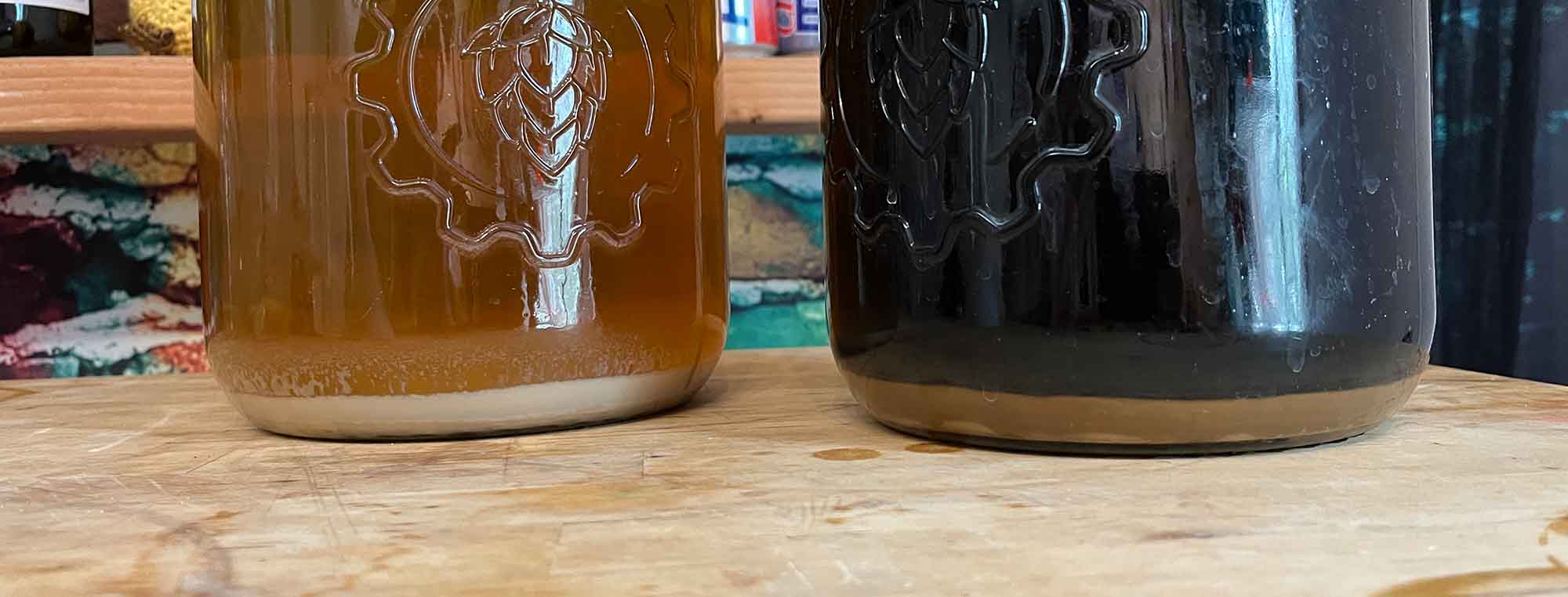
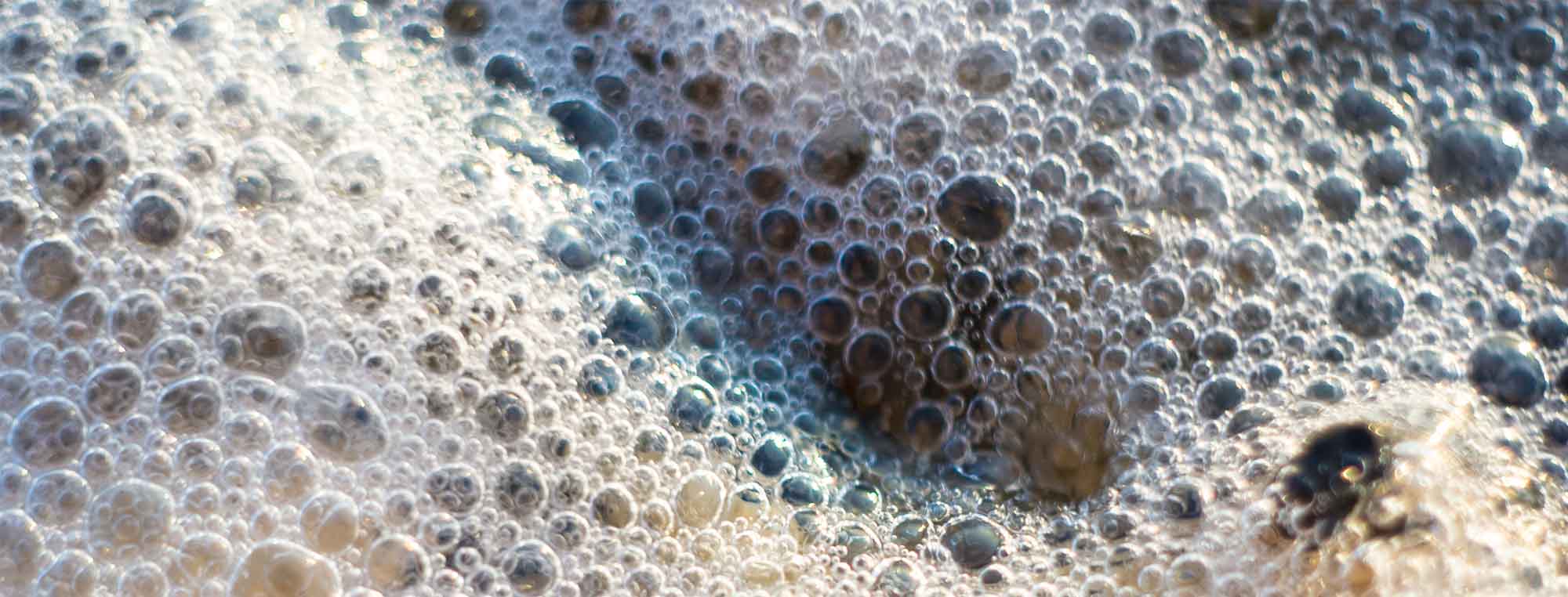
You look at your fermenter. Something is floating on your homebrew.
Maybe it is white. Maybe it is brown. Maybe it looks like a raft of yeast. Maybe it looks like mold. Heck, maybe it looks like something from a science-fiction movie. Do not dump the batch yet.
Homebrew can look strange during fermentation. Yeast, foam, fruit, proteins, oils, and other material can float on the surface. Some of these things are completely normal. Other things can indicate a microbial contamination.
More than likely nothing is wrong. So don’t panic.
This guide will help you identify the most common things that you can see floating on beer, cider, mead, and fruit wine.
First: Do Not Judge It by Color Alone
Color is not enough to identify something in a fermenter.
White material can be normal yeast or a microbial pellicle. Brown material can be krausen or oxidized fruit material. Green material can be herbs, hops, or mold. A thin film can be normal fermentation material or a sign of a bacterial or wild yeast culture.
Instead of asking only, “What color is it?”, look at:
- Shape
- Texture
- Thickness
- Location
- Movement
- Timing
- Aroma
- Whether it changes over time
Also consider what you put into the fermenter. Fruit, hops, spices, honey, and other ingredients can all leave material behind.
Is It Foam or Krausen?
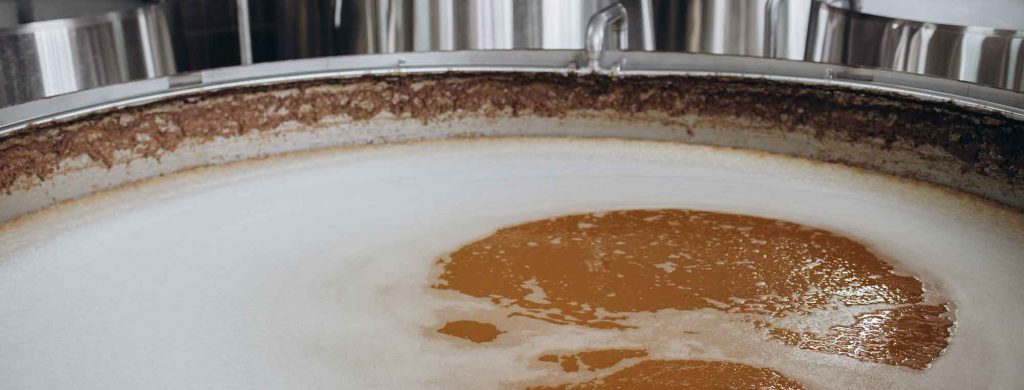
If the material appeared during active fermentation and looks like a thick layer of bubbles, it is probably krausen. Krausen is a mixture of yeast, proteins, hop material, and carbon dioxide bubbles.
It can look:
- White
- Tan
- Beige
- Brown
- Cream-colored
- Very thick
- Very foamy
Krausen is normal. It is especially common with beer, but mead, cider, and fruit wine can also produce foam.
The appearance can change during fermentation. A beer with a large krausen may fill much of the upper part of the fermenter. A mead can produce a thick foam layer. Some ciders produce very little foam, if any at all.
What Should I Do With Krausen?
Usually, nothing. Leave it alone.
If the fermenter is full and krausen is pushing into the airlock, use a blow-off tube.
Do not open the fermenter just to remove normal krausen. It will usually collapse as fermentation slows.
What Are Yeast Rafts?
Yeast rafts are clumps or islands of yeast that float on the surface.
They can look like:
- White islands
- Beige chunks
- Cream-colored blobs
- Small floating colonies
- A thin layer of yeast
They may form when yeast becomes trapped in foam or carbon dioxide bubbles. They are common during active fermentation.
A yeast raft can also appear after fermentation slows. If the material looks like loose yeast and the mead, cider, or beer is otherwise fermenting normally, there is usually no reason for concern.
How Do I Tell Yeast From a Pellicle?
This is where things become difficult.
You cannot reliably identify a microorganism by appearance alone. A yeast raft can look strange. A pellicle can also look strange – sometimes really strange.
If you are not sure, look at the fermentation history and the surface over time. A yeast raft is usually a collection of yeast or foam. A pellicle is a film produced at the liquid surface by certain microorganisms.
What Is a Pellicle?
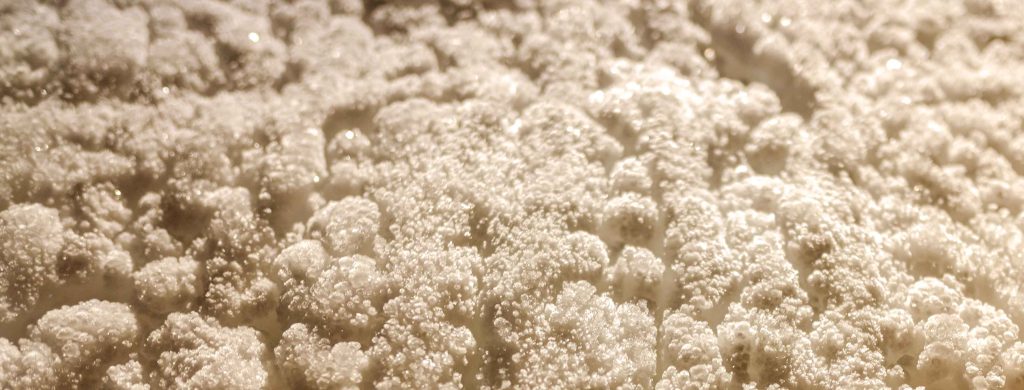
A pellicle is a surface film that can form when certain microorganisms grow at the liquid-air boundary. It is most commonly associated with wild yeast and bacteria in fermented beverages.
A pellicle can look like:
- A thin white film
- Bubbles trapped in a film
- White islands
- Wrinkled skin
- Bubbles with a web-like appearance
- A thick, rubbery layer
- A powdery surface
- A rough or uneven skin
Pellicles are often associated with oxygen exposure. The organisms can form a structure at the surface where they have access to oxygen.
Does a Pellicle Mean the Beer Is Ruined?
Not necessarily.
A pellicle tells you that microorganisms are growing at the surface. It does not tell you exactly which organism is responsible. It also does not automatically mean that the beer or mead is undrinkable.
Some beers are intentionally fermented with wild yeast and bacteria. Others are intentionally aged with organisms such as Brettanomyces.
The important question is whether the microorganisms were intentional. If you did not intentionally introduce them, treat the appearance as a possible contamination and investigate further.
Brettanomyces
Brettanomyces, often called “Brett,” is a group of yeast used in some traditional and modern beer fermentations. Brett can produce unusual flavors and aromas.
Depending on the strain and fermentation conditions, these can include:
- Funk
- Leather
- Earth
- Barnyard
- Spice
- Dried fruit
- Tropical fruit
- Smoke
- Horse-like aromas
Brett can also produce compounds that change the character of a beer over time. A Brett fermentation can produce a pellicle. However, a pellicle does not prove that Brett is present, since other organisms can also make pellicles. You cannot always identify Brett from a photograph of the fermenter.
Brett in Mead and Cider
Brett can also grow in mead and cider. It is not limited to beer.
If you intentionally use Brett, the strange surface growth may be part of the fermentation process. If you did not intentionally use Brett or another wild culture, treat it as an unwanted microbial growth. And be careful with equipment that has contacted an unintended Brett culture. Brett can persist in scratches, seals, tubing, and other brewing equipment.
Pediococcus
Pediococcus is a genus of lactic acid bacteria. Some species and strains are used intentionally in sour beer production. Pediococcus can produce lactic acid and can contribute significant acidity.
It can also create a thick, ropy, or viscous texture during some fermentations. This is sometimes called a “ropy” or “sick” beer. Pediococcus can also contribute to pellicle formation.
Again, appearance is not enough to identify it. A thick or unusual surface does not necessarily prove that Pediococcus is present.
Why Is Pediococcus Important?
Pediococcus can be useful in intentional mixed fermentations. But it can also be an unwanted contaminant in a clean beer.
If Pediococcus gets into equipment used for clean fermentation, it can be difficult to remove completely. Use separate equipment for sour and clean fermentation when possible.
Other Lactic Acid Bacteria
Other bacteria can also grow in fermented beverages. Lactic acid bacteria such as Lactobacillus can produce lactic acid and sour flavors.
These organisms are intentionally used in some sour beer processes, though they can also enter beer accidentally.
Not every bacterial fermentation produces a visible pellicle. This is important. A beer can have bacterial contamination without having anything obvious floating on the surface. Likewise, something floating on the surface does not automatically mean bacteria are present.
What Is Fruit Matter?
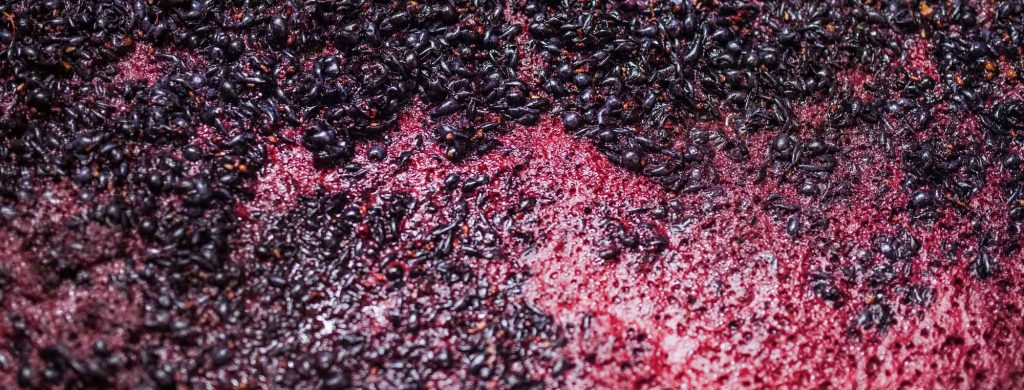
Fruit creates some of the strangest-looking material in a fermenter.
Fruit can release:
- Pulp
- Skin
- Seeds
- Fibers
- Pectin
- Solids
- Oils
- Pigments
Some of this material floats. Some sinks. Some moves up and down with carbon dioxide bubbles.
Fruit can also form a thick layer at the top of the fermenter. This is totally normal, and called the “fruit cap.”
Related: How to Make Wine From Grocery Store or Farmers Market Fruit
Fruit Can Look Like Mold
Fruit skins can become covered in foam and yeast. Pieces of fruit can become pale after fermentation. Fruit pulp can form strange floating clumps.
This does not automatically mean mold.
Look closely at the texture. Mold often forms a distinct fuzzy growth. Fruit pulp usually looks wet, irregular, and solid.
If you see obvious fuzzy growth, treat the batch as potentially contaminated.
Fruit Wax
Some fruits have waxes on their skins. This is especially noticeable with fruit that has a smooth or shiny surface.
Fruit wax can separate during fermentation and float on the surface.
You may see:
- Shiny patches
- Oily-looking films
- Small floating particles
- Waxy pieces attached to fruit
This can look alarming. Fruit wax is not the same thing as a microbial pellicle. Washing or processing fruit can also change how much surface material enters the fermenter. For example, some homebrewers will blanch fruit in hot water prior to processing to melt away the wax.
If you are using whole fruit, expect some fruit-derived material in the finished fermentation.
What Are Hop Particles?
Beer can contain floating hop material.
This is especially common when using:
- Whole-cone hops
- Dry hops
- Pellet hops
- Loose hop additions
Hop particles can form a layer or float in small islands. Dry hopping can produce particularly strange-looking surfaces. Hop pellets break apart and can remain suspended in the beer. They can also collect on the surface.
Green or brown plant material is often a clue that you are looking at hops rather than microbial growth.
What Is Yeast Sediment Doing at the Surface?
Yeast normally settles toward the bottom. However, carbon dioxide can carry yeast back toward the surface. This can produce floating clumps.
Convection inside the fermenter can also move yeast and other solids around. During active fermentation, the contents of a fermenter are not necessarily separated into neat layers. Material can move.
A strange-looking floating clump can simply be yeast that has been carried upward by fermentation.
What Are Protein Clumps?
Beer contains proteins from malt. Some of these proteins can combine with polyphenols and other compounds to form particles. These particles can appear during fermentation or later.
They may look like:
- White flakes
- Tan chunks
- Brown particles
- Cloudy clumps
This is often normal. Cold temperatures can also cause proteins and polyphenols to form visible particles. This is sometimes called chill haze when it produces haze in finished beer.
What Are Fatty or Oily Spots?
Some ingredients contain oils. Hops are one major source. Certain fruits, spices, seeds, and other ingredients can also contain oils.
Small oily-looking patches can therefore come from the recipe itself. However, a persistent thin film across the entire surface can have a different cause. A surface film combined with unusual aroma or continued surface growth deserves more attention.
What Is Mold?
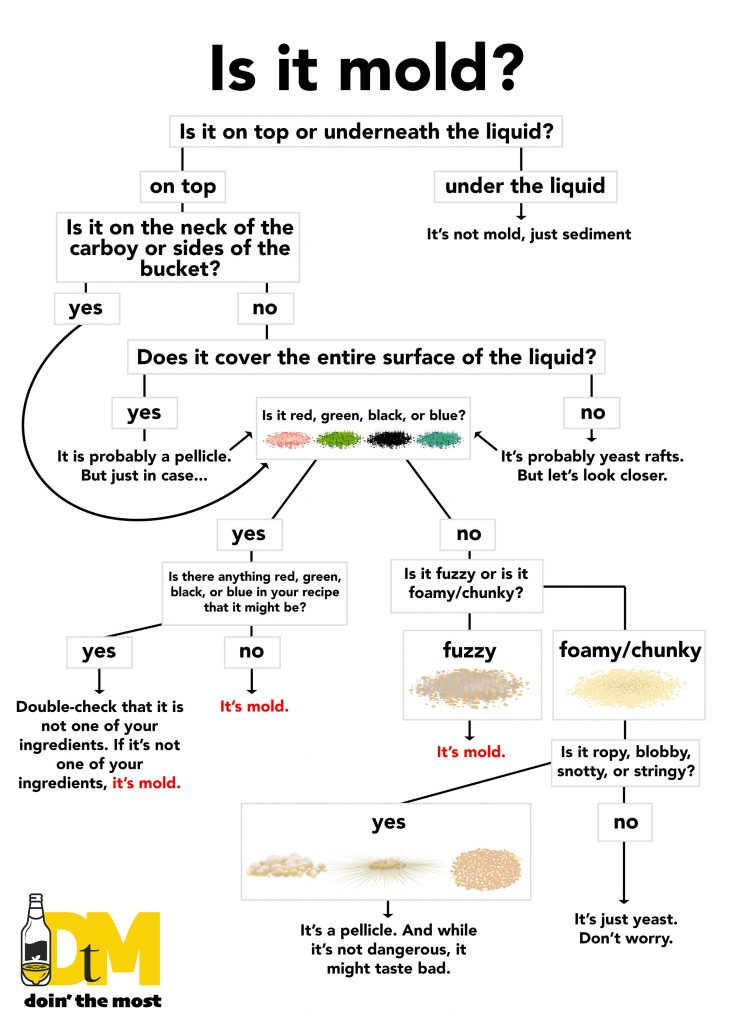
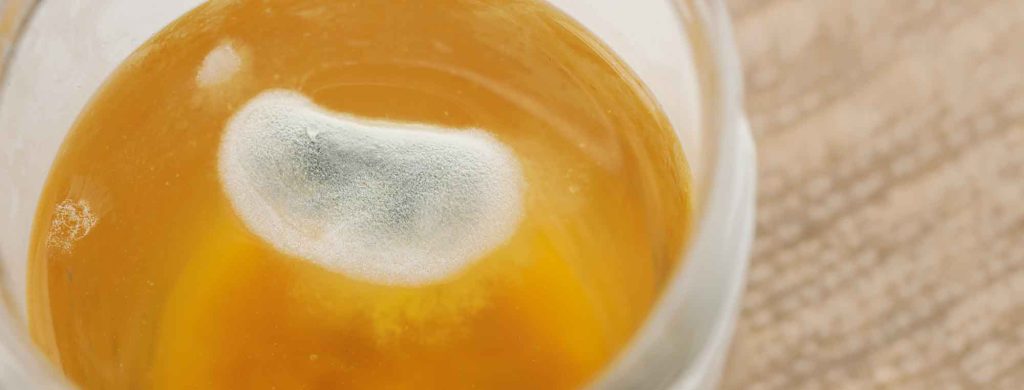
Mold is different from normal yeast, foam, and fruit material. Mold often looks fuzzy.
It may form:
- Fuzzy white patches
- Green spots
- Blue spots
- Black spots
- Pink/red spots
- Gray patches
- Hair-like growth
The surface may become increasingly covered over time. If you see obvious fuzzy mold growing on the surface of your beer, cider, mead, or wine, do not taste it to see if it is safe.
Discard the batch. Do not simply skim the mold from the surface. Mold can produce compounds (mycotoxins) that are not limited to the visible area.
What About a Thin White Film?
A thin white film is difficult to diagnose by appearance alone.
It can be:
- Yeast
- A pellicle
- Surface bacteria
- Oils
- Other fermentation material
Watch what happens next.
- A normal yeast layer may disappear as fermentation changes.
- A pellicle often develops into a more obvious film or skin.
- A surface film that continues to grow deserves investigation.
If you did not intentionally introduce a wild or sour culture, treat an unexplained persistent film as a possible contamination.
What About Bubbles?
Bubbles are usually not a problem. Carbon dioxide is produced during fermentation.
The gas can become trapped in:
- Foam
- Yeast
- Fruit
- Hops
- Sediment
This can make floating material look more dramatic.
Small bubbles can also appear because carbon dioxide is coming out of solution after fermentation. Do not mistake every bubble for a pellicle.
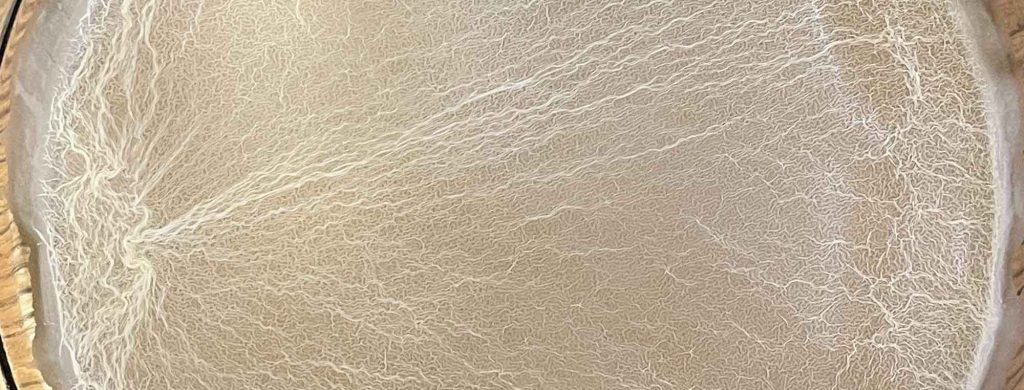
What About White Bubbles With a Web-Like Pattern?
This can be a pellicle. It can also be foam or yeast.
Look at the surface over time. If the material develops into a persistent film or skin, a pellicle becomes more likely. If it disappears as fermentation slows, it may have been normal fermentation material.
You still cannot identify the organism from appearance alone.
What About Brown or Tan Foam?
Brown or tan foam is common in beer. Malt proteins, hop compounds, yeast, and other fermentation material can darken the foam. Dark beers can produce very dark krausen.
Fruit can also stain foam.
If it appeared during active fermentation and behaves like foam, it is probably krausen or fermentation material.
What About a Ring Around the Fermenter?
A ring around the fermenter is often normal. Krausen can stick to the sides of the vessel. Fruit can leave a line where the liquid level changed. Yeast and proteins can also leave residue.
This is sometimes called a krausen ring. It is not a sign of contamination by itself. A dirty-looking fermenter does not necessarily contain a dirty fermentation.
What About Something Floating After Fermentation?
This is common. Not everything settles immediately.
You may still see:
- Yeast
- Fruit particles
- Hop material
- Protein particles
- Oak fragments
- Spices
- Other ingredients
The longer the beer or wine sits, the more material will usually settle.
Cold storage can help some suspended material drop out. Do not stir the vessel just because something is floating.
A Quick Diagnosis Guide
Use this table as a starting point.
| What you see | Most likely explanation | What to do |
| Thick foamy layer during fermentation | Krausen | Leave it alone |
| White or tan floating clumps | Yeast rafts | Usually leave it alone |
| Green or brown plant material | Hops or herbs | Usually normal |
| Floating fruit pulp or skins | Fruit matter | Usually normal |
| Shiny or waxy fruit particles | Natural fruit wax | Usually normal |
| White flakes or cloudy particles | Proteins or yeast | Usually normal |
| Persistent thin surface film | Possible pellicle | Investigate |
| Wrinkled or web-like surface | Possible pellicle | Investigate |
| Rope-like or viscous material | Possible bacterial activity | Investigate |
| Fuzzy white, green, blue, gray, or black growth | Possible mold | Discard |
| Small bubbles throughout fermentation | Carbon dioxide | Normal |
| Brown or tan foam | Krausen | Usually normal |
| Ring around the fermenter | Krausen or residue | Usually normal |
This table is not a laboratory test. It is a way to decide what deserves further attention.
The Most Important Clue: Did You Add It?
Before assuming contamination, remember what is in your recipe.
Did you add:
- Fruit?
- Hops?
- Oak?
- Spices?
- Herbs?
- Tea?
- Honey?
- Juice?
- Adjuncts?
If the answer is yes, some of the material you see may simply be an ingredient. A piece of strawberry can look very different after fermentation. Hop pellets can look like green mud. Oak can shed small particles. Spices can float.
Do not mistake an ingredient for an infection.

When Should I Be Concerned?
Be more cautious when you see a combination of unusual signs.
For example:
- A persistent surface film
- Fuzzy growth
- Unexpected sourness
- Vinegar-like aroma
- Solvent-like aroma
- Unusual ropiness
- Unexpected continued fermentation
- A surface layer that becomes larger over time
- A major change in flavor after fermentation was apparently finished
One unusual-looking particle is not enough to diagnose a contamination. A growing surface film combined with an unexpected change in flavor is more significant.
Can I Just Skim It Off?
If it is krausen, there is no reason to skim it.
If it is fruit, hops, or yeast, there is usually no reason to skim it.
If it is a pellicle, skimming is not a reliable solution – though, if fermentation is complete, you could rack from below the pellicle and add sulfites in the new vessel to attempt to kill it off. This can sometimes work. Follow the manufacturer’s instructions for proper dosage of sulfites.
If it is mold, it must be dumped out.
Do not remove an unknown surface growth and then assume that the rest of the batch is clean. If you suspect an unwanted microbial culture, the safest approach is to treat the batch as contaminated.
Do I Need to Dump the Batch?
Not every strange-looking fermentation needs to be discarded.
Normal fermentation can look terrible.
- Krausen can look like contamination.
- Yeast can form islands.
- Fruit can grow strange-looking surfaces.
- Hops can make beer look like a swamp.
A pellicle is different. If a beer or mead develops an unexpected microbial growth, the decision depends on what happened and whether you are willing to keep the batch as a potentially contaminated fermentation.
If you see obvious mold, discard the batch.
If you intentionally make sour or wild beer, a pellicle can be normal. If you are making a clean beer and see an unexplained pellicle, treat it as contamination. But if it’s not mold, generally the batch is worth trying to salvage.
The Bottom Line
Homebrew is not always pretty.
During fermentation, your beer, cider, mead, or wine can develop foam, yeast rafts, fruit solids, hop particles, protein clumps, wax, and other material.
Most of this is normal.
The main things to watch for are persistent surface films, unusual microbial growth, fuzzy mold, and unexpected changes in aroma or flavor.
Remember these basic rules:
- Foam is usually normal.
- Yeast rafts are usually normal.
- Fruit matter is usually normal.
- Hop material is usually normal.
- A pellicle means microorganisms are growing at the surface, but appearance alone cannot tell you which organism is responsible.
- Brettanomyces and Pediococcus can be intentional parts of some fermentations.
- Mold is not something you should taste-test.
And when you see something strange:
Do not panic. Look at it. Smell it. Consider the recipe. Watch how it changes.
Your fermenter does not need to look clean and pretty to be making good homebrew.