
Homebrewing equipment is useful. It is not always necessary.
You may start a brew day and realize you are missing a piece of equipment. You may also live somewhere without a homebrew shop nearby. That does not always mean you need to stop. Many brewing supplies have simple substitutes – and some replacements have been reliable tools for decades.
Some substitutes work almost as well as the real thing. Others simply let you complete the job safely until you can get the proper equipment.
This list covers some of the most common homebrewing supplies and the best substitutes for them.
What If I Don’t Have Star San?
Best alternative: Diluted unscented household bleach
Bleach is an effective sanitizer when used correctly. Use plain, unscented bleach with no added fragrances, detergents, or other additives. A common homebrew approach is approximately 1 tablespoon of regular unscented bleach per gallon of water. Make the solution with cool or room-temperature water.
After the equipment has been sanitized, rinse thoroughly with clean water. Do not mix bleach with acids.
Best runner-up: Strong metabisulfite solution
A solution of sodium metabisulfite or potassium metabisulfite can be useful for sanitizing some equipment and is particularly common in wine and mead making.
It is not as convenient as Star San for general-purpose brewing because the solution works differently and has a strong sulfur smell.
Important: Cleaning and sanitizing are different jobs. Always clean equipment before sanitizing it.

What If I Don’t Have PBW?
Best alternative: OxiClean Free
OxiClean Free can work very well as a general brewery cleaner. Use the unscented, dye-free version.
It is useful for soaking:
- Fermenters
- Bottles
- Kegs
- Tubing
- Brewing equipment
- Dried krausen and yeast
Mix it according to the product instructions. Do not assume that more cleaner is always better.
Best runner-up: Unscented automatic dishwasher detergent
An unscented, non-chlorinated dishwasher detergent can work for some cleaning jobs. Avoid products with fragrances, dyes, rinse aids, or other additives that you do not want in your brewing equipment. Do not use ordinary dish soap as your main brewery cleaner. Fragrance and surfactant residue can be difficult to remove.
What If I Don’t Have an Autosiphon?
Best alternative: Start a siphon with a sanitized siphon starter or clean tubing
You do not actually need an autosiphon to transfer beer. But you do need a way to start a siphon without contaminating the beer.
One simple method is to fill your sanitized tubing completely with sanitizer or clean liquid, position the ends correctly, and start the transfer while keeping the tubing full. Start the flow in a bowl, then clamp the hose and switch to your fermenter vessel.
You can also use a sanitized racking cane with a siphon-starting device, like a hand pump or turkey baster.
The important part is to avoid starting the siphon by sucking on the tubing. Your mouth contains microorganisms.
Best runner-up: Transfer by gravity
If your fermenter has a suitable spigot, you may not need a siphon at all. Place the receiving container below the fermenter and use the spigot to transfer the beer. Keep the outlet below the surface of the receiving liquid to reduce splashing and oxygen exposure.

What If I Don’t Have a Hydrometer?
Best alternative: Refractometer
A refractometer uses only a few drops of liquid. And they can sometimes be purchased from non-homebrewing shops if you’re comfortable working in Brix.
It is especially useful for checking wort before fermentation.
There is an important catch: a normal refractometer reading is not accurate for finished beer, cider, wine, or mead because alcohol changes the reading. You need an appropriate correction method for post-fermentation readings.
Best runner-up: Use recipe and fermentation data as an estimate
If you did not measure the original gravity, you can estimate ABV from the recipe by using a tool like MeadTools or a beer brewing app.
You can also watch fermentation activity and appearance. However, these methods cannot prove that fermentation is finished. If you are bottling, especially bottle conditioning, do not rely on an airlock or visual appearance to decide that fermentation has stopped. Without a hydrometer, make time your friend and don’t rush things.
A hydrometer is inexpensive and worth having.
What If I Don’t Have a Fermentation Bucket?
Best alternative: Food-safe plastic container with a lid
A food-safe bucket can work as a fermenter if it is large enough, cleanable, and has a suitable lid. A food-storage bucket can work.
A brewing bucket is convenient because it already has features designed for fermentation. Do not use a random plastic bucket from a hardware store unless you know that the plastic is appropriate for food contact. Do not use a bucket that previously contained chemicals.
Best runner-up: Large glass jar
A large glass jar can work well for small batches.
Leave enough headspace for fermentation. Use an appropriate airlock or other fermentation-safe closure. Do not seal an actively fermenting beverage in a rigid container with no way for CO₂ to escape.
What If I Don’t Have an Airlock?
Best alternative: Loose-fitting sanitized lid
An airlock provides a controlled path for CO₂ to leave the fermenter while limiting exposure to outside air. For active fermentation, a loose-fitting lid can serve a similar purpose.
CO₂ will escape around the lid. This is particularly useful with buckets.
Best runner-up: Sanitized foil
For small fermentations or narrow-necked carboys, a piece of sanitized aluminum foil can cover the opening while allowing gas to escape.
It is not a perfect seal. It is also not a long-term replacement for an airlock. For very active fermentation, use a container with enough headspace or a blow-off tube.
What If I Don’t Have Brewing Acids?
You can often adjust acidity with ingredients from the grocery store. The important point is that different acids taste different. They are not interchangeable.
Malic Acid
Best alternative: Apple juice
Apple juice naturally contains a large amount of malic acid.
If you are making cider, adding a small amount of acidic apple juice or apple juice concentrate can increase acidity without introducing a completely foreign flavor.
This works best when you are already making an apple-based beverage.
It is not a precise substitute for powdered malic acid because the actual acid concentration varies between juices. But I have successfully used a small amount of apple juice to add malic acid flavor to meads and wines on many occasions.
Citric Acid
Best alternative: Lemon juice
Lemon juice contains a large amount of citric acid. It is an easy way to increase acidity in wine, mead, cider, and other fruit beverages.
The downside is flavor. Lemon juice adds more than citric acid. It can add lemon flavor and other compounds.
Add a small amount, taste, and repeat.
Tartaric Acid
Best alternative: Tamarind paste
Tamarind contains significant tartaric acid. It can provide a useful tartaric-style acidity when you do not have tartaric acid powder.
Tamarind is not pure tartaric acid. It also contains sugars, color, pulp, and other acids. Use a small amount and make a diluted tamarind solution first so you can measure and taste the addition before adding it to the entire batch.
Important: These substitutes are useful for adjusting flavor. They are not precise replacements when you need to hit a specific measured pH or acid concentration.
If you are making a wine that needs precise acid adjustment, laboratory-grade brewing or winemaking acids are much easier to control.
What If I Don’t Have Tannin?
Best alternative: Strong black tea
Black tea contains tannins that can add structure and astringency to wine, mead, cider, and other beverages.
Brew a strong cup of plain black tea. Let it cool. Add a small amount to a sample of your beverage and taste it.
This is a good example of why bench trials are useful. You can test several amounts before committing the entire batch.
Do not use flavored tea unless you actually want those flavors in the finished beverage. Green tea also contains tannins, but black tea is a simple choice for this purpose. And most people have some tea bags in the pantry!
Best Runner-Up: Raisins
Raisins can contribute tannin and other compounds to a fermenting beverage. They are sometimes used in mead and country wine recipes for this reason.
The problem is consistency. A handful of raisins does not give you a predictable amount of tannin. Raisins also add sugar and other material.
Use them because you understand the ingredient itself, not because they are a precise replacement for powdered tannin.
What If I Don’t Have Yeast Nutrient?
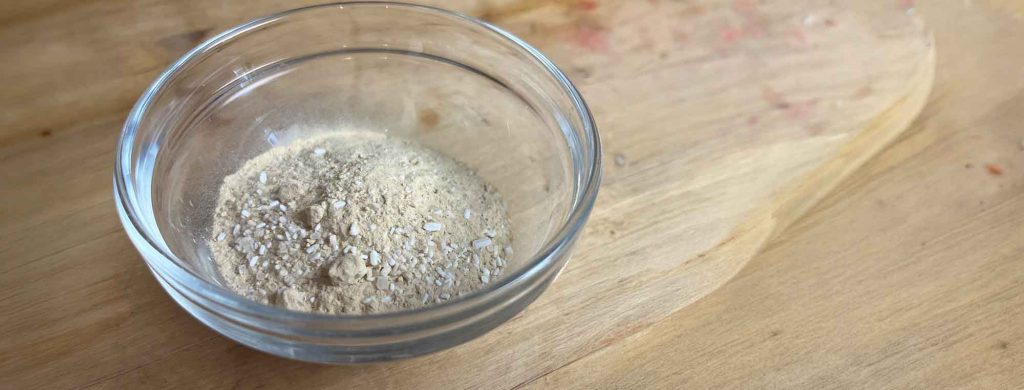
Best alternative: Boiled bread yeast
Dead yeast can still provide useful nutrients to brewing yeast. Boiling bread yeast kills the cells and breaks down some of their contents. This can provide amino acids, nitrogen, vitamins, minerals, and other nutrients.
It is not as predictable as a commercial yeast nutrient. However, it can be a useful emergency substitute.
Use ordinary baker’s yeast without added flavors or other ingredients. Boil it in water before adding it to the must or wort. The general rule of thumb is to use three times as much as you would Fermaid O.
Best Runner-Up: Mango
This one is mostly a joke.
Mango can contain a surprisingly high amount of yeast-assimilable nitrogen compared with some other fruits. It also contains vitamins, minerals, sugars, and other compounds that yeast can use.
That does not make mango a good replacement for yeast nutrient.
You would need to add enough mango to make a meaningful nutritional difference, and that would also change the flavor, sugar content, acidity, and other properties of the beverage.
So yes, mango can contribute yeast nutrients. No, you should not replace your yeast nutrient with a mango. Unless you were already planning to make mango or other tropical mead. Then you have an excuse.
What If I Don’t Have Finings?
Best alternative: Cold crashing
You do not always need to add something to clear your beer, cider, wine, or mead. Put the finished beverage somewhere cold. A few days near refrigerator temperature can cause yeast, proteins, and other particles to settle. This is called cold crashing.
It is simple and requires no additional ingredients. It also does not remove every type of haze, as some haze comes from compounds that remain suspended even after yeast settles.
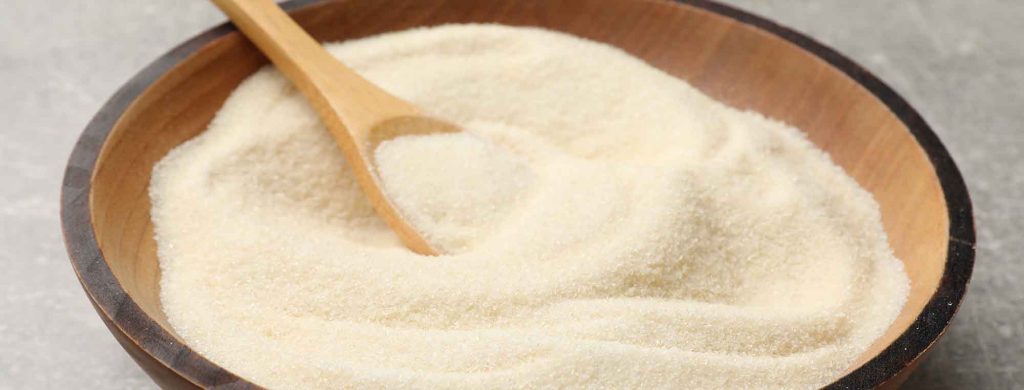
Best Runner-Up: Unflavored Gelatin
Plain, unflavored gelatin is a cheap and effective fining agent. You can find it in your grocer’s baking aisle.
Dissolve it in hot water according to your process, then add it to the finished beverage. Gelatin helps suspended particles clump together and settle.
Use plain gelatin. Do not use Jell-O dessert mix.
Cold crashing is a good first step if you have the time. Gelatin is useful when you want faster or more aggressive clarification.
What If I Don’t Have Dextrose?
Best alternative: Table sugar
Regular white table sugar is sucrose. Dextrose is glucose. They are different sugars, but both can provide fermentable sugar in many brewing applications.
For many recipes, you can substitute table sugar for dextrose with little practical difference. This is especially useful when adding sugar to increase gravity or alcohol. Table sugar can also be used for priming.
Best Runner-Up: Honey
Honey is another fermentable sugar source. Yeast can ferment the sugars in honey and produce alcohol.
Honey also adds its own flavor and aroma. That makes it less neutral than table sugar. It is therefore a useful substitute when you want the sugar addition to contribute character.
Remember that honey contains water, so a cup of honey is not equivalent to a cup of dry sugar. If you are replacing a measured amount of dextrose, use weight rather than volume when possible.
What If I Don’t Have Invert Sugar?
Best alternative: Make your own simple syrup with acid and heat
Invert sugar is produced when sucrose breaks down into glucose and fructose. You can make a rough homemade version by heating table sugar with water and a small amount of acid. Lemon juice or another food-safe acid can provide the acid needed for the process.
Heat the solution gently. Do not aggressively boil it for a long time. The goal is to hydrolyze some of the sucrose, not caramelize the sugar.
You do not need to make perfectly inverted sugar for most homebrewing applications. In many recipes, ordinary table sugar will work perfectly well anyway.
Best Runner-Up: Honey
Honey already contains mostly simple sugars (Fructose, 38%–45% and Glucose, 30%–35%). Yeast can ferment those sugars without first having to break down sucrose. Honey therefore provides some of the same practical benefits as invert sugar.
The major difference is flavor. Honey is not a neutral sugar source. If you want the sugar addition to disappear into the recipe, table sugar is usually the simpler choice. If you want the sugar addition to contribute flavor, honey can be useful.

What If I Don’t Have a Bottling Wand?
Best alternative: Clean and sanitized tubing
You can fill bottles with sanitized tubing.
Put one end of the tubing at the bottom of the bottle and use your bottling bucket spigot or a hose clamp to control the flow. This is less convenient than a bottling wand, but it works.
Keep the end of the tubing below the surface of the beer as the bottle fills.
Best runner-up: Spigot directly over the bottle
If your bottling bucket has a spigot, you can carefully position the bottle under it. Avoid splashing by running the beer down the side of the bottle. Fill to a consistent level.
A bottling wand is inexpensive and makes the job much easier and less prone to oxygen exposure, but it is not essential.
What If I Don’t Have a Bottle Capper?
Best alternative: Swing-top bottles
Swing-top bottles have a built-in closure. They are easy to reuse and do not require a separate capper. Make sure the bottle is designed for carbonation if you’re bottle conditioning.
Inspect the gasket before each use. Replace damaged gaskets.
Best runner-up: Reusable screw-cap beer bottles
Some commercial beer and wine bottles use screw caps.
If you have appropriate reusable bottles, they can be useful. Do not assume that every screw-top bottle is designed for carbonation. And do not use thin glass beverage bottles for carbonated homebrew.
What If I Don’t Have a Brew Kettle?
Best alternative: Large stainless-steel cooking pot
A normal stainless-steel stockpot can work very well for brewing. It just needs enough capacity for your batch.
Remember that wort can foam during the boil. Do not fill the pot to the rim. Leave room for the boil.
Best runner-up: Multiple smaller pots
If you do not have one large pot, split the wort between two or three smaller pots. This is less convenient and can make evaporation calculations more complicated. And you will need to combine the wort later.
For extract brewing, partial-volume boils are particularly easy to manage.
What If I Don’t Have a Wort Chiller?
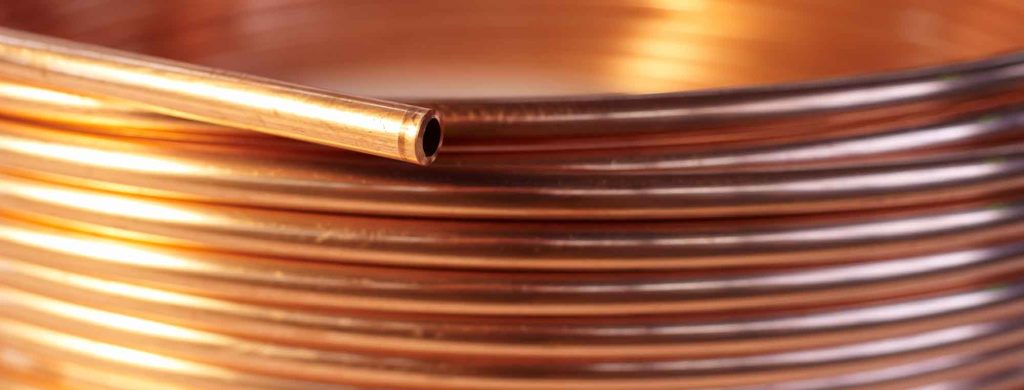
Best alternative: Ice-water bath
Put the brew kettle in a sink, tub, or other suitable container. Add cold water and ice around the outside of the kettle.
Stir the wort carefully with a sanitized utensil if appropriate.
Replace the warm water with colder water as needed. Do not add ice directly to the wort unless the ice is made from properly treated water and you intentionally account for the dilution.
Best runner-up: No-chill method
You can transfer hot wort into an appropriate heat-resistant, sanitized container and allow it to cool naturally. This requires equipment that can safely handle hot wort and must be done in a way that minimizes contamination. Do not put boiling wort into a container that is not designed for high temperatures.
A caveat, you may need to adjust your hops charges to account for the no-chill method.
What If I Don’t Have a Wine Thief or Turkey Baster?
Best alternative: Sanitized siphon tubing
Use sanitized tubing to remove a small sample. You can fill a hydrometer jar directly from the tubing. Keep the tubing clean and avoid touching the end.
Best runner-up: Sanitized straw
For very small samples, a sanitized straw can work. Simply insert the straw into your beverage, place a thumb over the top, and lift. Carefully transfer the liquid to your glass.
It is less convenient and can introduce more contamination risk.
What If I Don’t Have a Hydrometer Jar?
Best alternative: Any clean, narrow container tall enough for your hydrometer
The hydrometer needs to float freely. It should not touch the bottom or sides while you take the reading.
A tall glass or suitable food-safe container can work.
Best runner-up: Test tube or graduated cylinder
A large test tube or graduated cylinder can work if it is large enough for the hydrometer. Do not use a container that can contaminate your sample.
What If I Don’t Have a Keg?
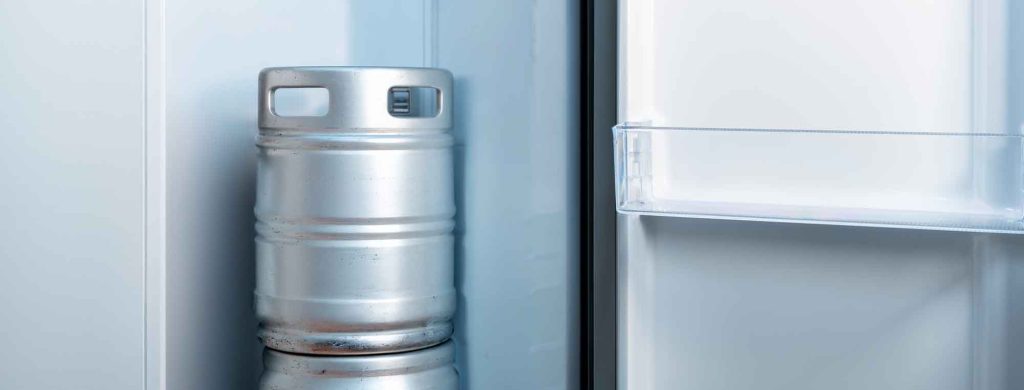
Best alternative: Bottles
You can bottle almost anything that you would otherwise keg. Bottle conditioning provides natural carbonation for beer, cider, and some other beverages.
You need:
- Appropriate bottles.
- Priming sugar when needed.
- Proper caps or closures.
- A safe fermentation process.
- Stable gravity before bottling.
Best runner-up: Swing-top bottles
Swing-top bottles eliminate the need for a capper and caps. They are particularly convenient for small batches. Remember that the bottle must be designed to safely hold carbonation.
What If I Don’t Have a Stir Plate?
Best alternative: Shake the starter
A yeast starter does not require a stir plate. Shake the container several times during the starter’s growth period. This introduces oxygen and keeps yeast in suspension.
Best runner-up: Swirl by hand
Swirl the starter whenever you walk past it. You do not need to continuously agitate it.
A stir plate is convenient. It is not required for making a useful yeast starter.
Related: All the Ways to Make a Yeast Starter
What If I Don’t Have a Funnel?
Best alternative: Sanitized measuring cup
A clean, sanitized measuring cup with a tapered lip can help transfer liquid into a narrow-neck fermenter. Pour slowly and avoid splashing finished beer, cider, wine, or mead.
Best runner-up: Flexible tubing
For liquids that can be siphoned, tubing can eliminate the need for a funnel entirely. This is often better for finished beverages because it reduces splashing.

What Should I Never Substitute?
Some equipment is easy to replace.
Some things are not worth improvising.
- Do not substitute unknown materials when they will contact your brew.
- Do not use containers that previously held chemicals.
- Do not use glass that is not designed to withstand carbonation.
- Do not use non-food-safe plastics.
- Do not use random household cleaners with fragrances or other additives.
- Do not use a container that cannot safely hold fermentation pressure.
- And do not substitute poor sanitation practices for proper sanitation equipment.
A cheap food-safe bucket is one thing. A questionable plastic chemical container is another.
The Emergency Brewing Rule
When you need a substitute, ask three questions:
- Is it food-safe?
- Can it be properly cleaned and sanitized?
- Can it safely handle the temperature and pressure involved?
If the answer to all three is yes, you may have a workable substitute.
Then ask one more question: “Will this substitute increase oxygen exposure?“
That matters most when handling finished beer, cider, wine, and mead. A substitute that works perfectly well during the boil may be a terrible choice for transferring finished beer.
The Bottom Line
You do not need a perfectly equipped homebrew shop to make good beer, cider, wine, or mead.
Some of the most useful brewing substitutes are already in your kitchen.
The important part is knowing what the original tool actually does. Once you understand that job, it is much easier to find a safe substitute. And sometimes the best substitute is simply to change the process.
You do not need to brew exactly the way the equipment manufacturer intended. You just need to make good homebrew safely.