
Yes. You can make mead without adding commercial yeast nutrients. People have done it for centuries.
But there is a catch. Honey contains plenty of sugar for yeast to eat. It does not contain enough of the other things yeast needs to grow and ferment reliably. This is why mead can be harder to ferment than beer or many fruit wines. Honey is an excellent ingredient for making mead, but it is not a complete yeast diet.
The good news? You have options. You can change your recipe, use ingredients that provide nutrients, adjust your fermentation process, or choose a lower-alcohol mead that puts less stress on your yeast.
You do not need to buy a chemistry set to make a decent first mead. You do need to give your yeast a reasonable chance.
Why Does Mead Need Nutrients?
Yeast needs more than sugar. It also needs nitrogen, vitamins, minerals, and other compounds to grow and reproduce.
Honey contains sugar, water, small amounts of minerals, and other compounds. However, it is usually low in yeast-assimilable nitrogen (YAN). YAN is the nitrogen that yeast can use during fermentation. Beer wort gets many of these nutrients from malted grain. Fruit juice can provide some nutrients, too. Honey usually provides much less.
When yeast does not get enough nutrients, fermentation can become slow or stop before it finishes. Stressed yeast can also produce unwanted flavors and aromas, including sulfur smells. This does not mean every mead made without nutrients will fail. It means the result is less predictable.

Option 1: Make a Lower-Alcohol Mead
This is the easiest solution if you want to avoid commercial nutrients and extra ingredients. A high-gravity mead puts yeast under more stress. There is more sugar to process, and the alcohol level can become high enough to inhibit the yeast.
A hydromel, which is a lower-alcohol mead, is a more forgiving starting point.
| Mead style | Honey per gallon | Approximate potential ABV |
| Hydromel | 1–1.5 lb | 4–7% |
| Standard mead | 2.5–3 lb | 10–14% |
| Sack mead | 3.5–4.5+ lb | 14–18%+ |
These are starting estimates. Your actual alcohol level depends on the original gravity, final gravity, and how far fermentation progresses.
Why this helps: Lower starting gravity usually means less osmotic stress at the beginning and less potential alcohol at the end. Your yeast has a less demanding job.
What it does not do: It does not add nutrients to the must. A low-gravity mead can still have a slow or unhealthy fermentation.
Still, if your goal is to make a simple first mead without buying anything extra, a hydromel is a sensible place to start.
Option 2: Add Fruit
Fruit can provide nutrients that honey lacks. It also adds flavor, acidity, and color.
This is one reason melomels, or fruit meads, can be useful when experimenting with nutrient-free fermentation.
Fruit does not automatically solve the problem, though. Its nutrient content varies by variety, ripeness, processing, and quantity. Some fruit contributes much more than others.
Good options include:
- Apples and pears: Useful for cider-like meads, although juice alone may not provide enough nitrogen.
- Berries: Add flavor, color, and some nutrients. Their acidity can also affect fermentation.
- Cherries and stone fruit: Useful for fruit-forward meads, but the fruit is not a guaranteed nutrient source.
- Mangoes: One of the few super-high YAN fruits
Use fruit because you want the flavor, not because you expect a handful of berries to replace a measured nutrient schedule.
What about the famous handful of raisins?
Raisins are often recommended as a natural yeast nutrient. They do contain some nutrients, but the amount of usable nitrogen they provide is variable and generally too low to count on as a complete substitute for a proper nutrient addition.
In other words, raisins are food in the most technical of senses. They are not a magic packet of Fermaid O wearing a tiny, wrinkly, brown disguise.
If you want a raisin mead, make one. If you want reliable fermentation, do not rely on raisins alone.
Option 3: Use Boiled Baker’s Yeast
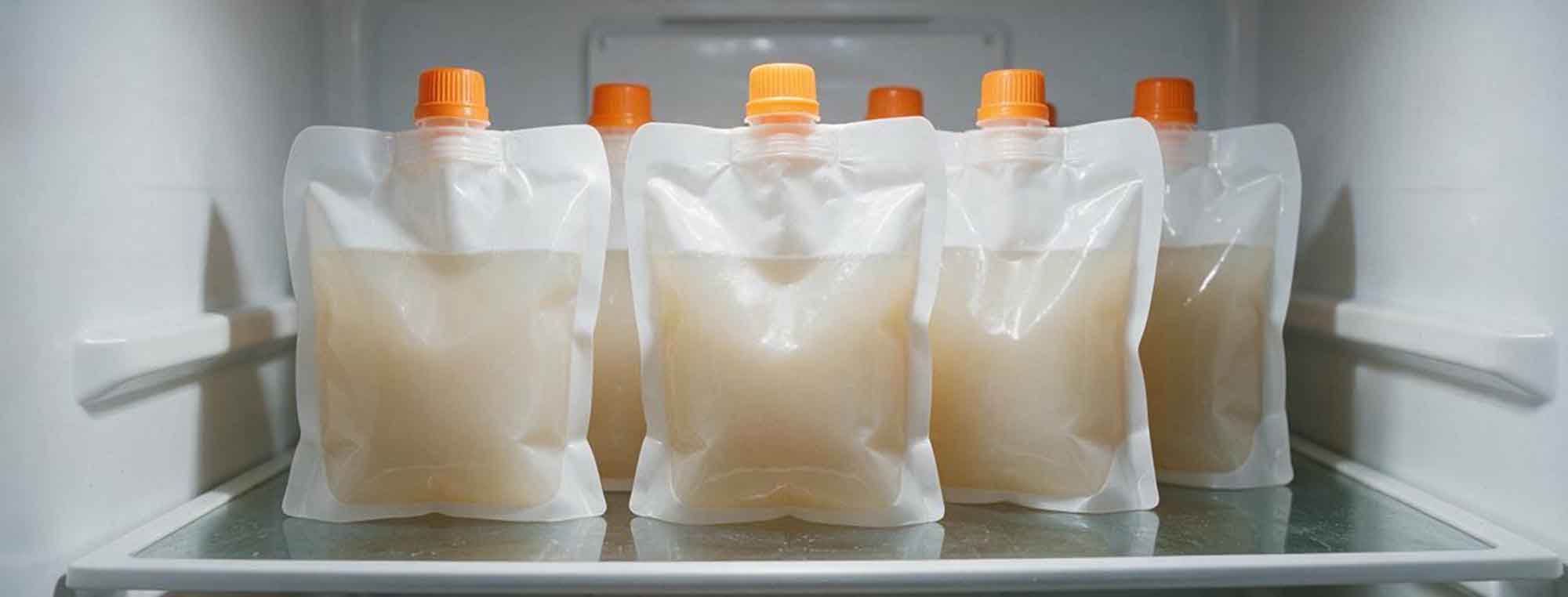
This is one of the most practical alternatives to buying a specialized nutrient product. Dead yeast cells can provide nutrients to living yeast. They contain nitrogen, vitamins, minerals, and other compounds that yeast can use. You can use ordinary baker’s yeast for this purpose. You do not need to use the same yeast strain that will ferment your mead.
How to make a simple boiled-yeast addition
- Measure a small amount of water into a clean saucepan.
- Add a measured portion of baker’s yeast. If calculating, use three times what MeadTools recommends for Fermaid O.
- Bring the mixture to a boil.
- Boil for about 5–10 minutes, stirring as needed.
- Allow the mixture to cool.
- Add it to your must before or during early fermentation.
Boiling kills the yeast and helps break down its cells. The dead yeast becomes a source of nutrients for the living yeast in your fermenter.
There is no single universal dose that works for every recipe. The nutrient content varies by yeast product, and boiled bread yeast is not compositionally identical to a commercial mead nutrient. Treat this as a practical alternative, not an exact replacement.
Important: Do not add hot yeast slurry to your fermenter. Let it cool first.
Option 4: Add a Little Malt Extract
This option is useful if you have brewing ingredients on hand. Malt extract contains more than fermentable sugar. It also contains nitrogen compounds, vitamins, minerals, and other material derived from malted grain. A small addition can help provide nutrients that honey lacks.
You can use liquid malt extract or dry malt extract. Dissolve it in a little hot water, let it cool, and add it to the must.
There is a trade-off: malt changes the character of the mead. It can add a subtle grain flavor, body, and color. That may be welcome in a braggot, which combines mead and beer, but less desirable in a delicate traditional mead.
Malt extract is not a guaranteed complete nutrient source, either. Its composition varies, and the amount needed depends on your recipe. If you are trying to use up ingredients in your brewing cupboard, this is a reasonable experiment. If you want a clean, traditional honey character, choose another option.
Option 5: Use a Little Fruit Juice or Cider
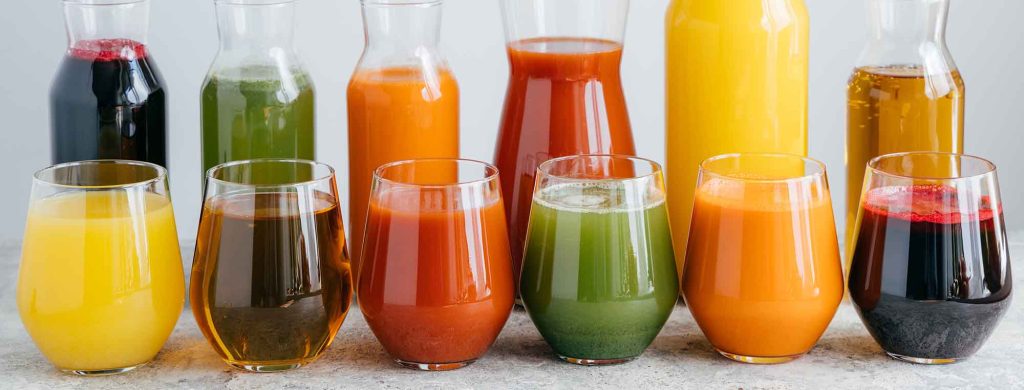
You do not have to make a full fruit mead to use fruit-derived nutrients. Replace some of the water in your recipe with apple juice or another suitable juice. This can contribute nutrients, acidity, flavor, and fermentable sugar.
For example, you could make a simple cyser by combining apple juice with honey. However, juice is not a standardized nutrient product. Its nitrogen content can vary widely. Some juices are also low in nutrients relative to the sugar they contain.
Check the ingredients if you use commercial juice. Avoid products containing preservatives such as potassium sorbate or sodium benzoate, which can interfere with fermentation.
Also remember that juice adds sugar. If you replace water with juice, your original gravity may increase. Measure the gravity instead of assuming the recipe will ferment to the same alcohol level.
Option 6: Give the Yeast a Smaller Job
You can reduce the demands on your yeast without adding anything to the must.
Try these changes:
- Use less honey per gallon.
- Choose a moderate target alcohol level.
- Avoid starting with an extremely high gravity.
- Do not add large amounts of extra sugar without a reason.
- Allow the yeast to finish before you consider increasing the strength in a future batch.
This approach is especially useful for beginners. A simple mead at 5–8% ABV is a good way to learn how fermentation behaves before you attempt a 15% sack mead. You can make a stronger mead later. Your first batch does not need to prove anything to anyone.
Option 7: Add Honey in Stages
Staggered honey additions can reduce the stress caused by a very high starting gravity. Instead of adding all the honey at once, begin with a lower-gravity must. Allow fermentation to become established, then add more honey in measured portions. This technique can be useful for high-gravity meads. It reduces the initial sugar concentration and can make the early fermentation less demanding.
But there is an important limitation: honey additions do not solve a nutrient deficiency. Honey is still low in the nutrients yeast needs. If your must lacks nitrogen, adding honey in stages will not provide it. This technique works best as one part of a broader fermentation plan, not as a replacement for nutrients.
For a first mead, adding all the honey at the beginning is simpler. Save staged honey additions for a batch where you have a clear reason to use them.

Option 8: Choose Your Yeast Carefully
Different yeast strains have different nutrient requirements, alcohol tolerances, temperature ranges, and fermentation characteristics. Some strains perform well under conditions that would stress others. However, no yeast strain can reliably turn a nutrient-poor honey must into a nutrient-rich one.
When choosing yeast, consider:
- The alcohol level you want.
- The recommended fermentation temperature.
- The strain’s nutrient requirements.
- Its alcohol tolerance.
- The flavor profile you want.
A strain with a suitable alcohol tolerance is not automatically a strain that needs little nitrogen. Follow the manufacturer’s guidance where it is available. If the strain has a high nutrient requirement, choosing it for a nutrient-free mead may make your job harder.
Option 9: Keep the Fermentation Conditions Healthy
Good fermentation practices cannot replace nutrients, but they can prevent other problems from making the situation worse.
Pitch enough healthy yeast
Use a fresh yeast product and follow the manufacturer’s pitching instructions. A healthy, adequate yeast population has a better chance of establishing itself than a small or poorly handled pitch.
More yeast is not an unlimited solution. A large pitch cannot eliminate every nutrient requirement.
Control the temperature
Ferment within the yeast’s recommended temperature range. Temperatures that are too low can slow fermentation. Excessive temperatures can stress yeast and increase unwanted flavors.
Do not assume that warmer is always better. A fast start is not the same as a healthy finish.
Provide oxygen early, not late
Yeast uses oxygen during early growth to build important cell components. Aerating the must before pitching, or during the early stage when appropriate, can help. After fermentation is underway, avoid repeatedly splashing or opening the fermenter. Oxygen exposure later in fermentation can damage flavor and aroma. Oxygen helps with certain parts of yeast growth. It does not supply nitrogen, so it is not a nutrient replacement.
Monitor gravity
Use a hydrometer to track fermentation. Airlock bubbles are not a reliable measure of fermentation progress.
Take an initial gravity reading, then check again as fermentation progresses. If gravity stops changing before you reach the expected finish, investigate before assuming the mead is done.
What Should You Do if Your Mead Is Already Stuck?
First, do not panic. A slow fermentation is not necessarily a ruined batch.
Use this checklist before you make any changes.
- Measure gravity again. Confirm that fermentation has actually stopped.
- Check the temperature. Bring the fermenter into the yeast’s recommended range if needed.
- Consider the starting gravity. A very high gravity can create osmotic stress.
- Review your yeast. Consider its alcohol tolerance, age, and pitching conditions.
- Consider a nutrient addition. If nutrient deficiency is likely, an appropriate yeast nutrient may be the most reliable way to address it.
If the mead has already reached the yeast’s alcohol tolerance, adding nutrients alone may not restart fermentation. Avoid adding random household ingredients in an attempt to revive the batch. Identify the likely cause first.
Related: Is my Mead Fermentation Stuck or Stalled?
Can I Make a Mead With Only Honey, Water, and Yeast?
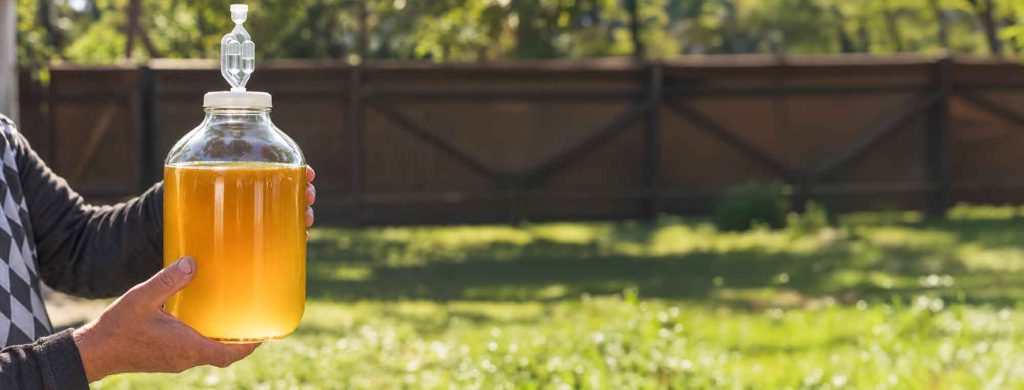
Yes. You can make a traditional mead with only those three ingredients.
It may ferment successfully, especially at a modest starting gravity with healthy yeast and suitable fermentation conditions. It may also ferment slowly, stop early, or develop unwanted flavors. The outcome depends on the honey, yeast strain, gravity, temperature, and other conditions.
Here is a simple experiment if you want to test the idea:
- Make two small batches from the same honey and water.
- Use the same yeast strain and starting gravity.
- Give one batch an appropriate nutrient addition.
- Leave the other batch without added nutrients.
- Keep both at the same temperature.
- Record gravity and taste the finished meads.
This comparison will teach you more than a hundred arguments about whether nutrients are necessary. Do not assume that the batch that starts faster will necessarily finish better. Compare final gravity, aroma, flavor, and fermentation reliability.
A Note on Nutrients and Natural Mead
Some traditional meads were made without modern nutrient products. That does not mean their makers had discovered a secret way to make honey contain more nitrogen.
They worked with different recipes, ingredients, yeast populations, and fermentation conditions. Some meads fermented successfully. Others may have fermented slowly or retained residual sugar.
Modern nutrients give you more control and consistency. They are tools, not a requirement for the name “mead.”
If your goal is to make a simple traditional mead without buying anything extra, start with a lower-gravity recipe and good fermentation practices. If your goal is to make a strong mead reliably, proper nutrients are usually worth the small additional cost.
Common Mistakes to Avoid
| Mistake | Why it causes problems |
| Relying on raisins alone | Their usable nutrient contribution is inconsistent. |
| Making a very high-gravity must | High sugar and eventual alcohol create more stress. |
| Assuming fruit solves everything | Fruit nutrients vary and may not meet yeast needs. |
| Adding more honey to a slow fermentation | More sugar does not fix a nutrient deficiency. |
| Raising the temperature too much | Excess heat can stress yeast and create unwanted flavors. |
| Aerating throughout fermentation | Late oxygen exposure can damage the mead. |
| Assuming bubbles mean fermentation is healthy | Airlock activity does not measure gravity or yeast health. |
| Adding random ingredients to a stuck batch | You may create new problems without fixing the original one. |
Bottom Line
You can make mead without commercial yeast nutrients. You do not have to buy a collection of powders before you make your first batch. Your practical options include making a lower-alcohol mead, using fruit or juice, adding boiled baker’s yeast, using a little malt extract, choosing a suitable yeast strain, and controlling gravity, temperature, and oxygen.
Some of these methods provide nutrients. Others simply reduce the demands on the yeast or improve fermentation conditions. They are not interchangeable, and none guarantees success.
If you want to make the simplest possible mead, start with a modest gravity and a healthy yeast pitch. If you want a strong, predictable mead, use a suitable nutrient plan.
Your yeast is not asking for a luxury spa. It just needs more than honey and positive thoughts.