If you are new to homebrewing, one of the first things you will learn about Star San is that it is a no-rinse sanitizer.
That means you normally do not rinse it off after sanitizing your brewing equipment. We commonly say “don’t fear the foam!”
This can feel strange. You may be used to rinsing soap or cleaning products from anything that touches food or drinks. Star San works differently.
When properly diluted and used according to its instructions, you can drain the sanitizer from your equipment and use the equipment without rinsing it with water. In fact, rinsing sanitized equipment with ordinary tap water can introduce microorganisms again.
What Does “No-Rinse” Mean?
“No-rinse” means that you do not need to rinse the sanitizer from the equipment after the required contact time.
For Star San, the important steps are:
- Clean the equipment.
- Rinse it as required after cleaning.
- Apply properly diluted Star San.
- Allow the required contact time.
- Drain the equipment.
- Use the equipment.
You do not need to rinse it with water after sanitizing.
Why Doesn’t Star San Need to Be Rinsed?
Star San is designed to be used as a no-rinse sanitizer. When properly diluted, the small amount of sanitizer that remains on the equipment is not expected to cause a problem.
Five Star’s current instructions describe Star San as a no-rinse sanitizer when used at the recommended concentration. The product is acidic. The small amount that remains after draining is very different from putting concentrated Star San into your homebrew.
You are using a diluted sanitizing solution to wet the equipment. Then you drain it.
Should I Let Star San Drain Completely?
You should allow excess sanitizer to drain. You do not need to dry the equipment with a towel. You also do not need to rinse it with water.
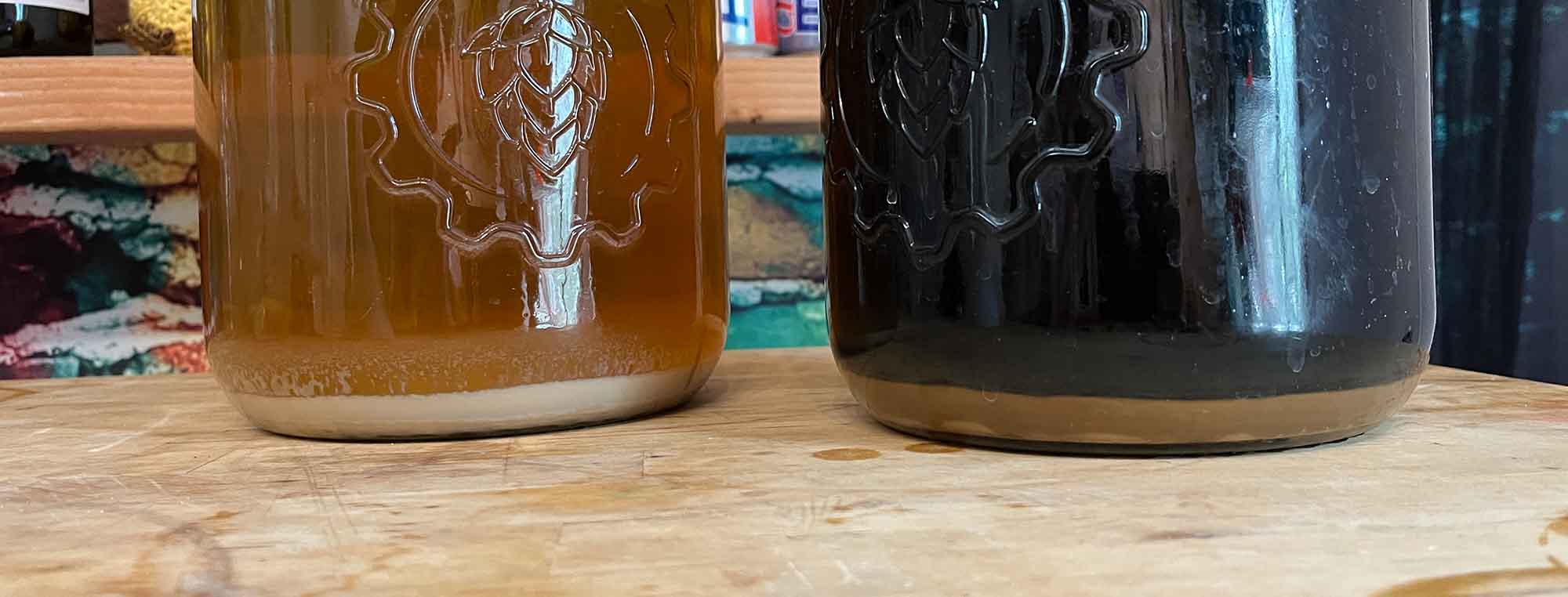
For example, after sanitizing a fermenter, drain the excess Star San. A small amount of foam and liquid remaining inside is normal. You can then add your wort, beer, mead, wine, or cider.
What About All That Foam?
This is one of the biggest concerns for new brewers.
Star San produces a lot of foam. It can look like you have filled your fermenter with soap. You do not need to rinse the foam away, as the foam is a normal part of using Star San.
Five Star specifically states that the foam is harmless and that Star San can be used without rinsing when used as directed. Let the foam drain as much as practical. Then use the equipment.
Will Star San Foam Ruin My Beer?
No. A small amount of Star San foam will not ruin your beer. You may see foam sitting inside a fermenter after you drain it.
That is normal. You can add your wort directly to the fermenter. The foam will usually collapse quickly. You do not need to wipe it away.
Can I Rinse Star San With Water?
You can physically rinse it. The question is whether you should.
For normal homebrewing, there is no reason to rinse Star San after sanitizing. If you rinse with tap water, you can introduce microorganisms onto the surface you just sanitized.
You can also introduce minerals and other material from the water. The whole point of a no-rinse sanitizer is to eliminate this extra step.
Why Would Someone Rinse Star San?
The most common reason is psychological.
People see foam and think:
“I don’t want that in my beer.”
That is understandable. Star San looks like a detergent. It is not being used like a detergent.
You are not washing your fermenter with Star San. You are sanitizing the surface. Once you understand that distinction, the foam becomes much less concerning.

Does Star San Taste Bad?
Concentrated Star San should obviously never be consumed. Properly diluted Star San is a different matter. The tiny amount that remains on properly drained brewing equipment is not expected to affect the finished beverage.
Do not add Star San directly to your beer. Do not drink concentrated sanitizer. Use the product according to its instructions.
Is Star San Toxic?
Star San concentrate is a chemical product and should be handled according to its safety instructions. Concentrated sanitizer can irritate the skin and eyes.
Do not drink it. Do not deliberately expose yourself to it. The no-rinse designation applies to properly diluted sanitizer used according to the product instructions.
It does not mean that concentrated Star San is harmless.
How Much Star San Can Remain?
You do not need to remove every last drop. After the sanitizer has contacted the surface for the required time, drain the excess. A thin film or small amount of liquid can remain.
This is one of the reasons no-rinse sanitizers are so convenient. Trying to dry every surface completely would add unnecessary work.
How Long Does Star San Need to Contact the Equipment?
Follow the current product instructions.
Five Star currently recommends a minimum contact time of approximately 1–2 minutes for Star San. Make sure the sanitizer contacts the entire surface. For a fermenter, that may mean filling or swirling enough sanitizer to wet the entire interior.
For tubing, sanitizer needs to contact the inside of the tubing. For bottles, the sanitizer needs to contact the entire inside surface.
Do I Need to Keep Star San on the Surface Longer?
Not usually. Longer contact is not necessarily better. Simply use the manufacturer’s recommended contact time.
Once the required contact time has passed, drain the equipment. You do not need to keep your equipment submerged in Star San for hours.
Do I Need to Sanitize Before Cleaning?
No. The normal order is:
Clean → Rinse → Sanitize
Cleaning removes organic material. Sanitizing reduces microorganisms. If equipment is dirty, the sanitizer may not contact the surface effectively. Do not use Star San as your primary cleaner.
What If My Fermenter Has Dried Krausen?
Clean it first.
Dried krausen can contain:
- Yeast.
- Proteins.
- Sugars.
- Other organic material.
Soaking with an appropriate brewing cleaner can help remove it.
After the fermenter is clean, rinse it as directed. Then sanitize it with Star San. Do not try to solve dried krausen with extra sanitizer.
What If My Equipment Looks Clean?
It still needs to be sanitized before use.
Cleaning and sanitizing solve different problems. A fermenter can look perfectly clean while still containing microorganisms. Sanitize the equipment after cleaning.
Then do not rinse the Star San away.
What About Bottles?
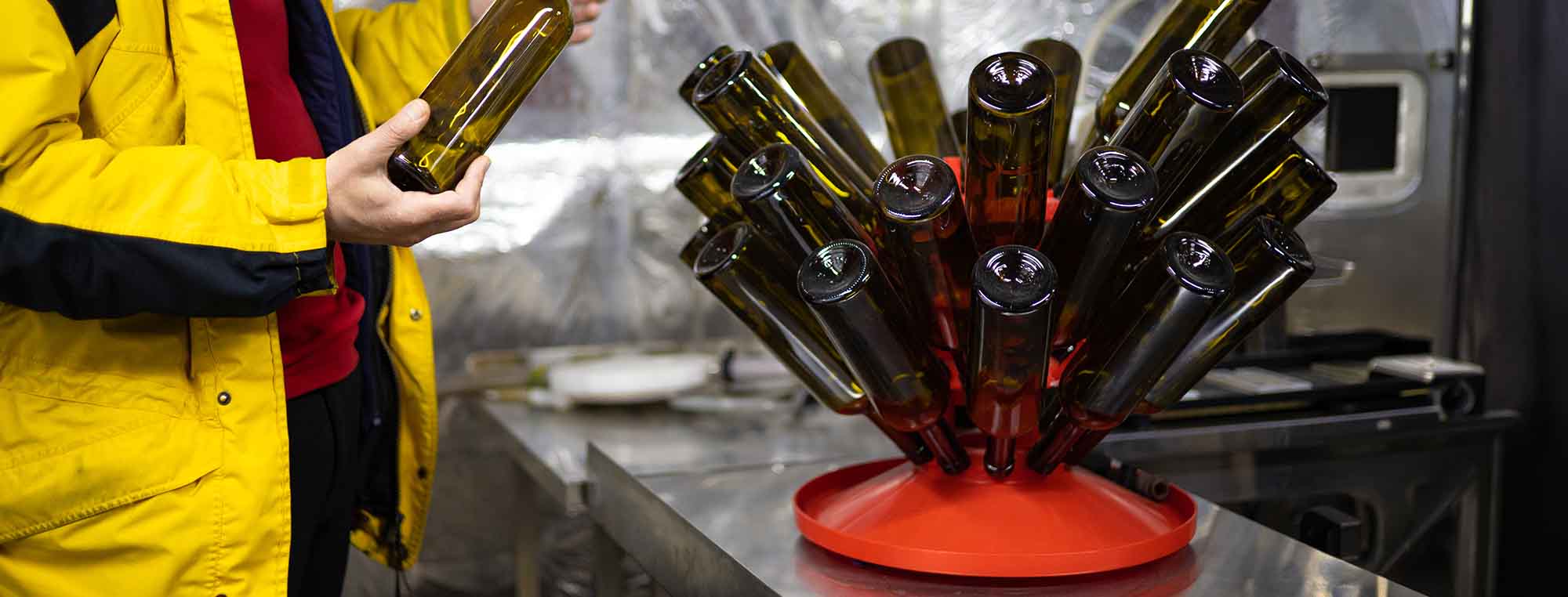
The same principle applies. Clean the bottles. Remove any dried beer or residue and rinse them.
Then sanitize them.
After the required contact time, drain them. Do not rinse them with tap water. Allow the remaining Star San to drain.
Then fill the bottles.
What About Bottle Caps?
Bottle caps can also be sanitized before use, though many homebrewers do not. If you’d like to, here’s how:
- Place them in properly diluted Star San according to the product instructions.
- Allow the required contact time.
- Drain them.
- Do not rinse them with tap water.
- Handle the caps carefully after sanitizing. Avoid touching surfaces that will contact the beer.
What About Kegs?
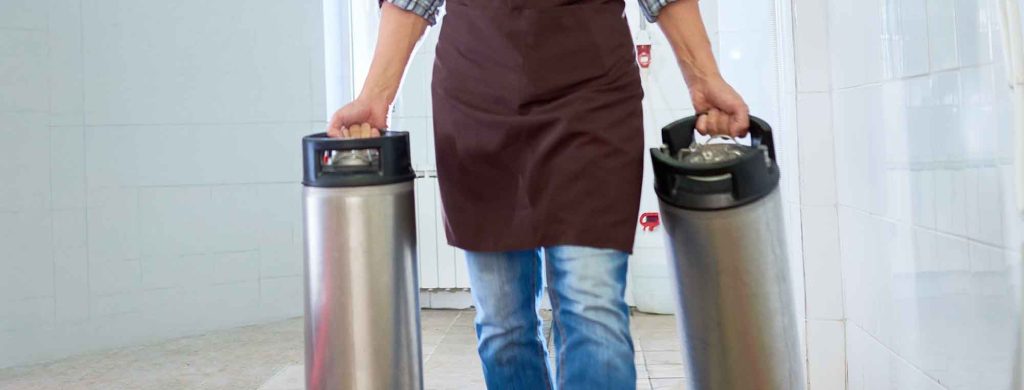
Kegs are another good example of why no-rinse sanitizer is useful. Clean the keg first.
Rinse away the cleaning solution. Then fill or circulate Star San through the keg. Make sure it contacts the internal surfaces.
Drain the sanitizer. You can then fill the keg with beer. There is no need to rinse the keg with tap water.
What About Siphon Tubing?
Tubing needs special attention. Clean the inside. Then run Star San through the tubing.
Make sure the entire interior is exposed. Allow the required contact time. Then drain the sanitizer. Do not rinse the tubing with tap water. The small amount of sanitizer remaining inside the tubing is preferable to reintroducing untreated water.
What About an Auto-Siphon?
Clean the auto-siphon after use. Before use, sanitize the entire assembly.
Make sure Star San contacts the inside surfaces. Allow the required contact time. Drain it – do not rinse it. This is especially important because the auto-siphon comes into direct contact with your beer.
What About a Hydrometer?
A hydrometer should be clean and sanitized before it contacts your beverage.
Place it in Star San for the required contact time. Drain it. Then use it.
Be careful with glass hydrometers, as they can easily break.
Can Star San Get Into My Beer?
A small amount of properly diluted Star San residue can enter the beverage. That is actually part of how a no-rinse sanitizer is designed to work.
You should still drain excess sanitizer. You should not intentionally add Star San to your beer. There is a major difference between a small amount of residual sanitizer on equipment and adding sanitizer directly to the beverage.
What If I Accidentally Rinse Star San?
Do not panic. If you rinsed a fermenter with clean tap water after sanitizing it, simply sanitize it again.
Drain the Star San. Then use the equipment.
You have not ruined anything. The problem with rinsing is that it can undo some of the sanitation work. It is easy to correct.
What If I Used Distilled Water?
Distilled water is an excellent choice for making Star San. It contains very little mineral material. This can help the mixed sanitizer maintain its acidity during storage.
It does not change the basic no-rinse instructions. You still do not need to rinse the sanitizer from your equipment.
What If My Star San Is Cloudy?
Cloudiness does not automatically mean that you need to rinse it. Check out our article about how long Star San lasts.
It also does not automatically mean that the sanitizer has failed.
Minerals in water can react with the acid and make the solution cloudy. If you are using stored Star San, check its pH. The important question is whether the solution remains within the appropriate acidic range.
Does the Foam Contain Star San?
Yes. The foam is produced by the sanitizer solution. As the foam collapses, a small amount of liquid remains.
This is normal. You do not need to remove every bubble.
Can I Wipe Star San Off?
No. Avoid wiping a sanitized surface with a towel. The towel can introduce microorganisms.
Let the equipment drain. If necessary, shake or tip it to remove excess sanitizer. Then use it.
Can I Air-Dry Sanitized Equipment?
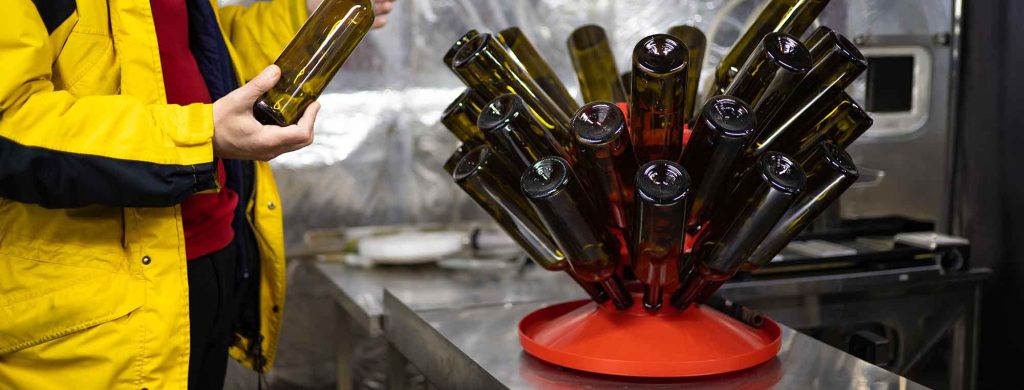
You can allow excess sanitizer to drain and the equipment to dry.
However, you do not need to wait for complete drying before using the equipment. In many situations, using the sanitized equipment promptly is preferable. If you allow equipment to sit exposed to the environment, dust and microorganisms can settle onto it.
What If Star San Dries on the Equipment?
A thin residue is not normally a reason to panic. Star San is an acid sanitizer. When properly diluted, the residue left after draining is generally not a problem.
If you see a large amount of dried residue or mineral deposits, clean the equipment before the next use. Then sanitize it again.
Is Star San the Same as Soap?
No. This is worth repeating. Soap and detergent are primarily cleaning products. Star San is a sanitizer.
You should not use Star San to remove dried beer residue. The basic brewing process is: Clean first. Sanitize second.
What About Other No-Rinse Sanitizers?
Star San is not the only no-rinse sanitizer. Other brewing sanitizers can also be designed for no-rinse use. The exact instructions can differ.
Always read the label for the specific product you are using and do not assume that instructions for Star San apply to another sanitizer.
What If I Prefer to Rinse?
You can choose a different sanitation process.
If a product requires rinsing, rinse it according to the manufacturer’s instructions. However, if you are using Star San as a no-rinse sanitizer, rinsing is unnecessary. The advantage of Star San is that you can sanitize equipment and use it without introducing another water source afterward.
Is Rinsing Star San Ever Necessary?
For normal brewing use, no.
There can be exceptions related to using the product outside its intended application or when following specific manufacturer or regulatory instructions.
For ordinary homebrew equipment, the intended process is simple:
- Clean it.
- Sanitize it.
- Drain it.
- Do not rinse it.
The Bottom Line
No, you normally do not need to rinse Star San.
Star San is specifically designed to function as a no-rinse sanitizer when properly diluted and used according to its instructions.
The process is:
- Clean the equipment.
- Rinse away the cleaning solution.
- Apply Star San at the correct dilution.
- Make sure all surfaces are contacted.
- Allow the required contact time.
- Drain the excess.
- Use the equipment.
Do not rinse the Star San away with tap water. The foam is not a problem. A small amount of properly diluted Star San left on the equipment is not a reason to panic.
And perhaps most importantly, do not confuse cleaning with sanitizing.
Star San is not there to remove dried yeast or beer residue. Clean the equipment first. Then let Star San do the job it was designed to do.
Clean. Sanitize. Drain. Don’t rinse.