Hops can add flavor and aroma to beer and mead.
Hops can provide:
- Citrus
- Pine
- Resin
- Floral
- Herbal
- Spicy
- Tropical fruit
- Stone fruit
- Green and fresh notes
The same hop can produce different results when you change the variety, amount, timing, temperature, and fermentation process. The goal is not always to use more hops.
The goal is to extract the compounds you want while reducing unwanted bitterness, oxidation, and vegetal flavors.
Know What Hops Contribute
Hops contain many different compounds. The most important groups for brewing include:
- Alpha acids
- Beta acids
- Essential oils
- Polyphenols
Alpha acids are the main source of bitterness while hop oils contribute much of the aroma. Polyphenols can affect flavor, mouthfeel, haze, and astringency. Different brewing processes extract these compounds in different ways.
Choose the Right Hop Variety
The first step is choosing hops with the flavor and aroma you want.
Common hop character groups include:
Citrus
Examples include:
- Grapefruit
- Lemon
- Orange
- Lime
Tropical Fruit
Examples include:
- Mango
- Passion fruit
- Pineapple
- Guava
Stone Fruit
Examples include:
- Peach
- Apricot
- Plum
Resin and Pine
Examples include:
- Pine
- Resin
- Evergreen
- Woody notes
Floral and Herbal
Examples include:
- Flowers
- Tea
- Herbs
- Spice
Read the hop supplier’s description, but do not treat the description as a guarantee.
Growing region, harvest year, storage, and processing can change hop character.
Use Fresh Hops
Hop quality has a major effect on aroma. Hops lose aroma compounds as they age.
Buy hops from a supplier that packages and stores them correctly.
Look for:
- Recent crop year
- Vacuum packaging
- Nitrogen-flushed packaging
- Cold storage
- Low oxygen exposure
Keep opened hops cold. For long-term storage, freezing is useful when the hops are well packaged.
Avoid repeatedly opening and closing a large bag. Small packages can reduce oxygen exposure after opening.
Choose the Right Hop Form
Homebrewers commonly use:
- Whole cone hops
- Hop pellets
- Cryo hops
- Extracts
- Hop oils
Each form has different advantages.
Whole Cone Hops
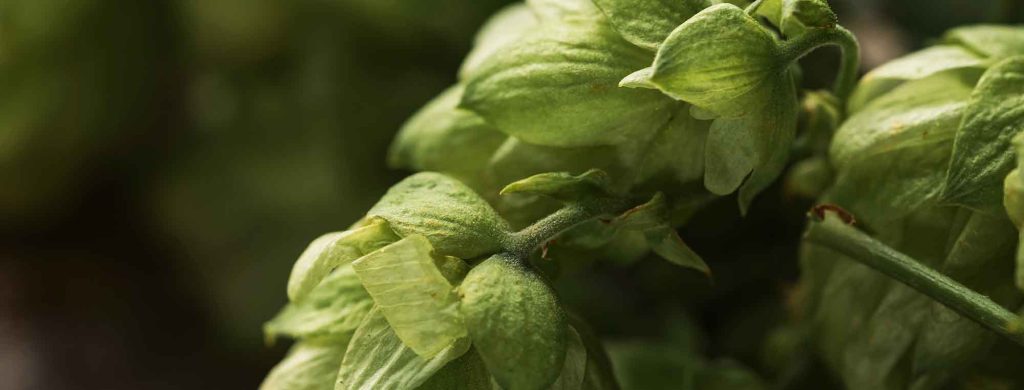
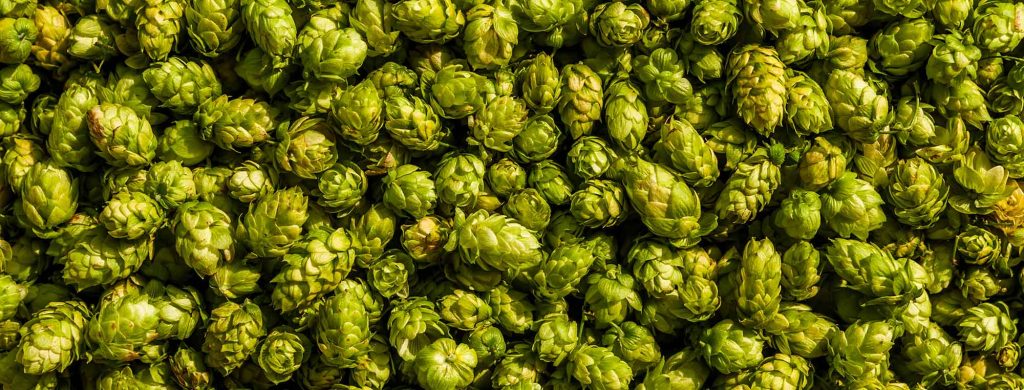
Whole cone hops are the complete dried hop flower. They can provide excellent aroma. They also take more storage space and can absorb beer or mead during use.
Whole hops can be difficult to use in some equipment.
Hop Pellets
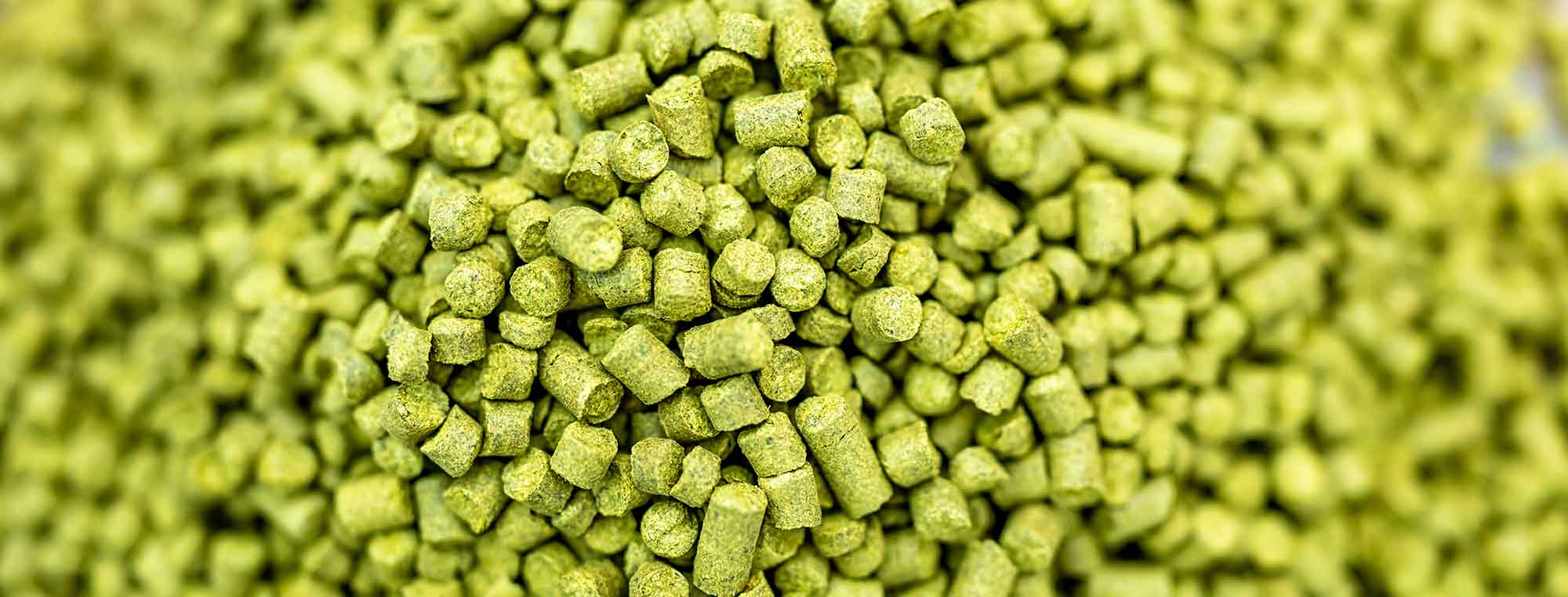
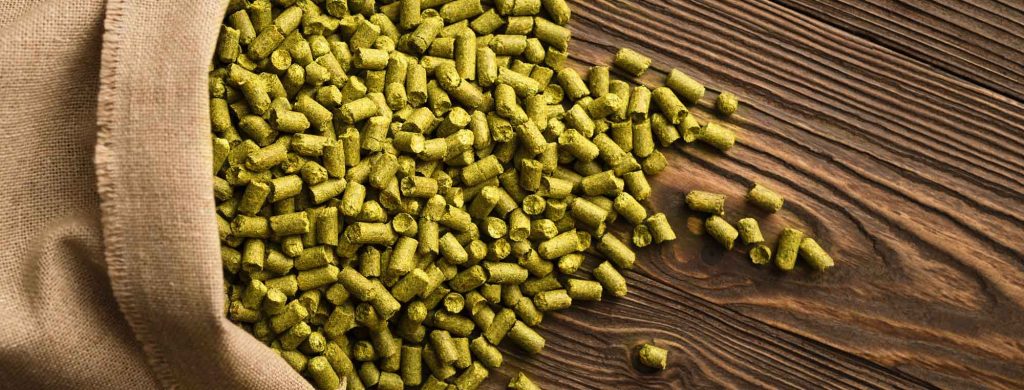
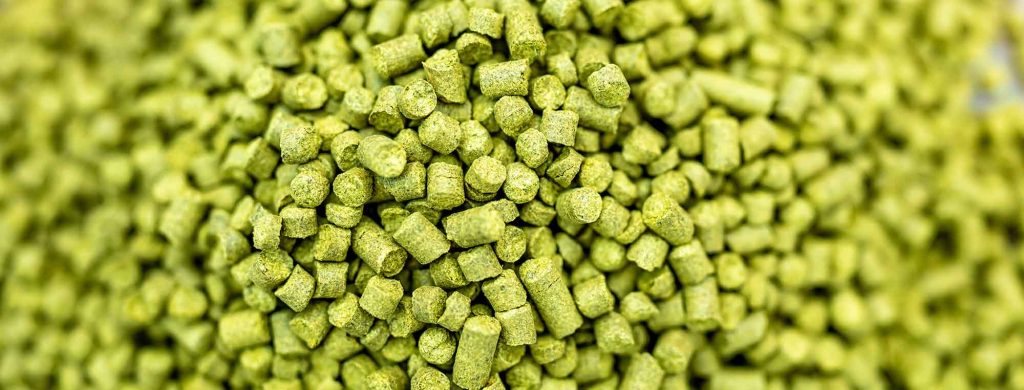
Pellets are the most common form of hops for homebrewing. The hop flowers are milled and compressed.
Pellets are easy to store and measure. They also break apart during brewing and provide good extraction. Pellets are usually the easiest choice for most homebrewers.
Cryo Hops
Cryo hops are a concentrated hop product. Manufacturers separate much of the hop material from the lupulin-rich fraction. Cryo hops can provide high hop-oil content with less plant material.
Use the supplier’s recommended dosage.
Cryo hops can be useful when you want high aroma with less vegetal material.
Hop Extract
Hop extract contains concentrated hop compounds. Some products provide bitterness while other products provide aroma.
Extract can provide consistent results and can reduce the amount of plant material in the beer.
Hop Oil
Hop oils contain concentrated hop aroma compounds. They can provide strong aroma without adding large amounts of hop material.
Important: use a product designed for brewing and follow the manufacturer’s dosage instructions. Small changes in dosage can have a large effect.
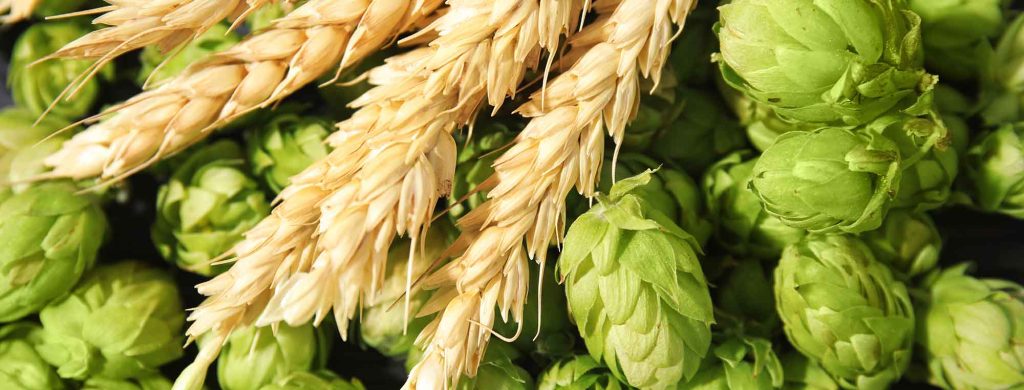
Hop Timing in Beer
When you add hops changes what they contribute.
Bittering Addition
Hops added early in the boil provide bitterness. The long exposure to heat changes and extracts alpha acids.
Most volatile aroma compounds are lost during the boil. A long boil is therefore not the best way to maximize hop aroma.
Late Boil Addition
Adding hops near the end of the boil can provide more flavor and aroma.
The hops receive less heat exposure. However, some bitterness is still produced.
Whirlpool Addition
A whirlpool addition occurs after the main boil.
The wort remains hot, but the temperature is lower than during the boil. This can extract hop oils while reducing the loss of volatile compounds.
A thermometer is useful for controlling whirlpool temperature.
A common approach is to cool the wort to a selected temperature before adding the hops. The correct temperature depends on the desired result and the hop variety.
Dry Hopping
Dry hopping means adding hops after the boil. The hops are added to fermented or partially fermented beer. Dry hopping can provide strong hop aroma without adding much bitterness.
Common dry-hop locations include:
- Primary fermenter (often at “high krausen“)
- Secondary fermenter
- Keg
The timing affects the result.
Biotransformation
Yeast can change some hop-derived compounds during fermentation, a process often called “biotransformation.” Adding hops during active fermentation can produce different aromas from the same hops added after fermentation. This can be useful for hop-forward beer.
The exact result depends on the yeast strain, hop variety, timing, temperature, and other conditions. Do not assume that every hop variety will produce the same effect.
Dry Hopping in Mead
Hops can also work well in mead.
Hopped mead can combine:
- Honey character
- Hop aroma
- Hop flavor
- Acidity
- Alcohol
Mead does not contain malt or the same wort compounds as beer. This can make hop aroma seem different. A clean, dry mead can provide a good base for hop aroma.
Add Hops During Fermentation
Adding hops during active fermentation can create biotransformation effects. It can also reduce some hop aroma because carbon dioxide can carry volatile compounds out of the vessel.
This can be useful when you want yeast and hop character to interact.
Add Hops After Fermentation
Adding hops after fermentation can preserve more fresh hop aroma. This method is useful when you want the hop character to remain clearly defined.
Keep oxygen exposure low!
Dry Hopping Equipment
Useful equipment includes:
- Hop bag
- Stainless steel hop tube
- Stainless steel mesh basket
- Fermentation vessel
- Siphon
- Keg
- CO₂ system
- Sanitizer
A hop bag can make hop removal easier, while a stainless steel mesh tube is reusable. A large hop basket can work well for large hop additions.
Do not pack hops pellet tightly into a small bag as they will expand up to three times their original volume. All dried hops expand when they contact liquid, though pellets are the worst offenders. They need enough space for liquid to move through them.
Dry Hop in the Keg
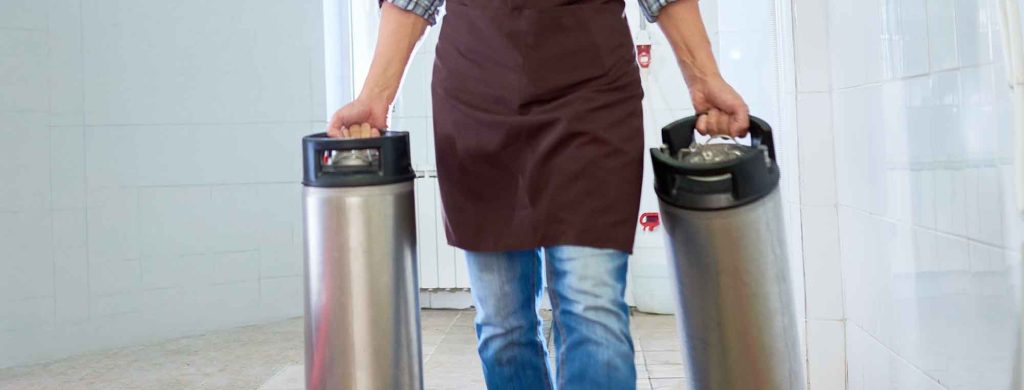
Adding hops directly to a keg can produce strong aroma.
This method has an important advantage: the keg can remain closed. You can add hops through the keg before filling it, or use equipment designed for closed hop additions.
When adding hops directly in the keg before transferring your brew, a sanitized stainless steel hop tube or mesh container can hold the hops inside the keg. A floating hop system can also keep hops near the surface.
The main benefit of this practice is reduced oxygen exposure. The main risk is excessive extraction. Long contact can increase vegetal, grassy, or bitter flavors.
Closed Dry Hopping
A closed dry-hop system can reduce oxygen exposure. This is especially useful for highly aromatic beers.
The basic process can use:
CO₂ → sealed fermenter → hop addition → closed transfer
The exact equipment depends on the fermentation vessel.
Pressure-capable equipment is required for pressurized transfers. Never pressurize a vessel unless the manufacturer has rated it for pressure. A glass carboy is not a pressure vessel.

Oxygen Is the Enemy of Hop Aroma
Hop aroma is sensitive to oxidation.
Oxygen exposure can cause:
- Dull hop aroma
- Darker color
- Stale flavors
- Loss of fresh fruit character
This is especially important for heavily dry-hopped beer. Reduce oxygen exposure after fermentation begins.
Useful practices include:
- Closed transfers
- CO₂ purging
- Purged kegs
- Low-splash transfers
- Purged hop containers
- Fresh hops
- Cold storage
CO₂ Purging
Carbon dioxide can replace air in a container.
You can use CO₂ to purge:
- Kegs
- Fermenters
- Bottles
- Hop containers
- Transfer lines
A CO₂ tank, regulator, and gas line are required.
Do not assume that a short burst of CO₂ completely removes oxygen from a container. Repeated purging or liquid displacement can provide better oxygen control.
Closed Transfers
A closed transfer moves beer or mead from one pressure-capable vessel to another without exposing the beverage to air.
A common system uses:
CO₂ pressure → fermenter → beverage line → keg
The receiving keg is purged with CO₂ before the transfer. This is one of the best ways to protect hop aroma during packaging. Use equipment rated for the pressure.
Hop Stands and Whirlpool Systems
A hop stand is a period when hops remain in hot wort after the boil.
A whirlpool system circulates the wort.
Useful equipment includes:
- Brewing kettle
- Pump
- Whirlpool port
- Thermometer
- Hop basket
You can also create a whirlpool manually with a sanitized brewing spoon or paddle. A pump provides more consistent circulation.
Hop Bags and Baskets
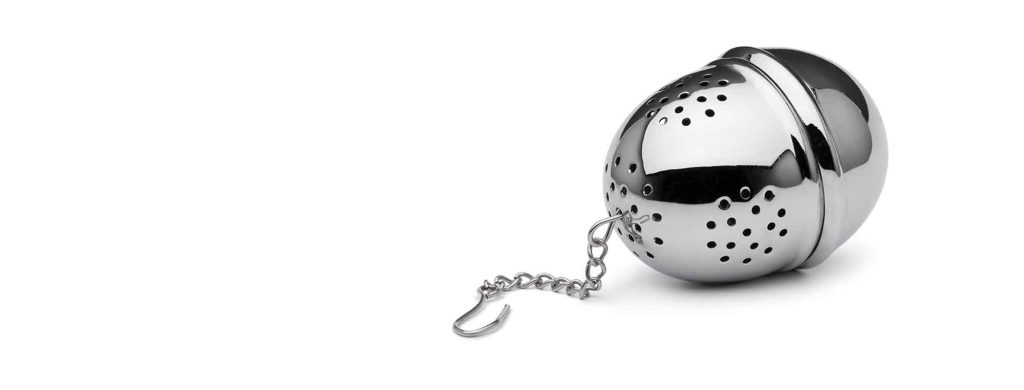
Hop containment can make cleanup easier.
Common options include:
- Nylon hop bags
- Muslin bags
- Stainless steel mesh bags
- Hop tubes
- Hop baskets
A bag can reduce hop material in the finished beer.
A basket can allow more liquid movement around the hops. Do not use a container that is too small for the hop charge.
Water Chemistry for Beer
Water chemistry can affect how hop flavor and bitterness are perceived.
Important ions include:
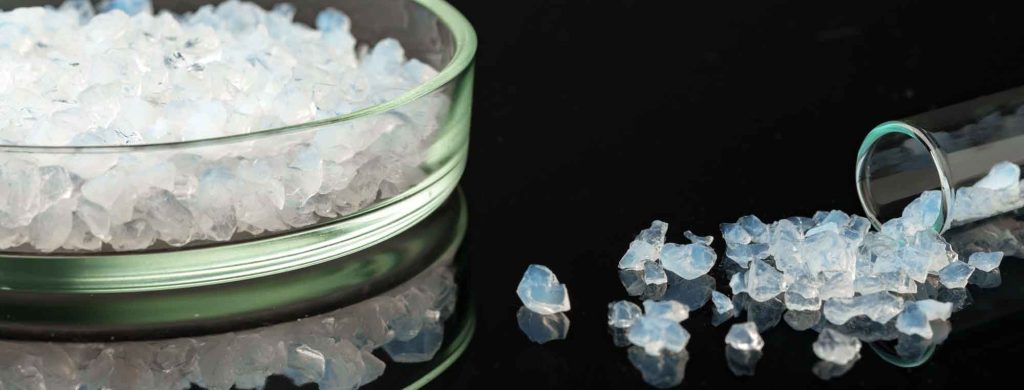
Sulfate can increase the perception of hop bitterness and dryness. Chloride can increase the perception of body and fullness.
The correct balance depends on the beer. Do not add minerals without testing your starting water. A water report can provide the information you need, and some hardware stores will provide one for free if you’re willing to sit through a sales pitch on water treatment systems!
A brewing water calculator can then help determine appropriate additions.
Water Chemistry for Mead
Mead has a different starting composition from beer. Honey contains relatively little mineral content compared with malt wort.
Some meads can therefore benefit from careful nutrient and mineral management. Do not copy a beer water profile directly into a mead recipe. Start with the water you use and adjust based on the mead recipe and target flavor.
Yeast and Hop Aroma
Yeast affects hop aroma. Different yeast strains can produce different fermentation aromas.
Some strains can enhance fruity hop character, while other strains can produce a cleaner profile. Choose the yeast based on the complete recipe. A highly expressive yeast can change how the same hop tastes.
Yeast Nutrients in Mead
Mead often has lower yeast nutrients than beer wort.
Honey is rich in sugar but does not provide the same nutrient profile as malt wort.
Healthy yeast can improve fermentation performance and reduce unwanted fermentation character.
Common mead nutrients include:
- Yeast nutrient blends like Fermaid-O and Fermaid-K
- Diammonium phosphate
- Organic nitrogen sources
Follow the manufacturer’s dosage instructions. Do not add large amounts of nutrients late in fermentation.
Use a nutrient schedule that matches the yeast and recipe.
pH and Hop Character
pH affects the perception of flavor. Beer brewers often monitor mash and wort pH.
Mead makers can monitor pH during fermentation, though there’s little reason to do so.
A pH meter can help you identify large changes. Do not adjust pH only because a number is outside a preferred range. Taste the beverage and consider the complete fermentation process.
Enzymes and Hop Aroma
Some brewing enzymes can affect the release of aroma compounds. Certain enzymes can break down glycosidic compounds and release aroma-active molecules.
Products designed for this purpose are sometimes used in hop-forward beer. Follow the manufacturer’s instructions. And note that enzymes can produce different results with different hop varieties and yeast strains.
They are optional tools, not required.
Hop Extracts and Post-Fermentation Adjustment
Hop extracts and oils can be useful when you want to adjust aroma after fermentation. This provides a high level of control. You can taste the finished beer or mead and add a small amount of hop product.
Add the product in small amounts. Mix carefully. Allow time for the aroma to integrate. Taste again before adding more.
This approach can be useful when a beer or mead needs more hop aroma but the fermentation is already complete.
Avoid Excessive Hop Contact
More hop material does not always produce better aroma.
Very large dry-hop additions can produce:
- Grass
- Vegetal flavors
- Astringency
- Excessive bitterness
- Hop burn
Large hop additions can also cause significant beer loss.
Use tasting and measurement to determine when the hops have produced the desired result.
Hop Creep
Dry hopping can sometimes cause additional fermentation.
Hops contain enzymes that can break down certain carbohydrates. These enzymes can make additional fermentable sugar available to yeast. This effect is often called hop creep.
Hop creep can cause:
- Lower final gravity
- Additional alcohol
- Carbon dioxide production
- Diacetyl production
- Overcarbonation if the beer is packaged too early
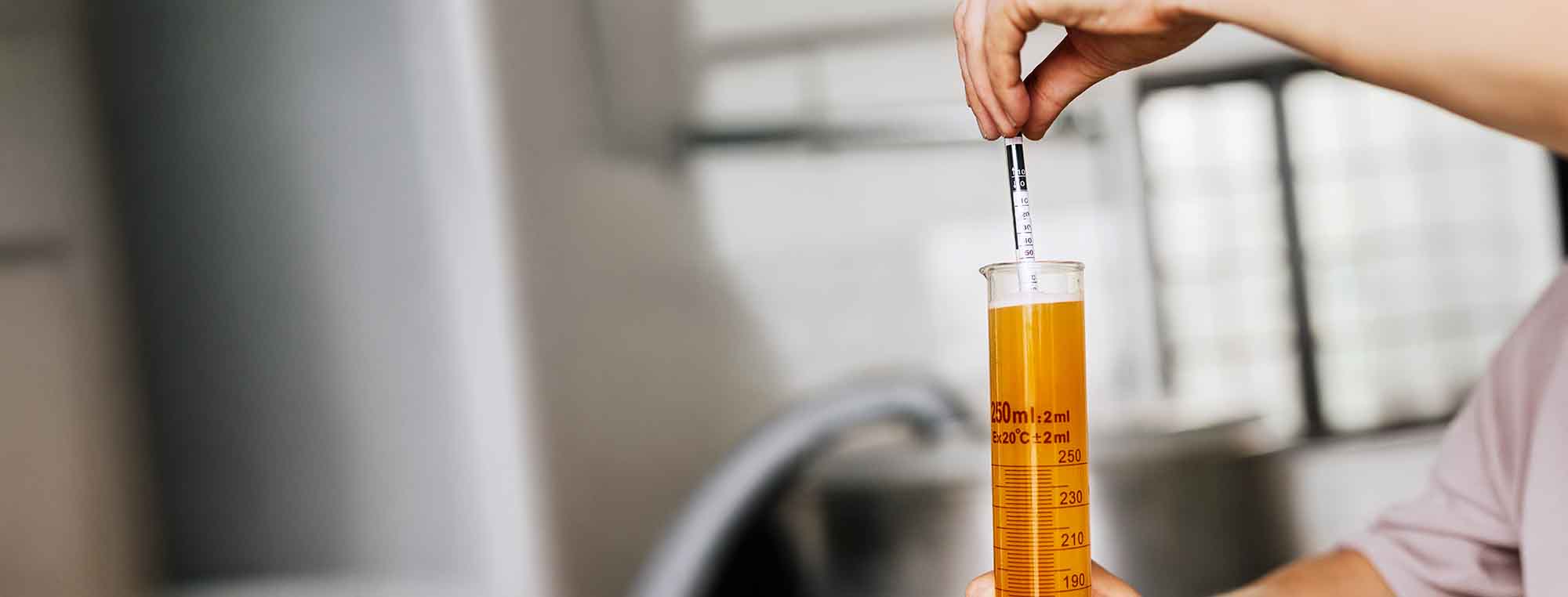
Monitor gravity after dry hopping.
Do not assume that fermentation is finished simply because the beer had reached a stable gravity before dry hopping.
Dry Hop Temperature
Temperature affects extraction.
Warmer temperatures can increase extraction speed. Cooler temperatures can reduce extraction speed. There is no single temperature that produces the best result for every hop.
A practical approach is to choose a temperature based on the beer style, hop variety, and desired aroma. Keep the beer cold after the desired hop extraction is complete.
A Practical Hop-Maximizing Process
For a hop-forward beer:
- Select fresh hops.
- Store the hops cold and protected from oxygen.
- Use an appropriate bittering addition.
- Add late-boil hops when desired.
- Add whirlpool hops at a controlled temperature.
- Ferment with an appropriate yeast.
- Consider a fermentation-stage hop addition.
- Dry hop after fermentation when appropriate.
- Limit oxygen exposure.
- Monitor gravity for hop creep.
- Remove the hops when the flavor is correct.
- Use a closed transfer when possible.
- Package in a purged keg.
- Keep the finished beer cold.
For a hopped mead:
- Select a honey with a flavor that supports the hops.
- Select fresh hops.
- Ferment the mead with healthy yeast.
- Use an appropriate nutrient schedule.
- Add hops during fermentation if you want yeast-hop interaction.
- Add hops after fermentation if you want a fresher hop profile.
- Avoid unnecessary oxygen exposure.
- Monitor gravity after hop additions.
- Remove the hops when the desired flavor is reached.
- Transfer with minimal oxygen exposure.
- Carbonate if desired.
- Store the finished mead cold.

Equipment for Maximum Hop Aroma
A brewer who wants to maximize hop character can gradually add equipment.
A basic system can use:
- Fresh hops
- Hop bags
- Fermentation vessel
- Hydrometer
- Sanitizer
- Keg
- CO₂ tank
- CO₂ regulator
A more advanced system can add:
- Stainless steel hop basket
- Temperature-controlled fermentation
- Whirlpool pump
- Whirlpool port
- Closed-transfer equipment
- CO₂-purging equipment
- Pressure-capable fermenter
- Multiple regulators
- Hop extract or hop oil
- Brewing water analysis
- pH meter
The Most Important Variables
You do not need expensive equipment to make a highly aromatic beer or mead.
Focus on these variables first:
- Fresh hops
- Correct hop selection
- Correct timing
- Healthy fermentation
- Controlled temperature
- Low oxygen exposure
- Good sanitation
- Cold storage
Equipment can make these goals easier. It cannot replace good ingredients and good process control.
The best hop aroma comes from treating hops as a delicate flavor ingredient rather than simply adding more of them.
Use fresh hops, extract the compounds you want, protect them from oxygen, and stop the extraction when the flavor is right.