Top-cropping is a traditional way to collect yeast from an active fermentation.
The brewer removes healthy yeast from the top of a fermenting beer. The yeast can then be used to ferment another beer.
This is different from simply collecting yeast from the bottom of a fermenter.
Top-cropping can produce very healthy yeast. It also gives brewers a way to reuse yeast from one batch to the next.
What Is Top-Cropping?
Top-cropping means collecting yeast from the surface of an actively fermenting beer.
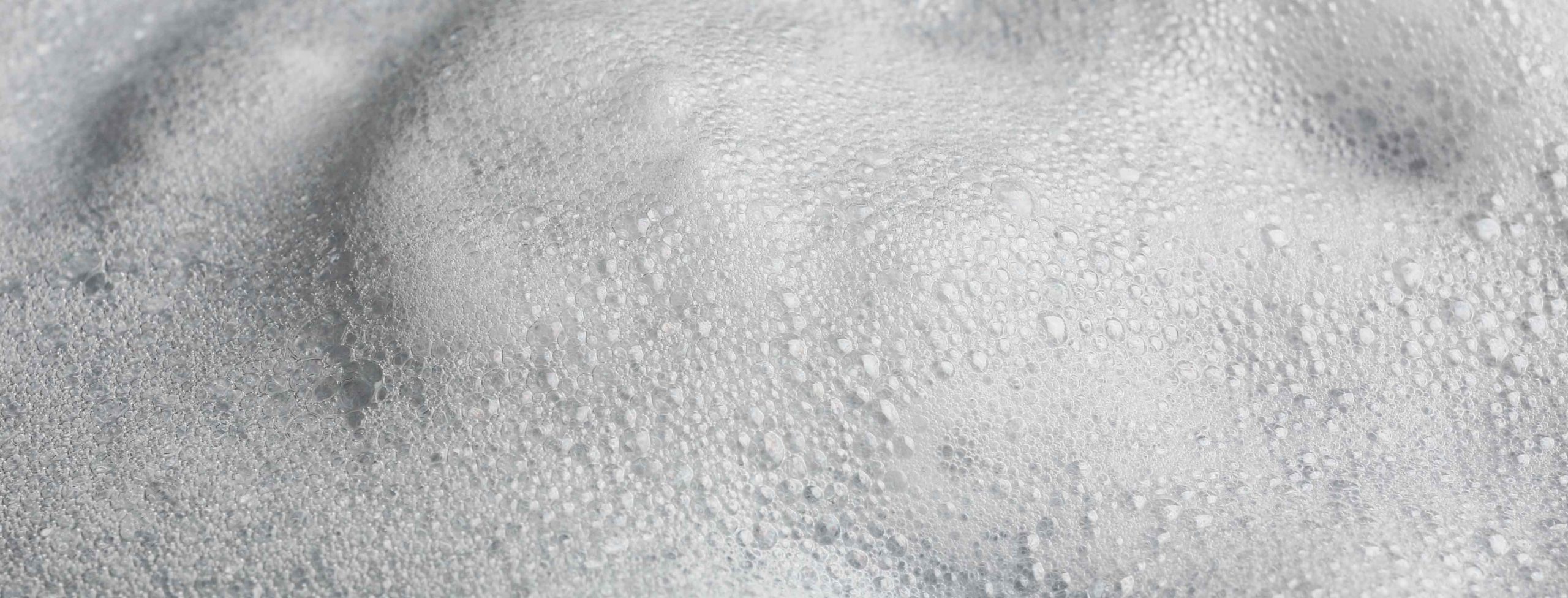
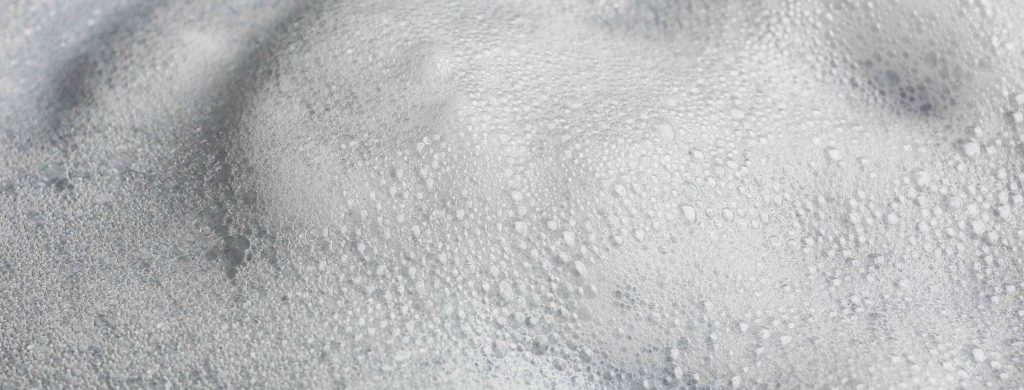
The yeast rises with the foam produced during fermentation. A thick layer of yeast and foam can form on top of the beer. This material is called krausen.
Some yeast strains produce a thick and stable krausen. These strains are particularly well suited to top-cropping.
The brewer removes some of the yeast-rich material and saves it for another fermentation.
Why Top-Crop Yeast?
Yeast is one of the most expensive ingredients in many homebrews.
A healthy yeast culture can often ferment several batches. Top-cropping lets you reuse that yeast. It can also provide very active yeast for the next batch. The harvested yeast is already adapted to fermentation conditions, which can help produce a fast start in the next beer.
Top-Cropping vs. Harvesting From the Bottom
Traditional yeast harvesting often involves collecting yeast from the bottom of a fermenter. This yeast settles after fermentation slows.
Top-cropping collects yeast while fermentation is still active.
The two methods are not identical.
- Top-cropping can provide a cleaner population of actively fermenting yeast.
- Bottom-harvested yeast can contain more trub, hop material, and other sediment.
Both methods can work. Top-cropping is especially useful with yeast strains that produce a strong krausen.
What Kind of Yeast Can You Top-Crop?
Top-cropping is most closely associated with traditional ale brewing.
Many English ale strains work very well. Some Belgian and other expressive ale strains also produce large krausen. Lager yeast normally settles differently.
It is therefore less commonly harvested by top-cropping.
The behavior depends on the specific yeast strain. Some strains simply do not produce enough surface yeast for practical top-cropping.
When Should I Top-Crop?
Timing is important.
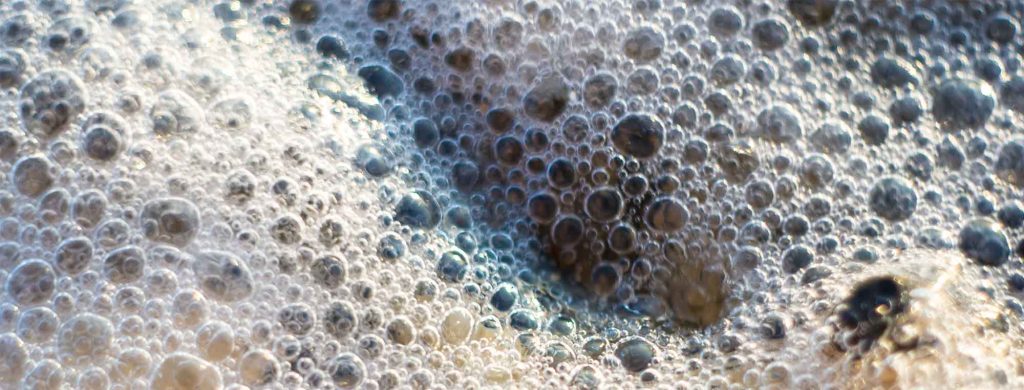
Do not wait until fermentation is finished. The best time is usually during active fermentation. Look for a thick layer of healthy krausen, called high krausen.
The yeast should be actively fermenting. The krausen should still be present.
A good harvesting window is often around the middle of primary fermentation. The exact timing depends on the yeast and fermentation.
What Should Healthy Top-Cropped Yeast Look Like?
Healthy yeast usually appears pale cream to light tan.
It should look thick and yeast-rich. A small amount of foam is normal. Some beer will also be present. That is not a problem.
Avoid material that contains large amounts of dark hop matter or trub. You should also avoid yeast that looks unusual or contaminated.
What Should I Avoid?
Do not collect yeast from a fermenter that shows signs of contamination.
Do not collect yeast after adding ingredients that you do not want to carry into the next beer. This includes some dry hops and other late additions.
Do not collect material that contains a large amount of trub.
Do not use yeast from a beer with an obvious fermentation problem. The quality of the harvested yeast depends on the quality of the source beer.
What Equipment Do I Need?
You do not need specialized equipment.
You need:
- A clean container
- Brewing sanitizer
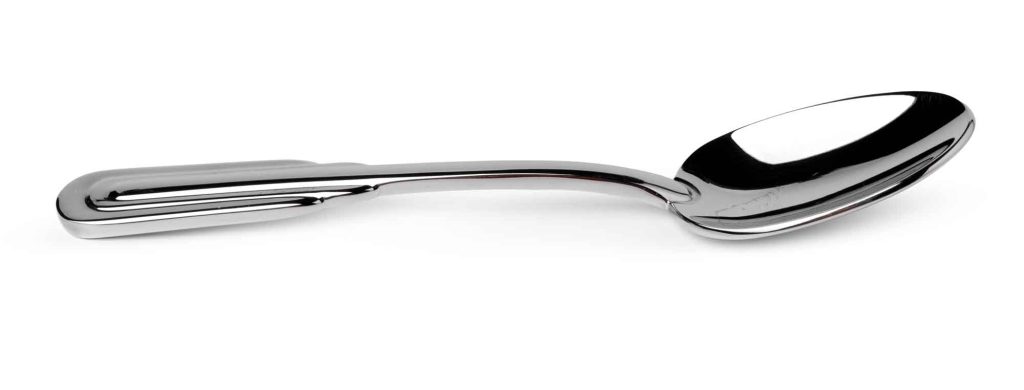
- A sanitized spoon or scraper
- A clean lid or cover
- Labels
A wide-mouth jar works well. A small food-safe container can also work.
The container must be clean and sanitized before you collect the yeast.
Step 1: Choose the Right Beer
Start with a healthy fermentation.
The beer should have a yeast strain that produces a useful krausen. Avoid harvesting from a beer with contamination or an obvious fermentation problem.
The beer should also be a good candidate for reuse. If you dry hop heavily, consider harvesting before adding the dry hops.
Step 2: Sanitize Your Equipment
- Clean the collection container.
- Rinse it thoroughly.
- Sanitize the container.
- Sanitize the spoon or scraper.
- Sanitize anything else that will touch the yeast.
Cleanliness is critical. You are removing yeast from a protective fermentation environment, and you then expose that yeast to the outside environment.
Step 3: Wait for Active Krausen
Watch the fermentation.
Wait until a substantial layer of krausen has formed. The yeast should be actively fermenting. The exact timing depends on the yeast strain and fermentation temperature. Do not harvest simply because a certain number of hours have passed. Watch the beer.
Step 4: Remove the Top Layer
Open the fermenter carefully and use a sanitized spoon or scraper. Remove the thick yeast-rich layer from the top. Do not dig deeply into the beer. The goal is to collect the healthy surface yeast.
Place it directly into the sanitized container. Close the container after collection.
Step 5: Label the Yeast
Write down:
- Yeast strain
- Date
- Source beer
- Original gravity
- Alcohol level
- Hop additions
- Any other useful information
This information becomes important when you reuse the yeast.
Step 6: Use the Yeast Soon
Fresh top-cropped yeast is highly active, so using it soon gives you the best chance of a strong fermentation. You can pitch it directly into another appropriate beer when practical.
You can also store it in the refrigerator for later use. Fresh is generally better.
How Long Can I Store Top-Cropped Yeast?
Yeast loses viability during storage. Fresh yeast is therefore preferable. Refrigeration slows this process.
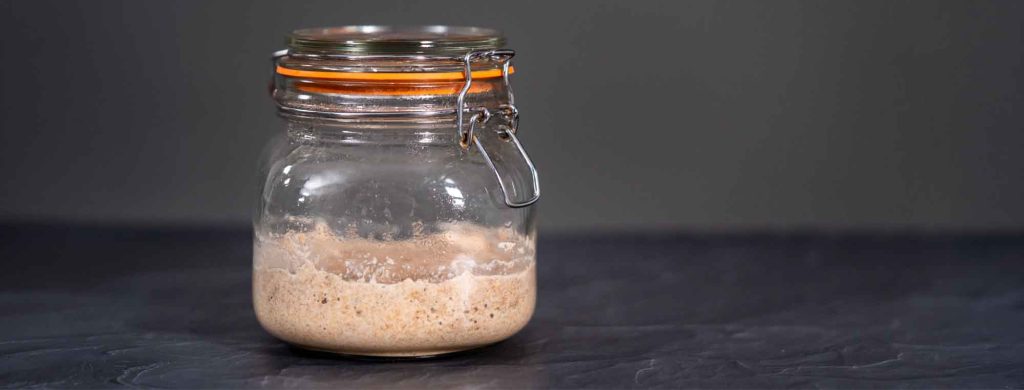
Store the yeast in a clean, sealed container in the refrigerator. Do not freeze ordinary harvested yeast unless you are using a proper yeast preservation method. Home-harvested yeast does not have an indefinite shelf life.
If the yeast has been stored for a long time, consider making a starter. A starter can help determine whether the yeast is still active and can increase the amount of healthy yeast available for fermentation.
Do I Need to Wash the Yeast?
Usually, no.
Yeast washing is often unnecessary. Top-cropping already allows you to collect relatively clean yeast.
Repeated washing can also add handling steps and contamination opportunities. If the harvested yeast contains some beer, that is normally acceptable.
If it contains large amounts of trub or hop material, it may be better to discard it.
How Many Times Can I Reuse Top-Cropped Yeast?
There is no fixed number.
Some brewers reuse a yeast culture many times. However, each generation creates an opportunity for contamination and changes in the yeast population. Yeast can also change over repeated fermentations. The risk increases when you repeatedly reuse yeast from beers with high alcohol levels or other stressful conditions.
Keep good records.
If the yeast begins to behave differently or produce unwanted flavors, replace it.
Can I Reuse Yeast From a Strong Beer?
You can.
However, strong beers can place significant stress on yeast. The yeast may not be in the same condition as yeast from a moderate-gravity beer.
If you want to harvest yeast for future use, a moderate-strength beer is often a better source. This is another reason to plan your brewing schedule. A clean, moderate-gravity beer can provide excellent yeast for a later batch.
Can I Harvest Yeast After Dry Hopping?
You can, but it is not ideal.
Hop material can become mixed with the yeast. Some hop compounds can also affect yeast performance.
If you plan to reuse the yeast, harvesting before dry hopping is usually better. This is one of the easiest ways to keep the harvested yeast clean.
Can I Harvest Yeast From a Beer With Fruit?
It is usually better to avoid it.
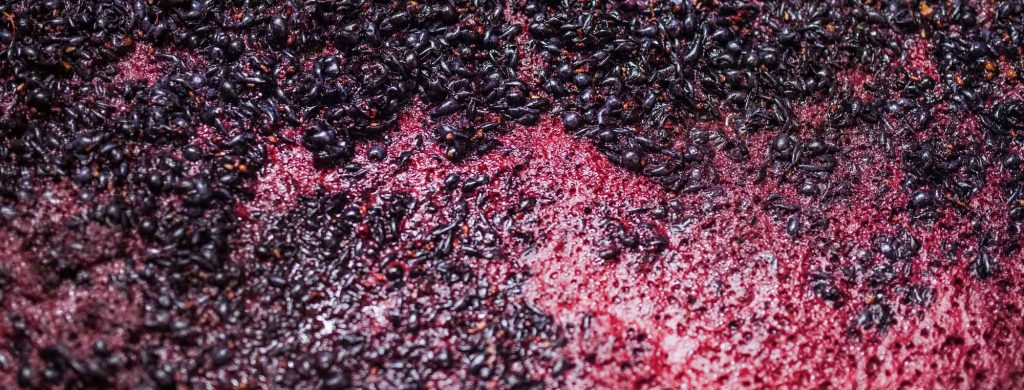
Fruit can introduce additional microorganisms. Fruit material can also make the harvested yeast difficult to separate from other material.
If you want reusable yeast, harvest it from a clean beer before adding fruit.
Can I Harvest Yeast From a High-Hopped Beer?
You can, but the same issue applies. Hop material can become mixed with the yeast. A less heavily hopped beer is generally a better source.
This is particularly useful when you want a clean yeast culture for another recipe.
Does Top-Cropped Yeast Change the Next Beer?
It can.
The yeast contributes flavor to beer. The source beer can also contribute some flavor compounds and other material.
Use the yeast in a beer where its character is appropriate. For example, yeast harvested from a strongly characterful Belgian ale may not be the best choice for a very neutral lager. Think about the source beer when planning the next batch.
Can I Top-Crop the Same Yeast From Batch to Batch?
Yes. This is one of the main benefits of the process. You can build a brewing schedule around a yeast strain.
For example:
Batch 1: English pale ale
Harvest the yeast.
Batch 2: English bitter
Harvest the yeast again.
Batch 3: English brown ale
The same yeast can continue through the brewing schedule.
This can reduce yeast costs. It can also help create consistency between related beers.
Top-Cropping and Open Fermentation
Traditional top-cropping was often done with open fermentation vessels.
Modern homebrewers usually ferment in closed vessels. You can still top-crop a beer from a bucket or other fermenter. However, opening the fermenter creates an opportunity for contamination.
Work quickly and use sanitized equipment. Keep the fermenter open for as little time as practical.
Common Top-Cropping Mistakes
Waiting until fermentation is finished
The best surface yeast is collected during active fermentation.
Collecting too much trub
Stay near the surface.
Avoid digging into the sediment.
Collecting after dry hopping
Hop material can contaminate the harvested yeast.
Using dirty equipment
A small amount of contamination can spoil the culture.
Storing yeast for too long
Fresh yeast is more reliable.
Failing to label the yeast
You may forget the strain or source beer.
Reusing questionable yeast
Do not try to save yeast from a contaminated or badly flawed beer.
Is Top-Cropping Worth Doing?
Yes. It is an excellent technique for brewers who regularly make beer.
It can reduce yeast costs. It can provide very active yeast. And it also connects modern brewing with a traditional brewing practice.
The method is especially useful for ale strains that produce a large, healthy krausen.
The Bottom Line
Top-cropping is the practice of harvesting healthy yeast from the top of an actively fermenting beer.
The best time is usually during strong primary fermentation.
- Use clean and sanitized equipment.
- Collect the thick yeast-rich krausen.
- Avoid excessive trub, hops, fruit, and other unwanted material.
- Label the harvested yeast.
- Use it while it is fresh whenever possible.
You can often reuse the yeast for another batch. The key is to harvest healthy yeast from healthy beer.
If you plan your brewing schedule carefully, one package of yeast can become the starting point for several excellent beers.