
You made your mead. You did everything you thought you were supposed to do.
Then you tasted it. It is too sweet.
This can also happen when you backsweeten a dry mead. You add honey or another sweetener, taste it, and realize that you added too much.
Do not panic.
A mead that is too sweet can often be fixed. The best method depends on what you want the finished mead to taste like.
First: Is the Mead Actually Too Sweet?
Before you change the mead, taste it carefully.
A mead can taste sweet for several reasons:
- It may contain a lot of residual sugar.
- It may have low acidity.
- It may have very little tannin.
- The yeast may have produced a ton of glycerol.
- You may have accidentally used an ingredient with artificial or otherwise nonfermentable sweeteners (like “lite” apple juice)
- It may have a high alcohol level that gives it a sweet or warming impression.
These factors can work together.
A mead with a moderate amount of residual sugar can taste much sweeter if it has very low acidity. This means that removing sugar is not always the best solution. Sometimes you need to improve the balance.

Check the Gravity
If you have a hydrometer, take a reading. This tells you how much sugar remains in the mead.
If the mead was fermented dry and you later added honey, the gravity will tell you that the honey increased the sugar level.
If you know the gravity before backsweetening and the gravity after backsweetening, you can also use the difference to estimate how much sugar you added.
Do not rely on the airlock. Do not rely only on taste. A hydrometer gives you useful information about what is actually in the mead.
If the Mead Finished Too Sweet
If the mead finished fermentation with more residual sugar than you wanted, you have two basic choices:
Ferment the remaining sugar.
Or:
Keep the sugar and change the balance.
Which option you choose depends on the mead. If the mead tastes good except for the sweetness, you may not want to restart fermentation.
If it tastes like sweet honey water with little structure, fermentation or blending may be a better solution.
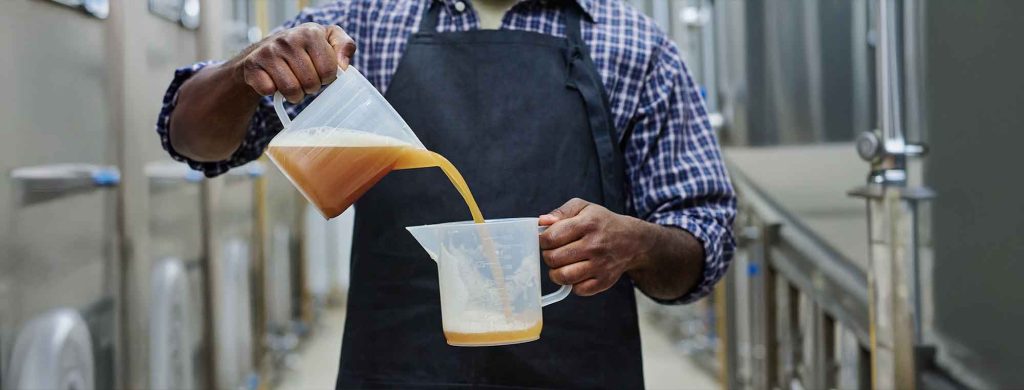
Option 1: Blend It With a Dry Mead
Blending is one of the simplest ways to reduce the sweetness of a finished mead.
You combine the sweet mead with a dry mead. The dry mead lowers the concentration of sugar. It can also add acidity, alcohol, tannin, and other flavor characteristics.
The important part is to make a small test first.
Make a Blending Trial
Take several small samples.
For example, make four glasses:
- 75% sweet mead + 25% dry mead
- 50% sweet mead + 50% dry mead
- 25% sweet mead + 75% dry mead
- 100% sweet mead
Taste them side by side. Find the ratio that gives you the balance you want. Then use that ratio for the full batch.
This is much safer than guessing. It also gives you a chance to discover that the mead needs something other than dilution.
Avoid Oxygen When Blending
Blending can introduce oxygen into your mead. This is especially important with finished mead because fermentation is no longer producing enough CO₂ to protect the wine. When you blend, avoid splashing or pouring the meads from a height.
Instead:
- Transfer the meads with a siphon or other low-splash method.
- Keep the tubing below the surface of the receiving mead.
- Fill the receiving vessel from the bottom when possible.
- Keep the headspace small.
- Keep the vessel sealed after blending.
If you are making a small bench trial, oxygen is less important because you will usually drink the sample soon.
For the full batch, treat the blend like any other finished mead: move it gently and keep air exposure to a minimum.
Option 2: Add Acidity
Acidity is one of the most useful ways to balance a sweet mead.
It does not remove sugar, rather, it changes the relationship between sweetness and acidity. A sweet mead with low acidity can taste heavy and syrupy. A sweet mead with enough acidity can taste bright and refreshing.
Common winemaking acids include:
Fruit can also provide acidity.
Do not add acid directly to the full batch without testing it first.
Make an Acid Bench Trial
Take several small samples of the mead. Add a measured amount of diluted acid to each sample. Use different amounts for each sample.
Taste the samples.
Look for the point where the mead tastes more balanced. Do not keep adding acid until the sweetness disappears, as too much acid creates a different problem.
Your goal is balance.
Option 3: Add Tannin
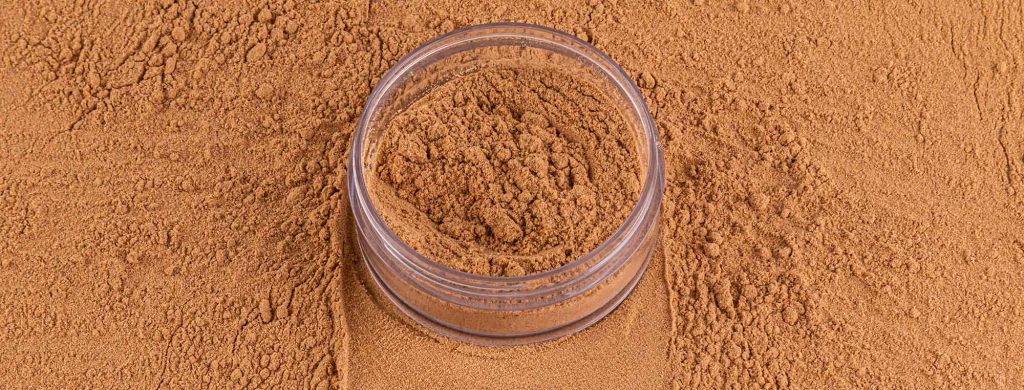
Tannin can also help balance a sweet mead.
Tannin adds structure and can create a drying sensation. This can make a sweet mead feel less syrupy.
You can get tannin from:
- Powdered wine tannin
- Oak cubes
- Oak spirals
- Oak chips
- Other oak products
Powdered wine tannin gives you the most direct control.
Oak adds tannin plus oak flavors. If you use oak, you are also adding flavors such as vanilla, toast, spice, and coconut depending on the oak.
As with acid, make a bench trial first. A small tannin addition can improve a sweet mead. A large tannin addition can make it harsh and astringent.
Option 4: Dilute It
You can dilute an overly sweet mead with water.
This reduces the concentration of:
- Sugar
- Alcohol
- Acidity
- Flavor compounds
That last point is important. Water does not only remove sweetness. It removes some of the character of the mead.
This can make the finished mead taste thin.
If you want to use water, test it in a small sample first. Add a measured amount of water and taste the result. If the diluted sample tastes thin, blending with a dry mead may be a better option.
Option 5: Ferment the Sugar
If the mead contains fermentable sugar, you may be able to ferment some or all of it. This is the most direct way to reduce the actual sugar content. However, it is not always easy.
A finished mead may already contain enough alcohol to stress the yeast.
The yeast may have already reached its practical alcohol tolerance. If the mead was originally fermented to a high alcohol level, adding more yeast does not guarantee that fermentation will restart.
If you want to attempt this, identify the cause of the original fermentation problem first.
If the yeast stopped because of temperature, nutrition, or another correctable problem, fixing that problem may allow fermentation to continue. If the yeast stopped because the mead is already too alcoholic, restarting fermentation can be much more difficult.
For a detailed discussion of stuck fermentation, see our guide to restarting a stuck mead fermentation.

What If I Backsweetened Too Much?
This is a very common problem.
You have a dry mead. You want it slightly sweet, so you add honey.
You stir. You taste it. It is now much sweeter than you wanted.
The good news is that this is usually easier to correct than a fermentation that stopped unexpectedly.
You know what caused the sweetness. Because you added it.
Do Not Add More Yeast Immediately
If you backsweetened a finished mead with honey, you have added fermentable sugar. If you want the mead to remain sweet, you normally do not want that sugar to ferment. You may have even stabilized the mead prior to sweetening.
If you add yeast, you may simply start fermentation again.
Instead, decide whether you want:
- A drier mead
- A less sweet mead
- The same sweetness with better balance
Then choose the appropriate correction.
If You Want It Drier
If you backsweetened with honey and you now want a drier mead, you can allow the yeast to ferment the added sugar.
This can work if the yeast is still capable of fermentation. However, do not assume that fermentation will restart simply because you added more honey.
A high-alcohol mead can be difficult for yeast. A stabilized mead will likely not restart at all.
If fermentation does restart, monitor the gravity. Do not bottle until you know that fermentation is complete and the gravity is stable.
If You Want It Less Sweet
If the mead is too sweet but you do not want to ferment all the sugar away, blending is usually a simple solution.
Make small samples using a dry mead.
For example:
100 mL sweet mead + 25 mL dry mead
100 mL sweet mead + 50 mL dry mead
100 mL sweet mead + 100 mL dry mead
Taste the samples. Once you find the balance you like, scale that ratio to the full batch.
If You Like the Sweetness But Not the Syrupy Taste
This is a different problem.
The mead may not actually be too sweet. It may simply lack enough acidity or tannin to balance the sweetness. In that case, do not automatically remove sugar.
Try an acid or tannin bench trial. You may find that a small adjustment produces the result you want while allowing the mead to keep its honey character.

Can I Add More Water?
Yes.
This is especially useful if the mead is both too sweet and too strong. Water reduces both the sugar concentration and the alcohol concentration.
However, it also reduces flavor and body. Always make a small trial before diluting the full batch.
Note that adding water does carry some risk of oxidizing the mead over time, since water often has dissolved oxygen in it (since gas dissolves readily into water).
Can I Add a Dry Mead Instead of Water?
Yes. This is often a useful alternative.
A dry mead can dilute the sugar while adding more mead flavor. It can also change the acidity, tannin, alcohol, and aroma of the blend.
If you have a compatible dry mead available, make a blending trial before adding water.
Do Not Bottle an Unstable Sweet Mead
This is especially important if you have added fermentable sugar. A mead that contains fermentable sugar can begin fermenting again.
If that happens inside a sealed bottle, pressure can build. This can produce overcarbonation, leaking bottles, or broken bottles.
Do not assume that a mead is stable because the airlock is quiet. Use gravity readings and an appropriate stabilization process.
How Do I Fix an Overly Sweet Mead Without Ruining It?
Make changes in this order:
1. Taste It
Decide what you actually dislike.
Is it:
- Too much sugar?
- Too little acidity?
- Too little tannin?
- Too much alcohol?
- A combination?
2. Take a Gravity Reading
This tells you more about the actual sugar content.
3. Make Small Trials
Use small samples before treating the full batch.
Test:
- Dry mead
- Acid
- Tannin
- Water
You can also test combinations.
4. Choose the Smallest Correction
If a small acid addition fixes the balance, there is no reason to dilute the entire batch.
If blending fixes the problem, you do not need to restart fermentation.
If the mead really does contain too much fermentable sugar, fermentation may be the appropriate solution.

A Simple Example
Imagine you have one gallon of finished mead. It tastes good, but it is much sweeter than you want. Do not immediately dump anything into the carboy.
Instead, take four 100 mL samples.
Try:
- 100 mL original mead
- 75 mL mead + 25 mL dry mead
- 50 mL mead + 50 mL dry mead
- 25 mL mead + 75 mL dry mead
Taste them.
If the 50/50 sample tastes right, you now have a starting point for calculating the full-batch blend. You can perform the same type of trial with acid or tannin.
This is the basic winemaking principle: make the mistake in a glass before you make it in a gallon.
The Bottom Line
If your finished mead is too sweet, you have several ways to correct it.
You can:
- Blend it with a dry mead.
- Add acidity.
- Add tannin.
- Dilute it with water.
- Ferment some of the remaining sugar.
If you backsweetened too much, the same options apply.
The important part is to decide whether you want to remove some of the sugar or balance the sweetness that is already there.
Do not assume that every sweet mead needs to be fermented dry. A well-balanced sweet mead can be excellent. The goal is not to remove every gram of sugar, but rather to make the mead taste the way you want it to taste.