Choosing bottles for homebrew is easy once you know what to look for.
For most beginners, the best bottle is a brown glass beer bottle with a standard pry-off crown-cap opening. These bottles are inexpensive, easy to reuse, and designed to hold carbonated beverages. They also work for much more than beer.
The same bottles can be used for:
- Cider
- Mead (carbonated or still)
- Kombucha
- Sparkling fruit wine
- Root beer
- Other carbonated homebrew
For still mead, wine, and some fruit wines, other bottle types may be better.
The important rule is:
Choose the bottle based on whether the finished drink is carbonated or still.
A bottle designed for still wine should not be used for a carbonated drink.
The Short Answer
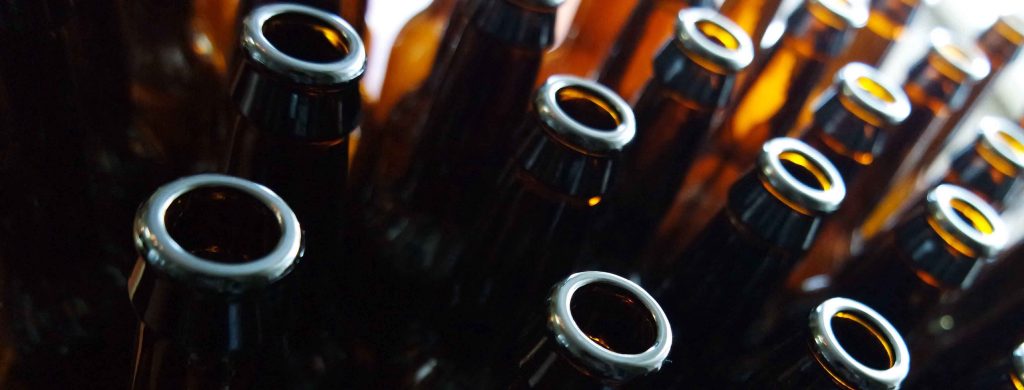
For a beginner making carbonated homebrew, the best all-purpose choice is: brown glass, pry-off beer bottles with crown caps.
For a typical 5-gallon batch, buy or collect approximately 50–55 12-ounce bottles.
- If you want easier bottling, consider swing-top bottles.
- If you want inexpensive bottles, reuse commercial beer bottles.
- If you make still wine or mead, use wine bottles instead.
- If you make highly carbonated beverages, use bottles that are specifically designed and rated for the pressure involved.
What Makes a Good Homebrew Bottle?
A good homebrew bottle should:
- Hold the beverage without leaking.
- Handle the pressure created by carbonation.
- Have a suitable closure.
- Be easy to clean.
- Be easy to sanitize.
- Protect the beverage from light when needed.
- Be easy to store.
- Be easy to obtain again.
For beer, brown glass is usually the best choice because light can damage beer.
Brown Glass Beer Bottles
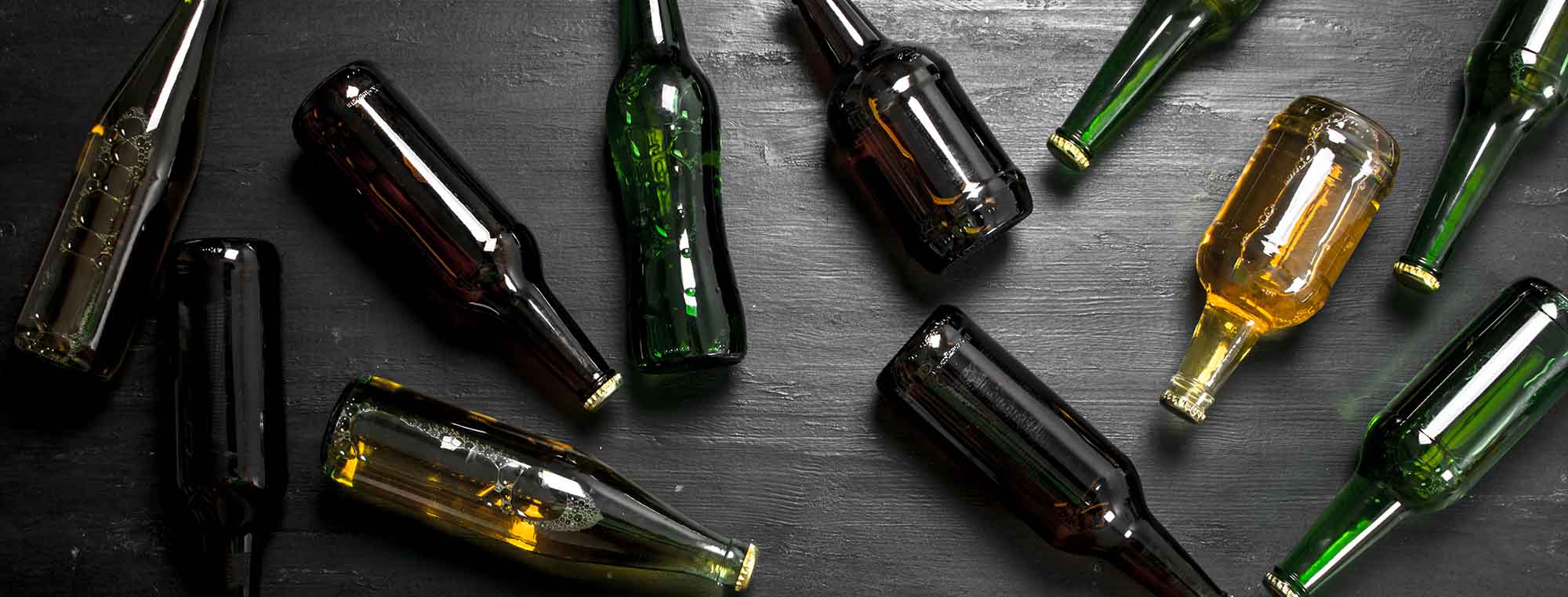
Brown beer bottles are the standard choice for homebrew.
They are especially useful for:
- Beer
- Cider
- Carbonated mead
- Kombucha
Brown glass helps protect beer from light. For most beginners, this is the bottle to buy.
Why Does Beer Need Protection From Light?
Hops contain compounds that can react with light, a process accelerated by the Vitamin B from the malt.
This can create the unpleasant “skunky” character associated with light-struck beer.
Brown glass provides more protection than clear glass. This does not mean you can leave beer in direct sunlight. Keep all homebrew away from direct light.

Are Green Beer Bottles Good for Homebrew?
They can be used.
However, green glass provides less protection from light than brown glass.
Green bottles are common for some commercial beers because the bottle color became associated with certain beer brands and traditions.
For homebrew, there is little reason to choose green glass over brown glass. If you already have green bottles, you can use them. Just keep them away from light.
Are Clear Beer Bottles Good for Homebrew?
Clear bottles can work.
They are useful when you want to see the color of the beverage.
They can be attractive for:
- Mead
- Cider
- Fruit wine
- Kombucha
- Light-colored beers
However, clear glass provides little protection from light. For beer, store clear bottles in a dark place.
What Is a Pry-Off Bottle?
A pry-off bottle has a glass lip designed to accept a crown cap.
You remove the cap with a bottle opener. These are the classic reusable beer bottles used by homebrewers. They work with a standard bottle capper.
Do not use twist-off bottles, as they risk both not sealing properly and chipping during the capping process.
What Is a Crown Cap?
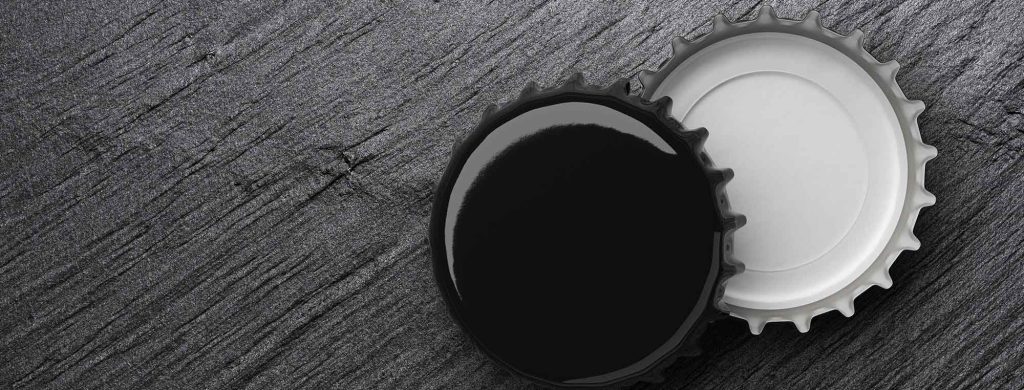
A crown cap is the metal cap commonly found on beer bottles. A bottle capper crimps the cap around the bottle opening.
Crown caps are:
- Inexpensive
- Disposable
- Easy to store
- Easy to replace
- Well suited to bottle conditioning
Use a new cap for each bottle.
What Is a Twist-Off Bottle?
A twist-off bottle has a threaded neck.
The original commercial cap screws onto the bottle. These bottles are not the best choice for homebrew.
A standard crown cap may not form a reliable seal on the bottle. The bottles can also be brittle around the threads, which can crack and make the beer unsafe to drink.
For a beginner: pry-off > twist-off.
Can I Use Twist-Off Bottles for Homebrew?
Some homebrewers do.
However, there is little reason to choose them when better options are available. The neck and lip design can make capping more difficult.
A poor seal can result in:
- Flat beer
- Slow carbonation
- Leaking bottles
- Bottle breakage during capping
Use pry-off bottles whenever possible.
How Many Beer Bottles Do I Need for 5 Gallons?
A typical 5-gallon batch requires approximately:
50–55 12-ounce bottles
Your exact number depends on:
- Final volume
- Bottle size
- Sediment
- Transfer losses
- How full you fill each bottle
Having several extra bottles is a good idea.
What About 22-Ounce Bottles?
22-ounce bottles are useful when you want fewer bottles.
A 5-gallon batch requires approximately: 29 22-ounce bottles
This can make bottling faster. However, a large bottle contains more beer. That is not always useful if you normally want one serving at a time.
What About 16-Ounce Bottles?
16-ounce bottles are a good middle ground.
They provide:
- More beer than a 12-ounce bottle
- Fewer bottles to fill
- Convenient serving size
They are especially useful for beers you want to share.
What About 750-mL Bottles?
750-mL bottles are popular for Belgian-style beers, mead, cider, and other specialty beverages.
They can be particularly attractive for gifts.
Some are designed for crown caps. Others are designed for corks and cages.
Use the closure designed for the bottle. And do not assume that every 750-mL bottle can safely hold carbonated beverages.
What Are Swing-Top Bottles?
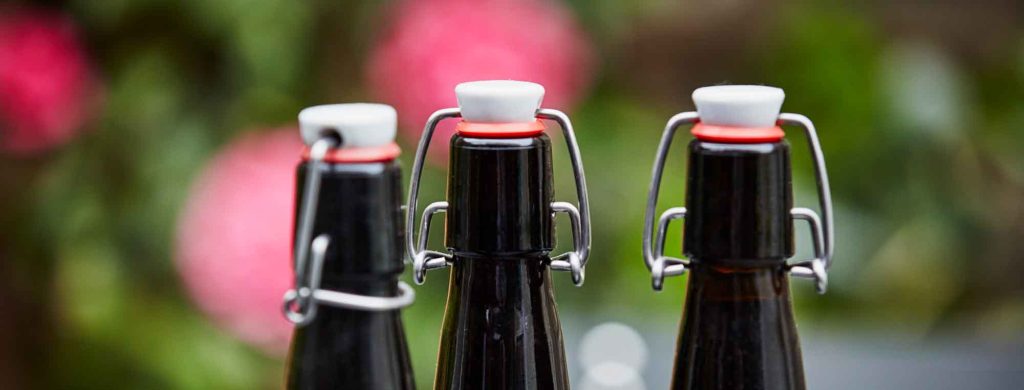
Swing-top bottles have a permanent closure attached to the bottle.
They are also called:
- Flip-top bottles
- Grolsch-style bottles
- EZ-Cap bottles
The closure normally includes:
- Ceramic or plastic stopper
- Wire mechanism
- Rubber or silicone gasket
You close the bottle by flipping the wire mechanism into place.
Are Swing-Top Bottles Good for Homebrew?
Yes. They are one of the easiest bottles for beginners.
Advantages include:
- No bottle capper
- No disposable crown caps
- Easy to open
- Easy to reseal
- Reusable closure
- Attractive appearance
Swing-top bottles are also useful for carbonated cider, mead, and kombucha.
Commercial homebrew suppliers sell swing-top bottles specifically for beer and other fermented beverages.
What Are the Disadvantages of Swing-Top Bottles?
They cost more than standard crown-cap bottles.
The gaskets also wear out. A damaged gasket can cause a poor seal.
Before using a swing-top bottle, inspect:
- Glass
- Wire
- Stopper
- Gasket
Replace damaged or worn components.
Are Swing-Top Bottles Good for Kombucha?
Yes. They are particularly convenient for kombucha because you can open and close them without a bottle opener. They can also be used for other carbonated beverages.
However, kombucha can continue fermenting after bottling. Do not assume that a swing-top bottle makes uncontrolled carbonation safe. You still need to manage fermentation and carbonation.
Are Swing-Top Bottles Good for Mead?
Yes. They can be used for both still and carbonated mead.
For carbonated mead, use bottles designed to withstand carbonation pressure. For still mead, swing-top bottles are convenient and attractive.
Can I Use Beer Bottles for Mead?
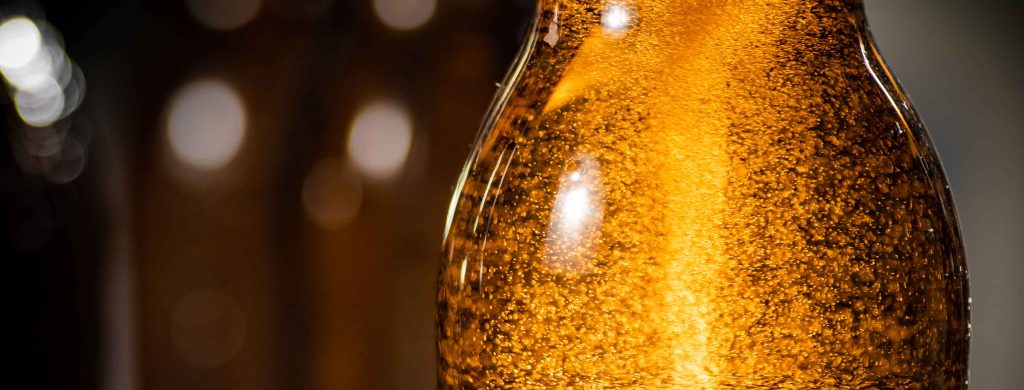
Absolutely. Beer bottles are particularly useful for carbonated mead. They are also useful for still mead if you prefer small servings.
You can use:
- 12-ounce beer bottles
- 16-ounce beer bottles
- 22-ounce beer bottles
- Swing-top beer bottles
Use a suitable closure. For a standard beer bottle, use a crown cap. Do not try to force a wine cork into an ordinary beer bottle.
Can I Use Beer Bottles for Cider?
Yes. Beer bottles are excellent for cider.
They work especially well when the cider is:
- Carbonated
- Bottle conditioned
- Served in small portions
Brown beer bottles provide good light protection. Clear bottles can also be used if you want to show the color of the cider.
Can I Use Beer Bottles for Wine?
Usually, no reason not to use them for small portions of still wine, but they are not the normal choice.
Wine bottles are designed around the traditional wine serving format.
A 750-mL wine bottle is convenient for wine.
A 12-ounce beer bottle is convenient when you want smaller servings.
For carbonated wine, the bottle must be designed to handle pressure. Do not carbonate wine in a normal still-wine bottle.
Can I Use Beer Bottles for Fruit Wine?
Yes, if the fruit wine is still.
Beer bottles are convenient for small batches and sampling. However, wine bottles are usually a better choice for a finished wine that you want to age or present traditionally.
For sparkling fruit wine:use a pressure-rated bottle designed for carbonated beverages.
Can I Use Beer Bottles for Still Mead?
Yes. This is a useful option for small batches.
A beer bottle lets you package 12 ounces at a time. That can be convenient when you want to open one small serving instead of a full 750-mL bottle. However, wine bottles can be a better choice for traditional still mead.
Can I Use Wine Bottles for Beer?
Not for carbonated beer unless the bottles are specifically designed for pressure.
This is one of the most important rules in homebrew packaging. Traditional wine bottles are designed for still wine.
Beer can develop significant pressure. Using an unsuitable bottle can result in bottle failure. The same principle applies to beer and cider.
What Bottles Should I Use for Sparkling Mead?
Choose a bottle designed for carbonation.
Possible choices include:
- Pressure-rated beer bottles
- Pressure-rated swing-top bottles
- Champagne-style bottles
- Belgian-style beer bottles designed for cork and cage closures
The correct choice depends on the carbonation level and the bottle’s pressure rating. Do not choose a bottle only because it looks attractive.
What About Champagne Bottles?
Champagne-style bottles are designed for carbonated beverages.
They are a good option for:
- Sparkling wine
- Sparkling mead
- Some high-carbonation specialty beverages
They are heavier than normal wine bottles because they need to withstand pressure. Use an appropriate closure system, such as a cork and wire cage or another closure designed for that bottle.
Can I Use Champagne Bottles for Beer?
Yes, if the bottle is designed for carbonated beverages. They are particularly useful for highly carbonated beers or specialty beers.
However, they are heavier and require more specialized equipment than standard crown-cap beer bottles. A normal beer bottle is simpler for most homebrewers.
What Are PET Beer Bottles?
PET bottles are plastic bottles designed for carbonated beverages. They can be useful for homebrewing because they:
- Do not shatter like glass
- Are lightweight
- Can be inexpensive
- Are useful for monitoring carbonation
Some homebrew PET bottles are specifically designed for beer. Do not use random thin plastic bottles for bottle conditioning. Use bottles designed for carbonated beverages.
Are PET Bottles Good for Beginners?
They can be. They are particularly useful if you are concerned about broken glass.
They are also useful for:
- Travel
- Camping
- Parties
- Testing carbonation
Glass remains the traditional choice for long-term beer storage.
Can I Use Soda Bottles?
A sturdy PET bottle that was designed to hold carbonated soda can sometimes be used for short-term carbonated homebrew. However, purpose-made homebrew PET bottles provide a more predictable option. Avoid thin disposable bottles that are not designed to withstand sustained pressure.
What Bottle Color Is Best for Cider?
It depends on your goal.
Brown: Best protection from light.
Clear: Best for showing off the color.
Green: Attractive, but less protective than brown.
For cider, clear bottles can be appealing. For long-term storage, brown glass provides more protection.
What Bottle Color Is Best for Mead?
Mead gives you more flexibility.
For still mead:
- Clear bottles look attractive.
- Green bottles are traditional.
- Brown bottles provide more light protection.
For carbonated mead:
- Use a pressure-rated bottle first.
- Choose color second.
What Bottle Color Is Best for Kombucha?
Clear bottles are often useful because they let you see the kombucha. However, light can affect beverages.
If the kombucha contains ingredients that are sensitive to light, use a darker bottle. The more important consideration is that the bottle is designed for carbonation.
What Is the Best Bottle for a Beginner?
For most beginners:
Best Overall
Brown pry-off beer bottle
It is:
- Cheap
- Durable
- Easy to find
- Easy to reuse
- Easy to cap
- Suitable for bottle conditioning
Best for Convenience
Brown swing-top bottle
No capper is required.
Best for Still Wine or Mead
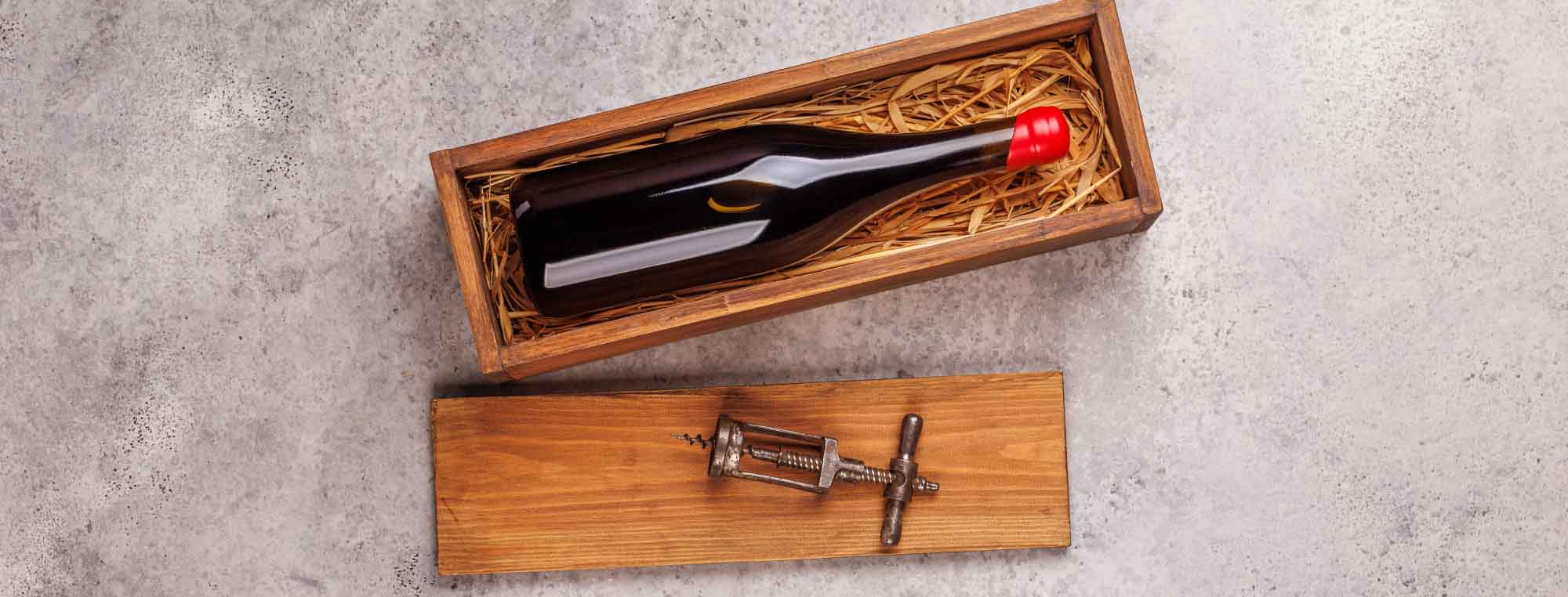
750-mL wine bottle
Use an appropriate cork or screw closure.
Best for Highly Carbonated Drinks
Pressure-rated bottle designed for the beverage
This can include beer bottles or Champagne-style bottles, depending on the carbonation level.
Can I Reuse Commercial Beer Bottles?
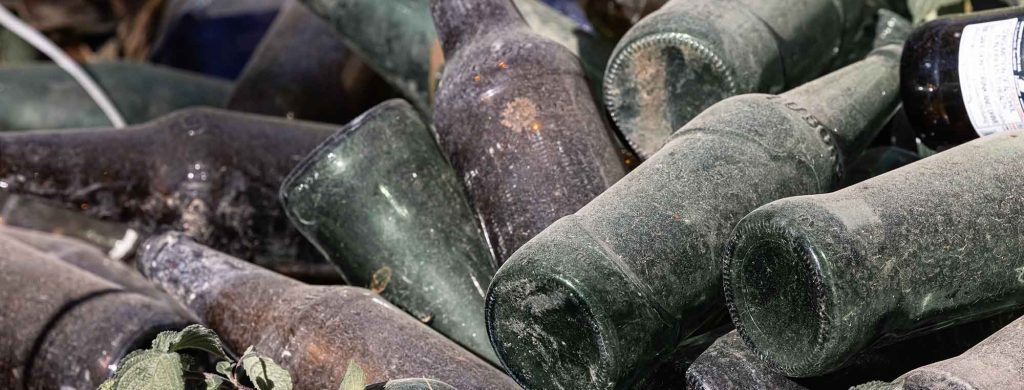
Yes. This is one of the best ways to build a bottle collection.
The easiest bottles to reuse are usually:
Brown pry-off bottles with paper labels.
Which Commercial Bottles Should I Save?
Look for:
- Brown glass
- Pry-off caps
- Standard bottle opening
- No chips
- No cracks
- No severe scratches
- Easy-to-remove labels
Some commercial breweries use bottles that are particularly convenient for homebrewers. Once you find a bottle style you like, save those bottles.
Which Bottles Should I Avoid?
Avoid bottles with:
- Cracks
- Chips
- Damaged necks
- Damaged rims
- Deep scratches
- Unknown pressure capability
- Very thin glass
- Decorative shapes not intended for carbonation
Do not use a bottle just because it looks cool. A bottle containing carbonated beer is a pressure vessel.
What About Weird-Shaped Bottles?
Avoid unusual bottles for carbonated beverages unless you know they are pressure rated.
This includes:
- Decorative bottles
- Liquor bottles
- Thin glass bottles
- Novelty bottles
- Square bottles
- Bottles designed for still beverages
A bottle’s appearance tells you very little about its pressure capability.
Can I Reuse Liquor Bottles?
For still beverages, sometimes.
For carbonated beverages: do not assume they are safe.
Most liquor bottles are designed to hold still spirits. They are not automatically designed to withstand the pressure of bottle-conditioned beer, cider, or mead.
Can I Use Mason Jars for Beer?
No.
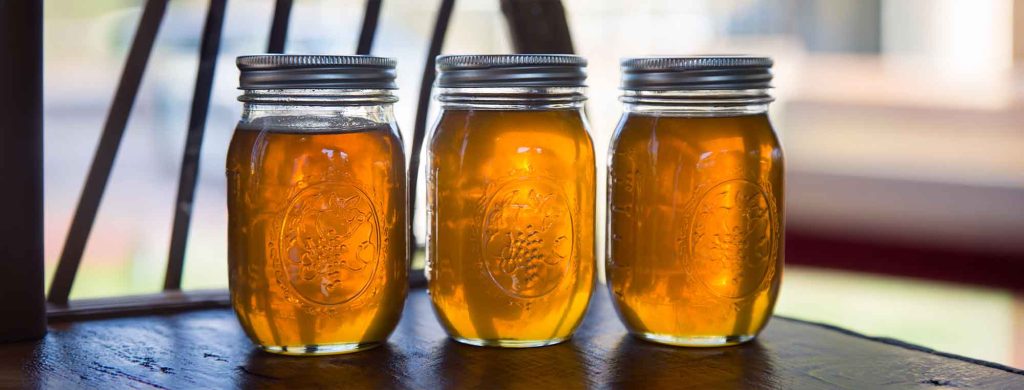
Standard mason jars are not a substitute for pressure-rated beer bottles. Do not bottle-condition beer in ordinary mason jars.
Can I Use Growlers for Bottle Conditioning?
Not unless the growler is specifically designed and rated for the pressure involved.
Most growlers are intended for transporting already-carbonated beer.
That is different from fermenting beer inside the container. Do not assume that a growler can safely contain pressure from bottle conditioning.
What About 32-Ounce Swing-Top Bottles?
These can be useful. They are particularly convenient for:
- Cider
- Kombucha
- Mead
- Beer
- Gifts
However, verify that the specific bottle is designed for carbonated beverages. Larger bottles also mean more beverage is exposed when opened.
What Size Bottle Is Best for Beer?
For most homebrewers: 12 ounces is the easiest general-purpose size.
- A 16-ounce bottle is also useful.
- A 22-ounce bottle is good for sharing.
- A 750-mL bottle is useful for specialty beers and mead.
There is no single correct size. Choose based on how you drink the beverage.
Why Use Small Bottles?
Small bottles are useful when:
- You want one serving.
- You brew high-ABV beverages.
- You want to give samples.
- You want to share several flavors.
- You do not want to open a large bottle at once.
This is especially useful for strong meads and fruit wines.
Why Use Large Bottles?
Large bottles mean:
- Fewer bottles to fill
- Less time bottling
- Fewer caps
- Less storage space
They are useful when sharing a bottle with multiple people.
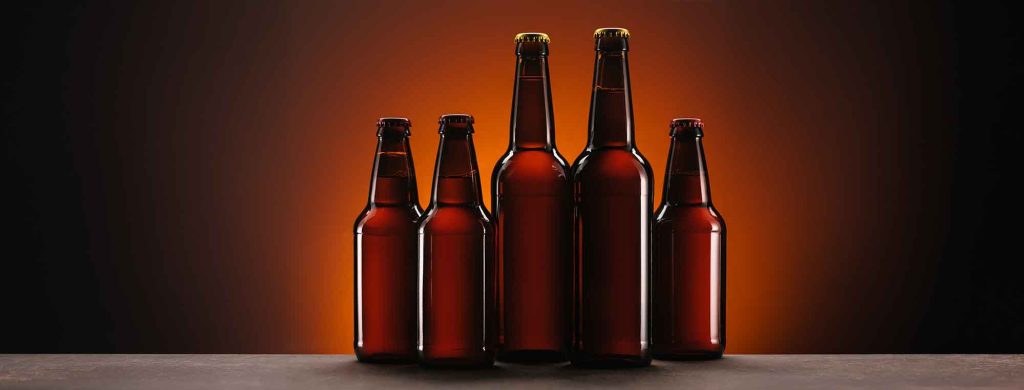
Should All Bottles in One Batch Be the Same Size?
No. You can mix sizes.
However, using bottles with similar sizes can make bottling easier.
For example, a batch could contain:
- 12-ounce bottles for individual servings
- 22-ounce bottles for sharing
- A few small bottles for samples
A mixture of bottle sizes can be useful depending on how you plan to consume the beer.
How Do I Clean Used Beer Bottles?
Clean bottles as soon as possible after drinking the beer.
The easiest process is:
- Pour the beer.
- Rinse the bottle immediately.
- Inspect the inside.
- Allow it to drain.
- Store it.
- Clean it before bottling.
- Sanitize it immediately before use.
Rinsing immediately prevents dried beer residue from becoming difficult to remove.
Do I Need to Remove the Labels?
No. You can leave commercial labels on your bottles.
However, removing labels makes it easier to:
- Inspect the bottle
- See the glass
- Add your own label
- Identify your homebrew
- Keep your bottle collection consistent
If you want to remove labels, soaking bottles in warm water with an appropriate cleaner, like PBW or OxiClean Free can make the process easier.
How Do I Sanitize Beer Bottles?
Cleaning and sanitizing are different.
First:
Clean the bottle.
Then:
Sanitize the bottle.
Use a brewing sanitizer according to its instructions. A bottle that contains visible residue is not clean enough to sanitize.
Can I Put Beer Bottles in the Dishwasher?
Some brewers use dishwashers to clean bottles.
However, the dishwasher does not automatically replace proper sanitation. Dishwashers with a hot enough sanitize cycle can effectively sanitize the bottles.
You also need to make sure the bottles are compatible with your dishwasher and that detergent residue does not remain. A brewing sanitizer immediately before bottling is a simple approach, though.
How Do I Store Empty Bottles?
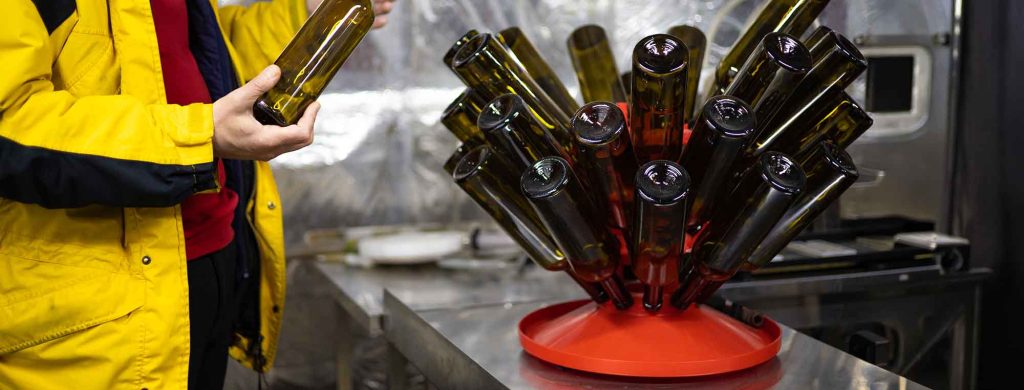
Store clean bottles somewhere:
- Dry
- Dust-free
- Protected from breakage
- Away from chemicals
Keep them upside down or covered if appropriate. The goal is to prevent dust and debris from entering the bottles after cleaning.
How Long Do Glass Beer Bottles Last?
There is no fixed expiration date.
A bottle can be reused many times if it remains in good condition. Inspect every bottle before use.
Discard bottles with:
- Cracks
- Chips
- Damaged rims
- Severe scratches
- Other visible damage
- Or it has been used many times, as it may have micro-damage impossible to see with the naked eye
Do not try to repair a damaged glass bottle.
What About Bottle Conditioning?
Bottle conditioning means yeast produces carbon dioxide inside the sealed bottle. This requires a bottle that can safely contain pressure.
Good choices include:
- Standard beer bottles
- Pressure-rated swing-top bottles
- PET beer bottles
- Champagne-style bottles designed for carbonation
Do not use normal wine bottles.
What About Still Beverages?
Still beverages do not require pressure-rated bottles in the same way carbonated beverages do.
This gives you many more choices.
For still:
- Mead
- Wine
- Fruit wine
- Some ciders
you can use suitable wine bottles or other food-safe beverage bottles.
The closure must still provide a suitable seal.
Beer Bottles for Non-Beer Homebrew
Beer bottles are surprisingly versatile.
| Beverage | Beer Bottle? | Best Choice |
| Beer | Yes | Brown pry-off |
| Cider | Yes | Brown pry-off or swing-top |
| Carbonated mead | Yes | Pressure-rated beer bottle |
| Still mead | Yes | Beer or wine bottle |
| Kombucha | Yes | Pressure-rated swing-top or PET |
| Still fruit wine | Yes | Wine bottle preferred |
| Sparkling fruit wine | Yes, if pressure-rated | Champagne-style or pressure-rated bottle |
| Still wine | Yes | Wine bottle preferred |
The Most Important Rule for Non-Beer Drinks
Do not decide based only on the beverage.
Decide based on: still or carbonated?
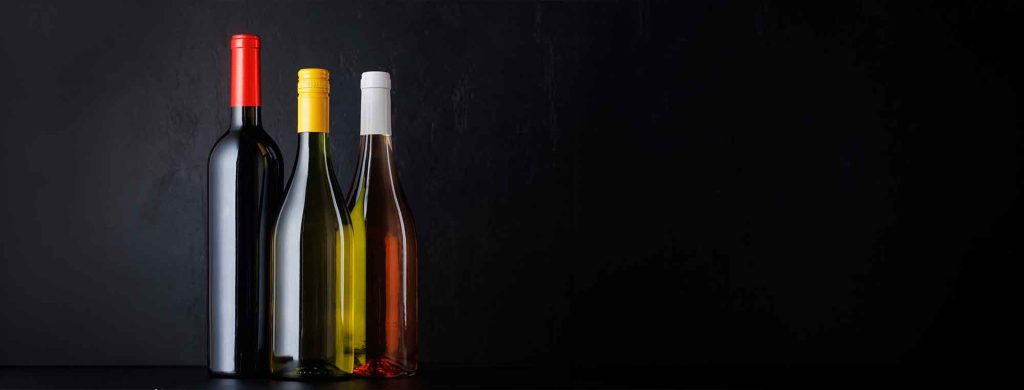
- A still mead can go into a wine bottle.
- A sparkling mead cannot automatically go into a wine bottle.
- A still cider can use many types of bottles.
- A bottle-conditioned cider needs a pressure-rated bottle.
The same principle applies to fruit wine and kombucha.
Common Bottle Mistakes
Using Wine Bottles for Carbonated Drinks
Do not do this unless the bottle is specifically designed for pressure.
Using Liquor Bottles for Carbonated Drinks
A liquor bottle is not automatically pressure rated.
Using Twist-Off Beer Bottles
They can be difficult to seal reliably.
Use pry-off bottles instead.
Using Damaged Bottles
Discard chipped or cracked bottles.
Bottling Without Cleaning
Sanitizer does not replace cleaning.
Leaving Bottles in Sunlight
Light can damage beer.
Assuming Every Swing-Top Bottle Is Pressure Rated
Check the specific bottle.
Reusing Crown Caps
Use new crown caps.
Ignoring Gaskets
Replace damaged swing-top gaskets.
Best Bottles by Beverage
Beer
Best: Brown pry-off beer bottles.
Alternative: Brown swing-top bottles.
Cider
Best: Brown pry-off or pressure-rated swing-top bottles.
Clear bottles can be used when appearance is important.
Mead
Still: Wine bottles or beer bottles.
Carbonated: Pressure-rated beer or swing-top bottles.
Fruit Wine
Still: Wine bottles.
Sparkling: Pressure-rated bottles designed for carbonated beverages.
Kombucha
Best: Pressure-rated swing-top or PET bottles.
Use care because kombucha can continue producing carbonation after packaging.
Best Bottle by Priority
Best Overall
Brown pry-off beer bottle
Best for Ease of Use
Swing-top bottle
Best for Reusing Commercial Bottles
Brown pry-off craft beer bottle
Best for Still Wine and Mead
750-mL wine bottle
Best for Carbonated Mead
Pressure-rated beer or Champagne-style bottle
Best for Kombucha
Pressure-rated swing-top or PET bottle
Best for Light Protection
Brown glass
Best for Showing Off Color
Clear glass
Best for Avoiding Broken Glass
Purpose-made PET beer bottle
The Ideal Beginner Bottle Collection
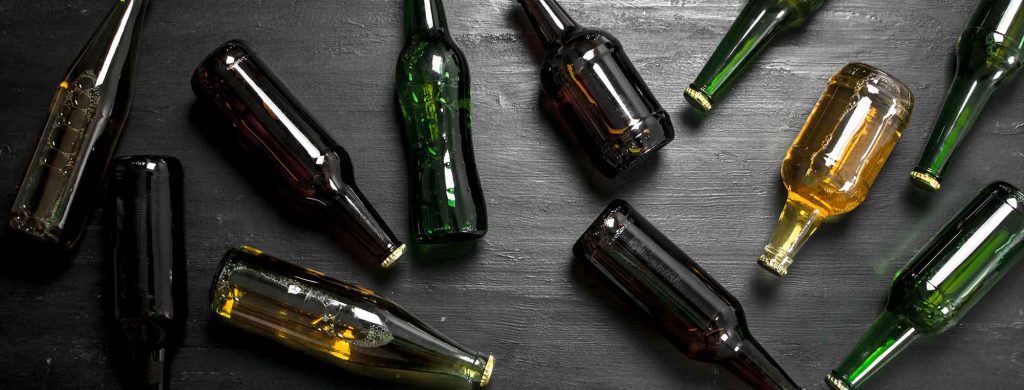
If you make beer, cider, mead, and wine, you do not need a different bottle for every beverage.
A useful collection could contain: 50–60 brown pry-off beer bottles
These cover most beer and carbonated cider needs.
Add: 12–24 swing-top bottles
These are useful for:
- Mead
- Cider
- Kombucha
- Beer
- Gifts
Then add: 12–24 wine bottles
These are useful for still:
- Mead
- Wine
- Fruit wine
- Cider
This gives you a flexible packaging system without buying specialized bottles for every batch.
The Bottom Line
For most homebrewers, brown pry-off beer bottles are the best all-purpose bottle.
They are inexpensive, easy to reuse, easy to clean, and designed for carbonated beverages.
For a 5-gallon batch, plan on approximately 50–55 12-ounce bottles.
If you want simpler bottling, choose swing-top bottles. If you want traditional packaging for still wine or mead, choose wine bottles.
And if you make cider, kombucha, sparkling mead, or sparkling fruit wine, remember the most important rule:
Carbonation changes the bottle you need.
A bottle designed for still wine is not automatically safe for a carbonated beverage. Use a bottle designed and rated for the pressure your beverage can produce.
Finally, do not overlook the cheapest source of bottles: the beer you already drink. Save suitable brown pry-off bottles, rinse them immediately after use, clean them thoroughly, and sanitize them before your next bottling day. A good bottle can be reused batch after batch.