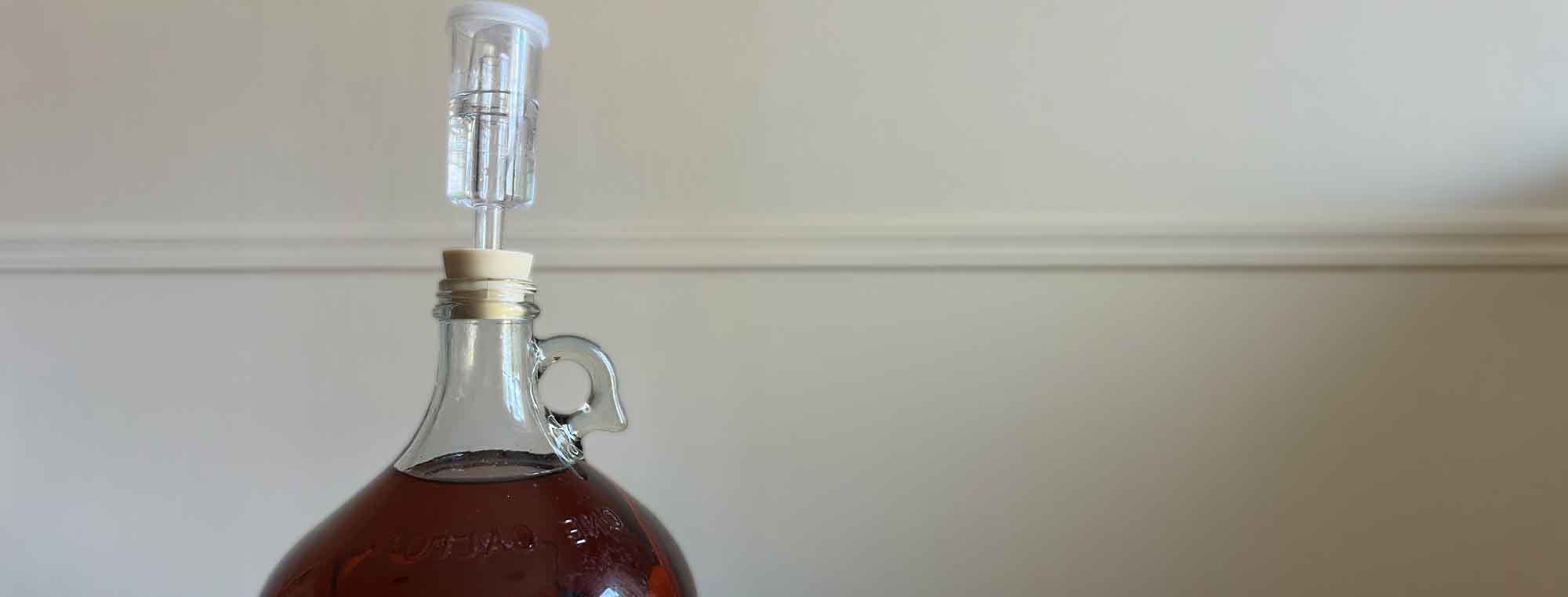
You check your fermenter. The airlock is quiet.
The specific gravity has not changed. The yeast seems to have stopped working.
Is your fermentation stuck? Maybe.
But a quiet airlock does not prove that fermentation has stopped. Before you add more yeast, add sugar, or take other action, you need to determine what is actually happening.
A stuck fermentation means fermentation has stopped before the yeast has reached the expected final gravity. The first step is to take a measurement.
What Does a Stuck Fermentation Mean?
A fermentation is stuck when yeast stops converting sugar into alcohol before the expected amount of sugar has been fermented.
This can happen with:
- Beer.
- Mead.
- Wine.
- Cider.
- Other fermented drinks.
A stuck fermentation can leave more sugar in the beverage than expected. This can affect alcohol content, sweetness, flavor, and carbonation. However, not every slow fermentation is stuck.
Some fermentations simply take longer than expected.

Do Not Use the Airlock as a Test
A bubbling airlock is fun to watch. It is not a reliable fermentation measurement.
A quiet airlock does not mean that fermentation has stopped. Carbon dioxide can escape through small gaps around a stopper or lid.
Fermentation can continue without visible bubbling. Carbon dioxide can also remain dissolved in the beverage. The airlock may stop bubbling even though yeast is still active.
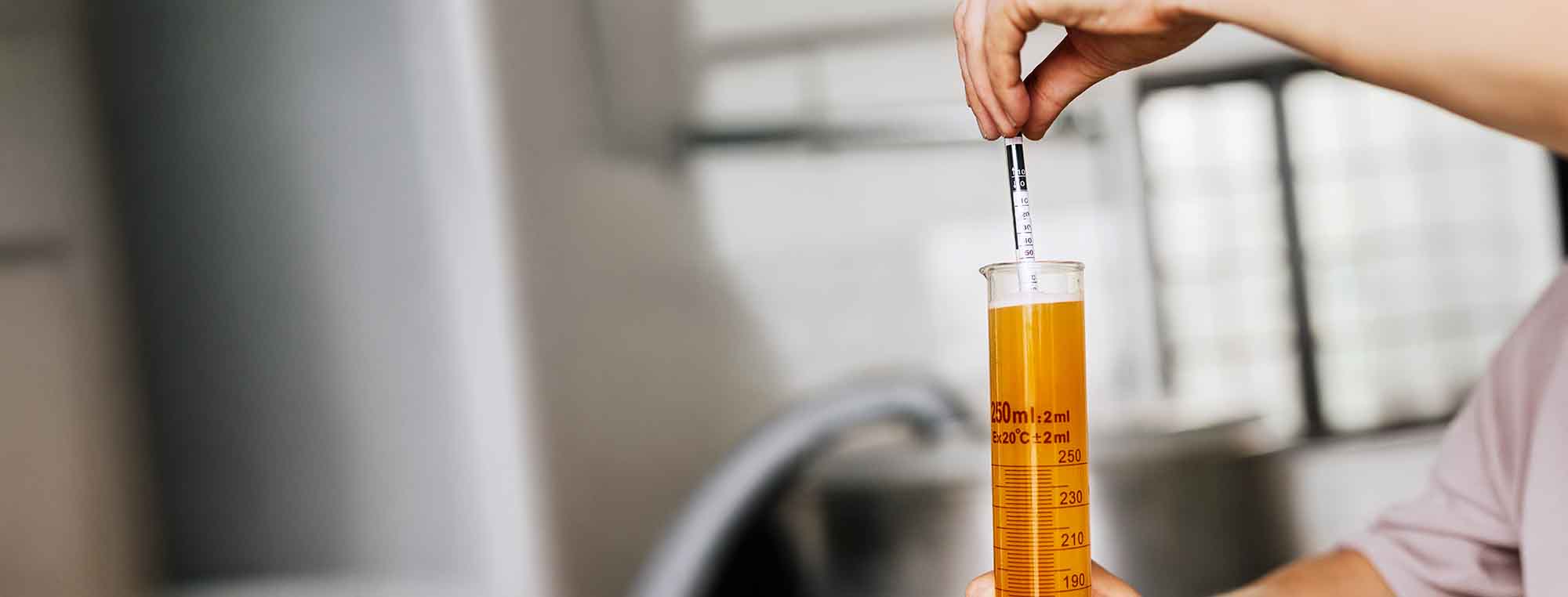
Use a hydrometer to determine whether fermentation is progressing.
Check the Specific Gravity
The best first step is to measure specific gravity. Take a sample with a sanitized wine thief, pipette, or other suitable sampling tool. Measure the specific gravity with a hydrometer.
Write down the result. Then wait.
Take another reading after an appropriate period. If the specific gravity continues to decrease, fermentation is still happening. If the specific gravity does not change, fermentation may be finished or stuck. You need more information before deciding which one it is.
How Long Should I Wait Between Readings?
There is no single waiting period for every fermentation. For an active fermentation, a reading after a day or two can show whether gravity is changing.
For a slow fermentation, you may need to wait longer. The important point is to compare measurements. One gravity reading tells you where fermentation is now. Two or more readings tell you whether fermentation is changing.
What If the Gravity Is Stable?
Stable gravity does not automatically mean the fermentation is stuck. Your recipe may have reached its expected final gravity.
If the gravity is stable and matches the expected result, fermentation may simply be finished. If the gravity is higher than expected and remains stable, a stuck fermentation is more likely.
You should consider the original gravity, yeast strain, recipe, temperature, and ingredients before taking action.
What Is Final Gravity?
Final gravity, or FG, is the specific gravity of a fermented beverage after fermentation is complete. It depends on the recipe and the yeast.
A beer may have a different final gravity than a mead.
A dry wine may have a different final gravity than a sweet cider.
Do not assume that every fermentation should finish at the same number. The expected final gravity is only an estimate. Your hydrometer readings are more useful than a general number found on the internet.

Why Does Fermentation Get Stuck?
There are many possible causes.
Common causes include:
- Temperature that is too low.
- Temperature that is too high.
- Poor yeast health.
- Not enough nutrients.
- High alcohol levels.
- High sugar concentration.
- Incorrect pH.
- Yeast that has reached its alcohol tolerance.
- Lack of oxygen during the early stages of some fermentations.
- A recipe that is less fermentable than expected.
The cause can also be a combination of several factors.
Check the Temperature
Temperature is one of the first things to check.
Yeast works best within a specific temperature range. If the fermentation becomes too cold, yeast activity can slow dramatically. This can make a healthy fermentation appear to be stuck.
Use a reliable thermometer to check the temperature. Do not rely only on the room temperature, as the liquid inside the fermenter may have a different temperature.
What If the Fermentation Is Too Cold?
If the temperature is below the recommended range for your yeast, gently warm the fermenter. Do not make a sudden and extreme temperature change.
Move the fermenter to a warmer location. You can also use a temperature controller with an appropriate fermentation chamber. Give the yeast time to respond. Do not immediately add more yeast.
A cold fermentation may restart when the temperature returns to a suitable range.
What If the Fermentation Is Too Warm?
High temperature can also cause problems. Some yeast strains slow down or become stressed at high temperatures. Other strains may ferment rapidly but create unwanted flavors.
Check the recommended temperature range for your yeast. If the temperature is too high, reduce it gradually. Avoid extreme temperature changes.
Could the Yeast Be Done?
Yes. Yeast has limits. A yeast strain may have an alcohol tolerance.
If the beverage reaches or exceeds that level, fermentation can slow or stop. This is especially important for high-gravity beer and strong mead or wine. A fermentation that stops near the yeast’s expected alcohol tolerance may not be truly stuck. The recipe may simply have reached the limit of the yeast.

Could There Be Too Much Sugar?
Yes. A very high starting gravity can make fermentation difficult. High sugar concentrations can stress yeast. This is sometimes called osmotic stress.
This is common in high-gravity mead and wine. Adding even more sugar will not fix this problem. It can make the problem worse.
Could the Yeast Need Nutrients?
Yeast needs more than sugar. It also needs nutrients. This is especially important for mead. Honey can be low in nutrients that yeast needs for healthy growth. A nutrient plan can help support mead fermentation.
Beer wort usually provides more yeast nutrients than honey alone.
Wine and cider can vary depending on the juice and ingredients. If you are making mead, use a nutrient product and follow its instructions. Do not add random amounts of nutrients after fermentation has already stopped.
The correct approach depends on the recipe and fermentation stage.
Could the pH Be Wrong?
Yes. Yeast performs best within certain pH conditions. A fermentation can slow if the pH becomes unsuitable. This can happen, though rarely, during some mead and wine fermentations.
A pH meter or suitable pH test can provide useful information. Do not make a large pH adjustment without understanding the cause or because someone on the internet told you to. Adding acid or base can change the flavor and chemistry of the beverage and is almost never needed for fermentation purposes.
What About Yeast Nutrient for Beer?
Most normal beer fermentations have enough nutrients for yeast. A healthy pitch of the correct yeast strain should usually ferment the wort without additional nutrient additions.
If a beer fermentation is stuck, check temperature, yeast health, original gravity, and recipe factors first. Do not assume that adding nutrient will solve the problem.
Should I Stir the Fermenter?
Sometimes. Gently stirring or swirling a fermenter can put yeast back into suspension. This can help if yeast has settled before fermentation is complete. However, be careful.
After fermentation has slowed, unnecessary oxygen exposure can cause oxidation. For beer, wine, mead, and cider, avoid aggressively splashing the beverage. If you need to resuspend yeast, use a gentle method.
Should I Add More Yeast?
Sometimes. Adding more yeast can help when the original yeast population is too weak or has become inactive. However, this should not be your first response.
First check:
- Specific gravity.
- Temperature.
- Original gravity.
- Yeast strain.
- Fermentation time.
- Nutrient availability.
- Alcohol level.
If the environment is unsuitable, new yeast may fail for the same reason.
Should I Make a Yeast Starter?
A yeast starter can be useful for some beer fermentations. It helps build a healthy yeast population before pitching.
However, a starter is not a universal solution for a stuck fermentation. For wine, mead, and cider, restarting a difficult fermentation may require a more careful yeast acclimation process. The correct method depends on the beverage and yeast.
What If I Add More Sugar?
Do not add sugar just because fermentation has stopped. This can make the problem worse.
If the yeast is already struggling, additional sugar gives it more work to do. You should first determine why fermentation stopped. If you are intentionally making a sweet beverage, adding fermentable sugar is a different process.
That is not the same as fixing a stuck fermentation.
What If I Add More Water?
Adding water can reduce sugar concentration. This can sometimes help a very high-gravity fermentation.
However, it also reduces alcohol concentration and changes the flavor. Do not add water without considering the effect on the finished beverage.
For a small batch, even a small amount of water can make a noticeable difference.
What If My Mead Is Stuck?
Mead can be more difficult than beer because honey does not always provide yeast with enough nutrients. A mead can also start with a high sugar concentration. If a mead appears stuck, check the specific gravity and temperature first.
Then consider:
- Yeast health.
- Nutrient additions.
- Starting gravity.
- pH.
- Alcohol level.
- Fermentation age.
Do not immediately add more honey. That can increase the sugar concentration and make fermentation more difficult.
What If My Wine Is Stuck?
Wine fermentation can stop for several reasons. Temperature, yeast health, sugar concentration, nutrients, and alcohol can all matter.
Check the specific gravity. Then check the temperature.
If you need to restart fermentation, use a yeast strain that can tolerate the conditions in the wine. A gradual yeast acclimation process can be useful for difficult fermentations.
What If My Cider Is Stuck?
Cider can also ferment slowly. Apple juice can vary significantly in sugar, nutrients, acidity, and yeast conditions.
Check the specific gravity and temperature. Do not assume that a slow cider fermentation is stuck. Some cider fermentations take much longer than expected.
Can I Use a Refractometer?
A refractometer can be useful for measuring wort or juice before fermentation. However, alcohol changes the way a refractometer reads the liquid. After fermentation begins, a normal refractometer reading cannot be treated like a normal hydrometer reading without correction.
For beginners, a hydrometer is usually easier for checking fermentation progress.
When Should I Take Action?
Do not take action based only on a quiet airlock. First, take a hydrometer reading.
Then take another reading later.
If gravity is still decreasing, let fermentation continue. If gravity is stable at the expected final gravity, fermentation may be complete. If gravity is stable well above the expected final gravity, investigate the fermentation. Check the temperature and other conditions before changing anything.
How Do I Restart a Stuck Fermentation?
The correct method depends on the cause.
A simple stuck fermentation may respond to:
- Correcting the temperature.
- Gently resuspending yeast.
- Providing appropriate nutrients.
- Using a suitable yeast strain.
- Reducing sugar concentration.
- Correcting an unsuitable fermentation environment.
More difficult fermentations may require a fresh yeast culture. Do not make several changes at once. If you change everything at the same time, you will not know what solved the problem. Make a reasonable change.
Then monitor the specific gravity.
What Equipment Should I Have?
A basic fermentation toolkit can help you diagnose problems.
Useful equipment includes:
Hydrometer
A hydrometer is the most important tool for checking fermentation progress. It measures specific gravity.
Keep a clean and sanitized hydrometer available on brew day.
Test Jar
A test jar, like a graduated cylinder, gives you a safe place to take a hydrometer reading.
A narrow hydrometer test jar uses less of your beverage than a large container.
Thermometer
A reliable thermometer lets you check the actual fermentation temperature.
Temperature is one of the first things to check when fermentation slows.
Wine Thief
A wine thief lets you take a sample from a carboy or other fermenter.
Choose equipment that is easy to clean and sanitize.
pH Meter
A pH meter can help diagnose difficult wine and mead fermentations.
It is not required for basic brewing.
Temperature Controller
A temperature controller can help maintain a stable fermentation temperature.
It becomes more useful as your brewing process becomes more advanced.
Do I Need to Dump the Batch?
Usually not. A fermentation that stops early does not automatically mean the beverage is unsafe.
First determine what happened. A beer, wine, mead, or cider that finishes sweeter than expected may still be usable. The problem is different from contamination or unsafe ingredients.
If you see obvious mold, unusual growth, or other signs of contamination, do not assume that restarting fermentation will make the beverage safe.
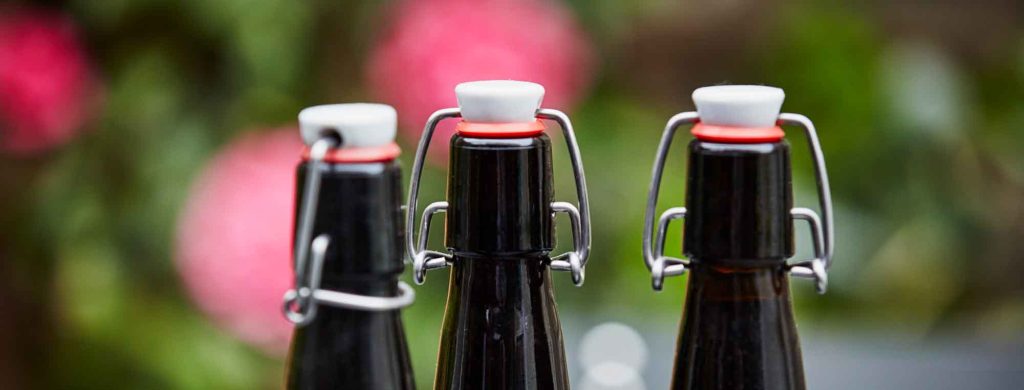
What About Bottle Conditioning?
This is where a stuck fermentation can become a safety issue.
Do not bottle a beverage simply because the airlock has stopped bubbling. If fermentation resumes inside sealed bottles, pressure can increase. This can cause bottles to break.
Before bottling a fermented beverage, confirm that the specific gravity is stable. For naturally carbonated beverages, use bottles designed to handle the expected pressure.
The Bottom Line
A quiet airlock does not prove that your fermentation is stuck.
- The first thing to do is check the specific gravity with a hydrometer.
- Then take another reading later.
- If the gravity is falling, fermentation is still active.
- If the gravity is stable at the expected final gravity, fermentation may be finished.
- If the gravity is stable and much higher than expected, investigate the fermentation.
- Check the temperature, yeast, starting gravity, nutrients, pH, and alcohol level.
- Do not immediately add more yeast or sugar.
Measure first. Diagnose the problem. Then take action.
That approach can save a batch, prevent unnecessary additions, and help you learn what your yeast is doing.