Pét-nat is short for pétillant naturel, which means “naturally sparkling.”
The idea is simple.
- You start fermentation.
- Before fermentation is complete, you package the cider.
- The remaining yeast ferments the remaining sugar in the bottle.
- The carbon dioxide produced by that fermentation stays in the bottle.
The result is naturally carbonated cider. There is no separate priming-sugar step or force carbonation in a keg. There is also less room for error.
A bottle of pét-nat is a pressure vessel. If you package too early, the yeast can produce too much carbon dioxide.
That can cause:
- Overcarbonation
- Foaming
- Leaking bottles
- Broken bottles
- Bottle bombs
Pét-nat is therefore a technique that requires gravity measurements and pressure-rated bottles, not guesswork.
What Makes a Cider Pét-Nat?
Traditional bottle-conditioned cider usually works like this:
- Ferment the cider.
- Let fermentation finish.
- Add a measured amount of priming sugar.
- Bottle.
- Let the yeast ferment the priming sugar.
- Carbonate the cider.
Pét-nat reverses part of this process.
You allow fermentation to begin. Then you bottle while some fermentable sugar remains.
The yeast finishes the fermentation inside the bottle. And that creates the carbonation. The important difference is that the sugar was already in the cider. You do not need to add priming sugar.
Why Make Pét-Nat Cider?
Pét-nat can produce a cider with:
- Natural carbonation
- Fresh fruit character
- Fine bubbles
- A softer carbonation profile
- Some yeast character
- A cloudy appearance if you leave the sediment in the bottle
It can also be a simple way to make naturally sparkling cider without force carbonation equipment.
The process can work especially well with small batches. But pét-nat is not automatically better than standard bottle conditioning. It is simply a different process.
Start With Fermented Cider
You need cider that contains fermentable sugar and active yeast.
You can start with:
- Fresh-pressed apple juice
- Pasteurized cider
- Store-bought apple juice
- A prepared cider must
Avoid juice with preservatives that can interfere with fermentation. You should also know the original gravity if possible.
That gives you useful information about how much sugar was present at the start.
Ferment Normally at First
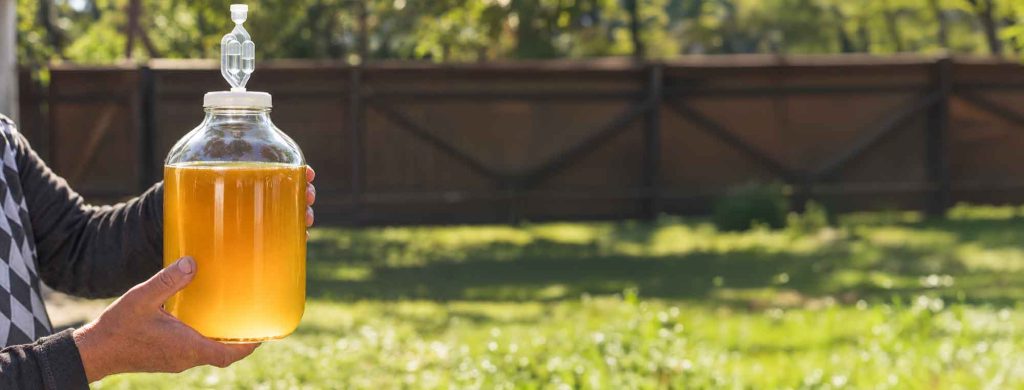
Pitch your yeast and allow fermentation to begin.
Do not rush to bottle. The yeast needs time to establish a healthy fermentation. Take gravity readings as fermentation progresses.
An airlock is not a gravity meter.
A cider can still release gas even when fermentation is nearly complete. Likewise, a quiet airlock does not prove that fermentation has stopped. Use a hydrometer or other suitable gravity measurement.
When Do You Bottle?
This is the difficult part. You need enough fermentable sugar remaining to create carbonation. You do not want so much sugar remaining that the bottle becomes dangerously overpressurized. There is no universal gravity number that works for every cider.
The correct bottling point depends on:
- Starting gravity
- Current gravity
- Yeast strain
- Fermentation temperature
- Yeast health
- Desired carbonation
- Bottle pressure rating
- Fermentability of the cider
- Whether fermentation will continue normally
This is why “bottle at 1.020” is bad general advice.
A cider that starts at 1.060 and a cider that starts at 1.100 do not behave the same way.
Pét-Nat Is About Controlling the Remaining Sugar
Think of the cider as having a certain amount of fermentable sugar remaining. That sugar is the carbonation fuel.
If the yeast consumes too little sugar, the cider will be undercarbonated. If it consumes too much sugar inside a sealed bottle, pressure can become dangerous. The difficult part is predicting exactly how much fermentation will occur after bottling.
This is why pét-nat requires more attention (and bravery) than ordinary bottle conditioning.
Use a Pressure-Rated Bottle
This is not optional. Do not use random glass bottles for pét-nat.
Do not use:
- Thin wine bottles
- Decorative bottles
- Unrated glass bottles
- Ordinary screw-top bottles
- Bottles that are cracked or damaged
Use bottles designed to contain carbonated beverages.
Good choices can include appropriate:
- Beer bottles
- Champagne-style bottles
- Sparkling-wine bottles
- Belgian beer bottles
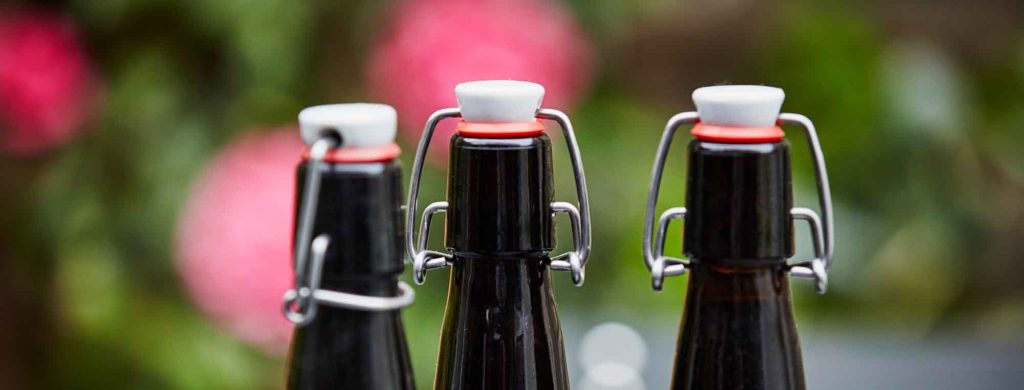
The closure must also be suitable for the bottle and carbonation level. A bottle that looks strong is not proof that it is pressure rated.
The Bottle Is a Pressure Vessel
Once you seal the cider, you have created a small pressure vessel. The remaining sugar becomes carbon dioxide. The more sugar that ferments, the more carbon dioxide the yeast produces. And the carbon dioxide has nowhere to go. Pressure increases.
This is why pét-nat is not a good technique for guessing.
A bottle bomb can cause serious injury.
If you are uncertain whether a batch is ready to bottle, wait and collect more information. You cannot safely “fix” an overcarbonated bottle by casually opening it.
Bottle the Cider Without Splashing
Once you have reached your target gravity, package the cider carefully.
Avoid unnecessary oxygen exposure.
Do not:
- Pour the cider into bottles
- Splash it into the bottle
- Shake the filled bottle
- Stir the cider
Use a bottle filler or another method that lets you transfer the cider smoothly. Keep the transfer gentle. You want to preserve the cider’s fresh character while the yeast finishes fermentation.
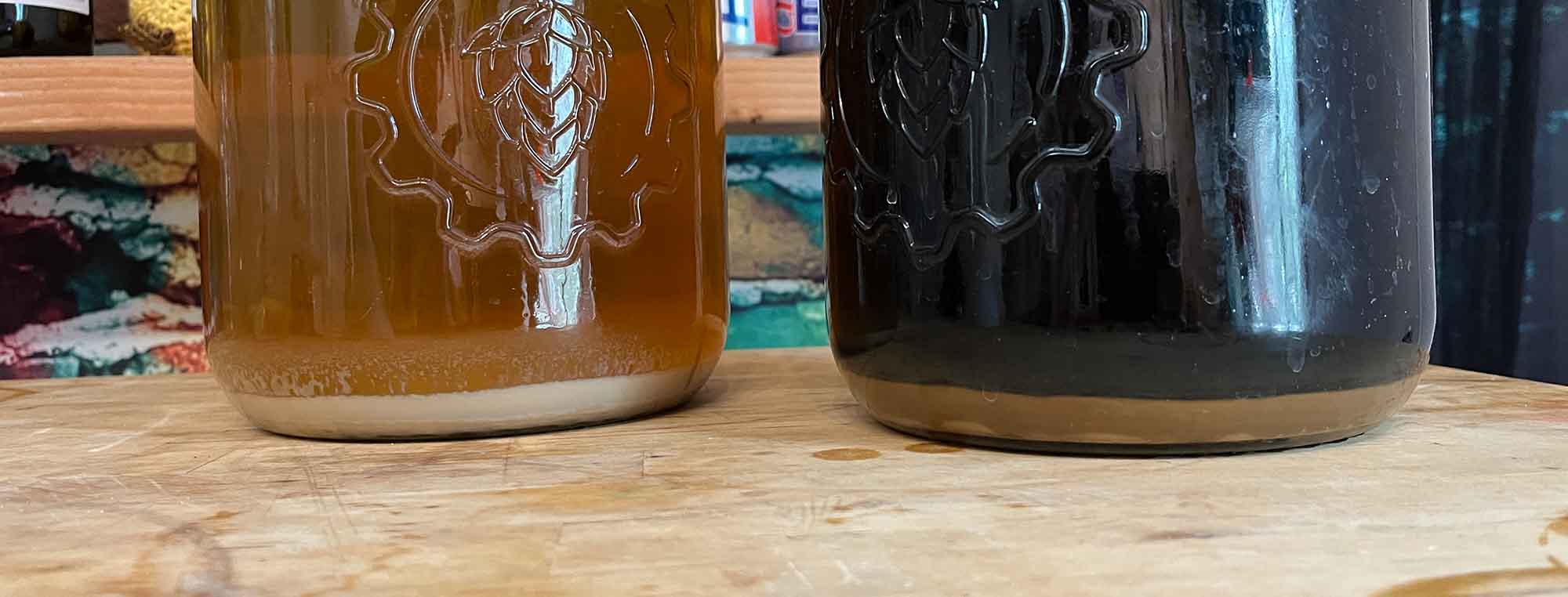
Leave Some Sediment
Traditional pét-nat often contains yeast sediment. This is totally normal. The yeast remains in the bottle while fermentation finishes.
Depending on the style and process, the finished cider can be:
- Clear
- Slightly hazy
- Very cloudy
You can drink the cider with the sediment – or you can pour carefully to leave most of the sediment in the bottle. There is no requirement that pét-nat be perfectly clear.
Why Is Pét-Nat Often Cloudy?
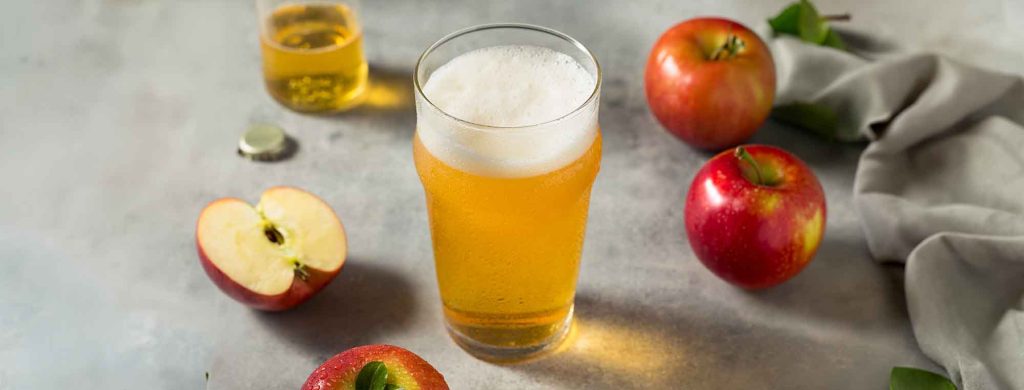
The yeast is still involved in the process. After fermentation finishes, some yeast remains suspended in the cider. Some eventually settles on the bottom.
If you disturb the bottle, that sediment can mix back into the cider. This produces a cloudy appearance. For some pét-nat producers, this is part of the style. It is not automatically a negative or some sign of an infection.
Does Pét-Nat Taste Different?
It can.
Pét-nat cider may have:
- Fresh apple character
- Yeast character
- Mild bread or dough notes
- A softer carbonation
- Some acidity
- A slightly rustic character
The flavor depends heavily on the cider and yeast. A clean cider yeast can produce a very different result from a more expressive wine yeast, so the yeast strain matters.
So does fermentation temperature. So does the apple variety.
Pét-Nat vs. Bottle-Conditioned Cider
These processes are similar, but the timing is different.
| Method | When is sugar added? | How is carbonation created? |
| Pét-nat | Sugar already remains from fermentation | Remaining sugar ferments in bottle |
| Bottle conditioning | Fermentation is complete | Added priming sugar ferments in bottle |
| Force carbonation | No fermentation required for carbonation | CO₂ is added from a tank |
Pét-nat is therefore closer to capturing an active fermentation.
Bottle conditioning is closer to starting a controlled secondary fermentation.
Pét-Nat vs. Champagne Method
Do not confuse pét-nat with traditional-method sparkling wine.
Traditional-method sparkling wine is usually fermented first. A second fermentation is then created under controlled conditions.
Pét-nat uses the original fermentation. You do not completely finish the first fermentation before bottling. That is one reason pét-nat can be simpler. It is also one reason the process requires careful timing.
How to Monitor a Pét-Nat Batch
You need to watch the fermentation.
A useful process is:
- Record the original gravity.
- Let fermentation begin.
- Measure gravity regularly.
- Watch the rate of gravity change.
- Decide on a target bottling point. For a standard cider with no added sugar or honey, I will usually shoot for 1.003 to 1.002, knowing the cider will likely finish around 0.999 to 0.998.
- Bottle in pressure-rated containers.
- Keep the bottles at an appropriate fermentation temperature.
- Monitor the carbonation development.
- Refrigerate when the cider reaches the desired condition.
The exact target depends on your process.
Do not copy another brewer’s gravity number without understanding the starting gravity and yeast.

Refrigeration Is Not a Magic Stop Button
Cold temperatures slow yeast – they do not kill it.
If your pét-nat reaches the desired carbonation and you refrigerate it, the yeast may become much less active. If you later warm the bottles, fermentation can resume. This matters if significant fermentable sugar remains.
Do not assume: “It is cold, so fermentation is finished.” It may simply be slow.
The Best Way to Reduce Risk
If you are new to pét-nat, make a small batch.
A small batch lets you learn:
- How quickly your yeast ferments
- How your juice behaves
- How much carbonation you prefer
- How much sediment forms
- How your bottles perform
- How quickly the cider changes after packaging
Do not make your first pét-nat experiment with an entire large batch.
Pét-Nat: Dry vs. Sweet
Pét-nat creates an important limitation. If the yeast continues to ferment the remaining sugar, the cider becomes less sweet.
You therefore cannot simply say, “I will bottle it sweet and sparkling.”
The yeast may ferment that sweetness. If you want a sweet, naturally sparkling cider, you need a controlled process that prevents further fermentation at the desired point. That can be difficult in a homebrew bottle.
A safer approach is often to let fermentation finish, stabilize when appropriate for the beverage, and then use a controlled carbonation method. Alternatively you can sweeten cider using a nonfermentable sweetener.
Do not assume that refrigeration alone will permanently stabilize a sweet pét-nat.
Pét-Nat Mead
Can You Make Pét-Nat Mead?
Yes. The same basic concept works with mead.
Start fermentation. Allow the mead to ferment until the desired amount of fermentable sugar remains. Bottle in pressure-rated containers. The remaining sugar ferments in the bottle and the result is naturally sparkling mead.
This can produce a very interesting beverage.
Pét-nat mead can have:
- Fresh honey aroma
- Fruit character
- Yeast character
- Natural carbonation
- Some haze
- A lighter, less polished character
Mead requires extra attention
Mead can ferment differently from cider. Honey provides sugar but relatively little yeast nutrition. Yeast health can therefore be especially important.
A stalled or slow mead can make pét-nat timing more difficult. If fermentation is unpredictable, do not try to guess the bottling point. A healthy, predictable fermentation is much easier to manage.
Fruit mead
Pét-nat can work particularly well with fruit meads.
The carbonation can lift fruit aroma. It can also make a high-acid fruit mead taste brighter.
But fruit adds another variable. Fruit sugars can continue to ferment. If you bottle before all fruit-derived fermentable sugar is consumed, you must account for it.
Pét-Nat Wine
Pét-Nat Is Common in Wine
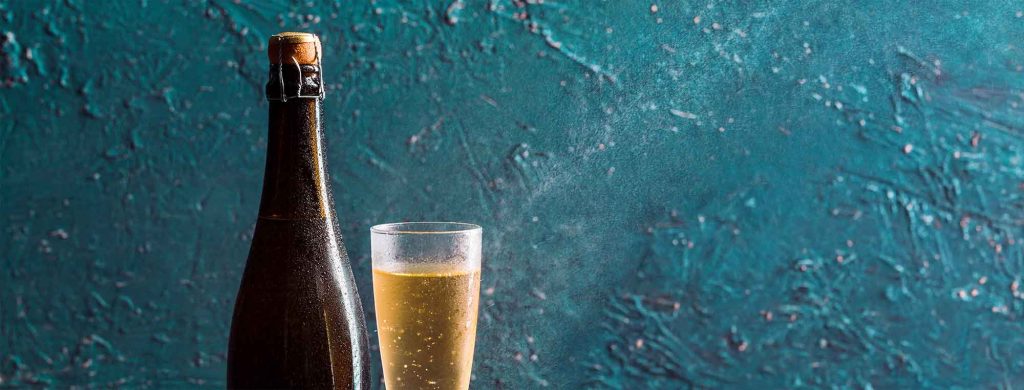
Pét-nat is strongly associated with naturally sparkling wine. The process works especially well with grape must because the beverage can be bottled while fermentation is still active.
The finished wine can have:
- Fresh fruit character
- Natural carbonation
- Yeast character
- Haze
- Sediment
- A rustic character
White, rosé, and red wines can all be made using pét-nat methods. The specific process depends on the grapes, yeast, desired carbonation, and winemaking style.
Wine presents the same pressure problem
The chemistry does not care whether the liquid is cider or wine. Remaining fermentable sugar plus active yeast plus a sealed bottle means carbon dioxide production.
Use appropriate pressure-rated bottles. Measure gravity. Do not rely on an airlock to guess how far along fermentation is.
Can You Use Commercial Juice?
Yes, but check the label.
Look for:
- Preservatives
- Sorbate
- Benzoate
- Other antimicrobial ingredients
These can interfere with fermentation. If the juice does not ferment reliably, pét-nat becomes much harder to control.
What If Fermentation Stops Before Bottling?
Do not automatically bottle. A stalled fermentation is not the same as a predictable fermentation.
If the yeast has stopped because of:
- Nutrient deficiency
- Temperature
- Alcohol tolerance
- pH
- Yeast health
- Other stress
…you may still have a significant amount of fermentable sugar. If the yeast later becomes active inside the bottle, pressure can increase. Fix the fermentation problem first.
Pét-Nat and Oxidation
Pét-nat does not eliminate oxidation. You still need to control oxygen.
Avoid:
- Splashing
- Excessive headspace
- Open transfers
- Repeated opening
- Poor seals
The difference is that you are also trying to preserve an active fermentation.
You need to balance two goals:
- Keep oxygen exposure low.
- Keep the yeast healthy enough to finish the fermentation.

Common Pét-Nat Mistakes
Bottling Based on Airlock Activity
Bad idea.
Airlock activity does not tell you how much fermentable sugar remains.
Use gravity measurements.
Using Regular Wine Bottles
Do not.
Use pressure-rated bottles.
Adding Priming Sugar
Usually unnecessary.
The remaining fermentation sugar provides the carbonation.
Adding priming sugar on top of that can increase pressure.
Bottling Too Early
More remaining sugar means more potential carbon dioxide.
Bottling Too Late
You may get little or no carbonation.
Assuming Cold Means Stable
Cold slows yeast.
It does not necessarily stop it permanently.
Ignoring Fruit Sugar
Fruit can add a large amount of fermentable sugar.
Forgetting Yeast Health
A stressed yeast population can make the fermentation unpredictable.
A Simple Pét-Nat Workflow
For a basic cider:
1. Start fermentation
Use clean juice and a suitable yeast.
2. Measure gravity
Record the original gravity.
3. Monitor fermentation
Take additional gravity readings as fermentation progresses.
4. Choose your bottling point
Use your fermentation data and target carbonation. Again, somewhere around 3-5 points of gravity above your expected Final Gravity is often a safe target.
5. Use pressure-rated bottles
Do not improvise.
6. Transfer carefully
Avoid splashing.
7. Seal the bottles
Use the correct closure for the bottle.
8. Allow fermentation to finish
The remaining sugar creates the carbonation.
9. Chill when appropriate
Cold slows the yeast and makes the cider easier to serve.
10. Pour carefully
Leave the sediment behind if you want a clearer pour.
The Bottom Line
Pét-nat cider is one of the simplest ideas in sparkling beverage production:
Bottle the beverage while fermentation is still active and let the yeast create the carbonation.
But simple does not mean foolproof.
The most important controls are:
- Gravity
- Yeast health
- Fermentation rate
- Remaining fermentable sugar
- Bottle pressure rating
- Oxygen exposure
Do not use an airlock to decide when to bottle. Do not use an ordinary wine bottle. Do not add priming sugar without accounting for the sugar already present. Do not assume refrigeration permanently stops fermentation. And never forget that a sealed bottle containing fermentable sugar and active yeast can become a pressure vessel.
Pét-nat can make excellent cider, mead, and wine.
Just treat the fermentation and the bottle pressure as part of the recipe.